War and Immortality: The Eternal Struggle in Nier: Automata
16 December 2025
Video games have a way of plunging us into worlds far removed from our everyday lives, but few titles leave as deep an impression as Nier: Automata. Released in 2017, this masterpiece by PlatinumGames and Square Enix delivers more than stylish action and intricate storytelling—it serves up a thought-provoking exploration of two profound themes: war and immortality.
At its core, Nier: Automata isn't just a game about robots and epic battles. It's a philosophical deep dive into what it means to fight endlessly, live forever, and, paradoxically, what it means to die. So, grab some snacks (or a full-course meal, I'm not judging) and let’s unpack the eternal struggle embedded in this unforgettable game.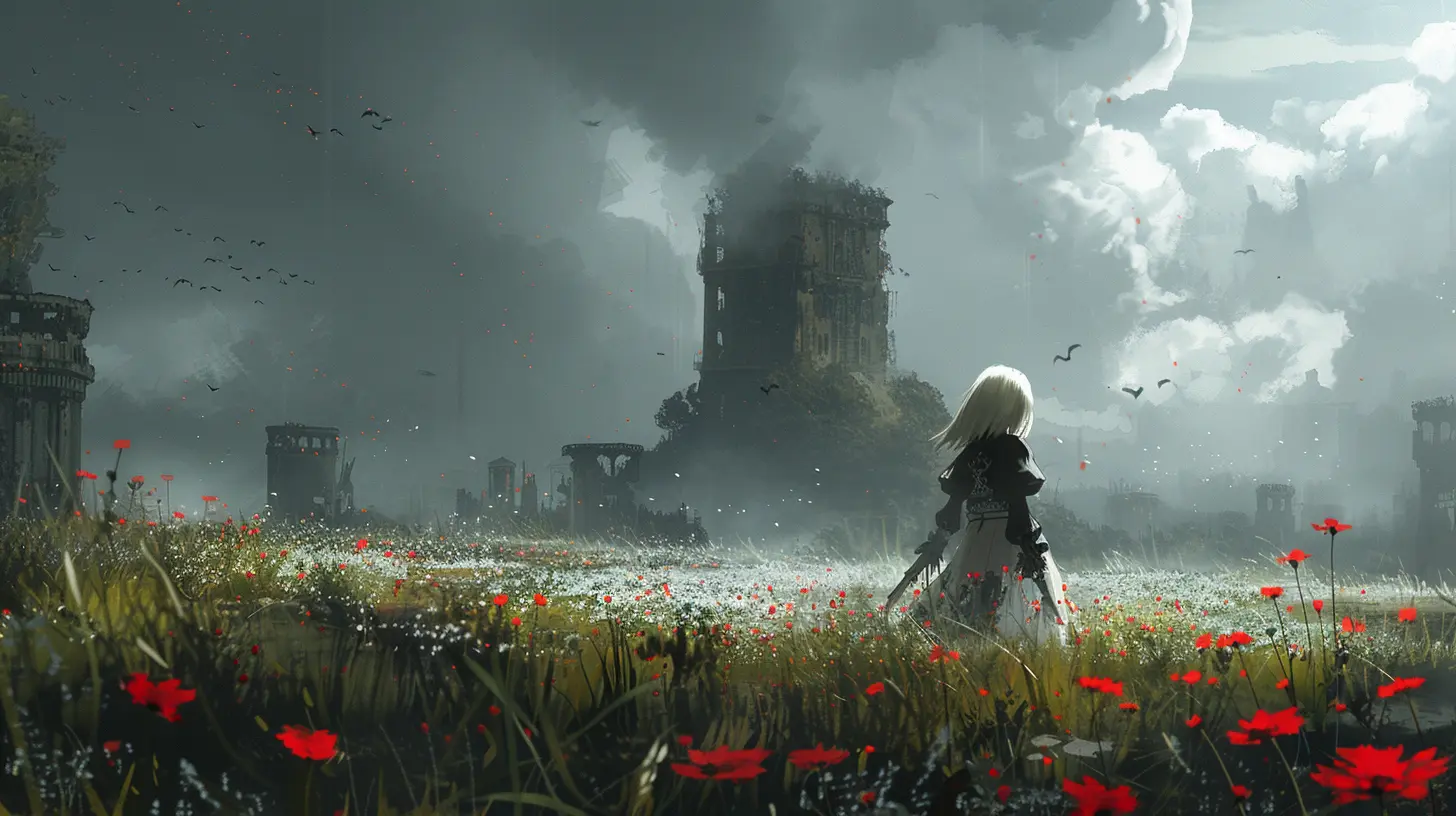
The Broken World of Nier: Automata
Before we dive into the heavy stuff, let’s set the stage. Nier: Automata takes place in a post-apocalyptic world where humanity is, well, not exactly around anymore. Machines and androids have taken center stage, waging a ceaseless war on behalf of their absent creators.On one side, you’ve got the androids, created by humans (who are chilling on the moon, apparently). On the other, there are the machines, built by alien invaders who’ve also conveniently vanished. And stuck in the middle of all this chaos is you—the player—primarily controlling androids 2B, 9S, and later, the enigmatic A2.
The game wastes no time in making it clear: this war has gone on for far too long. It’s a never-ending loop of destruction and rebirth. Sound exhausting? That’s the point. And it’s through this relentless cycle that the game starts to poke at deeper questions about war and immortality.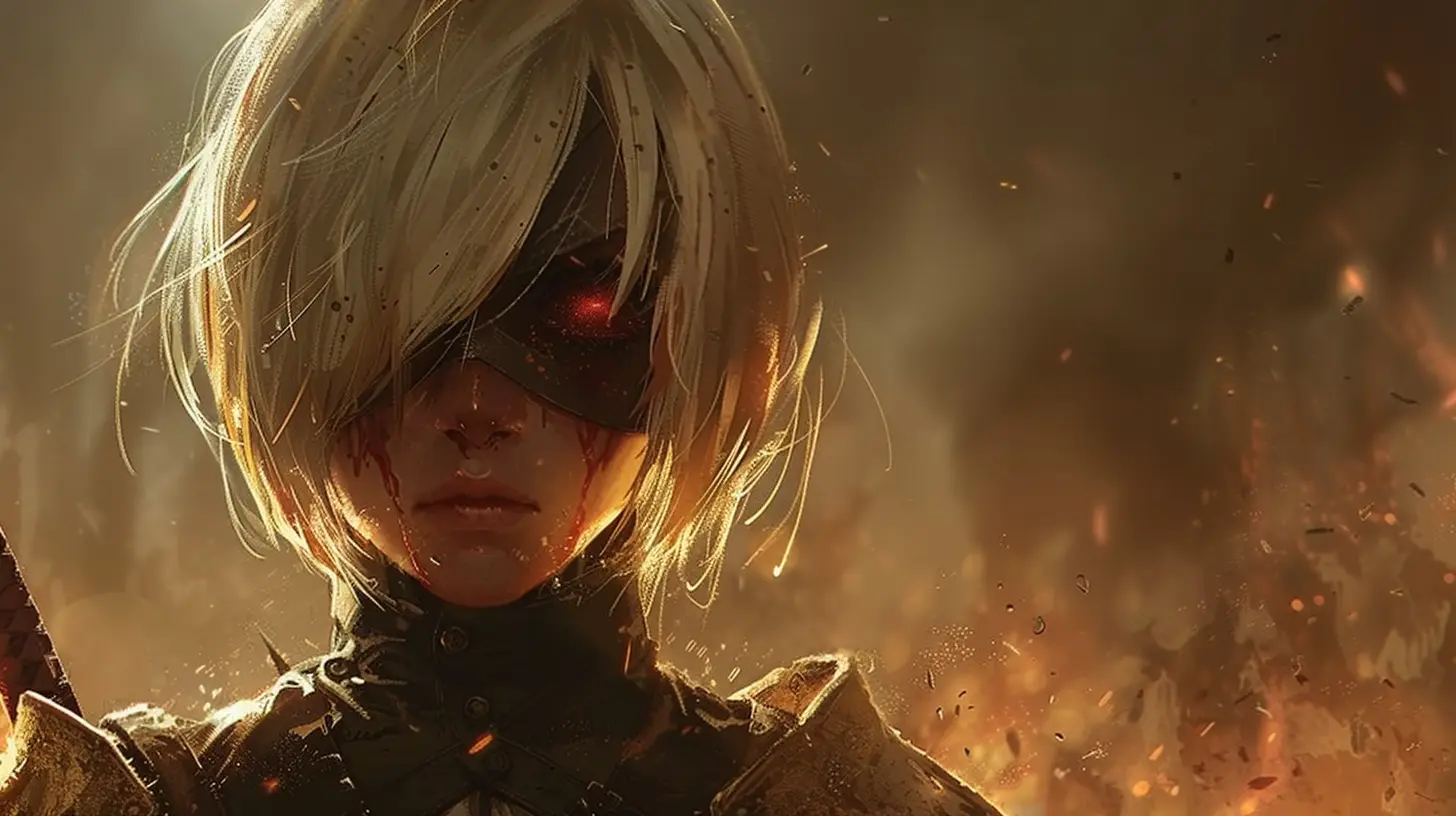
War: The Endless Struggle
The Futility of Combat
One of Nier: Automata’s key messages about war is its sheer futility, and boy, does it drive that point home. The androids and machines have been locked in this conflict for centuries. Think about that for a second: centuries of fighting, all for a cause neither side fully understands anymore.The androids fight to "protect humanity," but here’s the kicker—spoiler alert—humanity is long gone. They’ve been clinging to a lie, following orders from a now-useless system called Project YoRHa. And the machines? Well, they’ve evolved past their initial programming and are exploring complex emotions and ideologies. At this point, it feels less like a war and more like two groups swinging blindly at each other because it’s all they know.
It’s a haunting reminder of how wars in the real world can devolve into aimless conflicts, fueled by tradition, propaganda, or pride. You ever have that moment where you argue with someone, forget the original point, but keep arguing anyway? That’s Nier: Automata in a nutshell—except with lasers and existential dread.
The Psychological Toll of War
Let’s talk about 2B and 9S for a moment. These two androids are tasked with carrying out orders without question, but the game subtly (and sometimes not so subtly) shows us the cracks in their armor. 2B, for all her stoic demeanor, hides an ocean of emotion. 9S, meanwhile, oscillates between moments of curiosity and some serious mental breakdowns.War, even for these super-advanced beings, wears them down. The constant cycle of killing and dying, of forming bonds only to lose them, takes a toll. And what’s scarier? They don’t have the luxury of truly dying. Which brings us to...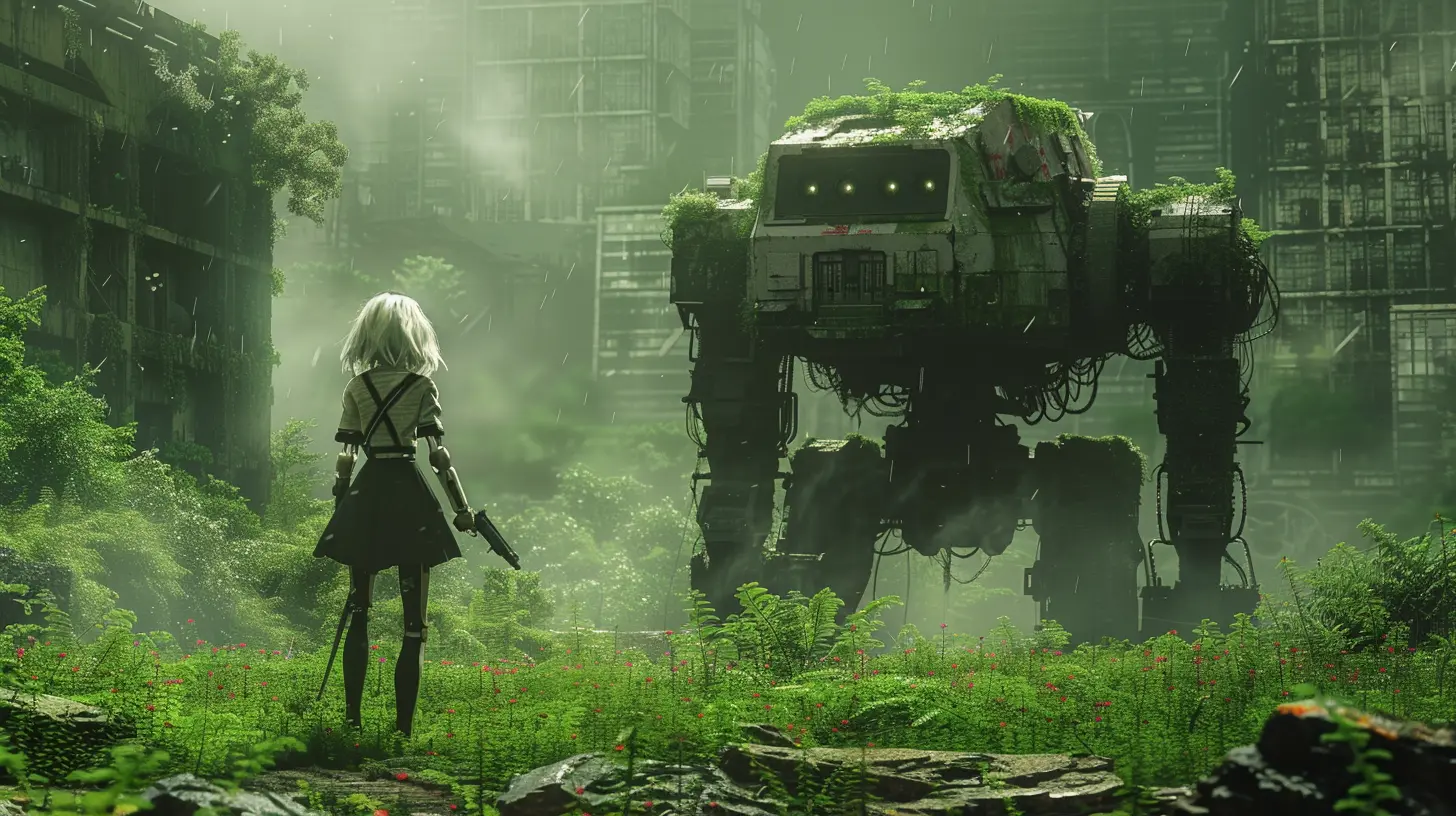
Immortality: A Double-Edged Sword
Living Forever, Dying Often
At first glance, immortality might seem like the ultimate cheat code (who doesn’t want infinite lives?), but Nier: Automata makes it crystal clear—it’s not all it’s cracked up to be. In this world, androids and machines can be brought back, their memories uploaded and restored. But here’s the catch: they remember everything.Imagine dying over and over again, only to wake up and relive the trauma. That’s the life of an android in Nier: Automata. Sure, they’re technically “alive,” but at what cost?
The game doesn’t shy away from showing how this endless existence erodes their sense of identity. 2B and 9S follow orders because that’s what they were designed to do, but deep down, they’re grappling with the futility of it all. How do you find meaning when death is just a temporary inconvenience?
The Burden of Memory
One of the game’s most heart-wrenching moments comes when characters realize that immortality doesn’t protect them—it traps them. Every loss, every mistake, and every betrayal sticks with them forever. It’s like carrying emotional baggage that you can’t ever put down.This is especially evident with 9S, who becomes consumed by anger and grief as the story progresses. His memories of past cycles, of losing 2B over and over, twist him into something unrecognizable. Immortality has robbed him of the ability to heal—and isn’t that what makes us human? The ability to move on, to find closure? Without it, they’re stuck in a loop of pain and violence. 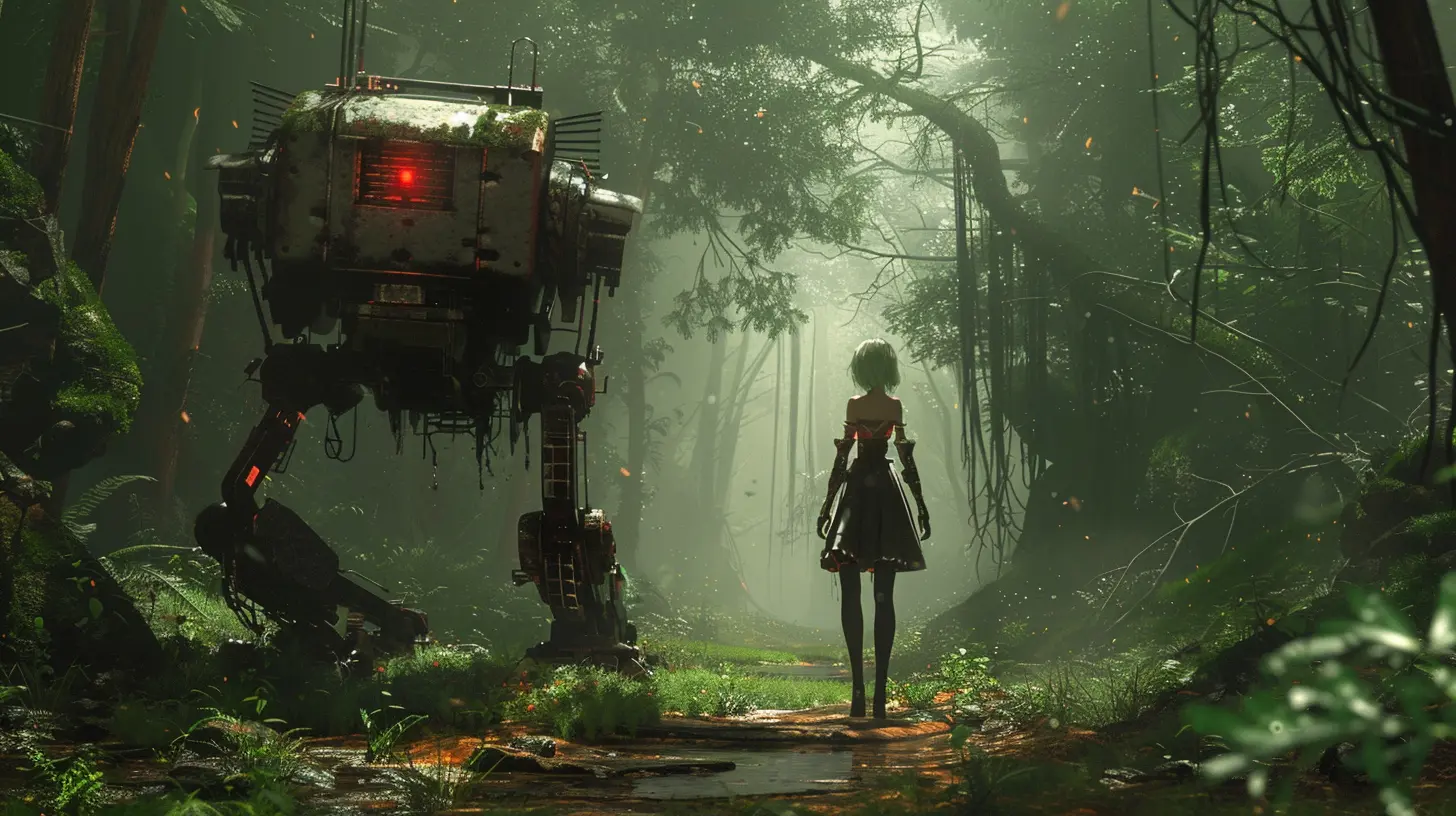
War and Immortality: A Deadly Combo
Here’s the thing: war and immortality are bad enough on their own, but when you put them together, it’s a recipe for existential disaster. Nier: Automata uses this combination to reflect some deep truths about human nature.The Search for Purpose
Both the androids and the machines are desperately searching for meaning amid the chaos. The machines experiment with philosophy, religion, and even art in an attempt to understand their existence. Meanwhile, the androids cling to their duty, even when it’s based on a lie, because it’s all they have.Sound familiar? It should. How often do we, as humans, cling to routines, beliefs, or goals to give our lives structure? Nier: Automata reminds us that the search for purpose is universal, whether you’re human, android, or a sentient machine.
Breaking the Cycle
Without giving too much away, one of the game’s most powerful messages is the idea of breaking free from the cycle. It’s not easy—in fact, it’s heartbreaking—but it’s necessary. For both the androids and machines, liberation only comes when they confront the lies they’ve been living.It’s a powerful metaphor for letting go of the past, breaking free from destructive patterns, and carving out a new path—even if it’s uncertain. And isn’t that what life is all about? Taking that leap, despite the fear?
Why Nier: Automata’s Themes Hit So Hard
So, why do war and immortality resonate so deeply in Nier: Automata? It’s because the game asks the questions we’re often too scared to confront. What’s the point of fighting if there’s no end goal? What does it mean to live forever if you can’t truly live? And most importantly, how do we find meaning in a world that often feels meaningless?Nier: Automata doesn’t give you easy answers, and that’s what makes it so special. It’s messy, it’s tragic, and it’ll probably leave you staring at your screen long after the credits roll. But hey, isn’t that the mark of a truly great game?
Final Thoughts
War and immortality might seem like abstract concepts, but Nier: Automata brings them crashing down to Earth—or, well, a post-apocalyptic version of it. Through its hauntingly beautiful story, the game forces us to question everything we think we know about life, death, and the endless struggles in between.Whether you’re a die-hard fan or a newcomer, one thing’s for sure: Nier: Automata is more than just a game. It’s a mirror, reflecting our own fears, hopes, and existential dilemmas. And sometimes, that reflection is exactly what we need.
all images in this post were generated using AI tools
Category:
Lore And StorylinesAuthor:

Stephanie Abbott
Discussion
rate this article
2 comments
Runehart Black
Great article! Nier: Automata beautifully explores the themes of war and immortality. The storytelling and character depth are truly captivating. Can't wait to dive into those philosophical questions again! Keep up the fantastic work!
December 21, 2025 at 5:00 PM
Stephanie Abbott
Thank you so much for your kind words! I'm glad you enjoyed the article and appreciate the themes in Nier: Automata. Happy exploring!
Nina Ward
“Beneath the clash of swords and the echoes of war lies a truth unbidden. What does it mean to fight when forever beckons?”
December 21, 2025 at 5:31 AM
Stephanie Abbott
This comment beautifully encapsulates the themes of Nier: Automata, highlighting the existential questions of purpose and the futility of conflict in the face of eternity. It invites reflection on the deeper meaning behind our struggles.