How Gamers Use Self-Imposed Handicaps to Stay Engaged
27 January 2026
So, you’ve beaten the final boss. The credits have rolled. You've got that sweet 100% completion and maybe even a secret ending thrown in for good measure. Now what?
Welcome to the magical world of self-imposed handicaps—where gamers look at that mountain they just climbed and say, “Let’s try it on one leg while juggling flaming swords and wearing oven mitts.”
Let’s dive into why some gamers slap themselves with extra difficulty like gluttons for punishment—and why it actually makes games way more fun.
What Is a Self-Imposed Handicap in Gaming?
A self-imposed handicap is basically when a gamer says: “Hey, I know this game was designed to be played like this—but what if I made it ridiculously harder for no reward other than bragging rights, personal growth, or chaotic laughs?”Think of it as gaming’s version of trying to eat pizza with chopsticks. Totally unnecessary. Totally hilarious. Weirdly rewarding.
Some examples include:
- Playing a shooter using only melee attacks.
- Going through an RPG without equipping armor or healing.
- Beating a racing game without brakes (Yes. People do this.).
- Doing a speedrun while blindfolded—because Jedi instincts.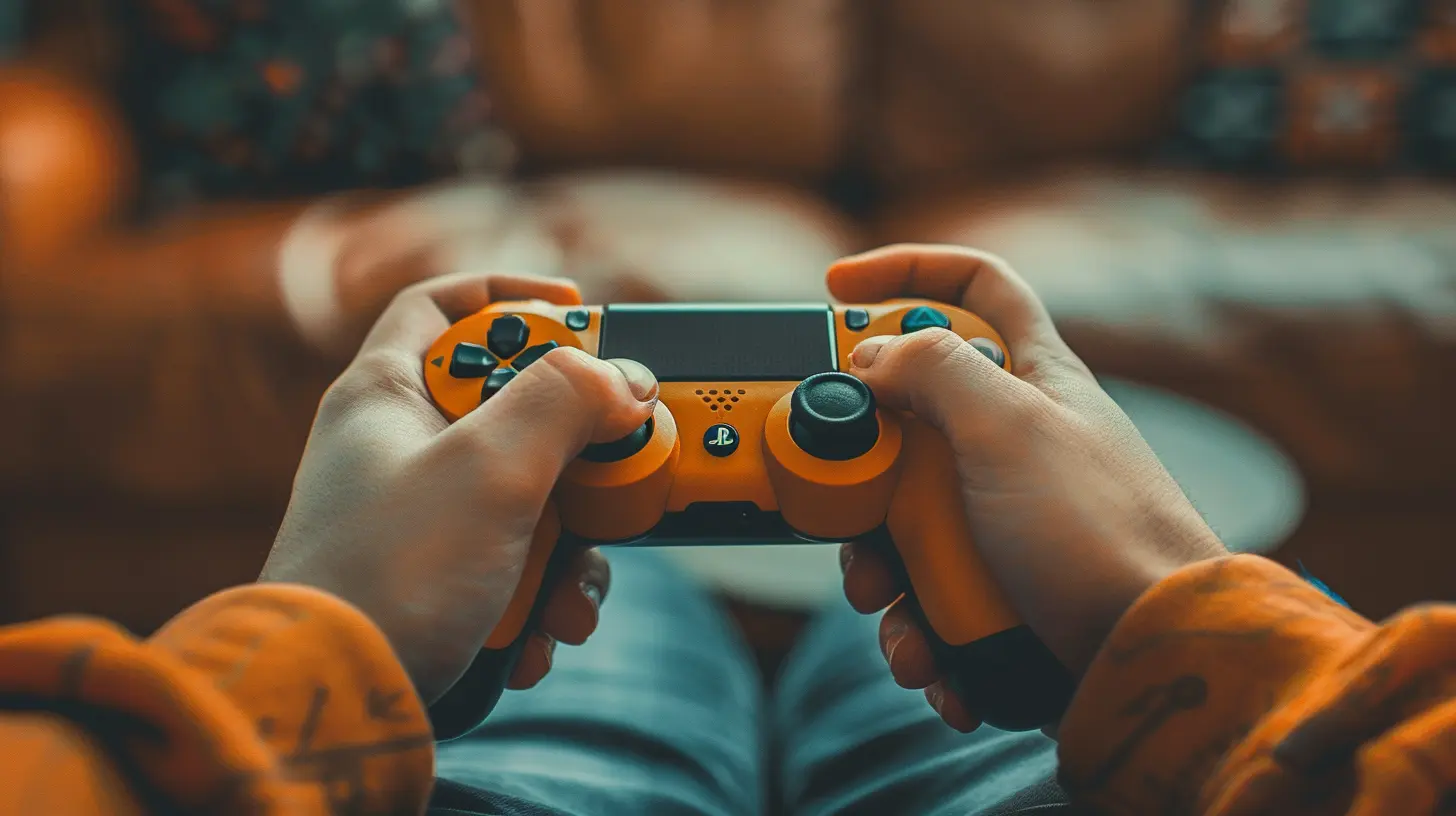
Why Do Gamers Put Themselves Through This?
You might be wondering: “Why would anyone make a game harder on purpose?” Simple.Because it’s fun. In a twisted, masochistic, dopamine-hunting kind of way.
Here’s why it works:
1. Challenge = Instant Replay Value
Okay, so picture this: You’ve played your favorite game—let’s call it “Sword Slicers 3000”—and you’ve done everything. The loot is looted. The bosses are smoldering piles of ash. The NPCs won’t stop saying “Thank you, brave warrior!”Now what?
If you’re like most of us, you crave that original rush again. Self-imposed handicaps are like turning New Game+ into "New Game... What Fresh Hell Is This?"
Suddenly a game you knew inside-out feels brand new. It's the digital version of adding hot sauce to your otherwise bland breakfast eggs. Will it make you sweat? Yes. Will you regret it? Also yes. But you’ll be back for more.
2. It Turns Boredom into Bravery
So, maybe you’ve grown numb to the game. You can beat it with your eyes closed while thinking about what to make for dinner. Yawn.Gamers who hit this wall often self-sabotage just to feel something again.
Kinda like skipping tutorial levels in life.
It keeps the gameplay fresh. You start thinking differently. Like, "How do I kill that dragon using only a frying pan?” or “Can I beat the game without jumping?” It’s a brain teaser wrapped in insanity.
3. It’s the Ultimate Flex
Let’s not forget the bragging rights.Beating a game is cool. Beating it while limiting yourself to one health point the entire time? Legendary.
Self-imposed handicaps are the gamer equivalent of doing backflips into the pool instead of just easing your way in. There’s an audience. There's flair. And there's always someone saying, “You did WHAT now?”
And yes, people absolutely notice. Especially in the streaming and speedrunning communities where showing off weird accomplishments is practically a second language.
4. It Builds Skill (Or Exposes Your Lack Thereof)
Here’s the thing—when you take away your favorite tools or advantages, you really start to understand the mechanics of a game.No armor? Suddenly you’re more aware of your positioning than ever before.
No magic spells? Time to learn how to effectively use dodge-rolls, my dude.
Handicaps force you to play smarter, not harder. Okay, maybe a little harder. But it’s like martial arts training with weighted gear. Once you take it off, you’re basically a gaming ninja.
Popular Types of Self-Imposed Handicaps
Gamers are a creative bunch. And by "creative," I mean "delightfully unhinged." Here's a look at some favorite flavors of digital masochism.The “No Hit” Run
You know that moment when you get hit by a stray enemy and mutter, “Ugh, I knew better…”Now imagine doing an entire game without taking a single hit. No damage. Zero. Zilch. Not even a papercut.
One slip and it's back to the start. It's the candlelight dinner of gaming—slow, careful, and one wrong move can ruin the whole date.
The “Permadeath” Rule
A classic. Especially common in roguelikes and hardcore RPGs.If you die, that save file? Deleted.
It’s like playing truth or dare with a digital guillotine over your virtual neck. One wrong step and it’s all over. But the adrenaline rush? Chef’s kiss.
The “Pacifist” Challenge
You’re playing a game specifically designed around combat—and you decide to become a pacifist.No weapons. No killing. No violence.
It's like being Batman in a Grand Theft Auto game. You end up solving problems with hugs, distraction tactics, or running away faster than your moral compass.
One Weapon Only
You always get that OP sword or plasma cannon eventually. But why not stick with your starting butter knife?Limiting yourself to one weapon forces you to master it. You get to know its range, timing, and quirks like it's your weird cousin at family reunions.
The “No Upgrade” Run
Upgrades? We don’t need no stinkin’ upgrades!Sure, you could add 500 health points and three new abilities, but where’s the struggle in that? Playing intentionally underpowered is like showing up to a boxing match in flip flops—you’re probably going down, but stylishly.
Famous Games That Inspire This Madness
Some games practically beg for self-imposed chaos. If you've dabbled in challenges, chances are you've tried it in one of these:🔥 Dark Souls (aka Sadness Simulator)
You haven’t lived until you’ve tried to beat “Dark Souls” with no armor, a broken sword, and a dream.The Soulsborne community thrives on suffering. From level 1 challenge runs to rolling-only fights, this game practically hosts a masochist fashion show.
🐭 Pokémon (Nuzlocke Mode)
The Nuzlocke Challenge is so infamous, it's almost a rite of passage.- If a Pokémon faints, it's dead. Sorry, Pikachu.
- You can only catch the first critter in each area.
- Nickname everything so you get emotionally attached before it dies in a heart-wrenching trainer battle.
It’s Pokémon meets “The Hunger Games” and yes, you’ll probably cry.
🕹 The Legend of Zelda: Breath of the Wild
Link already wakes up in his boxers in the middle of nowhere. So naturally, players went, “How much worse can it get?”Answer: A lot.
Whether it’s climbing the final tower with three hearts and a stick or skipping 90% of the game to fight Ganon with a soup ladle—players have done it all, and then some.
🚁 Metal Gear Solid Series
Try ghosting through the game with zero alerts. No kills. No noise. Like a slightly more lethal whisper in the wind.It turns an action game into a stealthy ballet performance. Except instead of tutus, you're in cardboard boxes.
The Joy of Optional Suffering
Here's the deal—no one's forcing these challenges. The game doesn't ask for it. The developers didn’t design it that way (usually). But that’s what makes it beautiful.It’s all about playstyle, personalization, and pushing your mental limits for the heck of it.
Gamers do it because they can. Because they're bored. Or because they want a new story to tell. The kind that starts with, “No, seriously, I beat the whole game with a fishing rod, I swear.”
Streamers & Content Creators Have Made It a Whole Genre
Let’s not forget the role of content creators. If you’ve ever been on Twitch or YouTube, you’ve probably seen:- “Dark Souls but I can’t roll or heal”
- “Skyrim but I ONLY shout”
- “Minecraft with lava floor”
- “I beat Elden Ring using a banana as a controller” (Yes, that happened.)
Gamers are turning these into full-blown entertainment acts. It’s gameplay meets performance art. Plus, the reactions are chef’s kiss.
Should You Try a Self-Imposed Handicap?
If you’re still asking “why would I do this to myself?” —hey, fair question.But here’s the thing: It’s fun. It’s memorable. It gives you a whole different perspective on a game you thought you knew.
Start small:
- Try limiting your HUD.
- Only use unusual weapons.
- Pick weird skills.
- Go full pacifist for a level or two.
Then, if the madness sets in… embrace it. Embrace the chaos. You’ll never experience your favorite games the same way again.
Final Thoughts
Gaming is all about fun. For some, that means following the rules. For others, it means intentionally breaking them like a toddler with building blocks. Self-imposed handicaps are a way to keep the fire alive, spice up the gameplay, and turn you into a legend among friends—or at least a meme-worthy hero on Reddit.So next time you’re feeling a bit “meh” about a game you've played to death, ask yourself... what if I played it with just one HP the entire time?
Go forth and suffer gloriously.
all images in this post were generated using AI tools
Category:
Game ChallengesAuthor:

Stephanie Abbott
Discussion
rate this article
2 comments
Luma O'Neal
This article explores how self-imposed handicaps enhance gamers' experiences by introducing unique challenges and fostering creativity. By intentionally restricting abilities or resources, players not only prolong gameplay but also cultivate problem-solving skills and community engagement, leading to a more fulfilling and immersive gaming journey. Great insights!
January 30, 2026 at 5:26 AM
Stephanie Abbott
Thank you for your thoughtful comment! I'm glad you found the insights on self-imposed handicaps in gaming engaging. They truly do enrich the experience in unique ways!
Ingrid McKibben
Self-imposed handicaps enhance challenge and engagement.
January 29, 2026 at 5:36 AM
Stephanie Abbott
Thank you! Self-imposed handicaps can definitely add depth and excitement to gameplay, pushing players to improve and stay engaged.