Early Access Title Dominates Streaming Platforms
8 March 2026
It’s always exciting when an underdog rises to the top, right? That’s exactly what’s happening in the world of video games right now. A fresh-faced early access title—yes, a game that’s technically unfinished—is absolutely steamrolling its way through Twitch, YouTube, Kick, and other major streaming platforms. It’s stealing the spotlight from established franchises, and players can’t stop talking about it.
So what gives? Why is an unfinished game pulling more viewers than some triple-A titles that had multi-million dollar marketing campaigns? Let’s dive into this phenomenon and unpack what’s really going on behind the scenes.
What Is Early Access Again?
Before we jump into the nitty-gritty, let’s make sure we’re on the same page.Early access games are playable versions of a title still in development. They aren’t the final product—far from it. But they’re available for purchase and play, often as a way for developers to raise funds, gather feedback, and iterate in real-time based on player input.
Think of it like being invited to a restaurant where the chef is still inventing the recipes. You’re tasting the menu while it's still being written. Sure, there might be a few “raw” moments, but there’s also the thrill of tasting something new before anyone else.
The Allure of the Underdog
Gamers (and streamers) LOVE a good comeback story. There’s something about watching an unknown title climb the ranks that makes us feel like we’re part of something special. Like we’re in on a secret before it goes mainstream.That’s a big piece of why early access titles often blow up—not because they’re perfect, but because they’re fresh, exciting, and full of potential. Viewers tune in not just to watch gameplay, but to witness history in the making.
And when that underdog suddenly starts collecting clips, fan art, and viral moments? Forget about it. It’s game over for the competition.

Streamers Are Always Looking for the Next Big Thing
Let’s be real: no one wants to stream the same old stuff every day.Professional content creators are always on the hunt for something new, something spicy, something that’ll grab attention. Early access games offer that rare combo of unpredictability and hype. That makes them GOLD for streamers.
Unlike long-running franchises where everyone knows what to expect, early access titles are full of surprises. New updates drop regularly. Mechanics change on the fly. Bugs turn into features. And yes, the occasional chaos keeps viewers entertained.
Streamers thrive in environments where they can be the first to showcase something cool. They want their audience to see THEM discovering hidden gems—not just following the crowd.
Viewers Love Watching “Work in Progress” Chaos
Ever watched a streamer glitch through a wall and end up in an unreleased area of the map? Or break the game entirely in the most hilarious way possible?That’s part of the magic of early access.
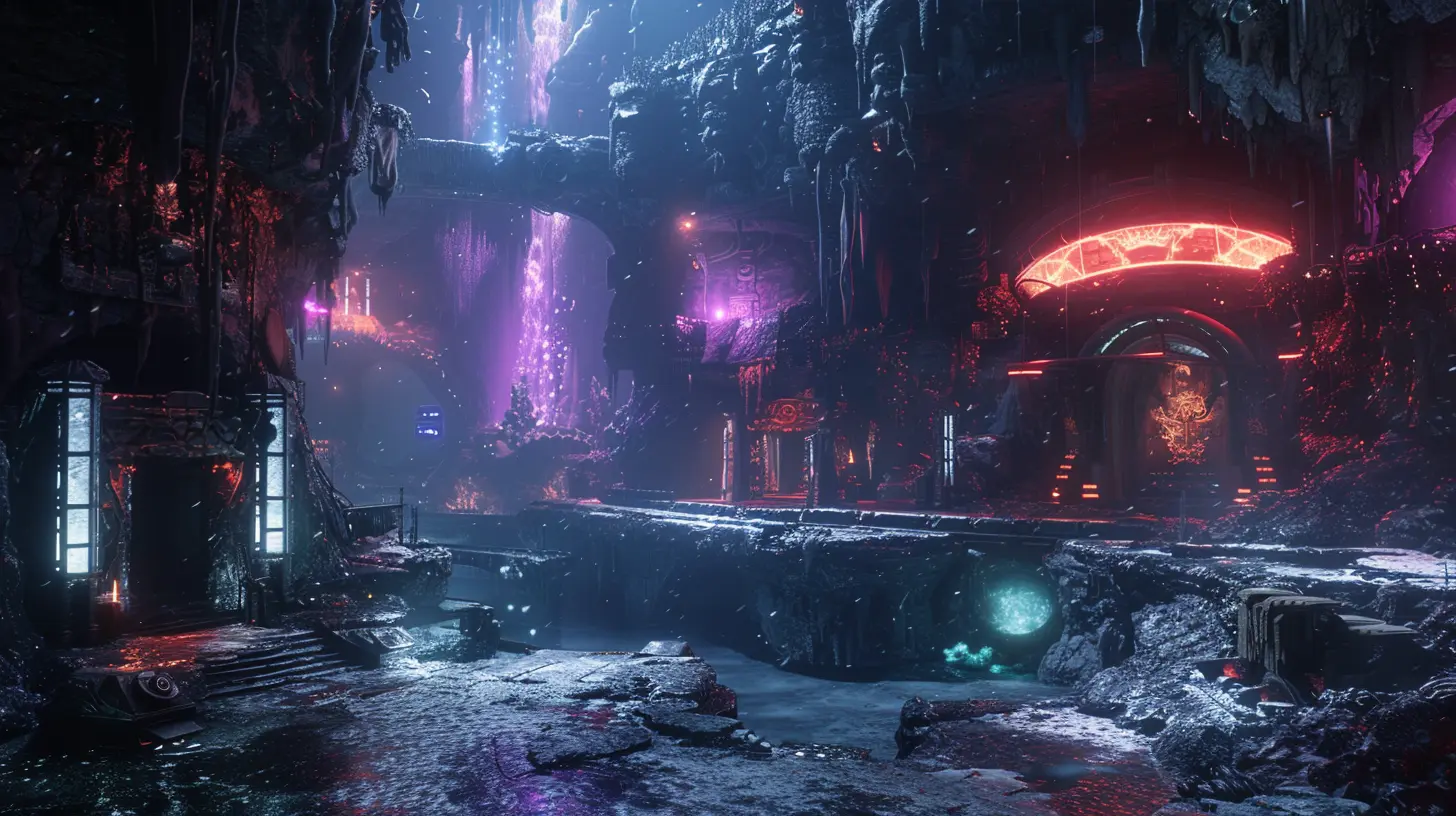
Viewers aren’t always after polished perfection. Sometimes, they want raw, unfiltered, “what-the-heck-just-happened" moments. And early access games are full of them. Sure, there are bugs. But those bugs often turn into meme-worthy clips that flood social media and turbocharge a game’s popularity.
People love the improv comedy that comes from unexpected mechanics or weird AI behavior. It’s like watching live theater where anything can happen—and often does.
The Role of Community in Early Access Success
One of the most underrated aspects of early access titles is the sense of community they build. And it’s not just about the players. Streamers, modders, Discord members, and even the devs themselves form this giant digital potluck where everyone brings something to the table.There's a deep sense of belonging in discovering a game that feels like it's yours. A game that isn’t controlled by a major studio's PR machine but shaped by the people actually playing it.
Watching a streamer suggest an idea, and then seeing that idea come to life in a future update? That’s impactful. It makes players and viewers feel invested in the game’s journey.
Hype: The Fuel That Keeps the Fire Burning
Let’s not ignore the giant elephant on the stream—hype.When something starts trending, it’s like a snowball rolling downhill. One big-name streamer tries a game, then another jumps on board. Soon enough, it’s on the front page of Twitch. Then YouTube reacts. Next thing you know, casual players are buying in just to see what the fuss is about.
Throw in some juicy patch notes, a few content drops, and maybe even some drama? That's a full-course viral marketing meal—served hot.
Hype doesn’t always stick around, but when it does? It turns an early access title into a cultural moment.
Real-Time Development Keeps Content Fresh
Another huge advantage for early access games is the rolling updates. While bigger studios might release DLCs or expansions every few months, early access titles sometimes push updates weekly.That means streamers always have something new to explore. Whether it’s a new map, mode, weapon, or even just quality-of-life changes, each update brings fresh content that keeps both creators and viewers engaged.
The developers become part of the show. Their devlogs, patch previews, and roadmap teasers get scrutinized and discussed just like trailers for Marvel movies.
Accessibility and Price Point Play a Role Too
Let’s talk dollars and common sense for a sec.Most early access games are CHEAPER than full-priced releases. That lower entry barrier means more people can afford to hop in and give it a try. Especially in times where gamers are more conscious of spending, a $20 game that provides dozens (or even hundreds) of hours of entertainment feels like a steal.
That price point also helps broaden the audience. You get a mix of casual players, indie fans, hardcore grinders, and everyone in between—all generating buzz in their circles.
Plus, many of these games aren’t resource hogs. So even folks with older rigs or budget builds can play, stream, and share without needing to upgrade their entire setup.
The Battle for Viewership Is Changing
We’re at a point where some early access games are pulling in bigger numbers than games with billion-dollar legacies. That’s wild, right?Think about it. A few developers in their garage can now compete with global studios. All it takes is a great idea, solid mechanics, and the right timing.
In this new digital landscape, attention is currency. And early access titles are minting it faster than some of the so-called "industry leaders."
Whether it’s survival, roguelikes, cozy sims, or PvP brawlers, every genre has had a surprise hit in early access form. And these games are challenging the way success is measured in the industry.
Am I Saying All Early Access Titles Are Great?
Whoa, not at all.Let’s pump the brakes for a moment.
Not every early access game deserves a victory lap. Some launch in barely playable conditions. Others promise the moon and vanish after cashing in. It's a bit of a Wild West out there.
But the ones that do it right? That strike the balance between ambition and community? Those games are creating not just entertainment—but experiences that evolve, adapt, and grow with their audience.
That’s what’s leading them to dominate the streaming charts. It's not just hype. It’s connection.
So, What Can We Learn From This?
If you’re a developer, the lesson is pretty crystal clear: listen to your players.Transparency, regular updates, and real community engagement can turn a humble indie game into a streaming powerhouse. Treat your players like co-creators, and they’ll turn your title into something bigger than you ever imagined.
If you’re a gamer or a viewer? Keep your eyes peeled. The next legendary gaming experience might not be coming from a billion-dollar studio—but from someone's basement.
That’s the beauty of early access. It’s raw, risky, and real.
And when it hits? Man, it hits hard.
Wrapping It Up
There’s something intensely satisfying about watching an early access title dominate streaming platforms. It’s like rooting for the new kid who just nailed a slam dunk in front of the whole school.It’s proof that creativity, community, and timing can sometimes outshine money and marketing. And it shows that, more than ever, gamers want to be part of something real, something changing, something alive.
So next time you see a streamer playing some weird, buggy game you’ve never heard of—maybe don’t scroll past. That might just be the next big thing.
all images in this post were generated using AI tools
Category:
Gaming News UpdatesAuthor:

Stephanie Abbott
Discussion
rate this article
2 comments
Daisy Palmer
Early access rule: gamers crave innovation!
March 11, 2026 at 6:14 PM
Stephanie Abbott
Absolutely! Early access fosters creativity and lets gamers experience new ideas firsthand, fueling their desire for innovation.
Reagan Bass
Wow, it’s amazing to see how an Early Access game can capture the hearts of so many! It’s like watching a new favorite band before they hit the big time. Can’t wait to see how it evolves—definitely adding it to my watchlist!
March 10, 2026 at 4:26 PM
Stephanie Abbott
Glad you feel that way! It's exciting to see how these games grow and connect with players. Thanks for adding it to your watchlist!