How Life is Strange Redefines the Meaning of Choice in Storytelling
3 May 2026
If you've ever played Life is Strange, chances are you've walked away with your mind spinning, heart racing, and maybe even a tear or two rolling down your cheek. This isn't just a game; it’s an emotional rollercoaster wrapped in a beautifully crafted world. But what makes it so special? Two words: meaningful choices. Life is Strange doesn’t just ask players to make decisions. It makes you feel those decisions. Let’s dive into how this groundbreaking series redefines the art of storytelling through the power of choice.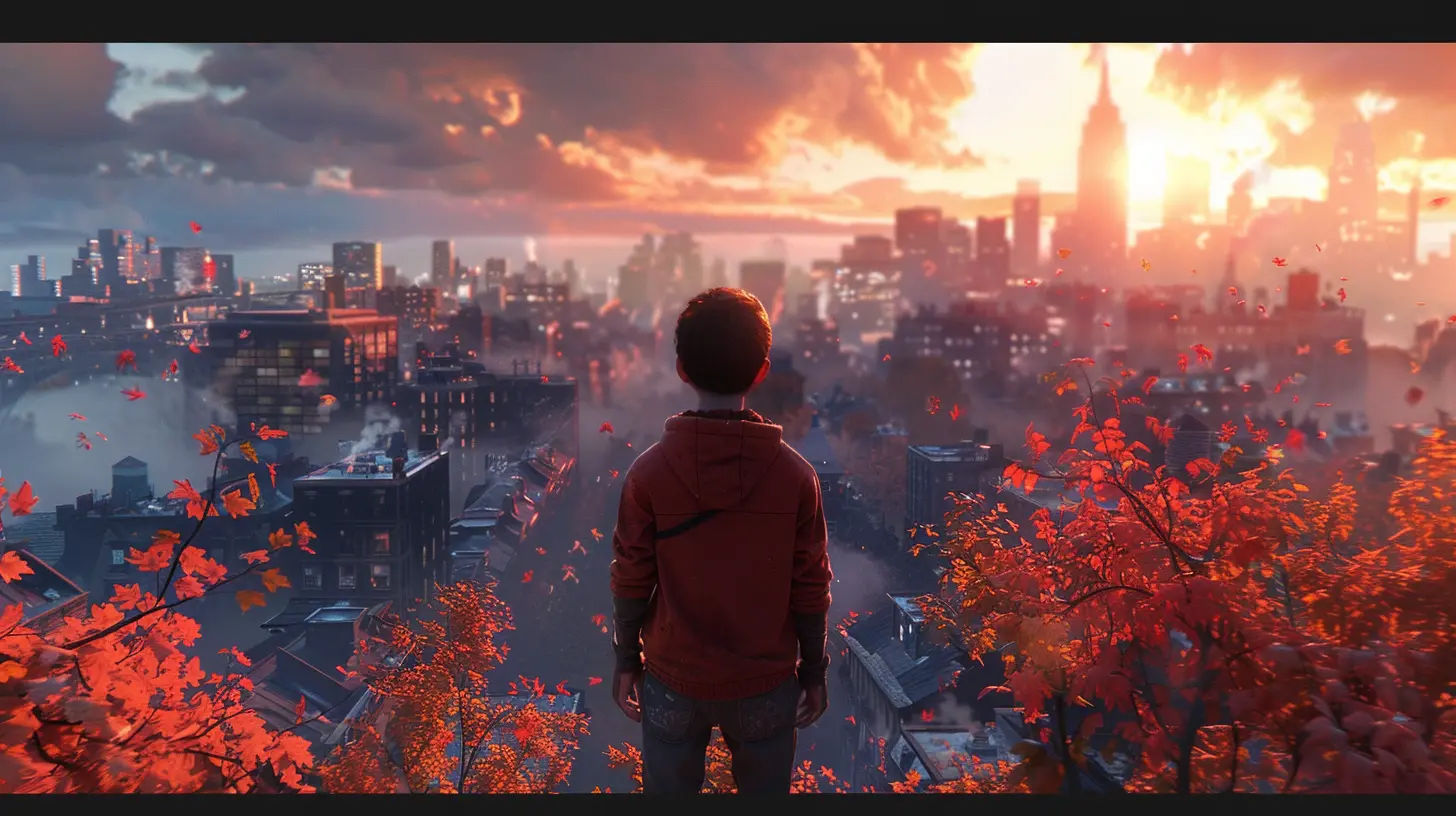
The Choice-Driven Narrative: More Than Yes or No
In many games, choices feel like a decoration. You pick Option A or Option B, and the outcome is predictable—it’s like flipping a coin. Life is Strange flips this concept on its head. Every choice you make feels like a ripple in a pond, sending waves through the lives of its emotionally-rich characters.And the game doesn’t stop to tell you, “Hey, you just made a big decision!” Instead, you’re left wondering: Did I just ruin someone’s life? Or did I save it? It’s this uncertainty that makes Life is Strange so immersive. It’s not just about saving the world or becoming a hero (although there are moments of that, too). It’s about living through the consequences of your actions, good or bad.
Unlike other games where choices are more like a checklist, Life is Strange has this ability to make even the smallest decision feel monumental. Deciding whether to water a plant or answer a text might seem trivial, but in this universe, every little thing matters.
The Butterfly Effect: A Storytelling Masterpiece
Ever heard of the butterfly effect? The idea is that one small action can lead to massive consequences down the road. Life is Strange runs with this concept and takes it to staggering heights.Take the first installment of the series, for example. You play as Max Caulfield, a teenager who discovers she can rewind time. Cool, right? At first, it’s all fun and games as you use your newfound powers to make life a little easier (we’ve all wished for a redo button). But soon, the weight of your power becomes clear.
A seemingly innocent decision—like rewinding time to answer a teacher’s question correctly—can spiral into a chain of events that changes everything. And when I say everything, I mean it. The game doesn’t shy away from showing both the positive and devastating consequences of your actions.
One moment, you’re comforting a friend; the next, you’re questioning if your choices led to tragedy. It’s like playing chess, but every move feels so intense because you're not just moving a piece—you’re altering lives.
Characters You Can’t Let Go Of
Let’s be real—tons of games have branching narratives these days. But what makes Life is Strange stand out? It’s the characters. These aren’t your cookie-cutter protagonists or sidekicks. They’re flawed, complex, and oh-so-human. The game makes you care about them. A lot.Chloe Price, for instance, is your rebellious best friend in the first game. She’s reckless, impulsive, and deeply vulnerable—a whirlwind of emotions that you just can’t ignore. Watching her navigate her struggles while leaning on Max feels raw and real.
Then there's Kate Marsh, a soft-spoken student dealing with unrelenting bullying. Making choices for Kate doesn’t feel like a game mechanic; it feels like a moral responsibility. When she’s in crisis, the pressure to “say the right thing” is nerve-wracking. It’s like you’re not just playing for yourself—you’re playing for Kate.
And that’s the magic of Life is Strange. It doesn’t just tell you a story. It puts you in the driver’s seat of these characters’ lives, and the emotional connection runs deep.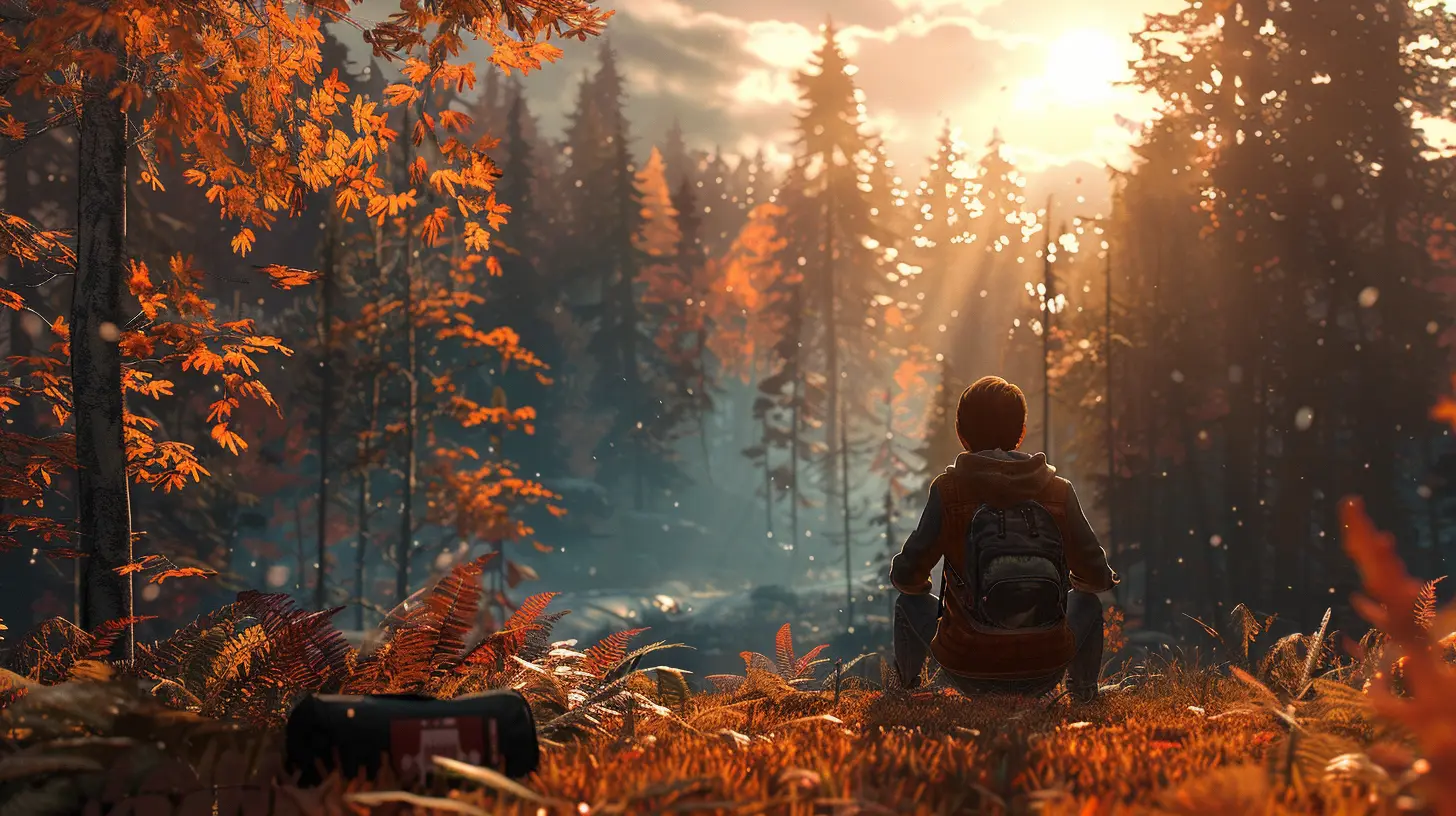
Real-World Themes and Tough Choices
One thing Life is Strange does better than most games is tackle real-world issues. The series isn’t afraid to dive into topics like mental health, bullying, grief, and even the complexities of personal identity.These aren’t just token themes thrown in for brownie points. The storytelling is handled with care and nuance. For example, in the first game, Kate’s story about cyberbullying and its effects hits hard. It forces players to confront an all-too-common reality in today’s world.
And the choices? They’re not always black and white. You don’t get a clear “good” or “bad” option. Instead, you get shades of grey, and sometimes, you’re left picking the lesser of two evils. It’s messy, just like real life.
This focus on complex, relatable issues gives the game a maturity that’s rare in the gaming world. It’s not about being entertained—it’s about being moved. It’s about walking away with more questions than answers, which is exactly what great storytelling should do.
Emotional Consequences: Why Players Keep Coming Back
Let’s talk about the aftermath of your choices. A lot of games wrap things up in a neat little bow. Not Life is Strange. This game is like that friend who tells you the hard truth, even when it hurts.Remember the choice at the end of the first game? (Don’t worry, no spoilers here.) It’s a gut-wrenching moment where you’re forced to prioritize what matters most: personal happiness or the greater good. There’s no “right” answer, and no matter what you choose, you’ll feel the weight of it.
These emotional consequences stick with you long after you put the controller down. I mean, who hasn’t stared out the window post-game, questioning where they went wrong? It’s the kind of storytelling that leaves a mark.
The series also doesn’t shy away from second-guessing. Characters might call you out on your decisions, and sometimes, they’ll surprise you in ways that make you rethink everything you thought you knew. It’s like Life is Strange is holding up a mirror, asking, “Are you sure you did the right thing?”
Choices That Matter, Stories That Stick
At its core, Life is Strange redefines choice by making it personal. It’s not about picking a dialogue option and moving on. It’s about living with the fallout of your decisions and forming an emotional bond with the story.This series takes the concept of player agency to a whole new level. It doesn’t just say, “Hey, your choices matter.” It proves it—through heartbreak, joy, and everything in between. It’s a game that challenges you, not just as a player, but as a person.
So, the next time you’re in the mood for a game that makes you think, cry, and question your very existence, give Life is Strange a shot. Just don’t forget to grab some tissues—you’re going to need them.
all images in this post were generated using AI tools
Category:
Lore And StorylinesAuthor:

Stephanie Abbott
Discussion
rate this article
2 comments
Karly Bennett
This article beautifully captures how Life is Strange innovates storytelling through choice. The game's unique approach not only impacts the characters' journeys but also resonates with players on a personal level. It's fascinating to see how such decisions can shape our understanding of consequences and relationships. Great read!
June 11, 2026 at 5:06 PM
Stephanie Abbott
Thank you for your thoughtful comment! I'm glad you connected with how the game explores choice and its impact on storytelling. It really makes us reflect on our own decisions, doesn't it?
Tamsin McAnally
Life is Strange brilliantly captures the weight of choices, showing how even small decisions can lead to profound consequences and emotional depth.
May 10, 2026 at 3:21 PM
Stephanie Abbott
I completely agree. The game's focus on choices makes every moment feel significant, drawing players into its emotional landscape. It's a powerful experience that lingers long after playing.