The Future of Monetization in Virtual Reality Games
28 March 2026
Virtual Reality (VR) gaming feels like stepping into the future, doesn’t it? You put on that headset and, boom—bam!—you’re transported from your boring living room to a dragon-infested castle, a neon-lit dance floor, or maybe even outer space. But while the fun is obvious, let’s talk business. Because behind every slashing sword and teleportation portal, there's a real-world question swirling in the background: how the heck is all this getting paid for?
Welcome to the rabbit hole of the future of monetization in virtual reality games. Buckle up—it’s about to get weird, wacky, and wallet-friendly (or unfriendly, depending on your spending habits).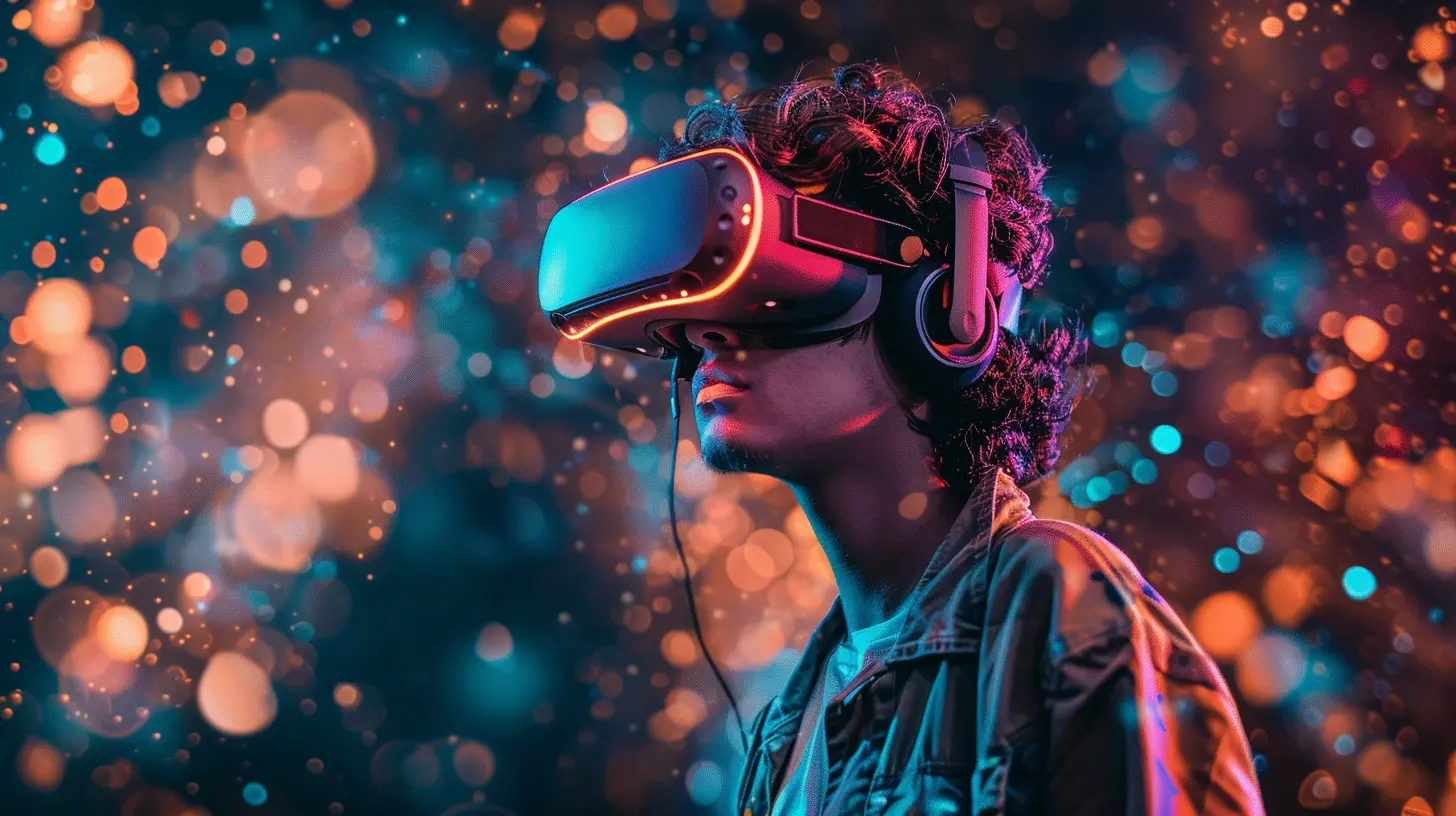
The VR Gold Rush: Where We Are Now
Let’s be real—VR hasn’t quite taken over the world... yet. But with giants like Meta (formerly Facebook), Sony, and HTC pumping billions into the space, it’s only a matter of (virtual) time. As of now, VR games make money through:- Upfront purchases (you know, the good old "buy the game and play it" model)
- DLCs (Downloadable Content for extra goodies)
- In-game purchases (virtual hats, anyone?)
These are tried-and-tested ways to squeeze some digital juice out of the juicy VR orange. But here’s the kicker: these methods are mostly leftovers from traditional gaming. The VR landscape? It’s craving a fresh approach—a monetization model that doesn’t just survive, but thrives in an immersive world.
Why Monetization in VR Needs a Makeover
Alright, imagine this: you’re in a VR fantasy realm, mid-battle with a fire-breathing hydra, and suddenly, a floating pop-up ad for toothpaste appears. BOOM—immersion = dead. That's the problem. VR is immersive. Traditional ads and clunky monetization methods? Not so much.That means developers and marketers have to think outside the box. No more cookie-cutter strategies. We're talking about building money-making systems that gel with the virtual experience—and not ruin it.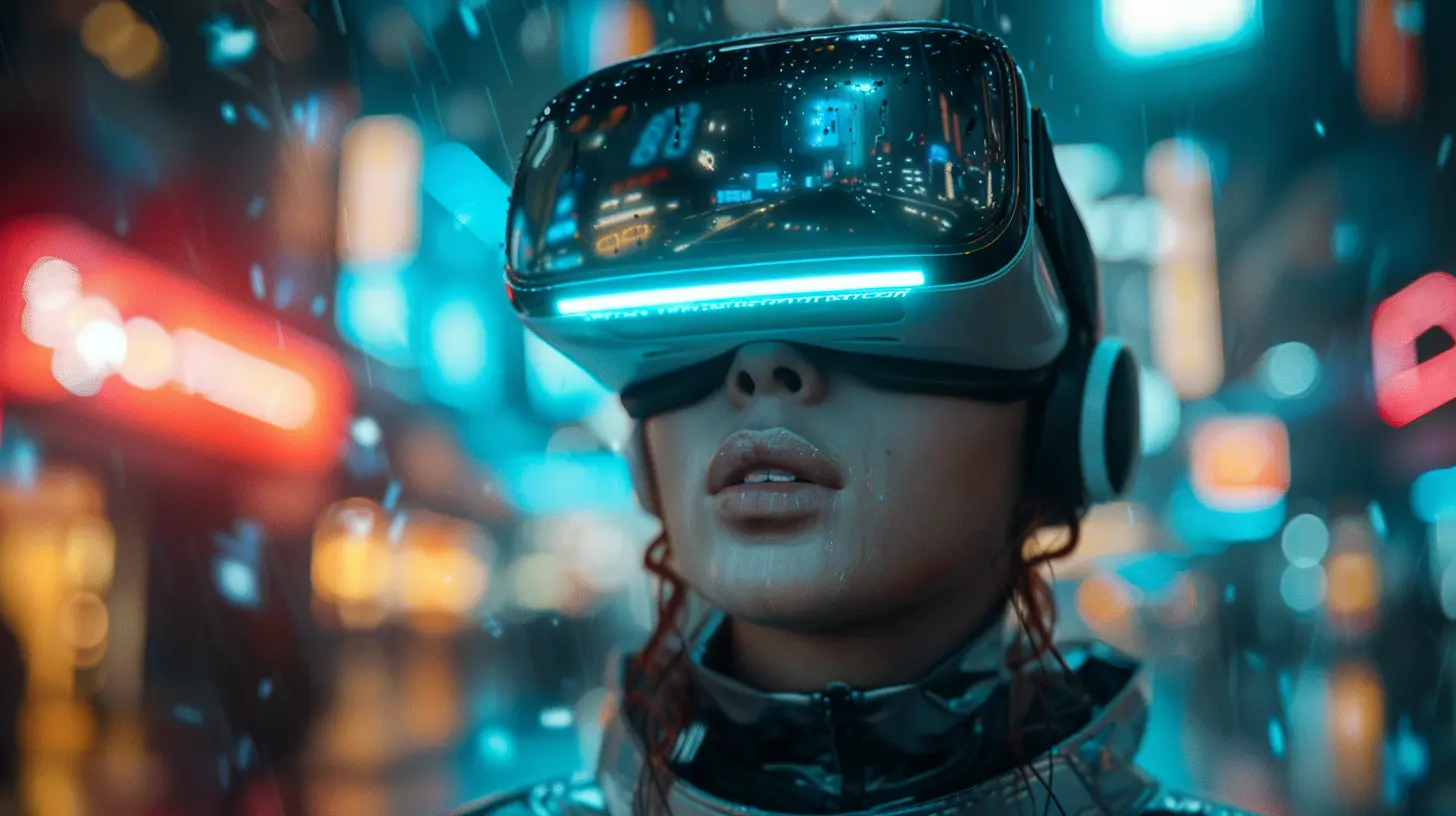
Subscription Models: Netflix-ing Your VR Fix
Let’s face it, we live in the age of subscriptions. Why own something when you can just rent it forever? (Yay, capitalism!)VR platforms are dipping their toes into this with all-you-can-play monthly options. Think of it like Xbox Game Pass… but with dragons, laser swords, and full-body motion tracking.
Great examples:
- HTC Viveport Infinity
- Oculus’ Meta Quest+ (think VR Spotify—but instead of music, it's zombie apocalypses)
This model gives players access to a wide library without breaking the bank, and developers get a steady stream of income. Win-win? Almost. But there’s a catch: smaller devs may not earn as much unless their games are front and center.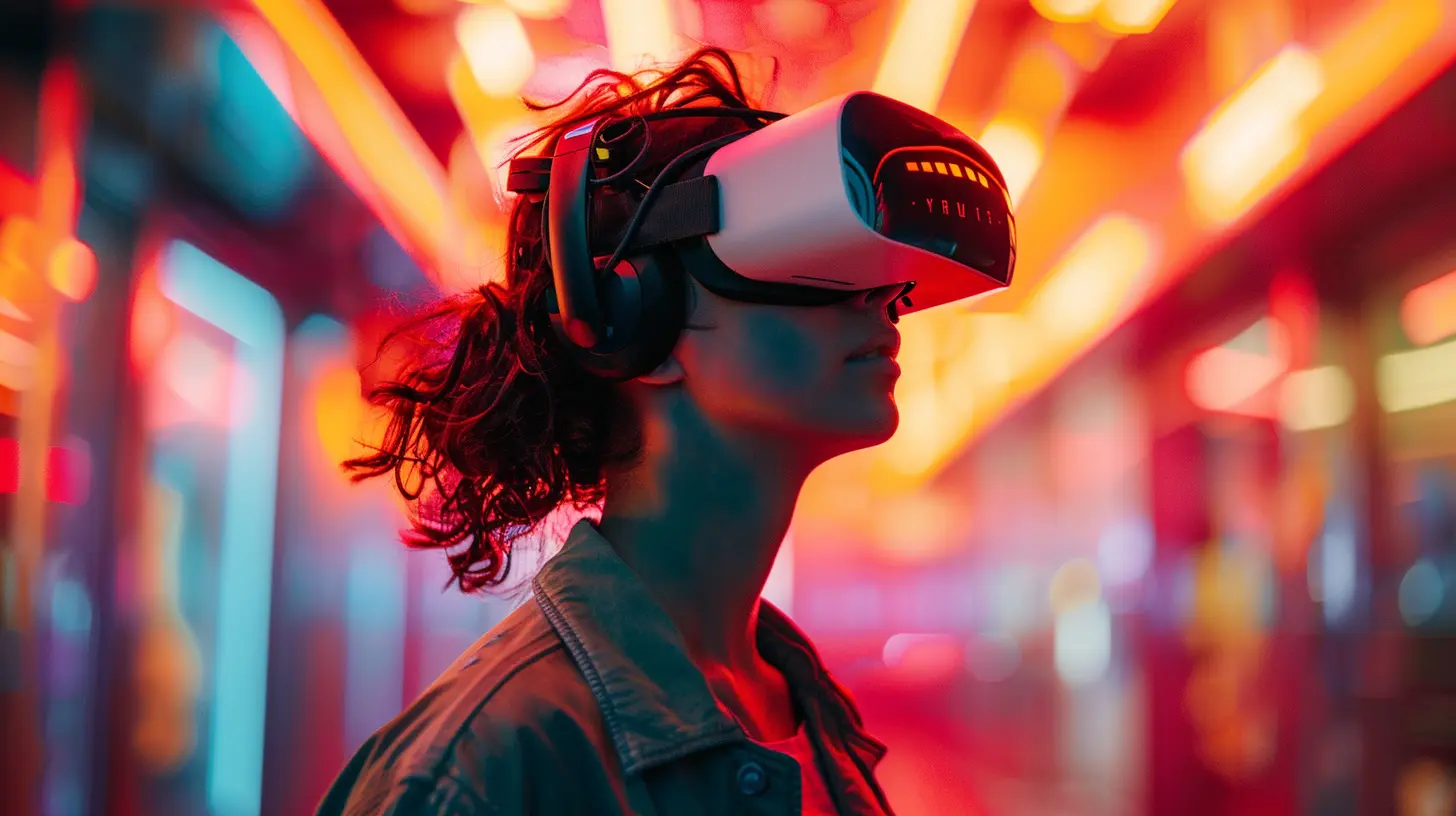
Microtransactions… with a Side of Ethics
Ah yes, microtransactions—the double espresso of the gaming world. Tiny, potent, and sometimes way too addictive.In VR, the game-changers are:
- Custom avatars outfits (because a wizard in sweatpants is just sad)
- Cosmetic gear
- New dances, weapons, and skins
It’s all fun and games until people start dropping $500 on sword skins.
But here’s the deal: in VR, you’re not just buying a skin. You’re buying an experience. And that makes microtransactions way more… tempting. Developers can cash in big—but they’ve got to balance it ethically. Nobody wants to turn into a dystopian version of Ready Player One where you're drowning in ads while trying to dodge lasers.
Non-Intrusive Advertising: Because No One Likes a Virtual Billboard
Okay, we all hate ads. But what if they were... subtle? What if they blended into the game world?Enter non-intrusive advertising. Imagine this:
- Virtual drinks in a sci-fi nightclub with real-world branding
- Billboards in a VR racing game showing ads for actual cars
- Branded clothing that your avatar wears
It’s clever, right? Instead of screaming “BUY THIS,” they whisper, “Hey... nice hoodie. Wanna buy it in real life?” It’s immersive, it’s seamless, and most importantly, it doesn’t yank you out of the story.
The Power of Virtual Economies
Here’s where it gets wild: some VR platforms are turning into full-blown economies.Take VRChat or Rec Room, for example. Players create rooms, items, even games—and then sell them. It’s like eBay met Minecraft and had a VR baby.
These user-driven economies mean:
- Developers can profit from user-generated content (UGC)
- Players feel invested (financially and emotionally)
- The in-game currency can actually translate to real-world value
This model isn't just about playing games—it's about building worlds and businesses inside them. We're not far from a future where your VR side-hustle pays your rent.
NFTs and Blockchain: The Buzzwords You Love to Hate
Alright, take a breath. We’re going there.Let’s talk NFTs and blockchain. Before your eyes roll out of your head, hear me out: in theory, they could be a game-changer.
Imagine owning a rare sword in a VR game—like, really owning it. It’s tied to you, the blockchain verifies it, and you can sell, trade, or showcase it. It's like collecting Pokémon cards but with dragons and authenticity certificates.
Pros:
- True digital ownership
- Items can travel across games (eventually)
- Create actual scarcity
Cons:
- Environmental concerns (blockchain = energy hog)
- Overhype and scams everywhere
- Some players just don’t care about digital ownership
The jury’s still out, but if implemented right—and ethically—NFTs could morph into a powerful monetization tool in VR.
Brand Collaborations: The Marvel Cinematic Universe of VR?
Crossovers are marketing gold. We’re seeing games collaborate with Marvel, Star Wars, and even fashion brands. But imagine VR takes this up a notch.You walk into a VR event hosted by Nike. There's a virtual fashion show, exclusive merch drops, and guess what? You can buy the digital sneakers and the real ones—straight from within the game.
This is next-level marketing and monetization. It blurs the line between game and store. And if you thought Fortnite concerts were big, just wait until Travis Scott performs in full VR.
Crowdfunding & Early Access: Letting Players Pay to Build the Game
An oldie but a goodie. Platforms like Kickstarter still work because gamers love being part of the creative process.In VR, early access lets players:
- Fund games during development
- Give feedback to shape the final product
- Feel emotionally attached (and financially invested)
It’s not a new strategy, but in VR’s experimental world, this model fits like a glove—especially when devs are taking risks with new mechanics or storylines. You’re not just playing VR, you’re helping create it.
The Rise of the Metaverse: Subscriptions Inside Subscriptions?
Yeah, we had to bring it up—the big scary M-word.The Metaverse is shaping up to be the VR super-universe where games, work, shopping, and socializing collide. Think of it like The Sims, but with a dash of Mark Zuckerberg, a sprinkle of capitalism, and a mountain of potential.
In this space, monetization gets even juicier:
- Subscription-based living (rent your virtual apartment?)
- Pay-to-attend events (virtual Coachella, anyone?)
- Jobs inside the virtual world (moderator? DJ? Space cowboy?)
It’s a whole economy waiting to happen—and games will fuel a huge chunk of that revenue.
Game Monetization in VR: The Good, The Bad, and The Meta
So, where does VR gaming monetization land on the scale of “awesome” to “oh no, not this again”?Honestly? It's a mixed bag. There's incredible potential for creators to make money in thoughtful, immersive ways. But there’s also a slippery slope into pay-to-win models or drowning players in flashy, immersion-killing ads.
The future will belong to the devs who can blend monetization into the VR world—not slap it on like a sticky note.
Final Thoughts: What’s Next for Your Wallet in VR?
In the end, the future of monetization in virtual reality games might not be one thing—it could be everything. Subscription models, microtransactions, NFTs, VR concerts, branded content, user-created economies… they're all playing a part in the next generation of gaming.And if you’re a gamer? Buckle up. Your wallet’s about to go on its own virtual adventure.
all images in this post were generated using AI tools
Category:
Game MonetizationAuthor:

Stephanie Abbott
Discussion
rate this article
2 comments
Mindy Spencer
Ah, the future of monetization in VR—because why enjoy a fantastic, immersive experience when you can pay extra for virtual hats and magic wands? Can't wait to break the bank!
April 7, 2026 at 5:15 PM
Stephanie Abbott
I get your point! Balancing monetization with genuine experiences is crucial. Let's hope developers find ways to enhance enjoyment without going overboard on costs.
Nixie Collins
Exciting times ahead for VR gaming! Embracing innovative monetization models will not only enhance player experiences but also open new avenues for creativity and engagement in this immersive world.
April 4, 2026 at 2:57 PM
Stephanie Abbott
Thank you! I completely agree—innovative monetization will truly reshape the VR gaming landscape, fostering creativity and deeper player engagement. Exciting times indeed!