How Co Op Games Strengthen Real-Life Relationships
14 May 2026
Let’s be real — life is better when you’ve got someone to go on epic adventures with. Whether it’s storming castles, surviving zombie apocalypses, or just building a cozy farm together, co-op games have a magical way of bringing people closer. But what’s really wild? These virtual tag-teams don’t just stay in-game. They can seriously level-up your real-world relationships too.
In this post, we’re diving deep into how co-op games strengthen real-life relationships—romantic, platonic, or family bonds. So grab your favorite player-two and let’s get into it!
What Are Co-Op Games, Anyway?
Before we go full gamer mode, let’s define our terms. Co-op (short for cooperative) games are video games designed for two or more players to work together towards a common goal. Unlike competitive multiplayer games where you’re trying to dominate your friends, co-op games thrive on collaboration.Think of classics like:
- Overcooked! (Culinary chaos with friends? Yes, please.)
- It Takes Two (A cinematic adventure built for relationship growth)
- Minecraft (Build, explore, survive—together)
- Left 4 Dead (Because a zombie horde is too much for one person)
These games aren’t just entertaining—they require teamwork, communication, patience, and a good sense of humor. Kind of like life, huh?
The Power of Shared Goals
Ever noticed how accomplishing something as a team makes it feel ten times more epic? That’s the power of shared goals, and co-op games are built around them.Achieving Together = Bonding Stronger
Whether you're crafting a mega-base in Valheim or finally beating that impossible boss in Dark Souls coop, you and your partner-in-crime are going through the highs and lows together. That shared sense of victory (and sometimes defeat) builds emotional connection.It’s like couples who cook together or friends who train for marathons—the shared struggle followed by a win creates lasting bonds. Only instead of sweating it out in the kitchen, you're dodging fireballs like digital ninjas.
Communication: Leveling Up One Conversation at a Time
Real talk—nothing tests your communication skills faster than trying to coordinate a plan in the middle of a chaotic co-op mission."No, You Cover Me!" — The Communication Dance
You quickly learn to express yourself clearly and listen like your survival depends on it (because it usually does). Whether it's calling out enemy positions or figuring out who needs to grab the health kit, these quick-fire conversations train you to communicate better in real life too.Playing co-op with your significant other or best friend teaches you how to:
- Give instructions without sounding bossy
- Handle misunderstandings without rage-quitting
- Laugh off mistakes, instead of blaming each other
All of which? Total relationship gold.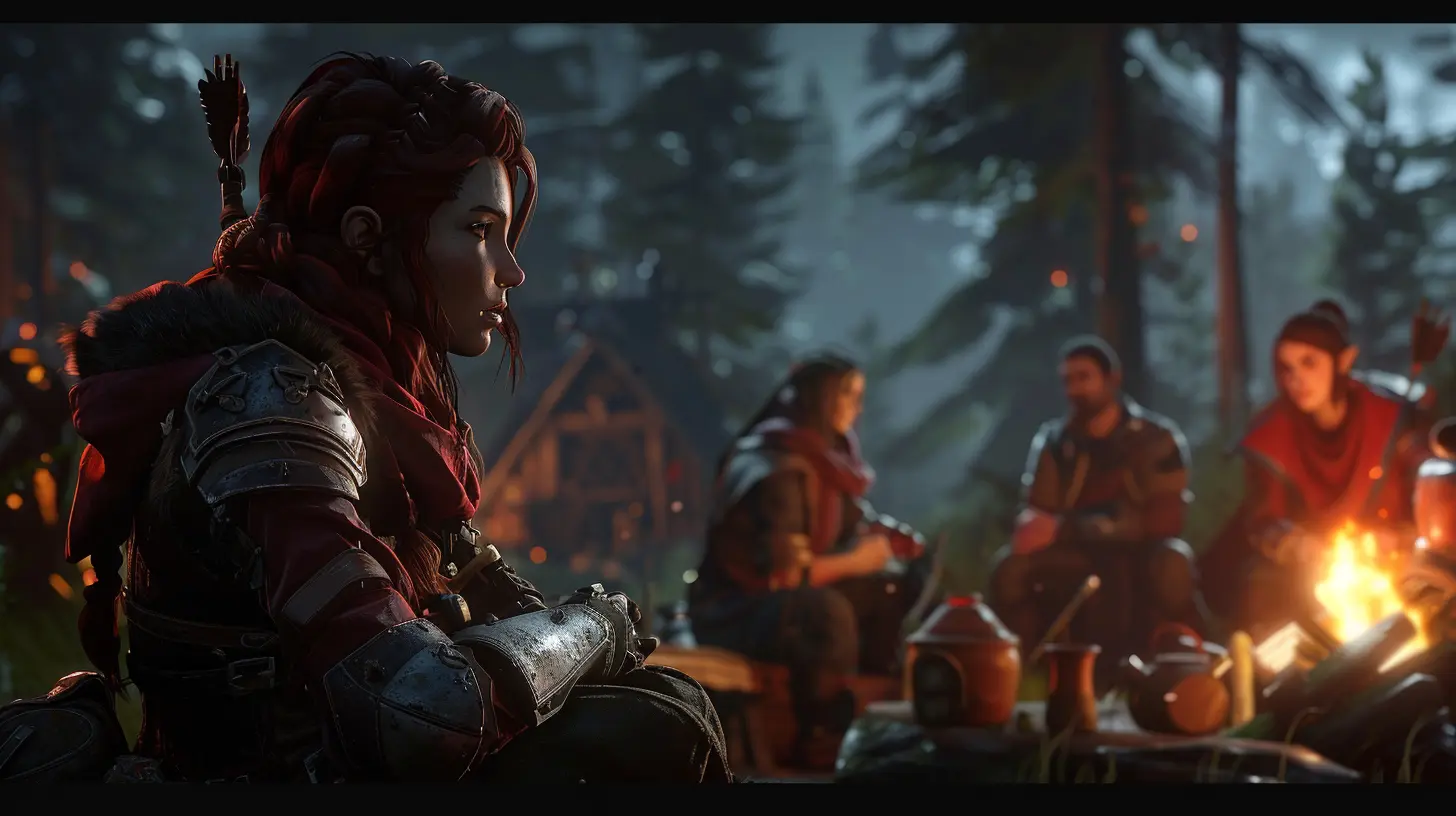
Developing Trust and Dependability
What’s better than knowing someone’s got your back—even if it's in the middle of a pixelated alien invasion?Relying on Each Other = Emotional Security
There’s a beautiful kind of trust that grows when you know someone won’t let you fall (or at least try to revive you once you do). Co-op games foster this sense of mutual support and reliability. You start to see your gaming partner as someone who keeps their word, stays calm under pressure, and doesn’t bail when things get tough.That translates to real-life situations too. You might not be saving them from zombies IRL, but you’ll be quicker to offer help with moving apartments or facing tough days.
Learning Patience Through Repetition (And Respawns)
Let’s be honest: some levels take forever to beat. And when your partner keeps messing up the same jump over and over… well, that’s where patience gets tested.Frustration Becomes Forgiveness
One of the best things co-op games teach you is that mistakes are part of the process. You start to recognize that everyone learns differently and at different paces. Patience stops being a virtue and becomes a necessity.You learn to say, “It’s okay, we’ll get it next time,” rather than, “Why do you keep messing up?!” And this tolerance? It naturally rolls over into real-life situations—like navigating disagreements, forgiving flaws, or just dealing with daily stress together.
Strengthening Long-Distance Relationships
Missing someone sucks. Being miles away from your best friend, partner, or cousin doesn’t make the connection disappear—but it can make it feel distant.Co-Op Games = Virtual Hangouts That Actually Matter
The beauty of online co-op games is that they bridge that gap. Gaming together becomes your weekly (or daily) ritual where real conversations can flow. It’s like hanging out on a virtual couch.You laugh, strategize, catch up between missions… sometimes even more genuinely than just texting or calling. It gives your bond a structure—a reason to check in, to do something together, even when apart.
Conflict Resolution: Practice Without the Consequences
Not all co-op runs are smooth sailing. Sometimes you argue. Maybe someone is hogging all the loot, or maybe someone keeps charging in like Rambo when you agreed to sneak. Ugh.Fight, Learn, Improve, Repeat
The beauty? Co-op games let you mess up, argue, and then fix it—without ruining the relationship. You practice real-life conflict resolution in a low-stakes environment. You both learn what works, what doesn’t, and how to adjust your behavior for better teamwork.It’s like emotional sandbox mode.
Creating Memorable Experiences Together
Ever have an inside joke from a game? A moment that just sticks?- “Remember that time we got chased by chickens in Zelda?”
- “We really blew up the kitchen in Overcooked, huh?”
- “That boss glitched and we fell through the map—I was laughing for hours!”
Memories That Last a Lifetime
These moments become the stories you retell just like vacations or road trips. They reinforce your bond through laughter, nostalgia, and shared experiences. Every co-op game is a co-authored story—one where you both had a part to play.Building Empathy by Sharing Perspectives
You might be a pro at first-person shooters. Your friend might gravitate toward puzzle games. When you play co-op titles, you often take on different roles—healer, tank, scavenger, etc.Walking In Their Shoes (Or Pixels)
This role-switching builds empathy. You see what they’re good at, what stresses them out, and how they approach challenges. That kind of mutual respect is key in any relationship.You learn to appreciate each other’s strengths and fill in for weaknesses. Isn't that the foundation of any great duo?
Encouraging Healthy Competition and Growth
Don't confuse cooperation with lack of challenge. Co-op games are often full of stats, leaderboards, and ways to optimize your performance.Pushing Each Other To Be Better
When done right, friendly in-game competition drives you to improve without resentment. You learn from each other’s play styles. You celebrate each other’s wins. It’s the sweet spot between rivalry and encouragement—just like some of the best real-life relationships.The Safe Space To Be Yourself
In a co-op game, you're not in a crowded bar or a formal event. You're comfy, often at home, and fully immersed in doing something fun.Vulnerability in the Digital World
There’s a surprising amount of vulnerability when you're being yourself in a game—laughing when you mess up, showing enthusiasm, or even expressing frustration. When you have a partner who still supports you through that, the connection deepens.Over time, this safety to be your authentic self transfers into your real-world relationship.
Co-Op Gaming: Not Just for Gamers
You don’t need to be a "gamer" to enjoy the benefits.Plenty of casual games (like Stardew Valley, Animal Crossing online play, or even mobile co-op games) are easy to pick up and wildly fun to share. These games lower the barrier to entry, making it easier to connect with family members, partners, or friends who might not usually play.
Nothing beats seeing your mom build her first Minecraft house or watching your partner get overly competitive in Mario Kart (yes, we still count that as co-op-ish fun).
Final Thoughts: Press Start on a Stronger Bond
When you think about it, co-op games are kind of like the digital version of couple’s therapy or friendship bootcamp—only way more fun.They teach you how to:
- Communicate better
- Solve problems together
- Support and trust one another
- Share wins and grow through failures
Whether you’re trying to reconnect with your partner, keep in touch with old friends, or just want a stronger bond with your siblings, co-op games are a surprisingly awesome tool.
So, what are you waiting for? Grab a controller, mic up, and press start on building better relationships one mission at a time.
all images in this post were generated using AI tools
Category:
Best Co Op GamesAuthor:

Stephanie Abbott
Discussion
rate this article
2 comments
Destiny Lynch
Co-op games bring friends closer together!
July 12, 2026 at 4:01 AM
Stephanie Abbott
Absolutely! Co-op games create shared experiences that foster teamwork and bonding.
Zarev Ramirez
Co-op games really do bring people together. They create shared experiences that strengthen bonds, improve communication, and teach teamwork. Playing together can deepen friendships and make lasting memories.
May 25, 2026 at 4:41 PM
Stephanie Abbott
Absolutely! Co-op games foster collaboration, making every victory and challenge a shared memory that enhances relationships.