How Puzzle Games Help Build Problem-Solving Skills
19 June 2026
Have you ever found yourself stuck on a level of a puzzle game, trying different angles, failing a few times, and then—bam—it all clicks, and you solve it? That tiny "a-ha" moment? Yeah, that’s more powerful than you might think. It’s not just about winning the level—it’s about building something much deeper in your brain.
Puzzle games aren’t just fun, they’re little brain gyms. Just like your muscles get stronger with each rep, your mind sharpens with every puzzle you solve. Whether it's Sudoku, a classic jigsaw piece-by-piece marathon, or the vibrant chaos of something like Candy Crush, puzzle games shape the way we think.
Let’s dive into how puzzle games mold problem-solving skills, step by step—and brick by brick.
What Are Puzzle Games, Really?
Let’s set the stage. Puzzle games are a genre designed to test your logic, pattern recognition, sequence solving, and sometimes even lateral thinking. They range from traditional crosswords and Rubik’s cubes to modern digital games like The Witness, Portal, or Monument Valley.These games often don’t require fast reflexes or violent takedowns—they rely on your brain power. You’re not pressing buttons wildly. You’re pausing, thinking, adjusting your strategy. And that’s the magic.
Why Problem-Solving Is A Big Deal
Before we jump into how puzzle games help, let’s talk about what problem-solving actually is.Problem-solving is the ability to find solutions to difficult or complex issues. It’s not just about fixing what's broken—it's also about thinking ahead, spotting problems before they happen, and evaluating the best path forward. It’s basically life’s cheat code.
From deciding what to cook for dinner with limited ingredients, to debugging code at work, or figuring out how to afford that vacation next summer—problem-solving is at the core of how we navigate the world.
So, how do puzzle games help with that? Let's break it down.
1. Puzzle Games Train Your Brain to See Patterns
Have you ever noticed how, after playing enough of a puzzle game, your brain starts spotting patterns almost automatically?Whether it's lining up gems in Bejeweled or figuring out your next move in Tetris, your brain becomes wired to recognize shapes, sequences, and similarities. Recognizing patterns is a cornerstone of problem-solving. It helps us make predictions, link ideas, and understand systems.
And guess what? The more you practice with puzzles, the quicker and more intuitive this skill becomes.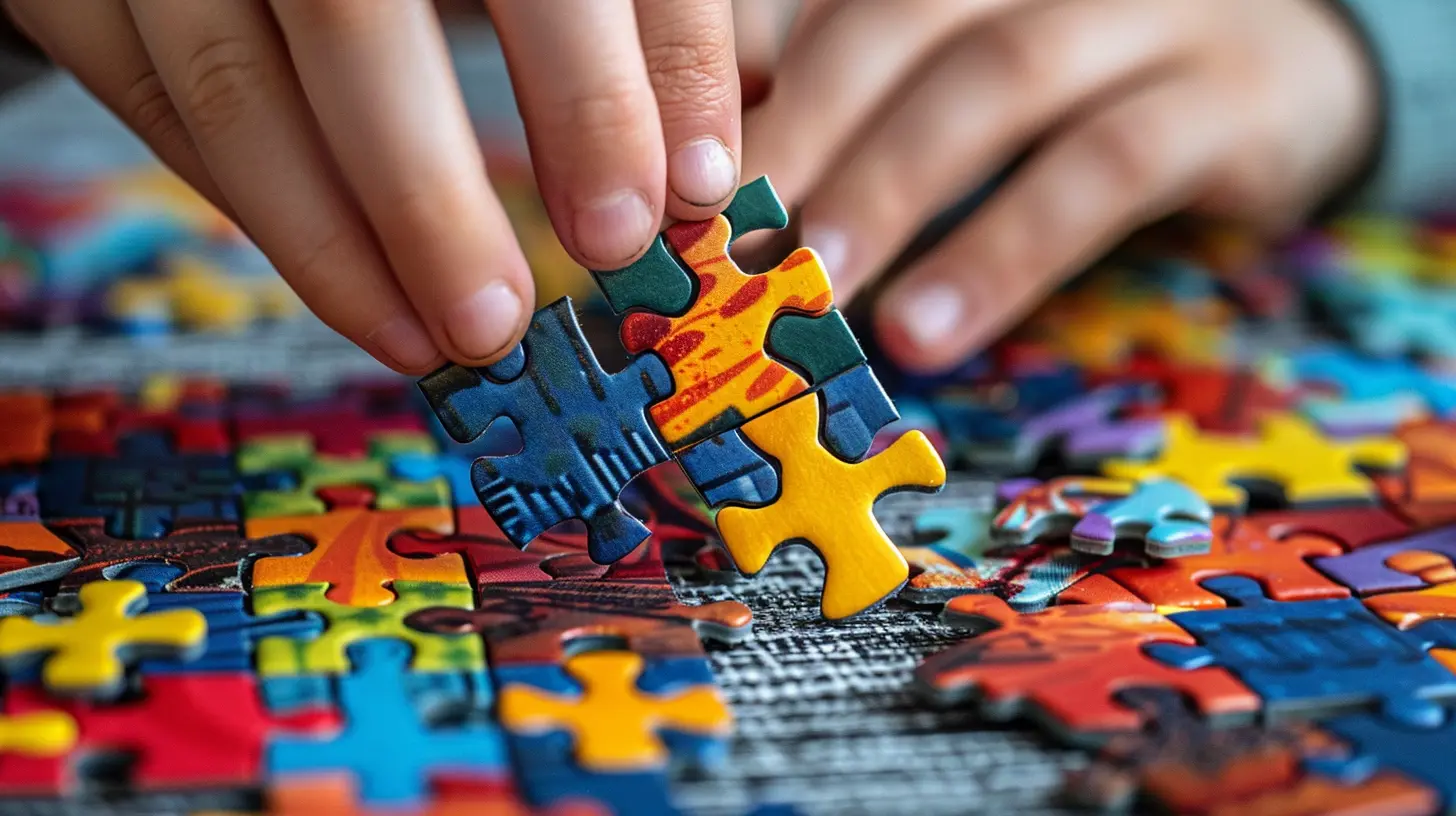
2. They Teach You How to Break Down Big Problems
You know that overwhelming feeling when you face a huge task? That "Where do I even begin?" moment? Puzzle games teach you not to panic.Take a complex jigsaw puzzle. You don’t just stare at the mess of pieces and hope they fit. You form a plan: edges first, group by color, work section by section.
Translating that to real life, puzzle gameplay builds the ability to break down large problems into smaller, doable chunks. It’s like eating a pizza—slice by slice, not in one monstrous bite.
3. Failure Is Part of the Game
Let’s be honest—how fun would puzzle games be if you never failed? Not very.One of the best things about puzzles is that they encourage you to fail safely. You try, fail, adjust, and try again. It's literally how the game is meant to be played.
That process builds resilience. It rewires your response to failure. Instead of frustration, you start seeing failure as feedback. That shift right there? That’s a game-changer in life.
4. They Help Boost Your Focus and Attention to Detail
Ever played a puzzle game with just one piece missing and felt your eye twitching? Or tried to solve a math puzzle where one wrong calculation ruins everything?Puzzle games demand attention. You can't breeze through them. You need to see what others might miss, notice the tiny differences, and measure every move.
This trains your brain to lock in, stay focused, and care about the details. That kind of concentration is a superpower in real-world problem-solving, whether you're proofreading a document or fixing something around the house.
5. Strategic Thinking Gets a Serious Workout
Not all puzzles are straightforward. Some throw curveballs. Think chess puzzles, logic riddles, or games like Professor Layton.These types force you to think several steps ahead. You’re not just solving the problem—you’re planning for what comes after. It’s like mental chess, and your brain is the grandmaster in training.
Over time, puzzle games help you develop the ability to forecast outcomes, weigh different options, and choose the smartest path. That’s real-life strategy at its finest.
6. They Improve Your Working Memory
Working memory is the mental sticky note you use to store and work with information for short periods—like remembering the rules of a puzzle while trying to solve it.Games like Sudoku or Minesweeper make you hold details in your mind while working through multiple steps. You’re constantly updating, discarding, and rearranging bits of information.
This boosts cognitive flexibility and makes you better at juggling multiple elements of a problem—something that’s incredibly useful in day-to-day problem-solving.
7. Creative Thinking Is Encouraged
Some puzzles ask you to think outside the box—literally and metaphorically. Think of escape rooms or experimental indie puzzle games like Baba Is You, where rules can change within the game world.These games challenge the idea that there's only one right way to do something. In real-life problem-solving, creativity often leads to the best solutions.
Puzzle games train your brain to consider "What if?"—a question that opens up endless possibilities.
8. They Encourage Systematic Thinking
In puzzle games, especially ones with complex mechanics like The Talos Principle, the key to success is often a methodical, systematic approach.You learn to test one variable at a time, change elements deliberately, and keep track of what works or fails.
This type of structured thinking is exactly what's needed in problem-solving scenarios that are technical or data-heavy—like coding, engineering, or troubleshooting tech issues.
9. Multitasking and Time Management? Yep!
Real-time puzzle games like Overcooked or time-bound logic puzzles teach you to manage multiple tasks at once—under pressure.You’re solving problems while the clock’s ticking, juggling several variables, evaluating priorities. It’s like a brain boot camp.
These games simulate real-world pressure in a fun way, which helps you stay calm and effective when you’re dealing with actual real-world stress.
It’s Not Just for Kids—Adults Benefit Big Time
People often think puzzle games are mainly for kids. Honestly? Adults might need them even more.As we get older, keeping our minds sharp becomes crucial. Puzzle games aren't just entertainment—think of them as mental vitamins. They stimulate brain regions linked to memory, critical thinking, and executive function.
So next time you’re playing a puzzle game during your coffee break, don’t feel guilty. You’re literally upgrading your brain.
Bonus: Puzzle Games Are Low-Stress Learning
Let’s face it, learning a new skill can be intimidating. No one likes feeling out of their depth.Puzzle games sneak in the learning. You’re having fun, but underneath it all, your brain is growing stronger and more agile.
There are no lectures, no pressure—just trial, error, and tiny victories. It’s a stealth method of self-improvement that doesn’t even feel like work.
Tips for Choosing the Right Puzzle Game
Wondering where to start or how to pick a game that will actually help? Here are some quick tips:- Start simple: Try jigsaw puzzles, Sudoku, or word searches.
- Level up slowly: Move into games with strategy and logic like Portal, The Room, or Monument Valley.
- Mix it up: Try different genres to flex new parts of your brain.
- Play regularly: Even just 15–20 minutes a day can have noticeable effects.
- Challenge yourself: Don’t just stick with what you’re good at—stretch your limits.
Wrapping It Up: The Smart Way to Play
Puzzle games are more than just a way to kill time. They’re digital playgrounds for your brain, packed with opportunities to practice real-world problem-solving.They teach us how to think, not what to think. And that’s the most valuable skill of all.
So next time someone raises an eyebrow while you're immersed in a puzzle game, just smile and say, “I’m working on my cognitive flexibility.” They’ll either laugh—or ask for game tips.
And who knows? That simple puzzle might be the key to your next brilliant idea.
all images in this post were generated using AI tools
Category:
Educational GamesAuthor:

Stephanie Abbott
Discussion
rate this article
1 comments
Eliana McGonagle
Puzzle games are like mental gym workouts. You flex your brain, dodge distractions, and celebrate victories like you just solved world peace... or at least the next level!
June 26, 2026 at 3:42 AM