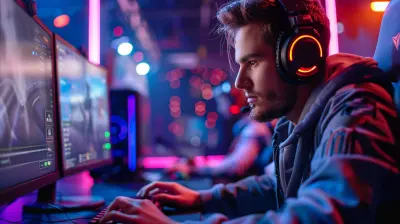
Unexpected Game Delay Catches Fans Off Guard
13 May 2026
Imagine this: You’ve stayed up late refreshing your inbox, counting down the hours with a mix of excitement and impatience. Maybe you even booked time off work or made plans with friends to dive into the latest release. Then, suddenly… BAM! A tweet drops. The game you’ve been waiting months—or maybe even years—for is getting delayed. Again.
Yeah, we've all been there.
An unexpected game delay can feel like a punch in the gut. Enthusiastic fans, buzzing forums, pre-orders locked in, and then comes the dreaded announcement. It's like throwing a party and the guest of honor doesn’t show up.
In this article, we’re diving deep into the whirlwind of emotions, reasons, and realities behind these surprise delays—and how we, as gamers, can navigate the wait without losing our minds.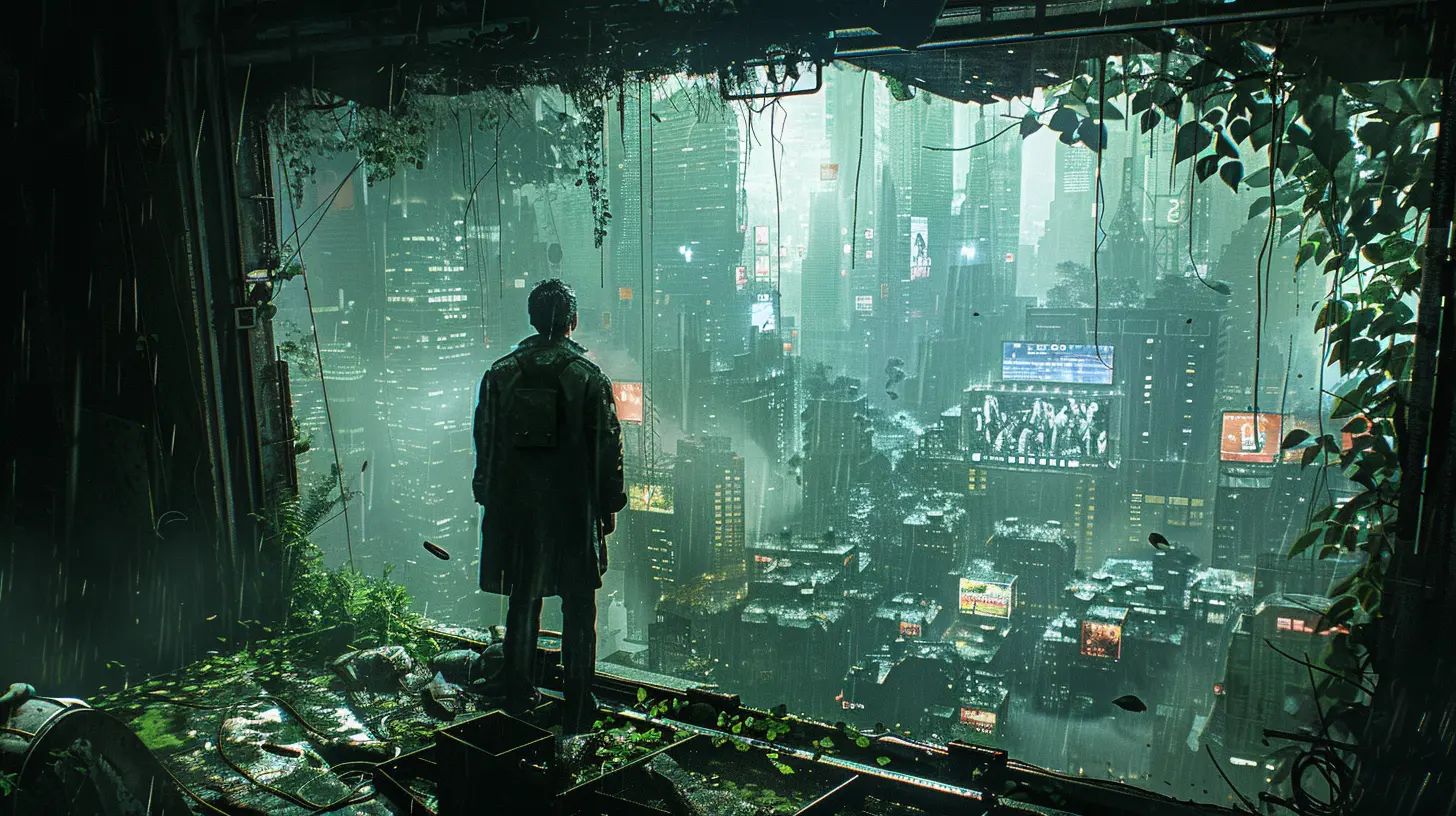
The Emotional Rollercoaster of a Game Delay
Let’s be real: getting hyped for a game is more than just excitement. It’s about anticipation, nostalgia, and dreams of escaping into a new world. So when a delay hits, it feels deeply personal.Why It Hits So Hard
You might be asking yourself, “Why does this mess with me so much?” Well, hype builds an emotional investment. Think of it like waiting for a vacation—you’ve packed your bags, made an itinerary, and your flight gets canceled at the gate. That’s the kind of gut punch we’re talking about.Gaming isn’t just about pixels and controllers. It’s about experiences we look forward to. So when that’s taken away unexpectedly, it hurts more than we like to admit.
The Internet Reacts
You know the drill—immediately after a delay is announced, social media flames up. There’s outrage, disappointment, memes, and the classic “it better be worth it.” Some folks are understanding. Others, not so much.But the drama of a delay doesn’t just stir up the fans—it echoes throughout the entire gaming community.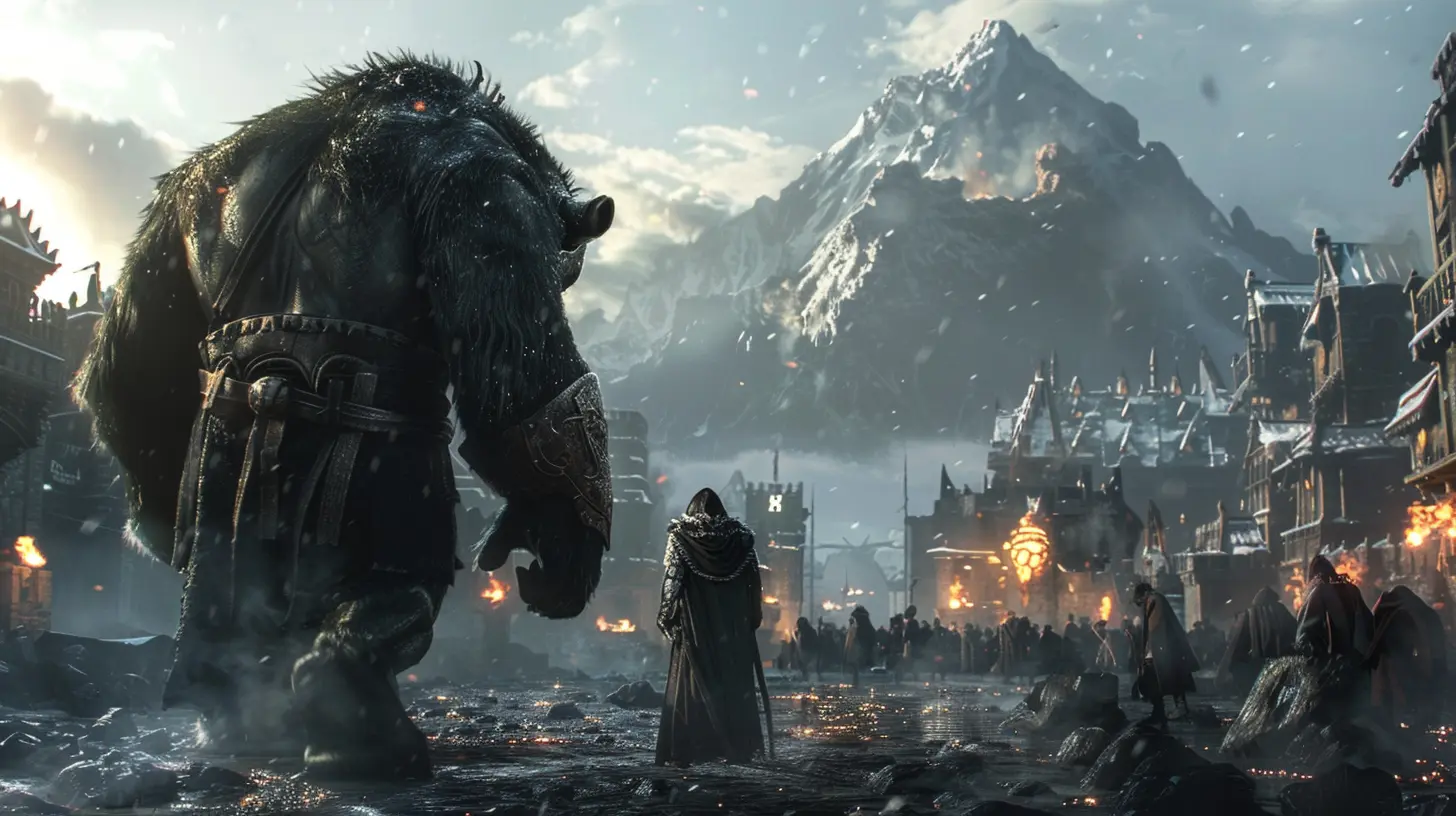
So, Why Do Game Delays Happen?
Developers are not out to ruin our schedules, even if it sometimes feels that way. The truth? Making games is hard. Like, really hard.Perfection Takes Time
Modern games are massive. Open-world environments, realistic mechanics, complex storylines, multiplayer stability—it’s a mountain to climb. Meeting all these expectations takes more than talent. It takes time, and lots of it.Rushed games don't age well (just ask any fan of highly hyped flops). Delays are often a sign the developers care enough to deliver quality instead of rushing out something broken.
Unexpected Hiccups Behind the Scenes
Think about how many moving parts go into making a game: coding, design, voice acting, localization, marketing, and testing. Now imagine one part hits a snag. Boom—everything gets pushed back.From bugs that just won’t die to last-minute changes from publishers, delays are often the outcome of countless fires being put out behind closed doors.
Crunch Culture and Health Considerations
Lately, studios have been rethinking the notorious "crunch culture"—those periods of intense overtime that burn out developers. A delay is sometimes a conscious choice to give the team space to work more sustainably. And honestly? That’s something we should all support.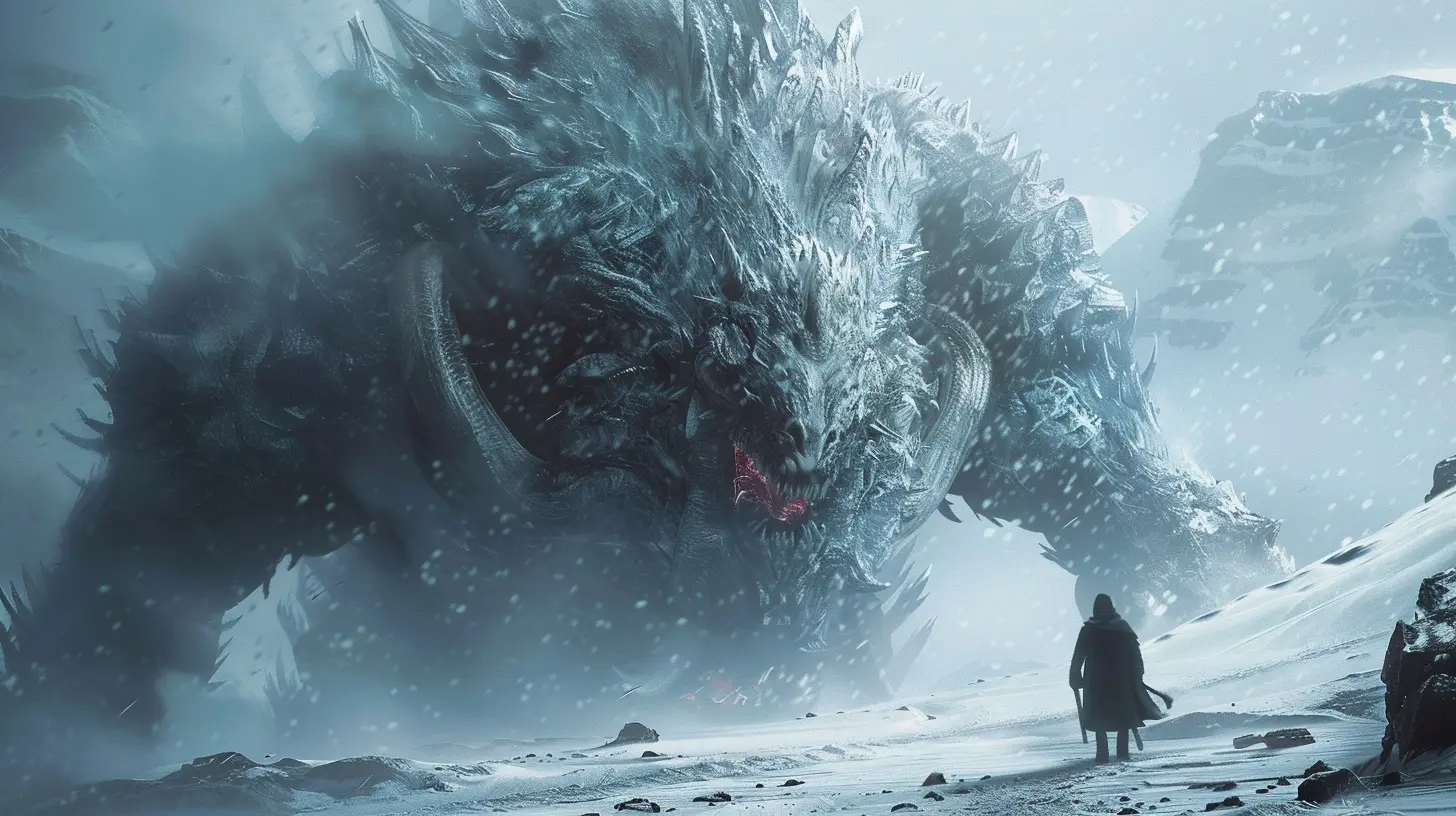
The History of Delays: Not Always a Bad Thing
Believe it or not, some of the greatest games ever made were once delayed. And thank goodness for that, right?The “Delay and Slay” Success Stories
- The Legend of Zelda: Breath of the Wild was delayed multiple times. End result? A masterpiece.- The Witcher 3 faced delays too, and it turned out to be one of the most critically acclaimed RPGs ever.
- Cyberpunk 2077—well, it was delayed, but still released with major issues. And even then, most of its problems might’ve been worse without the delays it did get.
The takeaway? Sometimes delays are the very reason a game ends up being unforgettable.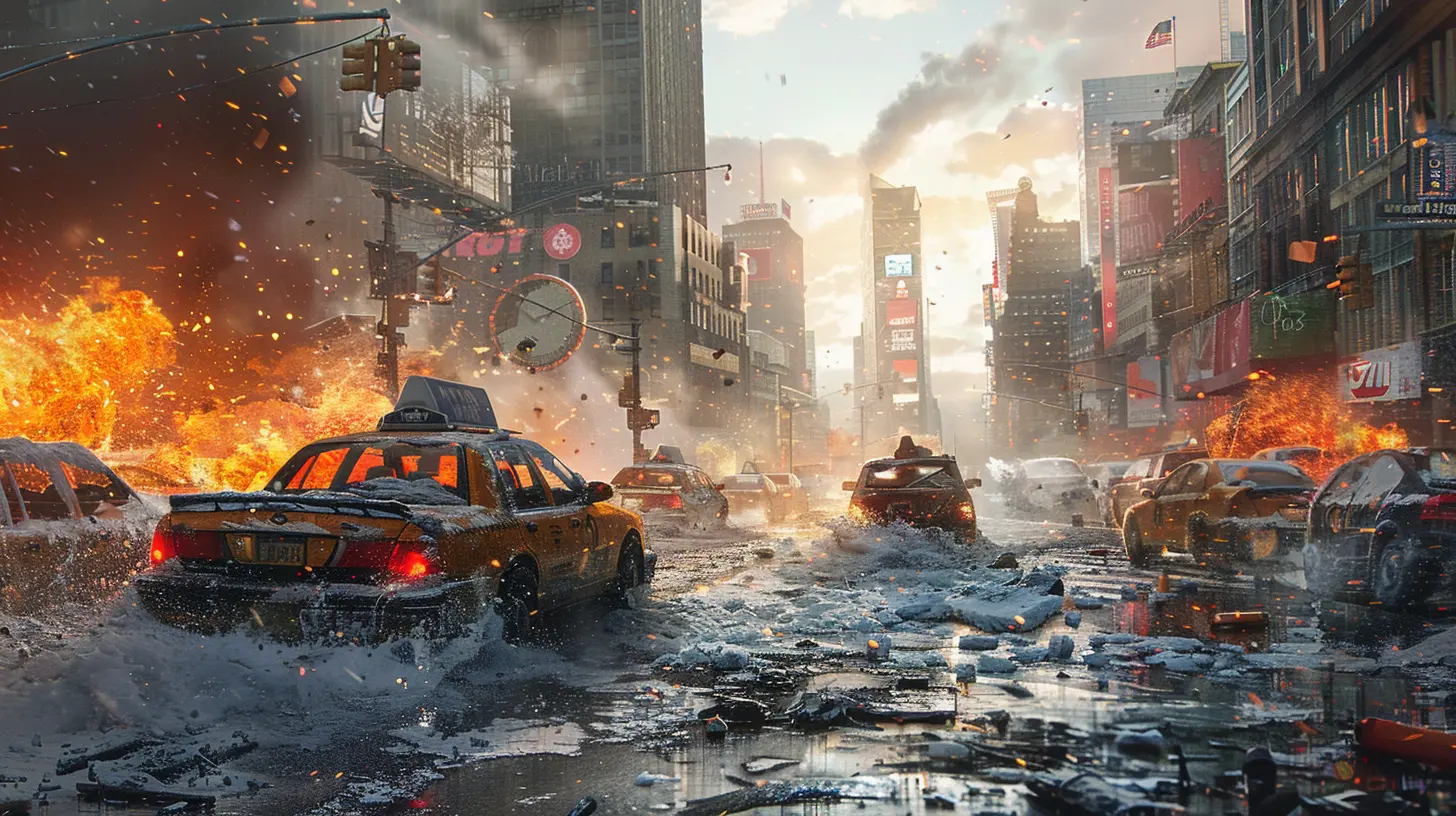
How Fans Cope With the Wait
Once the shock of a delay wears off, what can you actually do? Spoiler alert: a lot more than just sulking.Revisit Old Favorites
This is your chance to fire up those classics you never finished or replay that all-time favorite. Hey, let’s face it—your backlog has been judging you for years.Dive into Similar Titles
Waiting for a space RPG? Try another in the same genre to scratch the itch. There are so many hidden gems out there you might’ve missed while waiting for the big one.Keep the Hype Alive (But Sane)
It’s okay to stay excited, but don’t let the hype boil over into negativity. Join communities, read dev blogs, watch behind-the-scenes content. Engage—but pace yourself. Think of it as simmering soup, not flash-frying expectations.Developer Transparency: The Key to Easing the Blow
When a game gets delayed, one thing can make all the difference: communication.Honesty Goes a Long Way
People can handle bad news. What gets under their skin is being left in the dark. When developers are open—explaining the reasons, showing progress, and keeping fans in the loop—it builds trust.Games like Hollow Knight: Silksong have been delayed forever, but the devs' occasional blogs and genuine tone keep most fans rooting for them.
Radio Silence Equals Frustration
Silence after a delay announcement? That’s when things get messy. Rumors swirl, frustration builds, and support can turn into skepticism. A simple update every now and then can go a long way in turning anxious fans into patient ones.The Business Side of Delays
It’s not just about passion. Games are also big business. And delays have financial ripple effects.Publisher Pressure
Sometimes, studios are caught between artistic vision and investor expectations. A delay might mean financial strain, but releasing a half-baked game can hurt even more long term.It’s a balancing act—satisfy the fans, protect the brand, and hold the line between profit and polish.
Marketing Adjustments
Remember those cinematic trailers, costly ad campaigns, influencer promos? They’re all scheduled around release dates. A delay can send marketing teams back to the drawing board. It’s not just about pushing the date—it’s about rethinking the entire launch strategy.When Delays Hurt More Than Help
Delays aren’t always sunshine and polish. Sometimes, they’re red flags.Signs of Deeper Problems
If a game is delayed not once, but multiple times—without clear communication—it can hint at major internal issues. Rewrites, staff turnover, or shifting direction can all spell trouble behind the scenes.It’s like watching someone rearrange chairs on a ship that’s taking on water. You want to believe they’re fixing things, but part of you’s already bracing for impact.
Fan Fatigue
You can only string fans along for so long before patience breaks. If a dev loses the trust of its community, even a great final product might struggle to regain goodwill.The Silver Lining: Why Delays Can Be Good for Everyone
Let’s flip the script for a second—maybe a delay isn’t the end of the world.Games Deserve to Be Finished
No one wins when a game launches broken. Reviews tank, refunds stack up, and fan backlash can haunt a title forever (cough Fallout 76).A few extra months of polish can mean stable servers, smoother gameplay, and something that actually lives up to the hype. We owe it to ourselves to wait.
Developers Deserve Respect
At the heart of every delay are real people—artists, coders, writers—just trying to do their best. Supporting ethical development practices means supporting delays when they’re truly needed.We don’t want amazing games built on the burnout of the people who make them.
The Power of Community Support
In these moments, the gaming community gets a rare opportunity: to show patience, empathy, and support.Building Resilient Hype
Communities that hold onto joy, share art, write fan theories, and keep the fire alive without turning bitter? That’s where magic happens.Uplifting the Devs
A kind word goes a long way. Developers watch Reddit, Twitter, Discord—they see your comments. Encouraging feedback reminds them that their work matters and that we’ve still got their backs.Final Thoughts: Delays Aren’t the End—They’re Just Another Chapter
Nobody likes waiting, especially when it comes to a game we’ve been dreaming about. But an unexpected delay doesn’t have to be the deal-breaker it first seems. Think of it as seasoning; sometimes, a little extra time is what transforms something good into something unforgettable.So next time a delay notification hits, take a deep breath. Play something else in the meantime. Cheer on the devs. And keep that excitement warm—because good things really do come to those who wait.
all images in this post were generated using AI tools
Category:
Gaming News UpdatesAuthor:

Stephanie Abbott
Discussion
rate this article
2 comments
Denise Evans
It's frustrating to see another delay. Fans were excited, and now we're left waiting longer. Hope the extra time improves the game, but it's disappointing.
June 24, 2026 at 2:49 AM
Stephanie Abbott
I understand the frustration. Delays can be tough, but let's hope it leads to a better experience in the end. Thanks for your patience.
Korian Elliott
Game delays are tough, but I'm sure the extra time will lead to an even better experience!
May 29, 2026 at 3:45 PM
Stephanie Abbott
I appreciate your understanding! Delays can be frustrating, but they often lead to a more polished game.