The Tragedy of Kratos: A Deep Dive into God of War’s Evolving Narrative
1 February 2026
When it comes to storytelling in video games, few tales are as gut-wrenching, complex, and compelling as the journey of Kratos, the Ghost of Sparta. Watching his story unfold is like peeling back the layers of an onion—every layer has made us cry (sometimes from sadness, sometimes from rage). From his rage-fueled beginnings in the original God of War trilogy on the PlayStation 2, to his more reflective, emotionally charged persona in the 2018 reboot and beyond, Kratos has undergone a transformation that few characters in gaming history can match. But what exactly makes his evolving narrative so tragic, yet so captivating? Let’s plunge into the depths of Kratos' story and unravel what makes this Spartan warrior such an unforgettable figure in gaming.
A Tale Born of Rage and Loss
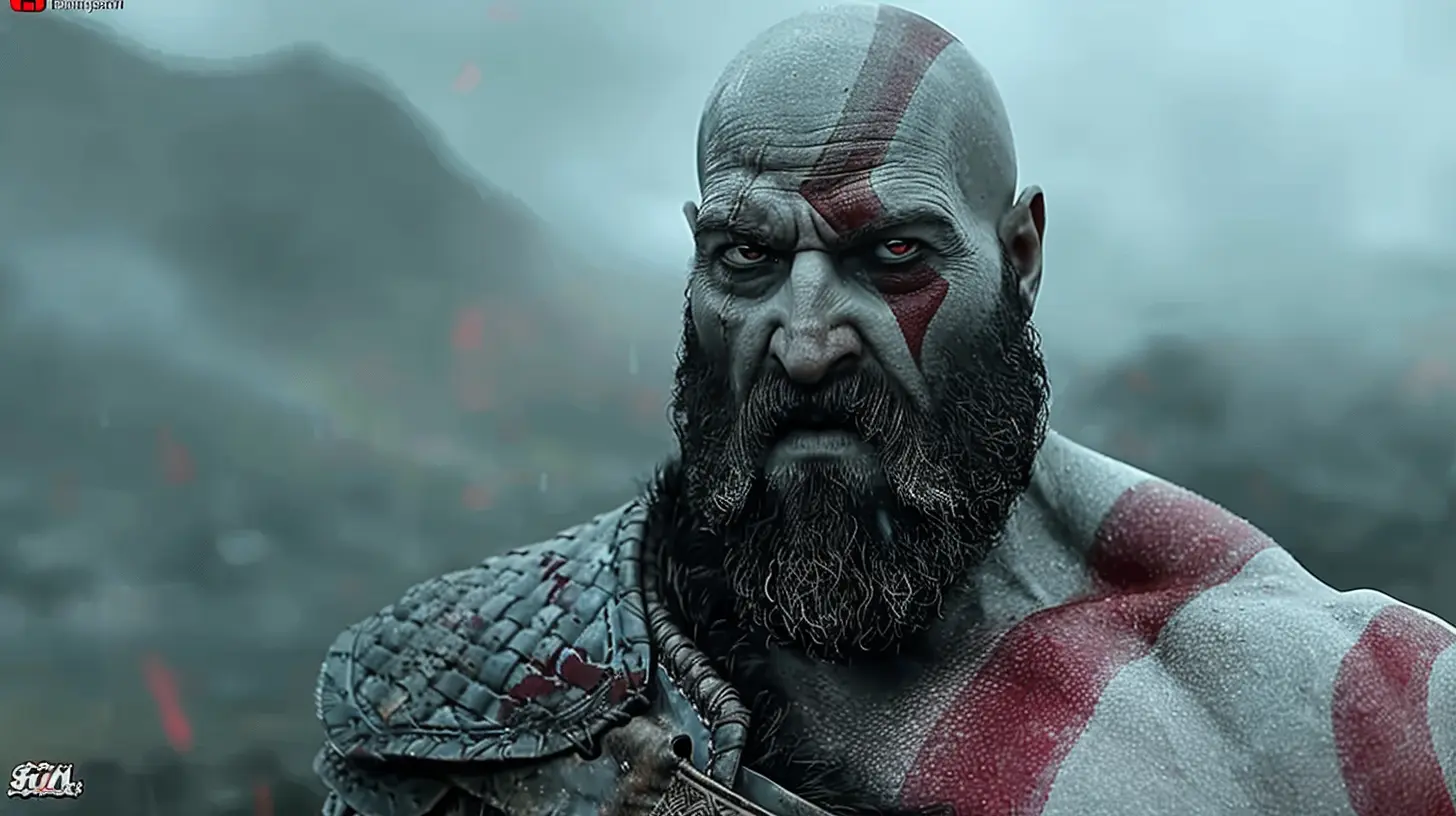
From the moment we met Kratos in 2005’s God of War, it was clear we weren’t dealing with your average video game protagonist. Fueled by an unrelenting thirst for vengeance, Kratos was essentially a walking rage machine. And who could blame him? His story began with heartbreak—manipulated by the Greek gods, Kratos was tricked into slaughtering his own wife and daughter in a fit of blind fury. The ashes of his family were fused to his skin as a harrowing reminder of their deaths, turning him into the pale "Ghost of Sparta."It’s a tragic origin, to say the least, and it set the stage for a character consumed by anger. But Kratos wasn’t just angry—he was broken. Beneath the blood and violence, there was a deep well of pain. Despite being a demigod, Kratos felt utterly powerless in the face of his grief. Sound relatable? It’s a stark contrast to the all-powerful warriors we’re used to in games. Kratos’ early story didn’t just show us a man seeking revenge—it showed us a man who had lost everything that made him human.
The Fatal Flaw: Kratos Against the Gods
Greek mythology is filled with tales of tragic heroes, and Kratos fit right in. Like Achilles with his infamous heel or Icarus flying too close to the sun, Kratos’ fatal flaw was his blind rage and inability to let go of his pain. He didn’t just fight the gods—he raged against them, slaughtering them one by one in a desperate attempt to reclaim a life that was no longer within reach.Remember God of War II and God of War III? We watched Kratos ascend to new levels of destruction, taking out the entire Greek pantheon like he was checking off a to-do list. Each god he killed brought him closer to his goal, but it also left him emptier than before. By the time he finally confronted Zeus—his own father—it became painfully clear that his journey wasn’t just about revenge. It was about trying (and failing) to fill the void left by his lost family. The tragedy, of course, is that no amount of bloodshed could ever fill that void.
This part of Kratos’ story is like watching a train wreck in slow motion. You know it’s not going to end well, but you can’t look away. And while the endings of the original trilogy gave us the closure we needed, they left us wondering—what’s next for a man who’s destroyed everything?
A Second Chance: Fatherhood and Redemption
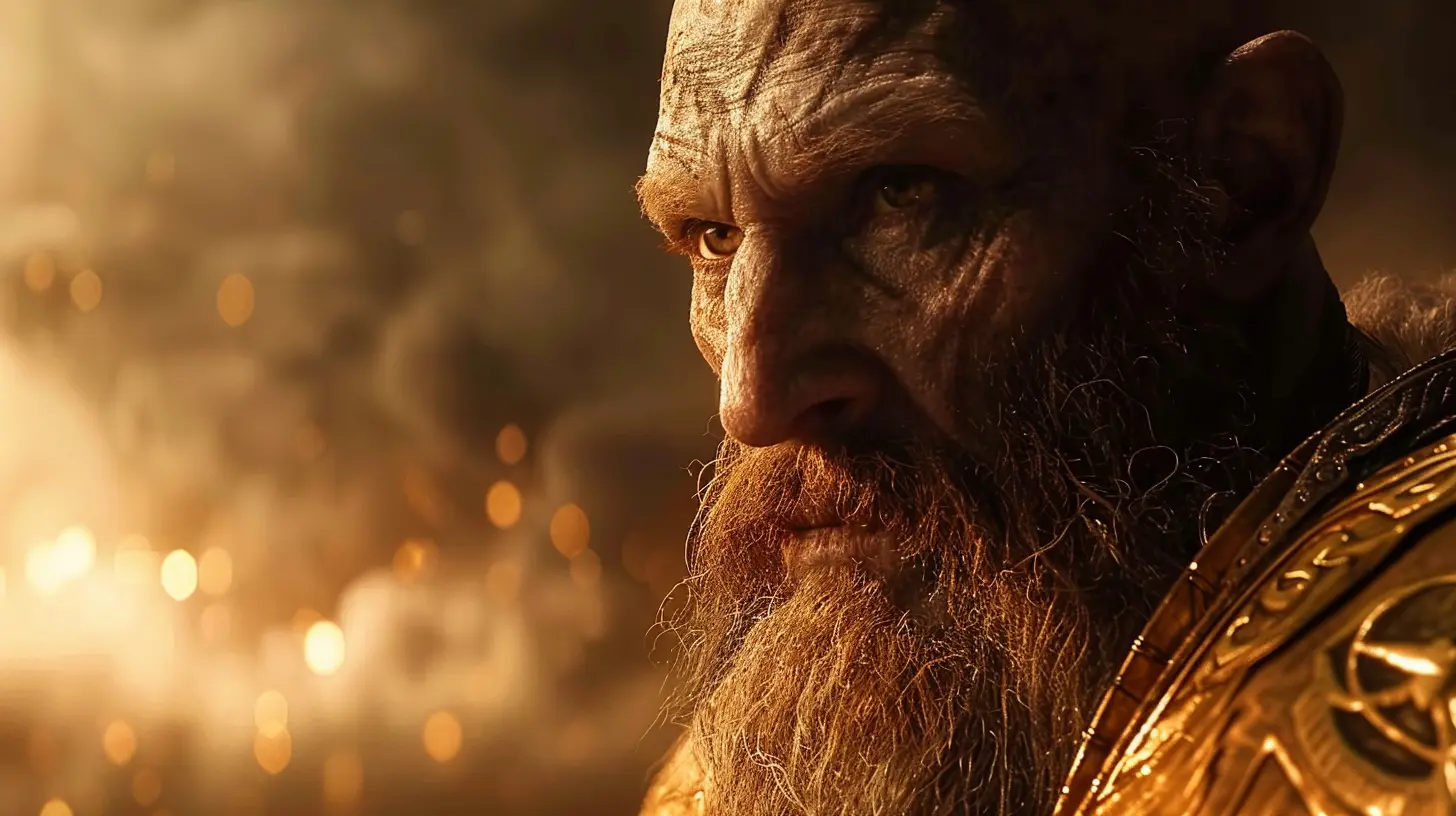
Fast-forward to 2018, and the God of War reboot hit us like an emotional freight train. Gone was the rage-fueled killer we once knew. In his place was a weary, older Kratos—a man who had physically distanced himself from the ruins of Greece and emotionally distanced himself from the person he once was. But the past doesn’t just go away, and Kratos was still carrying the weight of his sins, both literally and figuratively.The real game-changer here? Atreus, Kratos’ son. The introduction of Atreus brought a whole new dimension to Kratos’ character. Suddenly, Kratos wasn’t just a broken man with a tragic past—he was a father. And not just any father, but one tasked with raising a boy in a dangerous, unforgiving world while trying to shield him from his own dark history. Talk about pressure.
The dynamic between Kratos and Atreus was the heart of the 2018 game. It was awkward, messy, and painfully real. Kratos was a man of few words, while Atreus was curious and talkative—a stark contrast that made their bond feel all the more genuine. Through their journey to spread Faye’s ashes atop the highest peak in the Nine Realms, we saw Kratos wrestle with his own demons while trying to teach Atreus what it means to be strong, compassionate, and wise. It’s like watching someone try to swim while holding onto a boulder—they’re doing their best, but it’s a constant struggle.
From Violence to Vulnerability
One of the most fascinating aspects of Kratos’ evolution is how the newer games have shifted the focus from sheer violence to emotional vulnerability. Yes, there’s still plenty of fighting (because what’s God of War without a good boss battle?), but the heart of the story lies in Kratos’ growth as a person—and as a father. He’s no longer just a weapon of vengeance; he’s a flawed man trying to build a better future for his son.But vulnerability doesn’t come easy for Kratos. Throughout the game, we see him wrestle with his past while trying not to let it define him. Whether it’s opening up to Atreus or confronting his own fears, Kratos’ journey in the reboot is a lesson in redemption. And isn’t that something we can all relate to? We’ve all made mistakes—some bigger than others—but the idea that it’s never too late to change is a powerful one.
Ragnarok and Unfinished Business
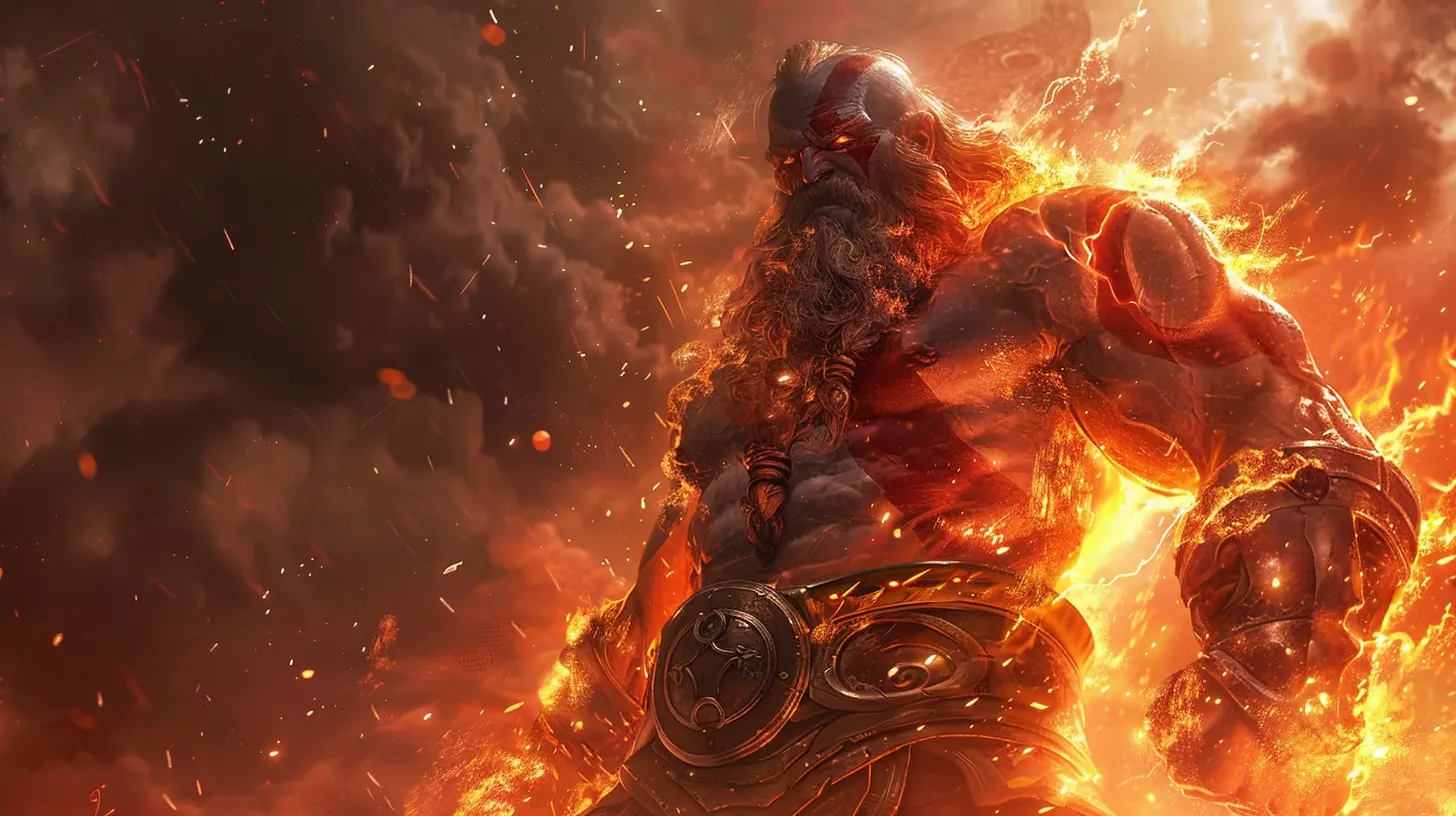
The release of God of War: Ragnarok in 2022 took Kratos’ story to even greater heights. The once-lone warrior was now a reluctant leader, navigating the chaos of the Norse apocalypse while trying to protect Atreus. Ragnarok was a high-stakes game, both literally and emotionally. It tested Kratos in new ways, forcing him to confront not only his mortality but also his role as a father, a friend, and a fighter.What made Ragnarok so gripping was its focus on legacy. Kratos was no longer just fighting for himself; he was fighting for something bigger. And while the game delivered plenty of jaw-dropping moments, it never lost sight of its emotional core. By the end, Kratos wasn’t just a tragic hero—he was an example of how pain, loss, and regret can be transformed into strength, compassion, and hope.
The Legacy of Kratos
When we look at Kratos’ journey as a whole, it’s hard not to be in awe of how far he’s come. He started as a man consumed by rage and ended as a symbol of resilience and redemption. His story is a reminder that even in the face of tragedy, there’s always a chance for growth. And honestly? That’s the kind of narrative that sticks with you long after the final credits roll.Kratos’ evolution isn’t just a triumph of character development—it’s a testament to the power of storytelling in video games. It shows that games can be more than just entertainment; they can be a way to explore deep, universal themes like loss, forgiveness, and the struggle to move forward. In Kratos, we see the best and worst of humanity, and that’s what makes his story so unforgettable.
Wrapping It Up
At its core, God of War is about more than just slaying gods and taking names—it’s about the journey of a man trying to reconcile who he was with who he wants to be. Kratos’ story is one of tragedy, yes, but it’s also one of hope. It shows us that even the most broken among us can find redemption, no matter how dark their past may be. And honestly? That’s a story worth telling again and again.So, whether you’ve been a fan of Kratos right from the beginning or you’re just now diving into his world, one thing’s for sure: his journey is far from over. And if the past games are anything to go by, we’re in for more heartbreak, more heartwarming moments, and more reasons to love the Ghost of Sparta.
all images in this post were generated using AI tools
Category:
Lore And StorylinesAuthor:

Stephanie Abbott
Discussion
rate this article
2 comments
Tia Stevens
Kratos' journey reflects profound themes of redemption and loss.
February 4, 2026 at 6:10 PM
Stephanie Abbott
Thank you! Kratos' journey indeed embodies the complexities of redemption and the weight of loss, making his character's evolution deeply impactful.
Korian Kearns
Kratos’ journey is a haunting tapestry woven with pain and redemption. As shadows from his past loom larger, can he ever escape the cycle of violence? Explore the secrets that define the Ghost of Sparta.
February 1, 2026 at 4:37 AM
Stephanie Abbott
Thank you! Indeed, Kratos’ journey is a profound exploration of the themes of pain and redemption, making his struggle to break free from his past both compelling and tragic.