Building Empathy Through Interactive Educational Simulations
14 July 2026
Let’s face it—empathy is one of those traits that’s more essential than ever in today’s fast-paced, screen-obsessed world. We text more than we talk, scroll more than we stop, and it’s so easy to feel disconnected from the people around us. But what if I told you that video games—yes, the very things often blamed for disconnect—could actually be key in building empathy?
That’s where interactive educational simulations come in. These aren’t your average “shoot-and-score” games. We’re talking deep, emotional, eye-opening experiences that can make you see the world through someone else’s eyes. Whether you’re a teacher, a parent, a gamer, or someone who just believes in the power of tech for good, stick around. This one’s for you.
What Are Interactive Educational Simulations, Anyway?
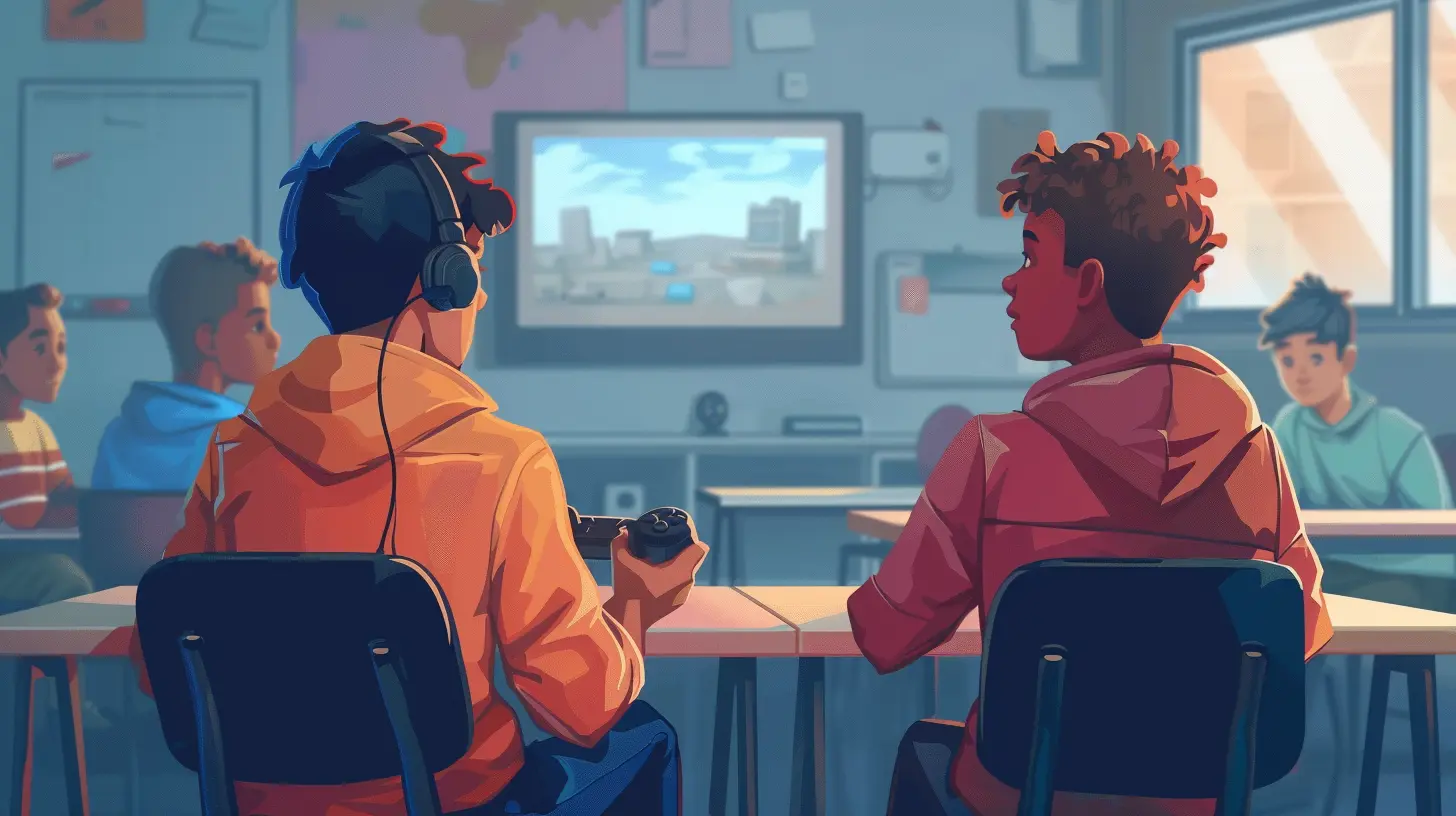
Alright, let’s break it down. Think of a simulation as a supercharged role-play. It's a digital scenario where you’re thrown into someone else's shoes and asked to make real-life decisions in their world. Now, add an educational spin to it—throw in a goal, a lesson, a message—and suddenly, you're not just playing a game, you're learning while you feel.Not just facts and figures. We're talking real, raw emotions.
These simulations immerse players in different social realities—like poverty, racism, mental health struggles, or even being a refugee. And because you’re interacting with the environment and making choices, it’s not passive consumption. You’re emotionally invested. You're understanding—not just observing—what it feels like to be someone else.

Why Empathy Matters (More Than Ever)
Before we go deeper, let’s answer the big question. Why should we even care about empathy?Simple: Empathy is the bridge between people. It’s the glue that holds relationships, communities, and even global cooperation together. Without it, we’re just a bunch of disconnected humans, each stuck in our own bubbles. And we’re already seeing what that leads to—polarization, misunderstanding, and, honestly, a pretty cold world.
Empathy doesn’t mean just agreeing or sympathizing—it means understanding. Feeling what others feel. And when you build that muscle, it shows up in everything you do, from how you treat your classmates to how you solve workplace conflicts.
So, Can a Game Really Teach Empathy?
You bet it can.Let’s put it this way: imagine reading about a homeless person in a textbook. Now imagine living as that person in a simulation—deciding how to spend your last $5, getting judged by pedestrians, trying to find shelter. Big difference, right?
Games like “That Dragon, Cancer” and “Life is Strange” put players in emotionally intense situations that force them to pause, process, and reflect. You’re not just watching someone’s story unfold—you are the story. Your choices have weight. Your digital character’s pain becomes your own. That emotional transfer? That’s empathy at work.

How Do These Simulations Actually Work?
Let’s peek under the hood a bit.Interactive educational simulations use storytelling, decision-making, and sometimes time-bound challenges to create a reactive environment. Here’s the secret sauce:
- Immersive Narratives – The stories are often based on real scenarios or inspired by real people. That authenticity makes it hit closer to home.
- Perspective Switching – Many simulations let you play multiple roles. For example, one minute you’re a bullied student, the next you’re the teacher. This shift forces you to see the bigger picture.
- Consequences and Outcomes – In some simulations, your choices lead to different endings. That cause-effect dynamic drives home the point: what you do matters.
- Feedback Loops – After completing scenarios, players often get insights or feedback about their decisions, sparking reflection.
Compare that to reading a paragraph or watching a 2-minute video. Simulations simply go deeper.
Real-Life Examples That Hit Hard
Let’s get specific. Here are some genius-level simulations already changing lives:1. “Spent”
Ever tried budgeting with almost nothing? "Spent" puts you in the shoes of someone living at the poverty line. You have to make impossible choices—buy groceries or pay rent? Treat a sick child or keep the lights on? It’s stressful, emotional, and brutally real.The genius? It’s not designed to make you feel guilty. It’s designed to make you think. Suddenly, you realize how privilege shapes your life—something a textbook couldn’t teach nearly as well.
2. “Papers, Please”
You play a border agent in a fictional country, deciding who gets in and who doesn’t. You’re balancing your own needs with moral dilemmas—deny a desperate refugee, or risk punishment to let them through? “Papers, Please” turns bureaucracy into a heart-wrenching moral test.The empathy twist? It turns a faceless job into a gut-check reality about power and its consequences.
3. “This War of Mine”
This one flips the script. Instead of playing as a soldier, you’re a civilian trying to survive in a war-torn city. Your choices are grey, hard, and often sad. Do you steal to feed your group or protect your humanity?It’s a haunting look at war from the eyes of the overlooked. And it sticks with you.
4. “Bury Me, My Love”
This emotional storytelling game follows a Syrian refugee’s journey through text messages sent to her husband. Real-time and deeply personal, it gives a human face to the refugee crisis—a global issue often reduced to stats and headlines.
Why It Works: The Psychology Behind It All
There’s actual science backing this up, too.Interactive simulations activate the same areas in your brain as real-life experiences. That’s why the emotions feel so real. Experiencing someone’s hardship—even digitally—can trigger genuine compassionate responses, especially if the immersion is deep.
Studies show that when students engage in simulations, they often retain emotional and factual content more than traditional learning methods. It’s learning with feeling. And when you feel something, you remember it.
In Education: A Game-Changer in the Classroom
Now, picture using all this in schools. Teachers have always struggled to “teach” empathy using lectures or worksheets. But imagine a class playing a simulation where students experience discrimination, or the stress of a single parent household.Boom. Suddenly, empathy isn’t theoretical—it’s personal.
More educators are turning to gamified simulations for:
- Social emotional learning (SEL)
- Civic education
- Cultural awareness
- Conflict resolution training
And it works. Kids and teens are already digital natives. Why not teach in their language—interactivity?
Beyond the Classroom: Corporate and Adult Training
But it doesn’t stop at schools.Companies are using simulations to train employees in diversity, equity, and inclusion (DEI). Healthcare providers use them to build patient empathy. Even law enforcement has started exploring virtual empathy training to prevent bias.
The potential here? Massive.
Challenges and Concerns
Okay, time for real talk. Not all simulations are created equal.Some miss the mark by being too preachy or too shallow. Others oversimplify complex issues or reinforce stereotypes. It’s a delicate balance—creating empathy without exploiting trauma.
Plus, there’s always the risk of detachment. If players treat heavy topics like games rather than lived realities, the message gets lost. That’s why thoughtful design and post-simulation discussion are crucial.
And let’s not forget access. High-quality simulations can be pricey, and not all schools or users have the tech to run them.
What the Future Looks Like
We’re just scratching the surface here. As VR and AR tech explodes, so will empathy-based learning.Imagine slipping on a headset and walking through the world as someone else—seeing what they see, hearing what they hear. That’s not sci-fi anymore; it’s happening. And it’s powerful.
Expect more personalized simulations, AI-driven narratives, and open-source platforms where anyone can build empathy-driven stories.
How You Can Get Involved
You don’t need a PhD or a giant budget to jump in. Here’s how:- Try out free simulations like “Spent” online.
- Suggest empathy games for classroom or workplace training.
- Support indie developers creating meaningful games.
- Reflect after you play—journal, discuss, share your experience.
Most importantly? Keep your mind open and your heart curious.
Wrapping It Up: Big Lessons From Small Screens
So, can interactive educational simulations really build empathy?Absolutely.
These aren’t just games—they’re emotional journeys that change how we see people and the world. They turn pixels into people and stories into understanding. And in a time when empathy feels rare, that’s nothing short of revolutionary.
So next time you’re playing a game, don’t just look for the high score or the easter egg. Look for the lesson. Feel the feelings. And maybe, just maybe, you'll walk away a little more human.
all images in this post were generated using AI tools
Category:
Educational GamesAuthor:

Stephanie Abbott