The Legacy of Shepard: How Mass Effect’s Choices Shape the Universe
22 March 2026
If you've ever picked up a controller and found yourself smuggling a load of element zero through a star system or brokering peace between warring alien species, you’ve probably heard of Mass Effect. And let’s be honest—if you haven’t, you’re seriously missing out on one of gaming’s most brilliant storytelling sagas. At the heart of this space opera epic lies Commander Shepard and their decisions that ripple across an entire galaxy.
But here's the thing: Mass Effect isn’t just about flashy explosions, cool spaceships, or bad-ass alien companions. It’s about choices. Big ones. Small ones. The kind of decisions that make you second-guess your moral code and sit there staring at the screen, thinking, “Well… what now?”
So, how exactly do Shepard's choices shape the universe? Buckle up, because we’re about to dive into the core of what makes Mass Effect not just a game, but an unforgettable legacy.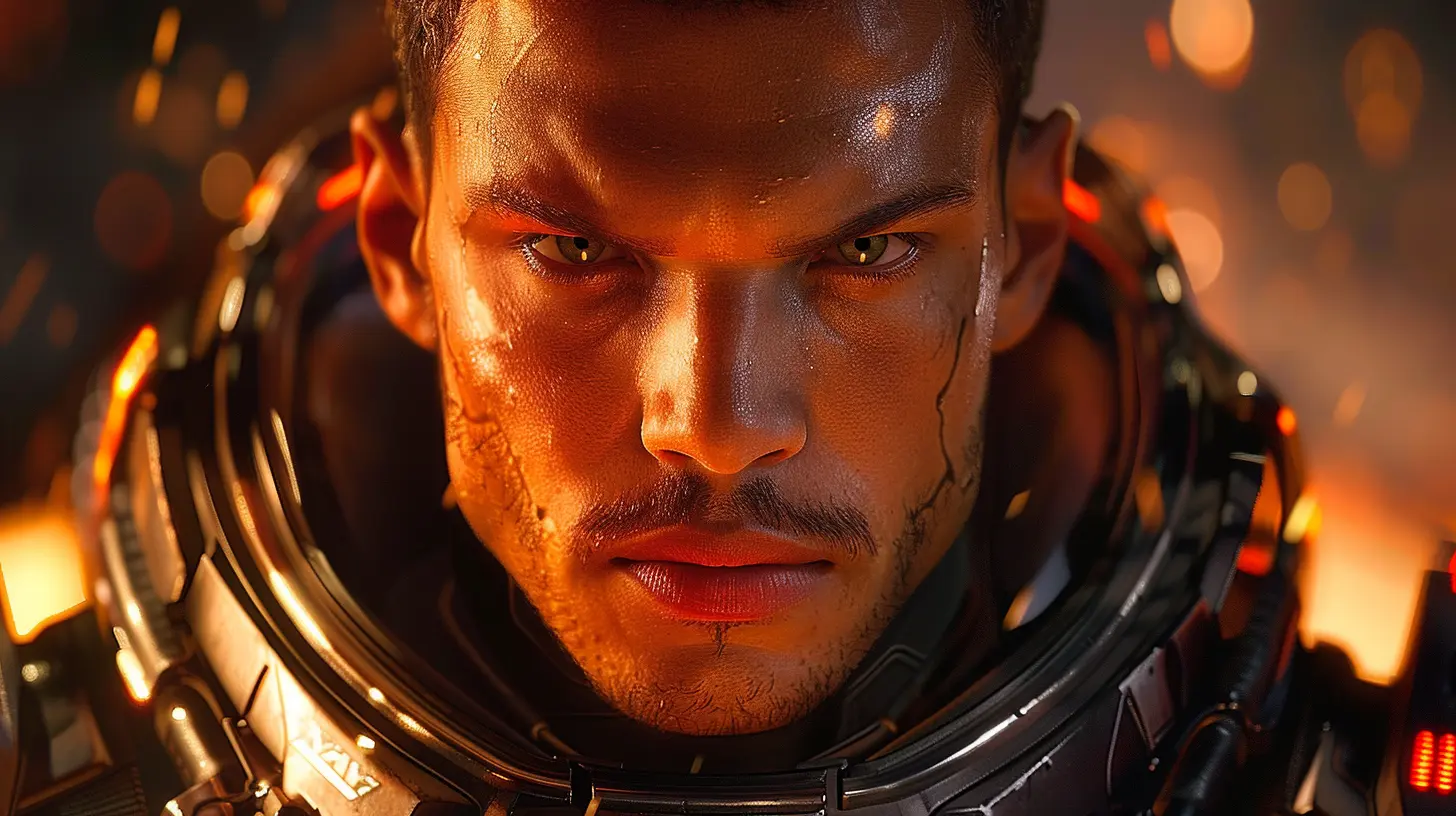
A Game Where Choices Actually Matter
Let's face it: lots of games claim that “your choices matter,” but often, it all boils down to minor aesthetic changes or a slightly tweaked ending. (Cough, cough... I'm looking at you, certain RPGs.) With Mass Effect, though? It’s the real deal.From the very beginning, you’re handed an absurd amount of responsibility. You’re not just deciding who to flirt with or how to decorate your ship (although, yeah, those things matter too). You’re determining the fates of entire civilizations. Will you spare the last surviving member of a dying species? Or is survival of the fittest the only law in your galaxy? Mass Effect makes you feel the weight of your choices and ensures every decision impacts the story in meaningful ways.
It’s not just lip service, either. These choices follow you across all three games. That’s right—your decisions don’t get neatly reset every time the credits roll. Instead, they carry forward like baggage on a long-haul flight, for better or for worse.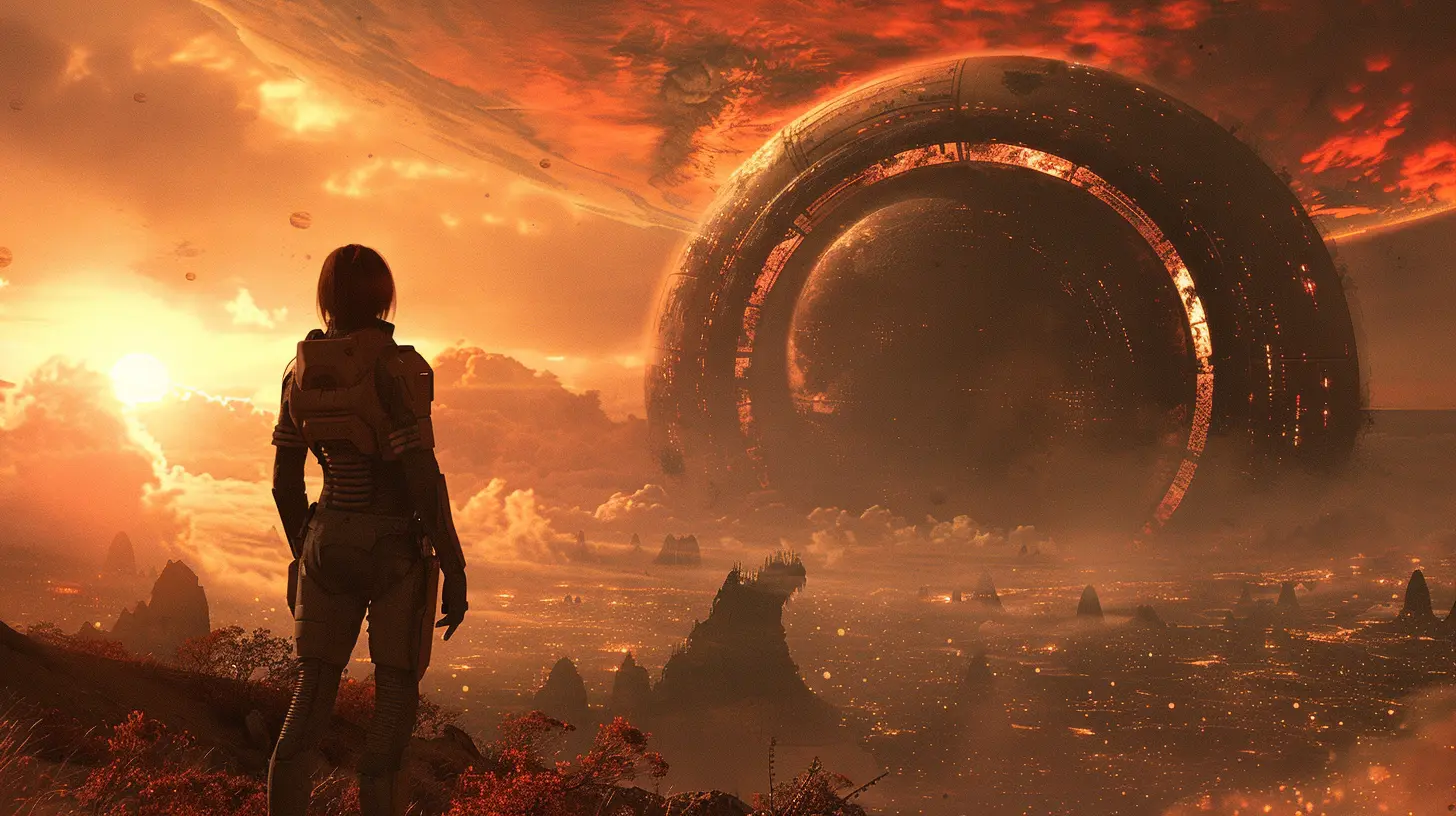
Shepard: The Ultimate Blank Canvas
One of the reasons Mass Effect nails this whole “choices matter” thing is Commander Shepard. Right out of the gate, the game gives you some serious customization options. Male or female? Paragon or Renegade? Savior of the galaxy or ruthless opportunist? Shepard can be whoever you want them to be. They’re not some cookie-cutter hero with a predestined journey—they’re you, or at least a version of you who happens to be really good with guns and diplomacy.Are you the kind of person who’ll go out of your way to save a civilian you’ve never met? Or do you think collateral damage is just a necessary evil? Shepard reflects those values. And the beauty? The game doesn’t judge you for it. You can be a charming diplomat one moment and a cold-blooded pragmatist the next without the game wagging its finger. It’s all about the legacy you want to leave behind.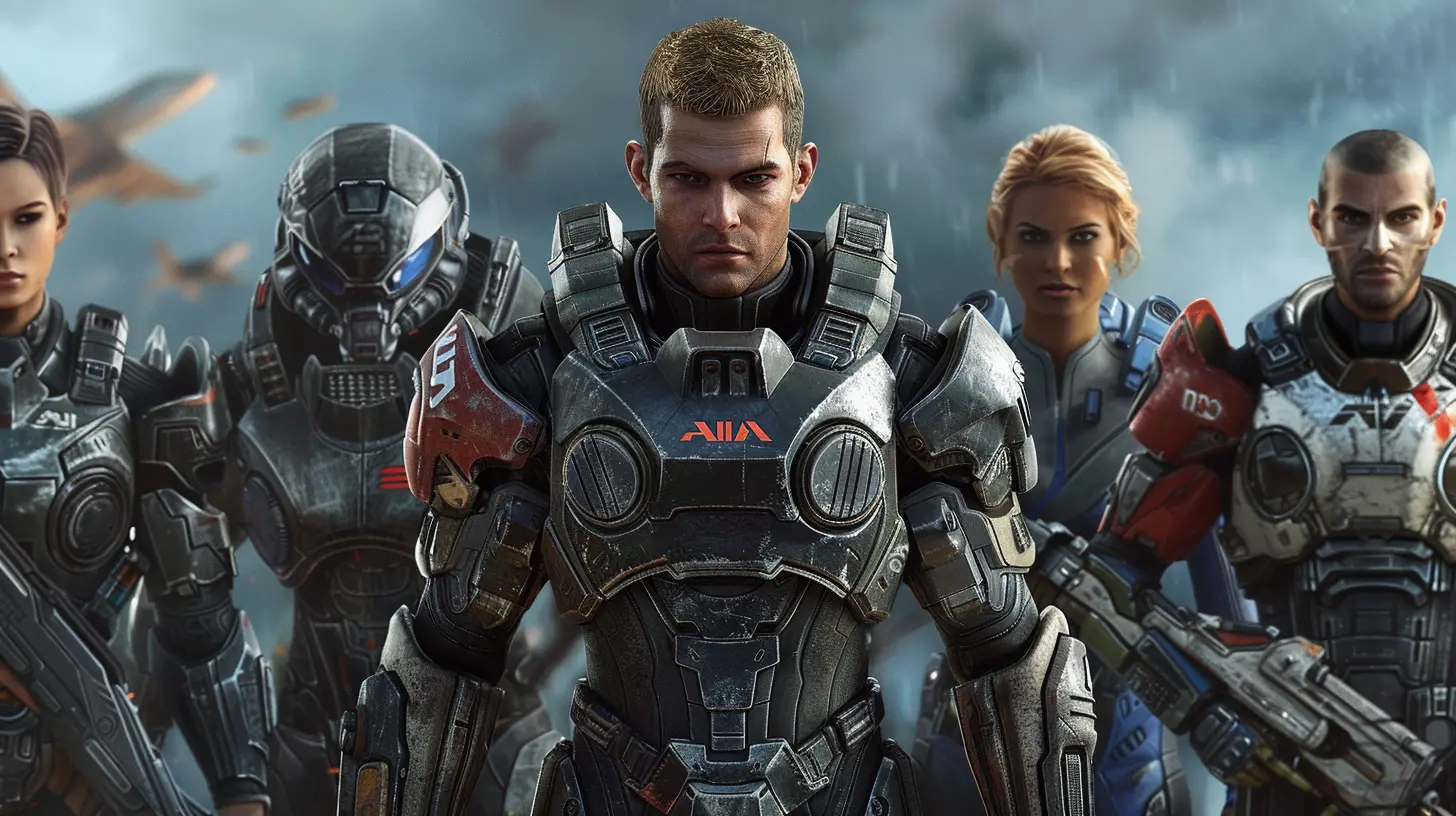
The Butterfly Effect, But in Space
Every decision in Mass Effect feels like tossing a stone into a pond. Except, in this case, the pond is the Milky Way, and the ripples are massive. Let’s look at some of the heavy hitters.1. The Fate of the Rachni
Early on in the series, you’re faced with a gut-wrenching choice: do you spare the last surviving queen of an ancient insectoid species, the Rachni, or do you wipe them out entirely? The Rachni could become a threat in the future. After all, they nearly destroyed the galaxy once before. But is it fair to punish an entire species for the sins of their ancestors?The kicker? This decision doesn’t just affect a single game. If you spare the queen, her species starts rebuilding in the background, and they might just repay the favor later down the line. It's like lending money to a friend—you might get it back, but you’re taking a risk.
2. Krogan Genophage Dilemma
Oh, the genophage. This is one of those moral quandaries that hits you like a brick. The Krogan are a powerful warrior species, but to prevent them from overwhelming the galaxy, they were biologically sabotaged to curb their population. When you encounter their leader, Wrex, you have to decide: do you try to fix the genophage and risk unleashing the full force of the Krogan, or do you maintain it and essentially continue a form of mass biological suppression? There’s no easy answer here, and the consequences of your choice echo well into the third game.3. Who Lives and Who Dies
Here’s the thing about Shepard’s journey—it’s littered with tough calls. Sometimes, you straight-up have to decide who lives and who dies. Will you sacrifice Ashley or Kaidan on Virmire? Will your shipmates be loyal to you during the suicide mission in Mass Effect 2? The game's emotional punches hit hard because these aren’t arbitrary NPCs—they're your crew, your friends, your chosen family. Losing one of them stings in a way most games can’t replicate.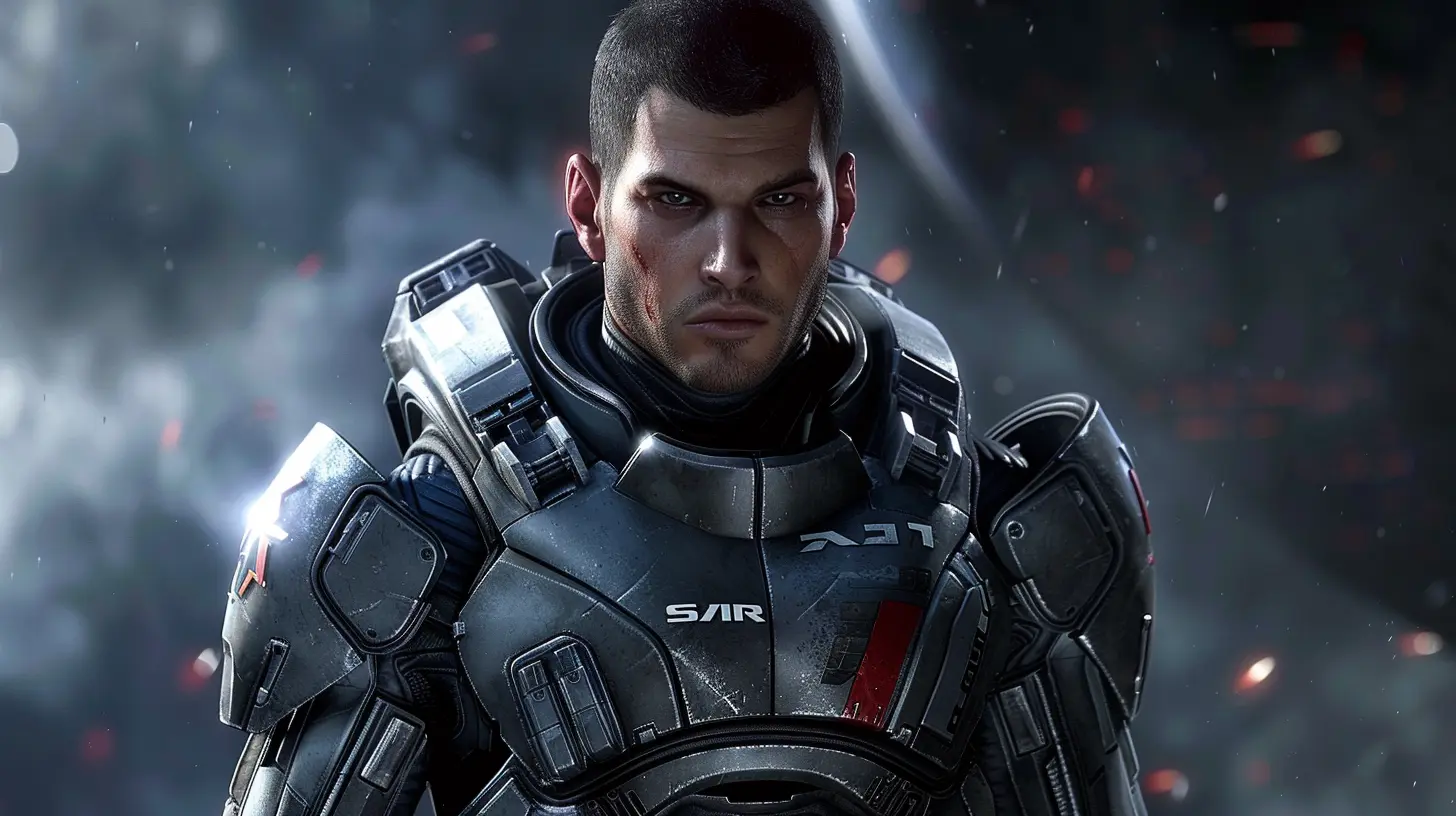
Paragon vs. Renegade: Two Sides of the Same Coin
One of the coolest mechanics in Mass Effect is the Paragon-Renegade system. Paragon represents kindness, diplomacy, and doing what's morally right. Renegade, on the other hand, is all about results, no matter the cost.What’s interesting is that neither path is inherently “correct.” Some situations practically beg for a Renegade approach—like when you’re dealing with a self-righteous bureaucrat who’s slowing you down. Other times, the Paragon route can feel deeply satisfying, especially when you find a peaceful solution to a seemingly impossible problem.
This dichotomy isn’t a gimmick. It’s a reflection of how messy morality can be in real life. Even if you’re mostly Paragon, there might be moments where being a tad Renegade just makes sense. It’s like life—you can be 99% angel, but sometimes, you’ve gotta unleash your inner devil.
Legacy That Spans Galaxies
What really sets Mass Effect apart is how your choices create a narrative web that feels alive. The galaxy evolves based on your actions. The Asari diplomat you saved in one game might come back as a major player in another. The Krogan you helped might become a force for good—or the harbingers of chaos.Even the ending, controversial as it may be, is deeply rooted in the choices you made along the way. The ultimate fate of the galaxy reflects your journey, and while debates about the ending still rage on forums, there’s no denying the emotional weight behind those final moments.
Why It Still Matters Today
Here’s the deal: Mass Effect isn’t just a game series; it’s an experience. Sure, we’ve seen other series with branching narratives (The Witcher, anyone?), but Mass Effect was one of the first to weave such an intricate web of decisions across multiple games.Even years after its release, the legacy of Shepard lives on. People still debate their choices, replay the trilogy to see what might have been, and bond over the shared heartbreak of losing a beloved squadmate. It’s a testament to how powerful storytelling can be when tied to player agency.
Final Thoughts
At its core, Mass Effect is about the human (and alien) experience—love, loss, sacrifice, and hope. It’s a reminder that the choices we make, no matter how small they may seem at the time, have the power to shape the world—or universe—around us.So, whether you’re a die-hard Paragon with a heart of gold or a no-nonsense Renegade ready to do what needs to be done, one thing’s for sure: Shepard’s legacy is yours to define. And that? That’s pretty damn special.
all images in this post were generated using AI tools
Category:
Lore And StorylinesAuthor:

Stephanie Abbott
Discussion
rate this article
2 comments
Hattie Howard
In stars we forged our fate, Shepard’s choices echo, A universe woven, In courage, love, and loss.
March 24, 2026 at 3:50 PM
Stephanie Abbott
Thank you for capturing the heart of Shepard's journey! The choices we make truly resonate throughout the galaxy, shaping not just outcomes but the very essence of what it means to be a hero.
Jax McPherson
Great article! Mass Effect’s choices truly resonate, shaping not just the game, but our perspectives on storytelling and character development.
March 22, 2026 at 4:42 PM
Stephanie Abbott
Thank you! I'm glad you enjoyed the article and appreciate how Mass Effect's choices impact both gameplay and our understanding of storytelling.