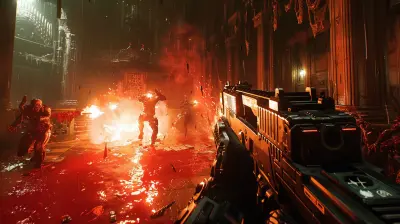
Why Parents Should Embrace Game-Based Learning
10 May 2026
Let’s face it, the digital world is here to stay. And whether we like it or not, our kids are growing up surrounded by screens, gadgets, and more apps than we can count. But here's the kicker—what if we told you all that "screen time" could actually be good for their education? Yep, that’s right. Game-based learning is no longer just a buzzword. It’s a powerful tool that more and more educators—and now parents—are turning to.
In this article, we’ll dive deep into why parents should embrace game-based learning, how it benefits your child’s development, and how you can implement it the right way. Ready to level up your parenting game? Let’s get into it.
What Is Game-Based Learning Anyway?
Before we go full speed ahead, let’s pause for a second. What exactly is game-based learning (GBL)? Simply put, it’s the use of games—digital or even traditional—to teach educational concepts. It’s not just playing games for fun (though fun is a huge part of it). It’s intentional learning with objectives, challenges, problem-solving, and rewards wrapped in an engaging format.Think of it like sneaking vegetables into a pizza. The kids enjoy every bite and barely notice they’re eating something good for them. Win-win, right?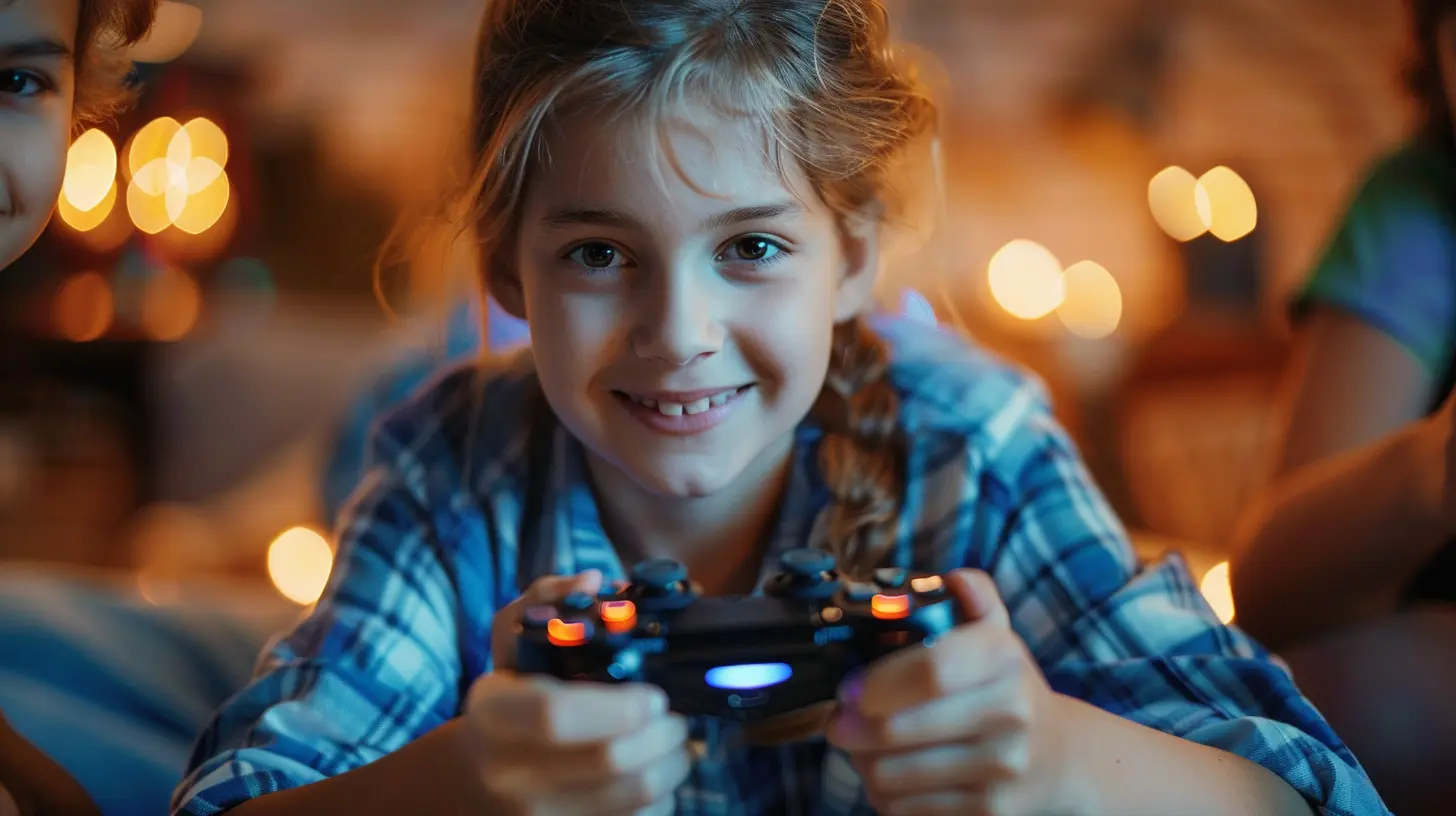
The Core Benefits of Game-Based Learning
1. Makes Learning Fun and Engaging
Let’s be real—kids often dread studying. But turn that history lesson into a cool adventure game with levels and power-ups? Now they’re hooked.Game-based learning grabs their attention and keeps it. The colorful visuals, interactive tasks, and instant rewards make the learning process feel more like playtime. And when kids are engaged, they learn better—plain and simple.
2. Improves Problem-Solving and Critical Thinking
Many educational games are built around challenges that force kids to think ahead, make decisions, and deal with consequences. Whether it’s building a city in Minecraft or solving math puzzles in Prodigy, kids are constantly using analytical skills.It's like giving their brains a workout—without the mental strain. And the best part? They don’t even realize they’re doing it.
3. Encourages Independent Learning
Game-based learning promotes self-paced education. Kids can progress at their own speed, repeat levels to reinforce concepts, or leap ahead if they’ve got things down.This builds confidence. They’re not dependent on someone else to guide every single step. They learn to take initiative—and that’s a skill that goes way beyond the classroom.
4. Provides Instant Feedback
Remember the old days of waiting for test results? Yeah, not very helpful.Games give instant feedback. If your kid gets a question wrong, they know right away—and often get a chance to try again. This quick feedback loop helps them learn from their mistakes faster—and in a way that feels more encouraging than a big red "X" on a test paper.
5. Boosts Digital Literacy
We’re living in a tech-driven world. From virtual meetings to online banking, digital skills are a must.Game-based learning naturally immerses kids in digital environments, helping them become comfortable navigating interfaces, using tools, and understanding basic coding or logic patterns. It’s like a gateway into more advanced tech skills.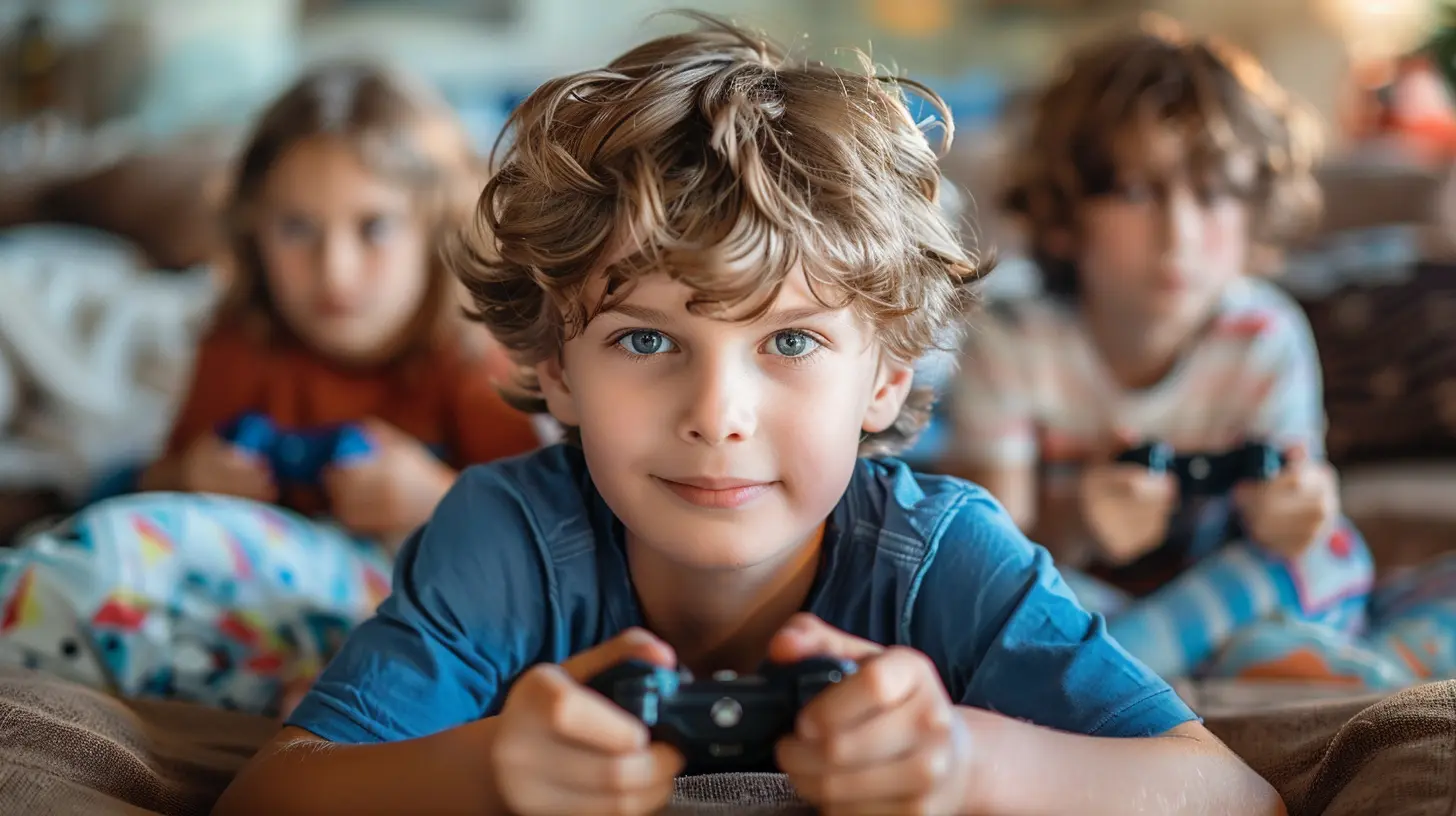
Why Skeptical Parents Should Rethink Screen Time
We get it—hearing “games are good for your kid” might sound like an excuse to keep them glued to their phone. But not all screen time is created equal. Passive screen time (like binge-watching videos) is very different from active screen time (interacting with educational games).Now, imagine this scenario: Your child spends an hour on a game solving math problems, learning new vocabulary, and thinking critically. Isn’t that way more productive than them zoning out to cartoons?
When balanced and curated properly, game time can be learning time.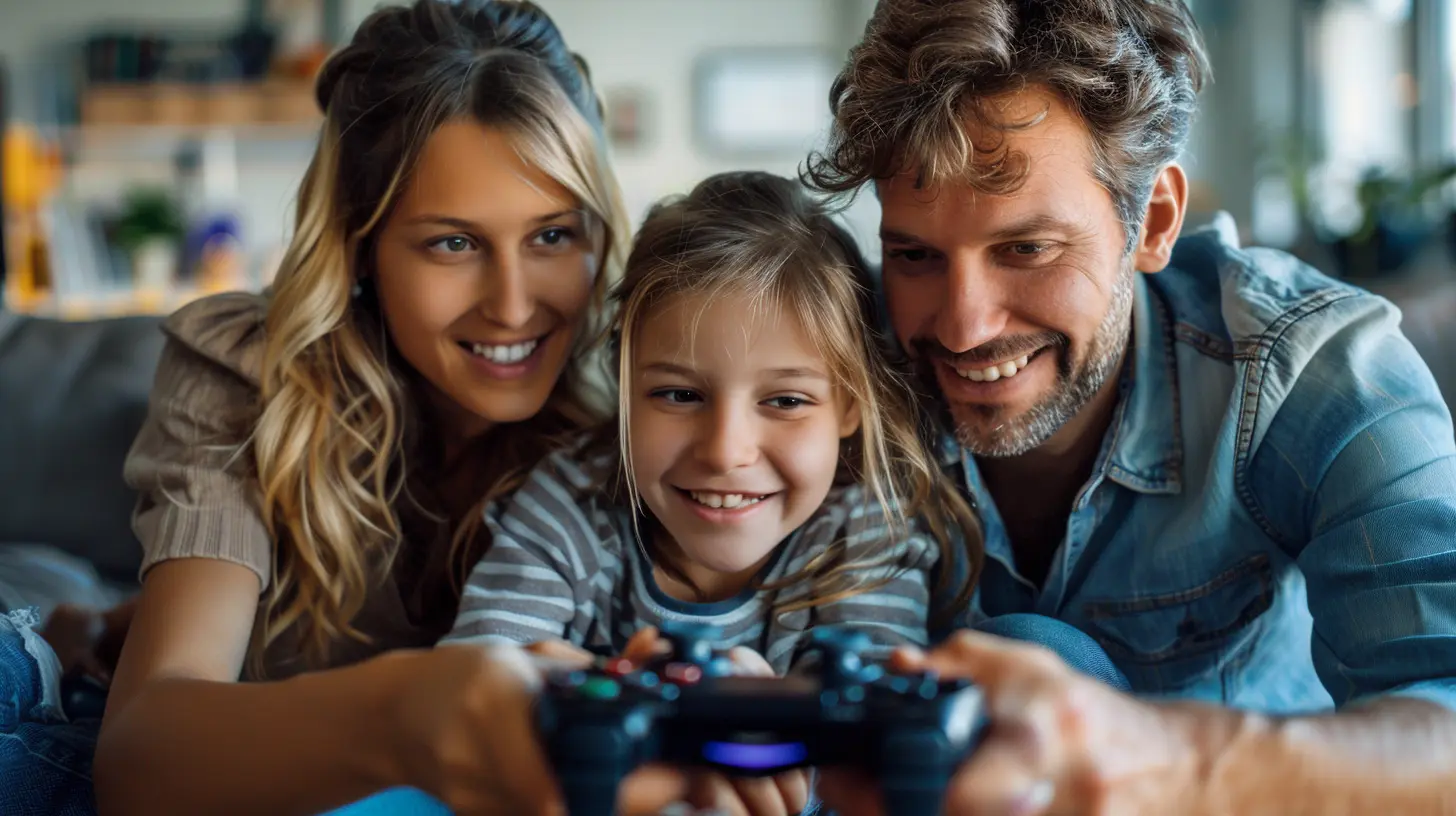
Real-World Skills Kids Learn from Game-Based Learning
You might be wondering, “Sure, they’re learning something, but does it really matter in the real world?” The answer? Absolutely. Let’s break it down.Collaboration and Communication
Many modern games are multiplayer or involve teamwork. Your child learns to collaborate, strategize as a group, and refine communication skills—all while having fun.Resilience and Persistence
Games are designed around trial and error. Fail a level? Try again. And again. Until you win.This builds resilience. Kids learn that it’s okay to fail—what matters is getting back up. That’s a life lesson they’ll carry forever.
Time Management
Ever seen your kid try to balance in-game resources or complete a timed mission? That’s time management in disguise. Games often demand planning, prioritization, and smart decision-making under pressure.How You Can Support Game-Based Learning at Home
Alright, now that we’ve established the why, let’s talk about the how. How do you bring game-based learning into your household without turning your living room into a gaming café?1. Choose the Right Games
Not all games are created equal. Look for ones that are:- Educational (obviously!)
- Age-appropriate
- Aligned with school curriculum
- Engaging without being over-stimulating
Some solid educational game examples include:
- Kahoot – Great for quizzes and interactive learning
- Osmo – Combines physical play with digital games
- DragonBox – Fun math games for all ages
- Duolingo – Learn languages in a playful way
- Minecraft Education Edition – Teaches everything from coding to history
2. Set Healthy Boundaries
Let’s be honest—kids can get carried away. Set daily time limits and create game hours that don't interfere with school, sleep, or family time.Use parental controls when necessary, but also teach your kids why balance is important. You’d be surprised how much they understand when you explain things openly.
3. Play Together
Here’s an idea: join ’em!Playing educational games as a family not only helps you monitor content, but it also builds bonds. Plus, you might even learn a thing or two yourself (bonus!).
4. Celebrate Progress
When your child completes a level or masters a new skill, celebrate it! It could be a high-five, a small reward, or just a simple “I’m proud of you.” Positive reinforcement goes a long way in building motivation.Addressing Common Parental Concerns
“Aren’t Games Addictive?”
Yes, games can be addictive—but so can TV, candy, or even social media. The key isn’t banning them altogether—it’s managing how and when they’re used.By integrating games that align with educational goals, you’re channeling that interest into something beneficial.
“What About Social Interaction?”
Another fair concern. But remember, many games today are social by design. Multiplayer games, online competitions, and real-time challenges often foster teamwork. Combine that with offline activities, and you’re all set.“Will My Child Still Do Their Homework?”
Absolutely—if you set the right expectations.Gamifying homework is even a strategy some teachers use. Try creating a points system at home: finish your reading? +10 XP. Complete a worksheet? +15 XP. Trust us, it works.
Game-Based Learning Isn’t a Trend, It’s the Future
As parents, we often worry about what’s best for our kids—and rightly so. But sometimes, embracing change can open up a world of new opportunities. Game-based learning is more than just a passing phase. It’s reshaping how the next generation learns and prepares for the future.By tapping into the power of play, we’re not just keeping up with the times—we’re giving our kids a real edge in the modern world.
So next time your child asks, “Can I play a game?”—don’t just say yes. Guide them, play with them, and use that moment to nurture their love for learning.
Who knew saving the world in a game could help them ace math—or become the next tech genius?
Conclusion: It’s Time to Hit “Start”
Game-based learning isn’t about replacing traditional education—it’s about enhancing it. It turns learning into an adventure, fuels curiosity, and builds essential life skills. So instead of fearing their time on screens, redirect it.Games, when used wisely, can be your child’s secret weapon in school—and in life.
Ready to give it a shot? You might just find out that “playtime” isn’t just fun, it’s powerful.
all images in this post were generated using AI tools
Category:
Educational GamesAuthor:

Stephanie Abbott
Discussion
rate this article
2 comments
Leah Hines
Game-based learning boosts engagement and critical thinking skills.
July 9, 2026 at 3:52 PM
Stephanie Abbott
Absolutely! Game-based learning not only keeps kids engaged but also encourages them to think critically and solve problems. It's a win-win for their development.
Lyra McTier
Game-based learning offers a unique way to engage kids and enhance their skills. By embracing it, parents can support creativity and critical thinking while making learning fun. Let's inspire our children to thrive through play!
May 10, 2026 at 5:14 AM
Stephanie Abbott
Absolutely! Game-based learning is a powerful tool that makes education enjoyable and effective. By integrating play into learning, we can nurture creativity and critical thinking in our kids.