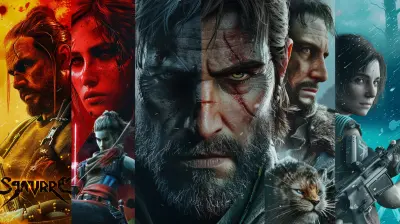
What Game Studios Should Know About Player Psychology
29 April 2026
Let’s get real for a second—if you're a game studio in 2024 and you're not thinking about player psychology, you're basically flying blind. You could have stunning graphics, a killer soundtrack, and buttery-smooth gameplay, but if you don’t get into the heads of your players, guess what? They’re bouncing faster than a rogue grenade in a tight corridor.
Player psychology isn't just some textbook theory cooked up by academics. It's the secret sauce behind every unforgettable gaming experience. It's the reason someone plays a game for 200+ hours instead of quitting after ten minutes. So if you're in the business of creating games people actually want to play (and pay for), buckle up. We're about to dive deep into the gritty, fascinating world of player psychology—and why your studio can't afford to ignore it.
? Why Player Psychology Should Be Your First Design Tool
Before you even think about mechanics or storyboarding your first cutscene, you need to ask: Who are we building this for? And what makes them tick?Player psychology helps game studios understand:
- What makes players feel rewarded
- Why certain gameplay loops are more addictive than others
- How emotion, challenge, and interaction drive engagement
Think of it as your game design compass. Without it, you're navigating a maze blindfolded.
? The Core Psychological Drivers of Players
Everyone plays games for different reasons, but certain psychological motivators are nearly universal. Here's what you absolutely need to understand.1. The Need for Mastery
Players love the feeling of getting better at something. Whether it's perfecting a headshot in an FPS or nailing a rhythm combo in a music game, that moment when skill meets reward? That’s psychological gold.- ✅ Use progressive difficulty systems
- ✅ Offer skill trees or unlocks
- ✅ Reward practice with visible growth
Give players room to grow, and they’ll keep coming back for more.
2. Autonomy and Player Choice
No one likes to be railroaded. Gamers want control. They want decisions that matter—even if it’s just choosing their character’s hairstyle or moral alignment.- Branching narratives
- Multiple endings
- Sandbox mechanics
These features empower the player, and autonomy drives emotional investment.
3. The Power of Social Connection
People aren't just playing for the game—they’re in it for the community. Multiplayer games like Fortnite, League of Legends, and even cozy ones like Animal Crossing thrive because they connect people.- Add co-op or competitive multiplayer modes
- Include chat systems or emotes
- Offer social progression (clans, rankings, etc.)
Make people feel part of something larger, and you’ll have a loyal fanbase.
4. The Role of Curiosity and Surprise
Gamers are explorers at heart. The unknown is exciting. Psychological dopamine spikes when players discover a hidden cave or unlock a secret mission.- Hide easter eggs or lore
- Add surprise mechanics (the good kind—not exploitative loot boxes)
- Create branching quests with unexpected turns
Keep players on their toes, and you’ll keep them engaged.
? Types of Gamers and What Drives Them
No two players are exactly the same, but if you zoom out, they tend to fall into certain categories. Knowing these types helps you tailor your gameplay experience.? The Socializer
They’re here for the guilds, the Discord chats, and the duos. They thrive in multiplayer environments and want connection over competition.Design Tip: Focus on community features and meaningful communication tools.
? The Achiever
These players want 100% completion. They chase badges, trophies, and leaderboards like it’s their job.Design Tip: Include a robust reward system and clear goals.
? The Explorer
They’ll climb every mountain and check every map corner. Lore nerds? Yeah, that’s them.Design Tip: Craft a rich world full of secrets and side content.
? The Killer
PvP-focused players who love dominating others. Think competitive gamers who thrive under pressure.Design Tip: Prioritize balance, competitive ranking, and tight, responsive gameplay.
Understanding player archetypes isn’t optional anymore—it’s your cheat code to creating a game that sticks.
? Game Loops, Flow States, and Why Players Lose Track of Time
Ever had a session where a player says, “Just one more match…” and then it's suddenly 4 A.M.? That, my friend, is the magic of flow.What Is Flow?
Flow is that sweet spot between effort and challenge. Not too hard to frustrate. Not too easy to bore. It’s the psychological bliss zone where time melts.To create flow:
- Make challenges scale with player skill
- Provide immediate feedback
- Avoid long content droughts or grindy filler
Solid game loops—small actions that repeat and evolve—are your ticket to flow. Think crafting systems, combat encounters, or resource management. Keep it engaging and iterative.
? The Dark Side: Manipulative Design vs. Ethical Engagement
Let’s be real. Some studios try to exploit player psychology. Manipulative monetization, predatory loot boxes, addictive mechanics—the industry has its problems.But here's the deal: Sustainability trumps short-term profit every single time.
Players aren’t stupid. They know when they're being milked. And it corrodes trust fast. Build a game that respects their time, choices, and money, and you'll stand out in all the right ways.
- Offer fair progression
- Be transparent about odds (if you must use gacha)
- Prioritize fun over monetization
Ethical design is the future—period.
⚙️ Mechanics That Appeal to the Brain
Want to design gameplay that players can’t resist? Tap into these proven mechanics grounded in cognitive science:? Variable Rewards
You’ve heard of Skinner boxes? That’s the psychology behind variable rewards. It’s why slot machines pull people in—and also why loot systems are addictive.Use it wisely. Randomized rewards should feel exciting, not exploitative.
? Feedback Loops
Players need to see the results of their actions. Positive feedback loops (do well → get rewarded) reinforce behavior. Negative loops (fail again and again with no payoff) frustrate players to no end.Balance both to maintain challenge and motivation.
? Puzzle-Solving and Pattern Recognition
The human brain LOVES solving problems. That’s why puzzle games like Portal or The Witness are so compelling.Injecting discovery-based puzzles or environmental storytelling? That’s how legends are made.
? Replayability and Long-Term Engagement
If you're not thinking about what brings players back weeks—or months—later, you're planning for a short life span.Here’s how player psychology helps build long-term engagement:
- Unlockable content: Players crave that sense of progression.
- Multiple paths or endings: Gives players a reason to revisit.
- Social sharing: If it’s worth bragging about, it’s worth repeating.
Replayability isn't about making the game longer—it's about making it richer.
? Emotional Triggers That Boost Player Retention
Great games aren’t just fun—they’re emotional experiences.? Nostalgia
Whether it’s a SNES-style pixel game or a familiar character, nostalgia tugs at the heartstrings. Bring back the old-school vibes in a fresh way and boom—instant hook.? Empathy and Storytelling
Narrative-driven games like The Last of Us or Life is Strange shine because players feel something. That’s the kind of emotional impact that builds superfans.? Fear and Tension
Horror, suspense, and time limits create adrenaline spikes. But don’t overdo it—emotional pacing matters.Emotion isn't fluff. It's fuel for player loyalty.
? Test, Learn, Optimize: Psychology Is Not One-Size-Fits-All
You can’t copy-paste someone else’s formula and expect it to work. What clicks in a cozy simulation game won’t fly in a battle royale arena.Here’s how to stay sharp:
- Playtest early and often
- Use behavioral data to inform updates
- A/B test features and track player reactions
Think of your game not as a product, but a living, breathing world. Let psychology guide its evolution.
? Final Thoughts: Mastering the Mind Is the Ultimate Game Hack
Understanding player psychology isn't a gimmick—it’s your competitive edge. It’s how you move from average developer to unforgettable storyteller. From a one-and-done install to a game people recommend and replay for years.Build games with your players, not just for them. Dive into their minds, respect their time, challenge their skill, stir their emotions—and they'll reward you with loyalty, love, and longevity.
Whether you’re crafting your first indie darling or managing a AAA franchise, player psychology is the real MVP.
Now go shake the gaming industry. Just remember: the brain is your battlefield—and you're designing the ultimate experience.
all images in this post were generated using AI tools
Category:
Game MonetizationAuthor:

Stephanie Abbott
Discussion
rate this article
2 comments
Issac Martinez
Great article. The key takeaway for studios: player psychology isn't about manipulation, but about respecting cognitive limits. Clear goals, meaningful feedback loops, and balanced reward schedules build trust and long-term engagement. Forgetting this is why many "addictive" mechanics feel hollow. Simple design, deep respect.
April 29, 2026 at 4:50 PM
Stephanie Abbott
Thanks for your insightful comment! I completely agree - understanding player psychology is all about respect and clarity in design.
Alice McDonald
Understand players, create magic!
April 29, 2026 at 4:50 AM
Stephanie Abbott
Absolutely! Connecting with players is key to crafting memorable experiences.