Using Virtual Reality to Create Immersive Educational Experiences
19 July 2026
Imagine learning about Ancient Egypt by literally walking through the pyramids, or understanding how the human heart works by shrinking down and taking a 3D journey through arteries and valves. Sounds like something out of a sci-fi movie, right? Well, thanks to the magic of virtual reality (VR), this kind of learning is no longer a fantasy—it's becoming part of our educational reality.
In this article, we’re diving headfirst into the world of virtual reality and how it’s reshaping education. Whether you're a student, a teacher, or a curious gamer, get ready to explore how VR is making lessons more fun, interactive, and unforgettable.
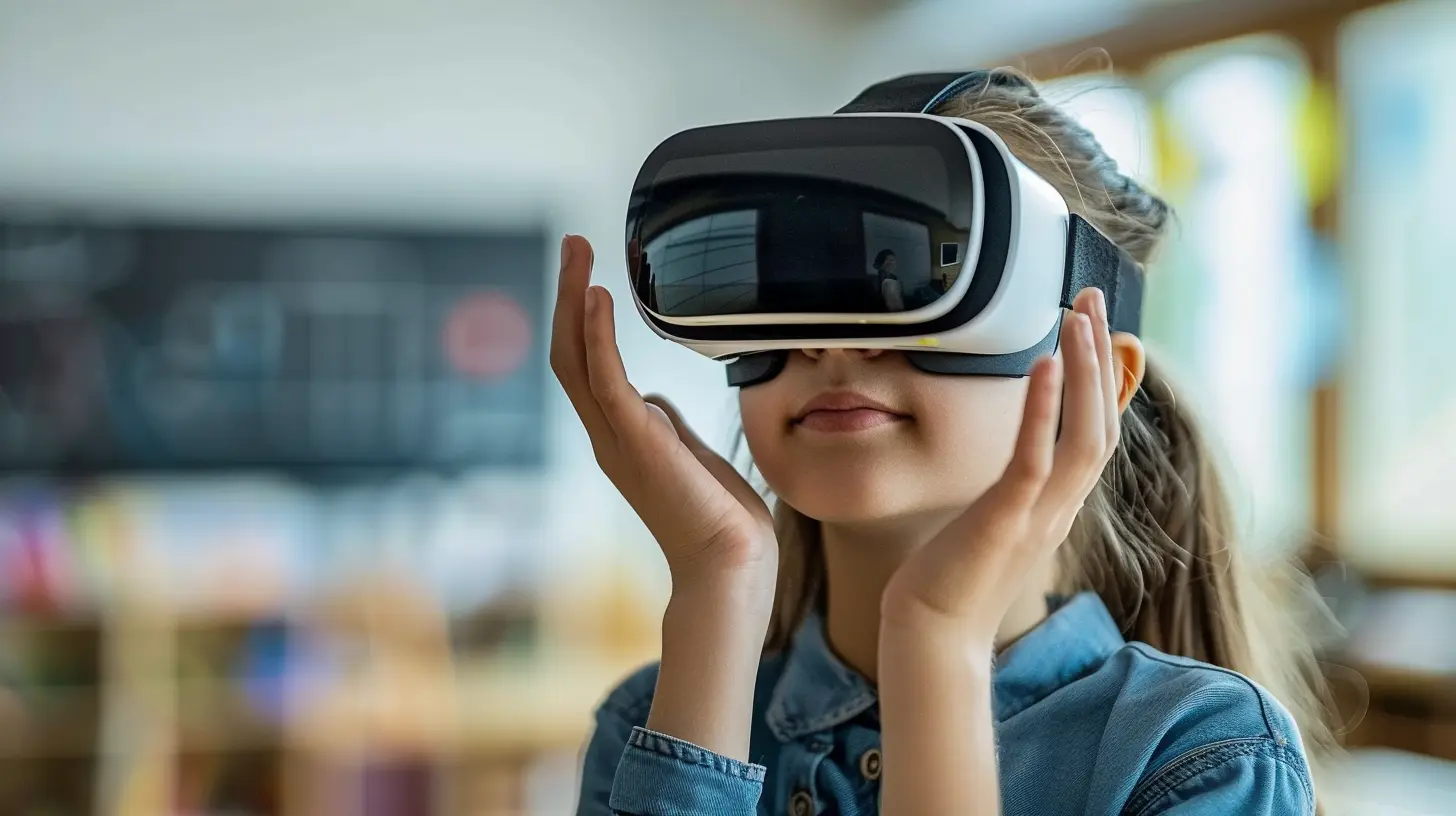
What is Virtual Reality (Just So We're on the Same Page)
Before we go any further, let’s break down what VR actually is. Virtual reality refers to a simulated experience that can either closely mimic the real world or toss you into a completely fantastical environment. With the help of a VR headset (like the Oculus Quest 2 or HTC Vive), users can interact with these digital worlds in 360 degrees.VR isn’t just for sword fights in Skyrim or shooting aliens in space anymore. It’s marching right into classrooms and redefining how we learn.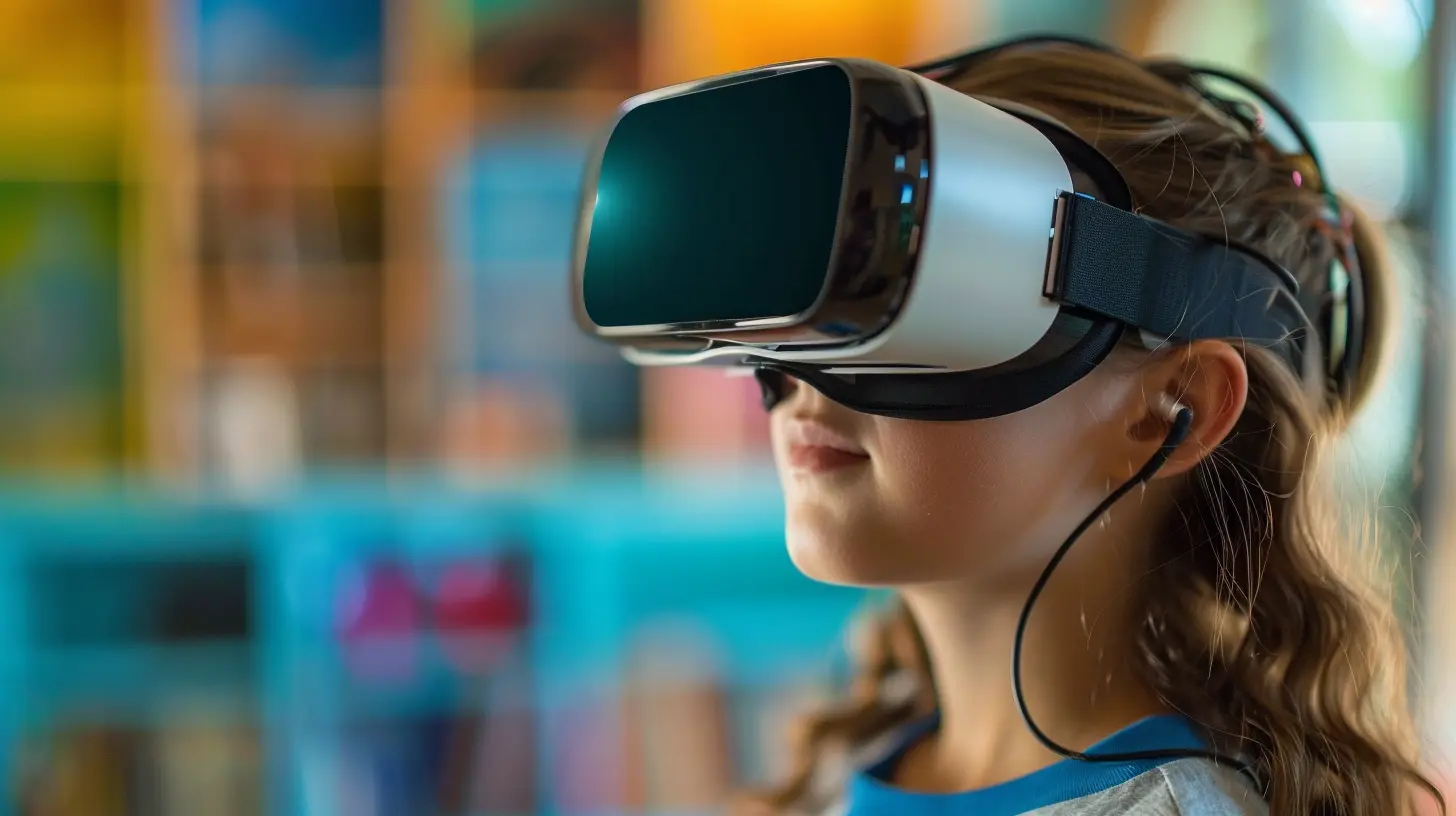
The Evolution of Education: From Blackboards to Headsets
Let’s be honest—traditional classroom learning can be a bit of a snoozefest sometimes. We’ve all had those days staring at a whiteboard, wondering why time decided to slow down to a crawl.Here’s how education has evolved over time:
- Chalkboards → Whiteboards
- Overhead projectors → Smartboards
- Textbooks → Tablets
- And now... Classrooms → Virtual Worlds
Enter VR, the ultimate game-changer. It’s not just about keeping students engaged (though that’s a big win); it’s about giving them a chance to experience education in a totally new way.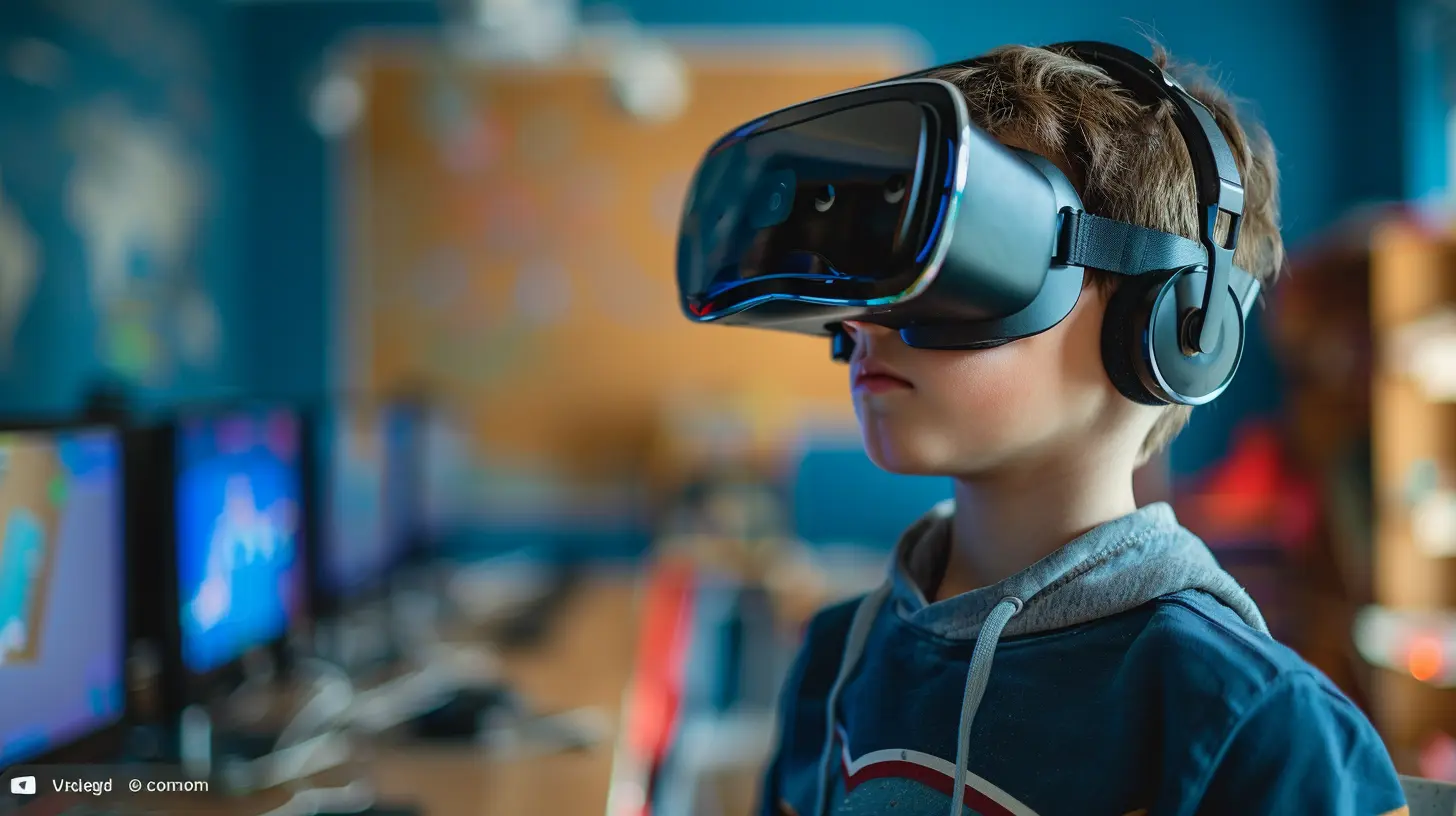
The Power of Immersion: Why VR Works So Well for Learning
Ever notice how you remember video games or movies more vividly than reading a textbook? That’s immersion doing its thing. VR taps into this same principle. When you’re fully immersed, you’re more likely to:- Pay attention
- Retain information
- Understand complex topics
It’s one thing to read about a volcano erupting. It’s a whole different story when you can stand inside one (in virtual reality, of course—we're not that crazy!).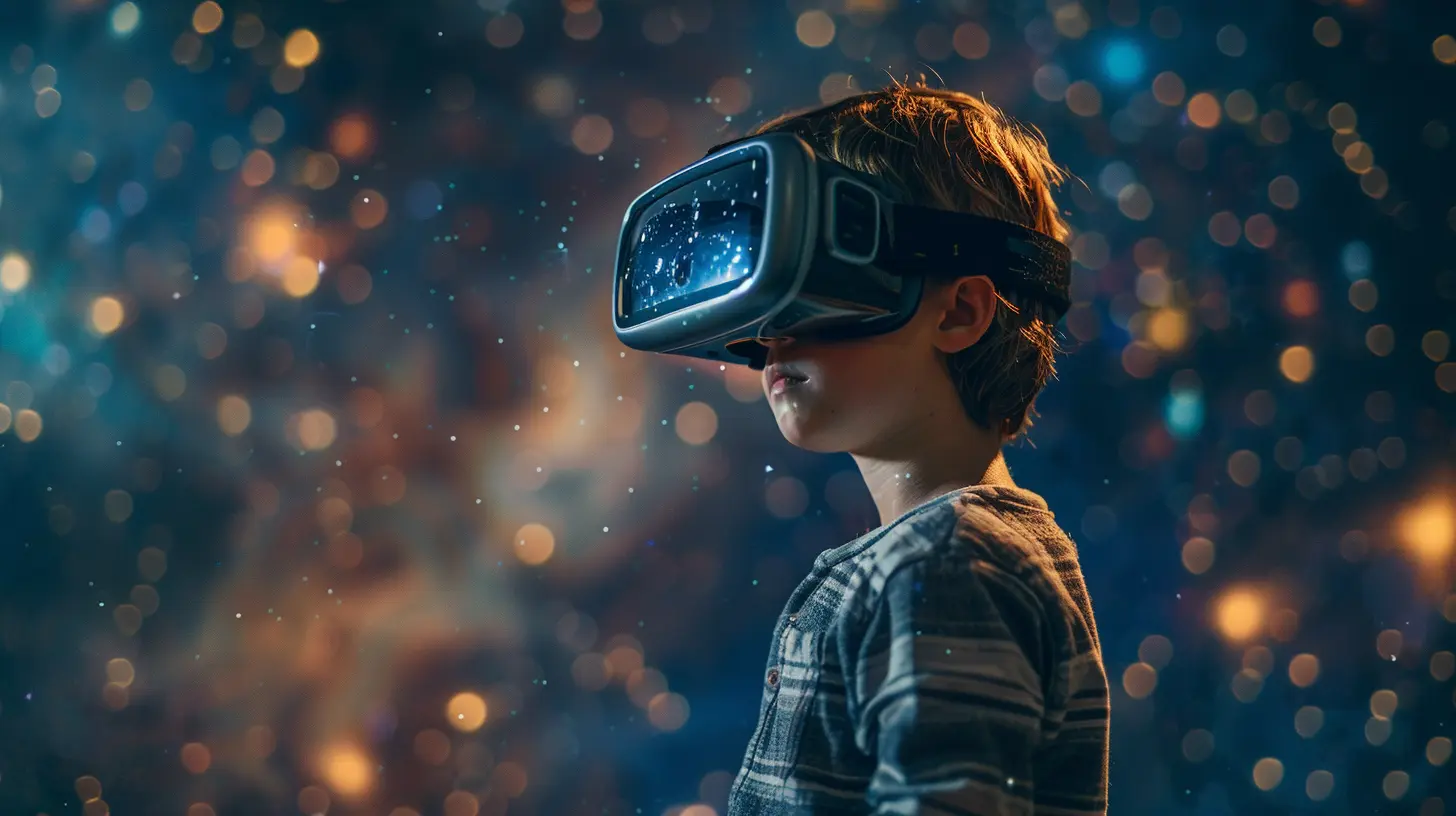
Gamifying Education: Making Learning Fun Again
Remember when learning felt like a chore? Yeah, VR kicks that idea to the curb. One of the best things about virtual reality is its ability to turn boring lessons into exciting, game-like experiences.Let’s say you're studying biology. Instead of watching a dry video about the cell structure, how about entering a VR game where you're a cell repair technician fixing broken parts of a cell? It’s like combining “Among Us” with a biology class—who wouldn’t want that?
This is called gamification, and VR is its best friend.
Real-World Applications: VR in Different Subjects
VR isn’t a one-trick pony—it’s got range. Let’s take a look at how it fits into different subjects:? Science
- Perform virtual lab experiments without blowing anything up (bonus!).- Travel inside the body or dive deep into the ocean to study ecosystems.
? History & Geography
- Walk through historical landmarks.- Witness key historical events (with historically accurate settings).
- Explore different countries without jet lag.
? Art
- Paint in 3D using tools like Tilt Brush.- Visit virtual art galleries and museums from around the globe.
? Career Training
- Medical students can practice surgeries.- Mechanics can work on virtual engines.
- Pilots can get flight experience—without even leaving the ground.
And the list goes on!
Remote Learning Gets a Level-Up
The pandemic taught us a lot—one of those lessons being how important (and tough) remote learning can be. But VR stepped up during the chaos, offering a more engaging alternative to endless Zoom calls.VR classrooms let students:
- Meet avatars of their classmates and teachers
- Interact with objects as they would in a real-life lab or classroom
- Feel more "present" in lessons (goodbye, camera fatigue!)
It’s like a multiplayer game lobby—but instead of teaming up to defeat a boss, you’re tackling math problems and science quizzes.
Affordable VR? Yep, It’s Happening
One concern people always have is cost. Fair enough—VR headsets used to be super pricey. But now, with more companies jumping in (Meta, Sony, HP—you name it), headsets are becoming more budget-friendly.There are also mobile-based VR headsets like Google Cardboard that work with your smartphone. While they’re not as advanced, they still offer a pretty awesome intro into VR learning.
Point is: VR education isn’t just for elite private schools anymore. It's slowly making its way into public schools, universities, and even home-based learning setups.
Teachers Are Still the MVPs
Let’s not forget, though—VR is just a tool. A super cool tool, yes, but it still depends on great teachers to guide the experience. The best VR lessons are designed with thoughtful learning goals, not just flashy visuals.Teachers can use VR to:
- Cater lessons to different learning styles
- Encourage collaboration and team exercises
- Spark discussions that go beyond the virtual experience
So while VR can virtually take us to space, it still needs the heart and direction only a teacher can provide.
Challenges of Using VR in Education (Let’s Be Real)
Alright, it’s not all rainbows and holograms. Like any tech, VR has its hurdles:- Cost: Still a barrier for many schools.
- Tech issues: Glitches, headset malfunctions, or clunky software can break immersion.
- Accessibility: Not all students can wear headsets for health or physical reasons.
But the tech is improving fast, and developers are working hard to make VR more accessible for everyone.
The Future: What's Next for Education and VR?
So, where are we headed with all this? Honestly, the future looks pretty epic.Imagine:
- Global VR classrooms with students from around the world interacting in real-time
- AI-powered tutors inside your VR headset
- Personalized learning simulations that adapt to your skill level and interests
We’re not talking about replacing teachers or schools. We’re talking about enhancing education so it’s more immersive, inclusive, and inspiring.
Ready Player Learn: VR Games That Teach
If you’re wondering how to get started with VR for education, here are some really neat educational VR games and platforms worth checking out:? Google Expeditions
Take virtual field trips around the globe.? Titans of Space
Explore the solar system like a space tourist.? Engage VR
A platform for hosting virtual classes, lectures, and meetings.? Oculus Medium
Create 3D art—sculpt, mold, and play around like a digital Michelangelo.? Human Anatomy VR
Go full "Magic School Bus" inside the human body.There’s something for everyone—even if you’re just looking for a fun way to sneak in a little learning between gaming sessions.
Final Thoughts: Virtual Reality Isn't Just A Gimmick
Let’s wrap it up with this thought—VR in education isn’t just a flashy gadget waiting to be tossed in a tech drawer. It’s here, it’s growing, and it has the power to change learning for the better.Whether you're a student tired of reading never-ending paragraphs, a teacher looking for new ways to connect, or just a curious gamer with a VR headset, there's a whole new dimension of learning waiting for you.
So strap on that headset, fire up your curiosity, and step into a classroom like no other.
all images in this post were generated using AI tools
Category:
Educational GamesAuthor:

Stephanie Abbott