The Rise of Game-Based Learning in Schools
30 May 2026
Let’s face it—traditional classrooms are evolving, fast. The chalk-and-talk method is quickly being replaced by tech-savvy, interactive learning strategies. And leading the charge? Game-based learning. That’s right, video games aren’t just for killing time anymore. They’re reshaping how kids absorb information, understand complex ideas, and actually enjoy learning.
From motivating students to helping teachers create more dynamic lessons, the rise of game-based learning in schools is turning heads and flipping textbooks. But what’s really behind this educational revolution? And is it just a trend or the future of learning?
Let’s dive deep into what game-based learning is all about, how it’s changing classrooms, and why schools everywhere are jumping on board.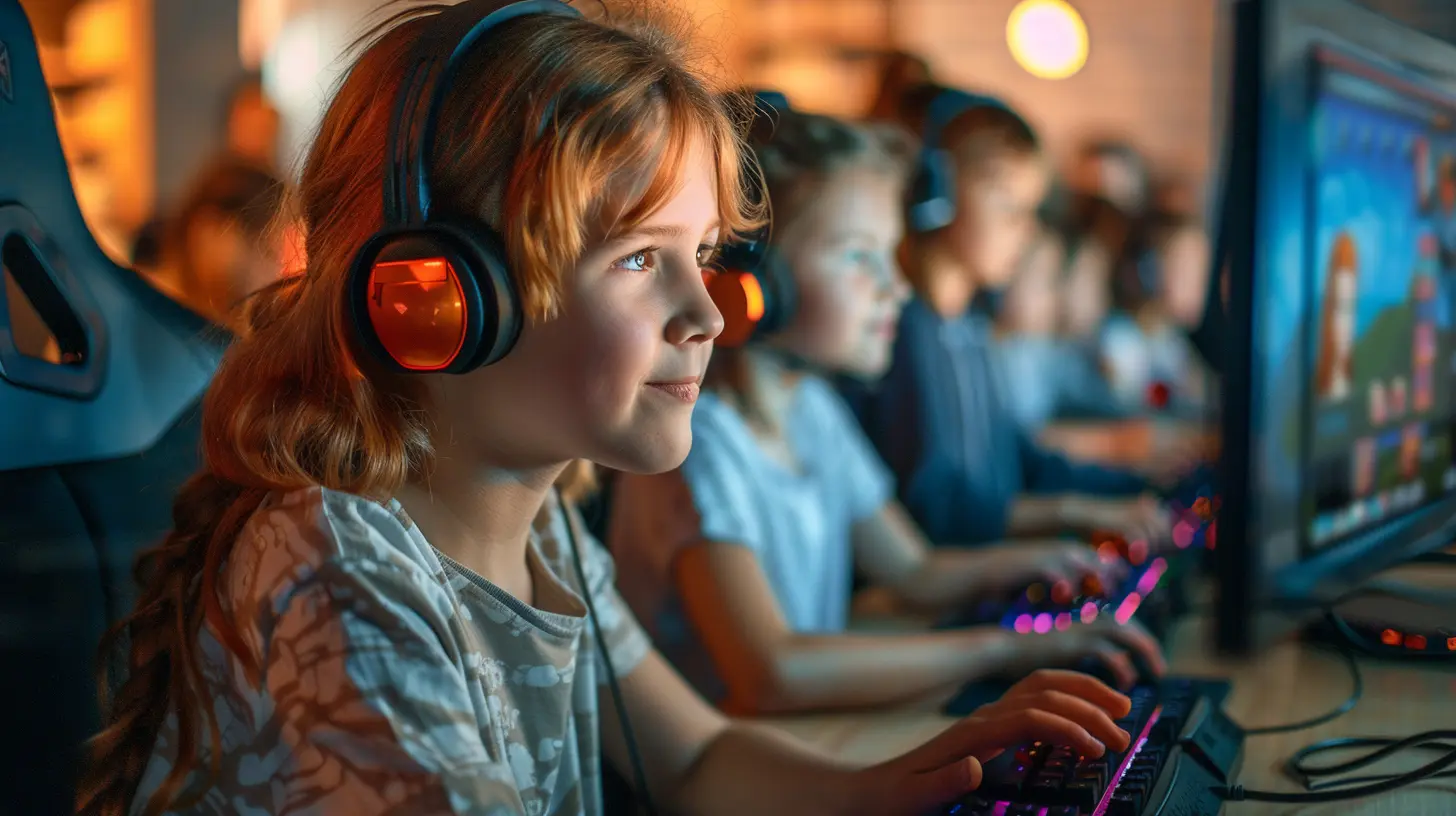
What is Game-Based Learning Anyway?
Before we go any deeper, let’s break it down. Game-based learning (GBL) is exactly what it sounds like: using games to teach. But we're not just talking about arcade-style playtime. These are games designed with a purpose—to educate while entertaining.Imagine learning history by role-playing as a Roman general or mastering math skills while managing resources in a digital city. With GBL, lessons are interactive, immersive, and, frankly, way more fun than listening to a lecture or filling out a worksheet.
It’s important to note: game-based learning isn’t the same as gamification. Gamification uses game elements (like points, badges, and leaderboards) in traditional settings to motivate. Game-based learning, on the other hand, uses actual games as the lesson itself. Big difference.
Why Game-Based Learning Works So Well
So, why is everyone talking about game-based learning? Simple—it works.1. Games Keep Students Engaged
Ask any teacher what the biggest challenge in the classroom is, and most will say keeping students engaged. In an age where attention spans are shorter than ever, games capture attention like nothing else.Games are fast-paced, interactive, and goal-oriented. They grab the player’s focus and hold it, naturally encouraging active participation. No more students zoning out during long lectures.
2. Failure Becomes a Learning Opportunity
In most school systems, failing is seen as... well, failure. But games flip that on its head. Mistakes are part of the process. You lose, try again, and get better. It’s a safe space to mess up, learn from it, and move forward.That mindset shift can work wonders when applied to academics. It helps kids build resilience, persistence, and growth-oriented thinking.
3. Games Support Different Learning Styles
Every student learns differently. Some are visual learners, others are hands-on. Game-based learning hits multiple styles at once—visuals, sounds, simulations, and even storytelling. It’s like giving each student a custom-tailored lesson.Plus, students can progress at their own pace. Struggling? Take your time. Excelling? Advance faster. Games adapt, and that’s something traditional classrooms often struggle to do.
4. Real-Time Feedback and Rewards
One awesome thing about games? Instant feedback. Whether it’s a high score, a level-up, or an achievement unlocked, students know right away how they’re doing.That immediate feedback loop helps learners adjust strategies, stay motivated, and feel a sense of progress. Compare that to waiting days for a graded paper—it’s a no-brainer.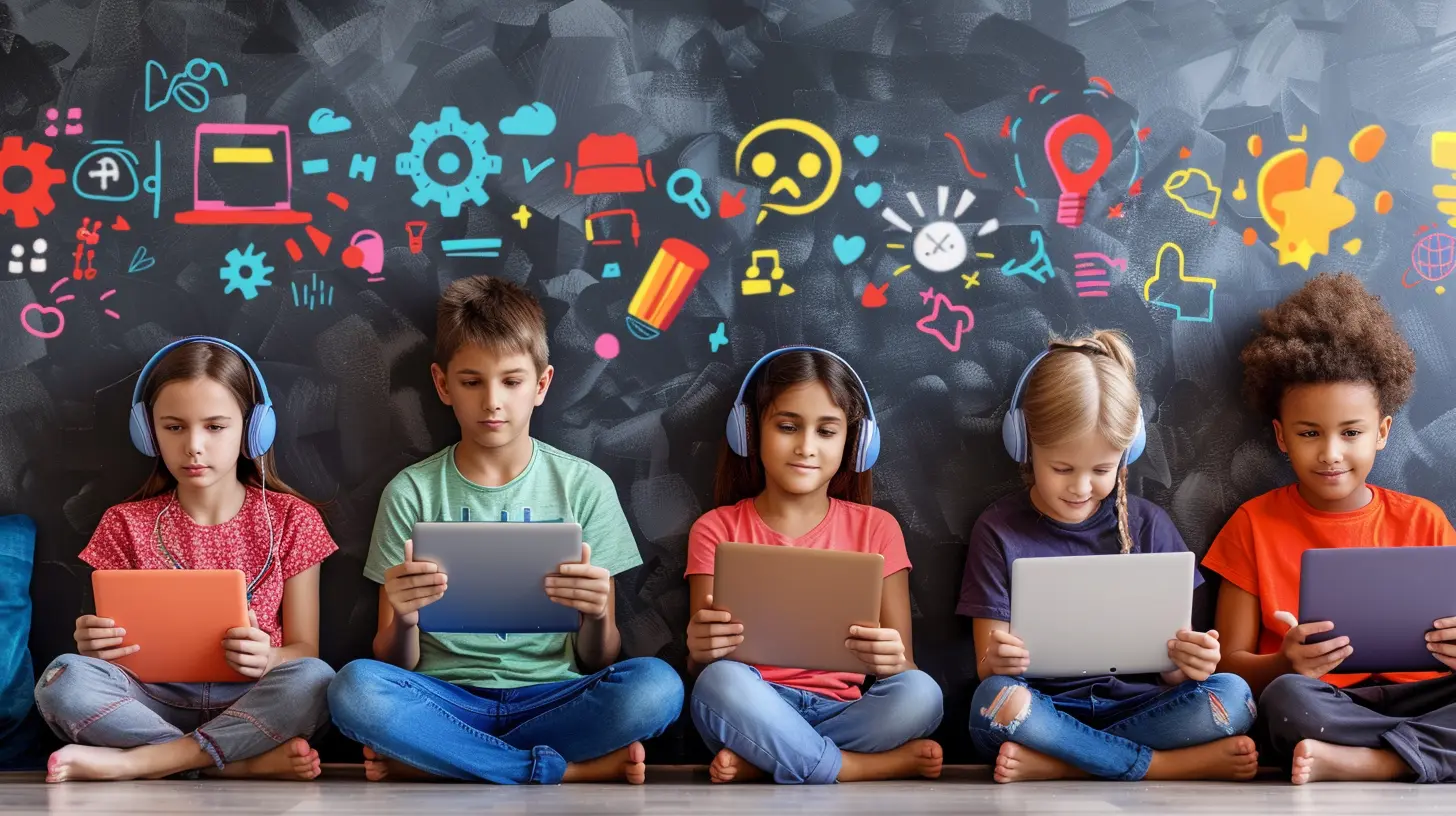
Where We’re Seeing Game-Based Learning Shine
Game-based learning isn’t just a high-tech wish list item—it’s happening now in classrooms around the world.Math and Science Made Easy
Subjects like math and science can be intimidating. But with GBL, abstract concepts become visual, interactive experiences.Take Minecraft: Education Edition. Students use blocks to understand geometry or recreate ecosystems. It’s hands-on, it’s creative, and it’s educational.
Similarly, platforms like Prodigy turn math into a fantasy RPG where solving problems battles monsters. Sounds way more fun than flashcards, right?
History Comes Alive
History can feel dry in textbooks, but games like Assassin’s Creed: Discovery Tours or Civilization let students walk through time, interact with historical figures, and see the impact of decisions made centuries ago.It’s one thing to read about the Industrial Revolution—it’s another to simulate running a city through it.
Coding and Problem-Solving
Game-based platforms like Roblox Studio or Scratch teach kids to code through game creation. They’re not just playing—they’re building, testing, and problem-solving.This doesn’t only build technical skills; it fosters creativity, logic, and critical thinking. And honestly, it’s kind of amazing to see a 10-year-old create their own mini-game from scratch.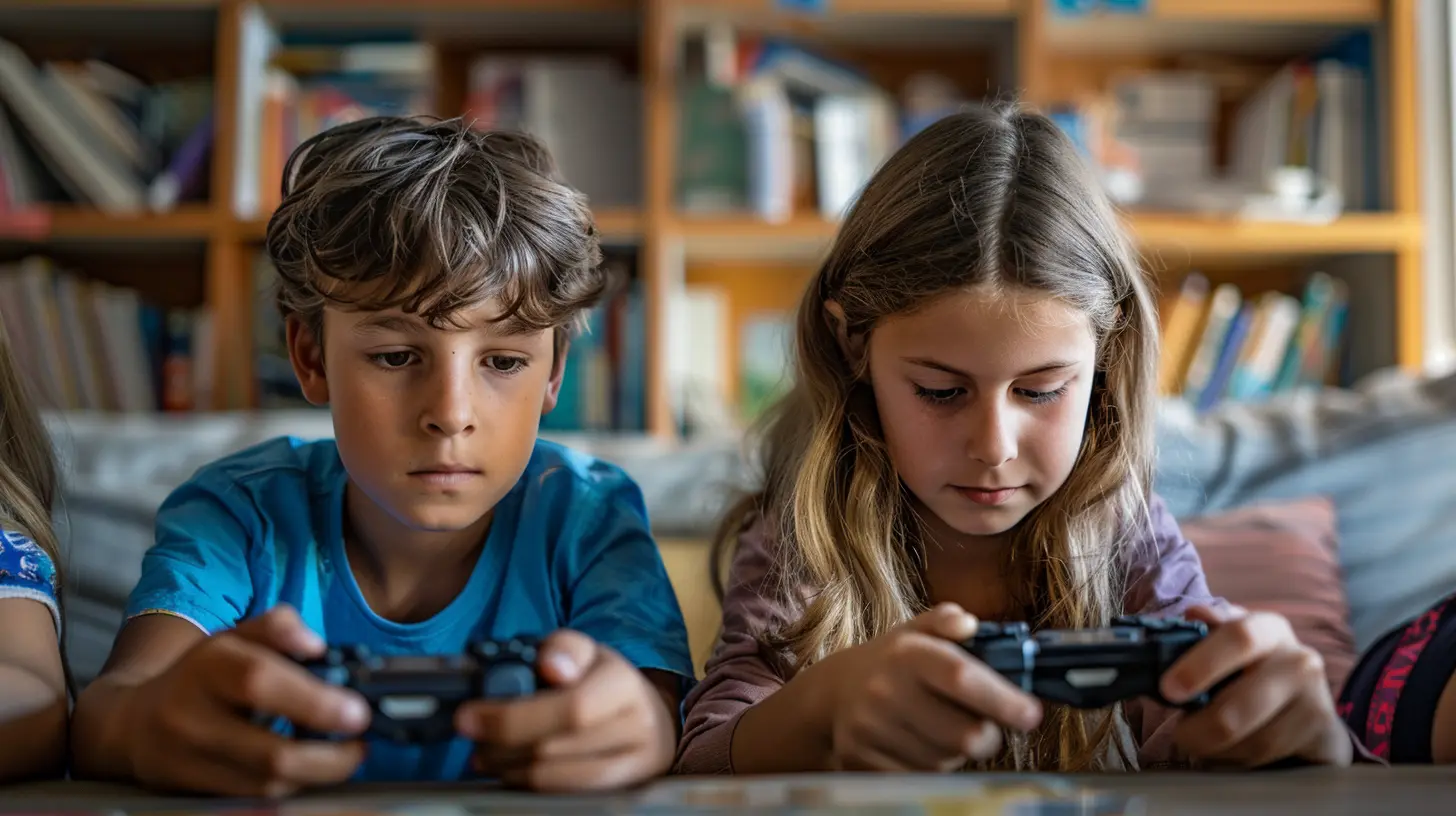
Teachers Aren’t Being Replaced—They’re Being Empowered
Let’s clear something up. Game-based learning isn’t about replacing teachers with tablets and consoles. Instead, it’s about giving teachers better tools to do what they do best—teach.Better Classroom Management
Keeping students on task is tough. But when lessons are game-based, students are busy learning while playing. Less disruption, more focus.Plus, many GBL platforms offer built-in analytics. Teachers can see exactly where students are struggling or excelling and adjust instruction accordingly.
Customizable Lessons
Games often let educators set levels, topics, and goals. Want to teach algebraic equations or environmental science? There's probably a game for that—and one that can be tailored to match your curriculum and students’ needs.Encouraging Collaboration
Multiplayer educational games encourage communication, teamwork, and collaboration. Whether it’s solving a puzzle together or strategizing a move, students learn to work as a team—an essential life skill.Addressing the Critics: Is It All Just Fun and Games?
Some people still roll their eyes at the idea of using video games in school. “Aren’t kids on screens enough already?” “Can you really measure learning through games?”Fair questions. Let’s unpack them.
Screen Time vs. Quality Screen Time
It’s not just about screen time—it’s about what kids are doing on those screens. Watching endless YouTube videos? Not super productive. But building a spaceship in Kerbal Space Program and learning physics along the way? That's a different story.When screens become tools for engagement, interaction, and education, they’re assets, not distractions.
Measuring Success
Yes, traditional tests might not measure GBL outcomes perfectly—but that doesn’t mean learning isn’t happening. Many games include built-in assessments that track progress, problem-solving skills, and concept mastery.And let’s not forget—learning is more than memorizing facts. GBL teaches critical thinking, adaptability, and digital literacy, which are just as valuable as test scores.
Challenges and Considerations
Now, it’s not all sunshine and 8-bit rainbows. Implementing game-based learning has its challenges.1. Accessibility and Equity
Not all schools have equal access to technology. Devices, internet speed, and software access can vary widely, especially in underfunded districts. Bridging that gap is essential for fairness.2. Training for Teachers
Most teachers didn’t grow up with these tools, and introducing GBL means adding another layer of tech to already full plates. So, proper training and ongoing support are crucial.3. Quality Control
Let’s be real—not all educational games are created equal. Some are flashy but shallow. Schools need reliable ways to evaluate which tools genuinely support learning goals.What the Future Looks Like
The rise of game-based learning isn’t a gimmick—it’s part of a bigger shift in how we think about education.We’re moving from passive learning to active engagement. From memorization to exploration. From teacher-centered classrooms to student-driven experiences.
Looking ahead, we’ll likely see more VR (Virtual Reality) and AR (Augmented Reality) integration, AI-driven personalized learning, and cross-curricular games that blend subjects together in creative ways.
As technology advances, so will the possibilities for engaging, challenging, and inspiring the next generation of learners through play.
Final Thoughts
It’s easy to underestimate the power of games. But when thoughtfully integrated into the classroom, they can be transformational.Game-based learning invites students to engage deeply, fail safely, and think critically—all while having fun. And let’s be honest: when kids enjoy learning, they’re more likely to stick with it.
Sure, there are challenges to work through. But the benefits are hard to ignore. The future of education doesn’t have to be boring, test-heavy, and stressful. It can be colorful, interactive, and… well, a little more like a game.
So, the next time someone says, “Games have no place in the classroom,” maybe ask them—have they really played the game of learning?
all images in this post were generated using AI tools
Category:
Educational GamesAuthor:

Stephanie Abbott
Discussion
rate this article
1 comments
Hailey Sweeney
Game-based learning is transforming education-exciting times ahead!
May 30, 2026 at 4:43 AM
Stephanie Abbott
Absolutely! Game-based learning is reshaping how we engage students and makes learning more interactive and fun. It's an exciting journey for educators and learners alike!