How Educational Games Are Revolutionizing Learning
4 May 2026
Let’s face it — sitting through lectures, highlighting textbooks, and grinding through worksheets isn’t exactly the most thrilling way to learn. But what if I told you that learning can be as fun as playing your favorite video game? That’s right. Educational games are changing the way we think about learning, flipping the script on traditional education methods and bringing some serious fun into the mix. So, let’s dive into how educational games are revolutionizing learning and why you (or your kids) might just want to pick up that game controller for your next study session.
What Exactly Are Educational Games?
Before we go any further, let’s clear up what we mean by “educational games.” We’re not just talking about trivia quizzes or boring flashcard apps. Educational games are video games (or games in general) specifically designed to teach. They blend gameplay mechanics with concepts from subjects like math, science, history, language, coding, and more.Think of them like a classroom inside a game console — only with way cooler graphics and the ability to respawn when you mess up.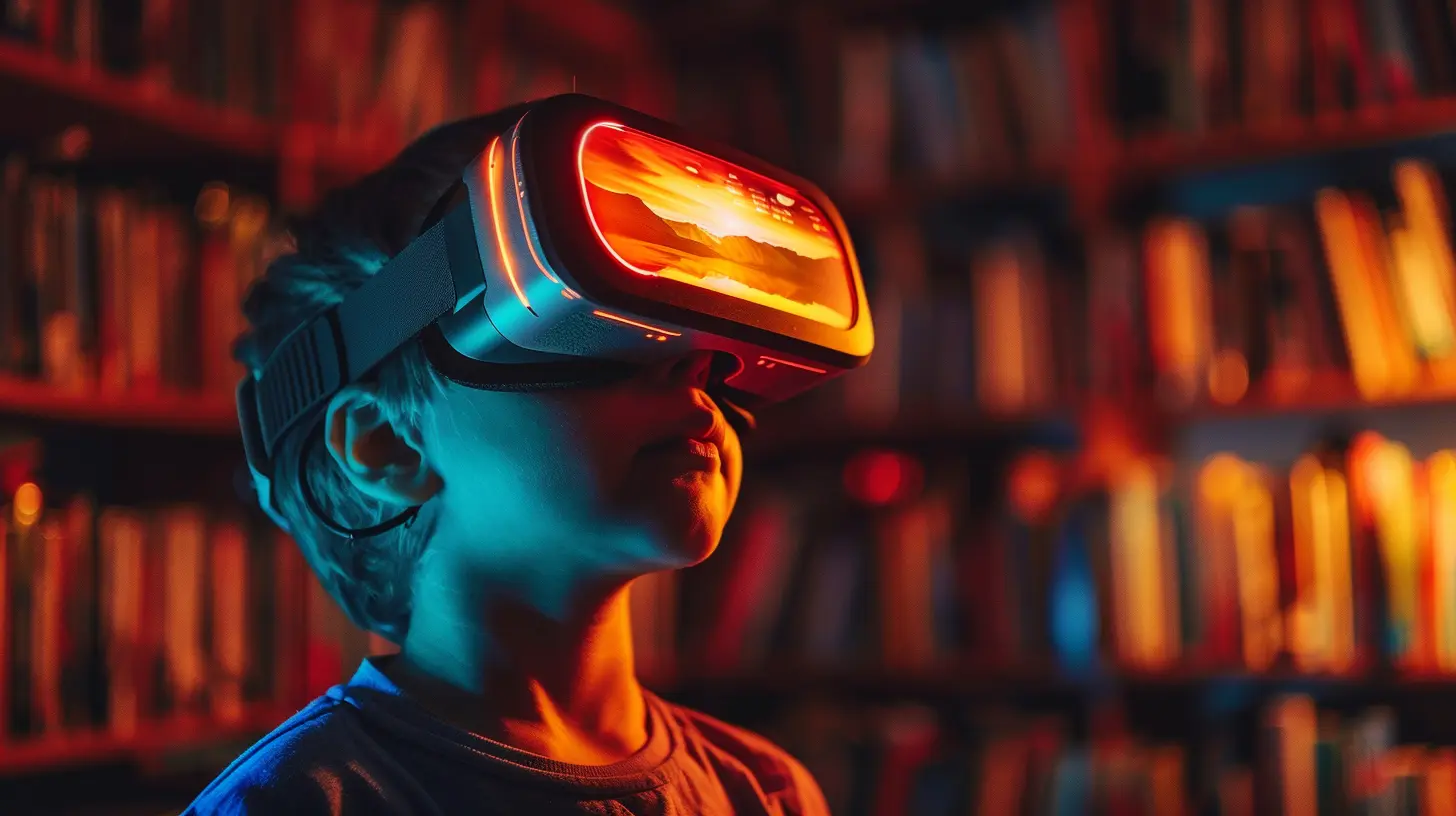
Why Traditional Learning Needed a Makeover
Here’s the thing: the traditional education system has been pretty much the same for over a century. That’s a long time to stick with one method, especially in a world that’s changed so much.Let’s break down why things needed to evolve:
- Passive learning doesn’t stick. Sitting and listening can only go so far. People learn better when they interact with the material.
- One-size-fits-all doesn’t work. Everyone learns differently. Some need visuals, some need to move, others need hands-on activities.
- Engagement is everything. The average attention span? Yeah, it’s getting shorter. If you want to keep students’ brains switched on, you’ve got to keep them engaged.
This is where educational games step in — and they’re owning it.
Gamification: The Magic Behind Educational Games
Let’s talk about a little buzzword you might’ve heard: Gamification.Gamification is basically taking the best parts of games — rewards, levels, achievements, and competition — and applying them to non-game environments, like classrooms or training.
Educational games take this idea a step further by building entire learning experiences around these elements. Imagine solving math problems to unlock new worlds or using spelling skills to beat a monster. The brain switches gears — “I’m learning” becomes “I’m winning,” and before you know it, progress happens.
The Science Behind Why Educational Games Work
No, this isn’t just a feel-good theory. There’s real science supporting how games help us learn better:1. Boosting Memory and Retention
Games keep you engaged longer, and the repetition through gameplay helps reinforce what you learn. Think about how many Pokémon names you remember. Now imagine if school subjects stuck the same way.2. Encouraging Problem Solving
From puzzles to strategy games, players are constantly analyzing, planning, and adapting. These are the same skills we want in the real world — and games sharpen them.3. Promoting Active Participation
You’re not just watching someone else solve a problem — you’re in the game doing it yourself. That hands-on experience makes all the difference.4. Instant Feedback and Motivation
Games tell you right away if you got something wrong, and they let you try again. This immediate feedback loop helps learners fix mistakes and build confidence without the fear of failure.Educational Games in the Classroom
Yes, teachers are jumping on the gaming bandwagon too. Many schools have started integrating educational games into their teaching strategies. And guess what? It’s working.Here’s how educational games are making the classroom more dynamic:
- Personalized learning paths let students progress at their own pace.
- Safe learning environments mean students can experiment, fail, and try again — without being embarrassed.
- Collaboration and competition encourage social learning and teamwork.
From platforms like Kahoot! to Minecraft: Education Edition, educators are using games to reach students in ways that traditional methods never could.
Subjects That Are Thriving with Educational Games
Some people think learning games are only for little kids. Nope. Educational games are killing it across all ages and subjects. Let’s break down a few areas where they’re shining:? Math Made Fun
Games like Prodigy and DragonBox make solving equations feel like going on a quest. Instead of algebra inducing eye-rolls, students are leveling up their math powers.? Literacy and Language Learning
Want to learn a new language? Apps like Duolingo or games like Influent turn vocabulary into a game. You can even practice your pronunciation with chatbots.? Exploring Science
Kerbal Space Program lets students learn physics by building rockets. Crazy, right? And games like CellCraft teach you biology through cell simulations.?️ History and Social Studies Come Alive
Assassin’s Creed: Discovery Tour strips out the violence and lets students explore historically accurate settings like Ancient Greece and Egypt.? Coding and Computer Skills
Games like Lightbot and CodeCombat make programming feel like a fantasy adventure. You're literally learning to code while fighting goblins!Real-World Skills Through Virtual Worlds
Educational games don’t just teach academic subjects. They help build life skills too.- Critical thinking and strategy. Managing resources, making choices, and planning ahead — core parts of many games.
- Time management. Completing tasks before the clock runs out? That’s adulting in a nutshell.
- Resilience and grit. Games reward persistence. You fail? Try again. And again. Until you win.
These are the kinds of skills that employers look for — and students are picking them up while having fun.
Educational Games and Special Needs Learning
One of the most incredible things about educational games? Their inclusivity.For children with ADHD, autism, or learning disabilities, educational games offer:
- Multisensory engagement that keeps attention focused.
- Self-paced environments that reduce pressure.
- Visual aids that enhance understanding.
Games can be tailored to different learning needs, making education more accessible than ever before.
Challenges to Consider
Okay, let’s be real. It’s not all sunshine and bonus coins. There are some hurdles to overcome with educational games:- Screen time concerns. We want kids playing games to learn, but not zoning out 24/7.
- Game quality. Not all educational games are well-designed. Some are just boring or poorly executed.
- Cost and access. Good games can be pricey, and not all schools or families can afford the tech needed.
But as technology becomes more widespread and game development continues to evolve, these challenges are slowly fading.
The Future of Educational Games
So, what’s next?We’re looking at a future where virtual reality (VR), augmented reality (AR), and artificial intelligence (AI) will take educational gaming to insane new heights. Imagine exploring ancient civilizations in VR or having an AI tutor guide you through a math dungeon. Wild, right?
And with the rise of mobile learning and cloud gaming, educational games can go wherever students go — no backpacks required.
Final Thoughts: Game On!
At the end of the day, learning doesn’t have to be a chore. Educational games are proof that with the right blend of fun and function, we can turn dull subjects into thrilling adventures. Whether you're five or fifty, playing to learn might just be the smartest move you make.So next time someone says video games are a waste of time? Just smile and ask them how many physics principles they learned by launching a rocket... in Kerbal Space Program.
all images in this post were generated using AI tools
Category:
Educational GamesAuthor:

Stephanie Abbott
Discussion
rate this article
2 comments
Weston McTiernan
This article beautifully highlights the transformative power of educational games. They make learning engaging and interactive, turning complex subjects into fun experiences. It's inspiring to see how these tools can ignite a passion for knowledge in students. Excited to see where this revolution takes us next!
June 23, 2026 at 2:36 PM
Stephanie Abbott
Thanks for your thoughtful comment! I'm glad you found the article inspiring. Educational games truly have the potential to change how we learn and engage with subjects. Let's see where this exciting journey leads us!
Eden Willis
Educational games are transforming the learning landscape. They engage students in innovative ways, making complex concepts accessible and enjoyable. This shift not only boosts motivation but also enhances retention.
May 4, 2026 at 4:35 PM
Stephanie Abbott
Absolutely! Educational games truly make learning fun and memorable, bridging the gap between complex ideas and student engagement. It's an exciting shift for both teachers and learners.