The Power of Relics: How Ancient Artifacts Shape Gaming Universes
16 January 2026
Have you ever played a game where a dusty old relic became the centerpiece of the entire storyline? You’re running through a dungeon, fighting off bad guys, solving puzzles, and boom — there it is. An ancient artifact radiating mystery, power, and a sense of history so deep you almost feel like an archaeologist yourself. Whether it’s a glowing amulet, a cursed blade, or an ancient book of spells, relics have a way of pulling us into gaming worlds like no other element can. Why is that, though? What makes these relics so powerful in shaping gaming universes?
Let’s dive into the magic of relics in video games and how these ancient artifacts carve out identities not just for the characters but for the entire worlds they inhabit.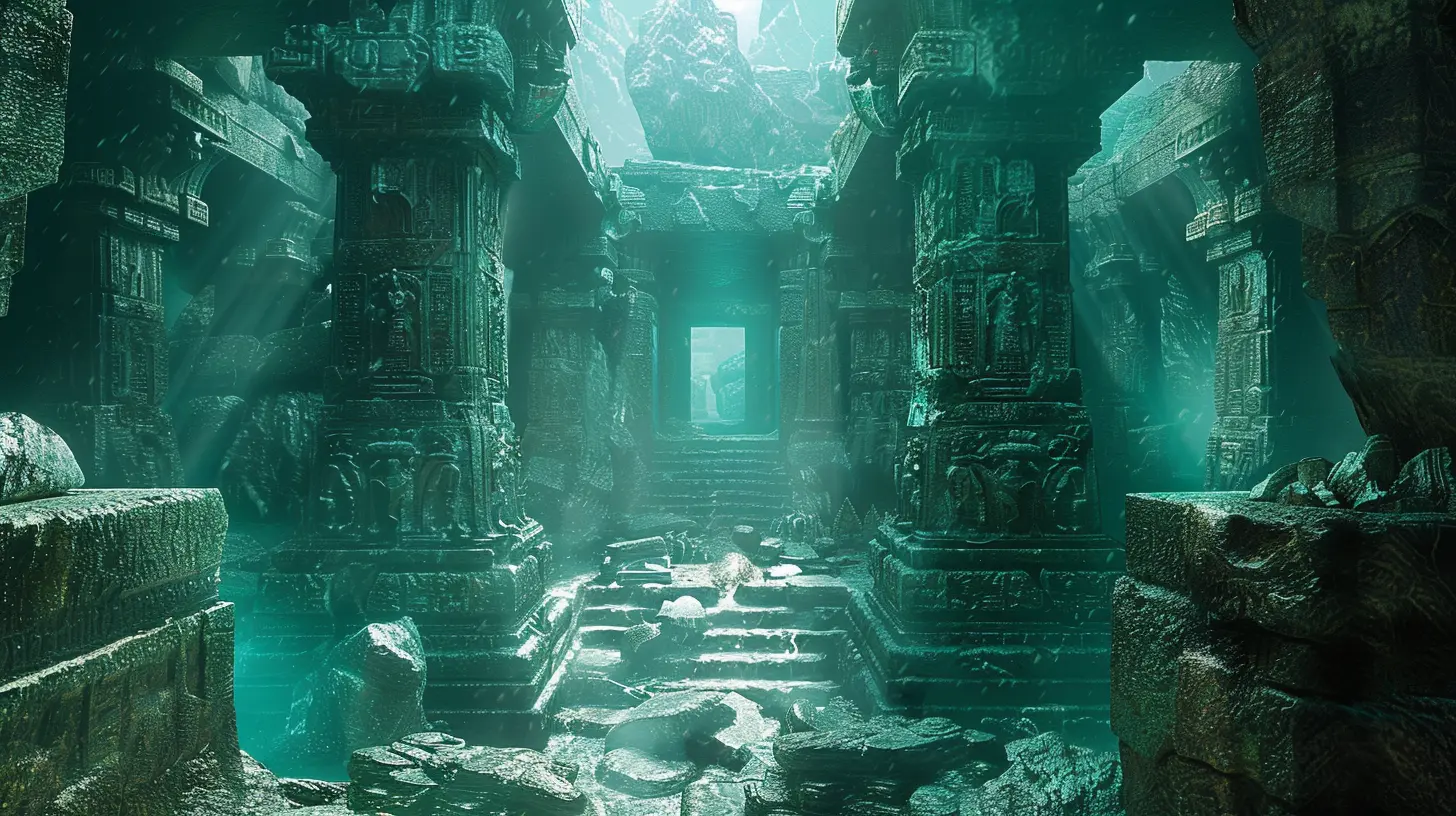
Why Are Relics So Intriguing?
Before we get into how video games use relics, let’s talk about why these things fascinate us. I mean, think about it: humans have always had a natural curiosity about the past. We see a decayed statue or an old map, and our minds immediately wander. Who made this? What was it used for? Who touched it last?Relics in games tap into that same curiosity. They’re not just objects; they’re vessels of history. They carry the weight of their creators and the lives of those who once owned them. It’s like every artifact has a story stitched into its fabric, waiting to be unraveled. And as gamers, we can’t help but take on the role of the storyteller, piecing together these fragments of the past to paint a bigger picture.
And honestly, who doesn’t love the feeling of holding something ancient that holds immense power? It’s like Indiana Jones meets Thor. Relics symbolize mystery and authority, giving players a tangible link to the lore of the game world.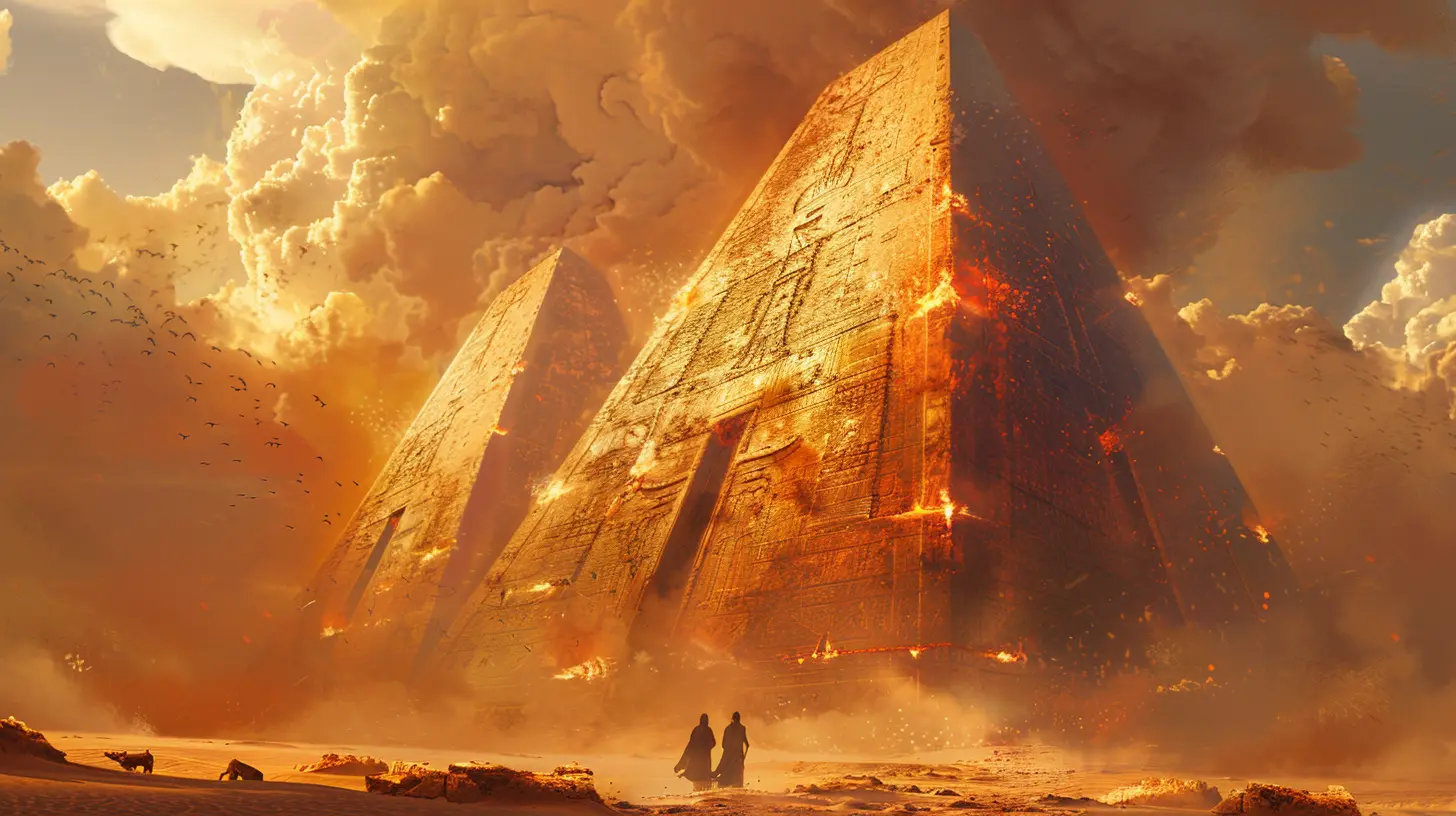
Relics as Narrative Drivers
In most games, relics aren’t just decorative props sitting on a shelf — they’re the backbone of storytelling. Think of them as the keys to unlocking the narrative, both literally and figuratively. They can create conflict, drive quests, or even define the main character's purpose.Take "The Legend of Zelda," for instance. The Master Sword isn’t just a weapon; it’s a symbol of hope, courage, and the eternal battle between good and evil. It connects Link to the sacred history of Hyrule, making him a part of something bigger than himself. Every time you wield that sword, you feel like you’re carrying the weight of generations on your shoulders.
Or consider games like "Tomb Raider" and "Uncharted," where the entire premise revolves around hunting ancient relics. These artifacts aren’t just treasures; they’re intricate puzzles tied to lost civilizations, hidden dangers, and moral dilemmas. Every relic discovered deepens the story, unveiling secrets about forgotten worlds or triggering catastrophic events.
Relics don’t just sit back and let the story happen. They are the story. They’re the glue that binds the player to the game’s universe.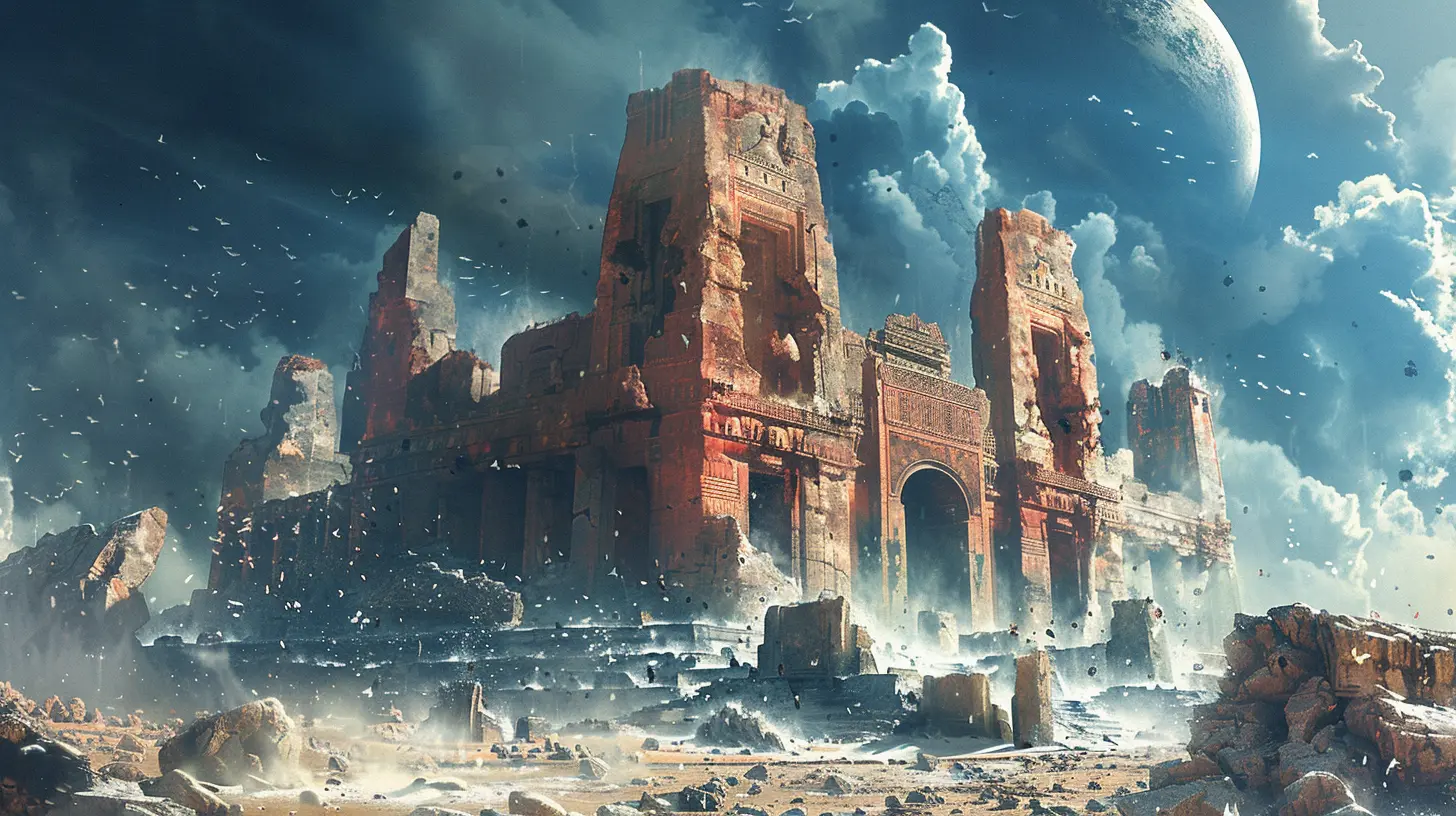
World-Building Through Ancient Artifacts
Relics are the unsung heroes of world-building. Yeah, sure, lush environments and detailed NPCs are great, but nothing screams "this world has a history" like an ancient artifact buried in the sand or locked behind a centuries-old seal.When you stumble upon a relic in a game, it tells you a lot without saying a word. Is it ornate and glittering, implying a once-prosperous civilization? Or is it crude and utilitarian, hinting at a society more focused on survival than art? Relics are like cultural breadcrumbs, giving players a peek into how the world used to operate.
Take "Dark Souls," for example. The world of Lordran is practically littered with relics that whisper the fragmented history of its fallen kingdoms and doomed heroes. The Great Lord Soul, the Silver Pendant — each comes with cryptic lore that adds layers to the game’s dark, mysterious setting. You don’t just feel like you’re playing a game; you feel like you’re walking through the ruins of a once-great world.
And don’t get me started on the Elder Scrolls series. Every relic in "Skyrim" feels like it could have been ripped straight out of an actual museum, complete with inscriptions, unique backstories, and ties to the politics and culture of Tamriel. It’s like the developers doubled as historians, and honestly, we love them for it.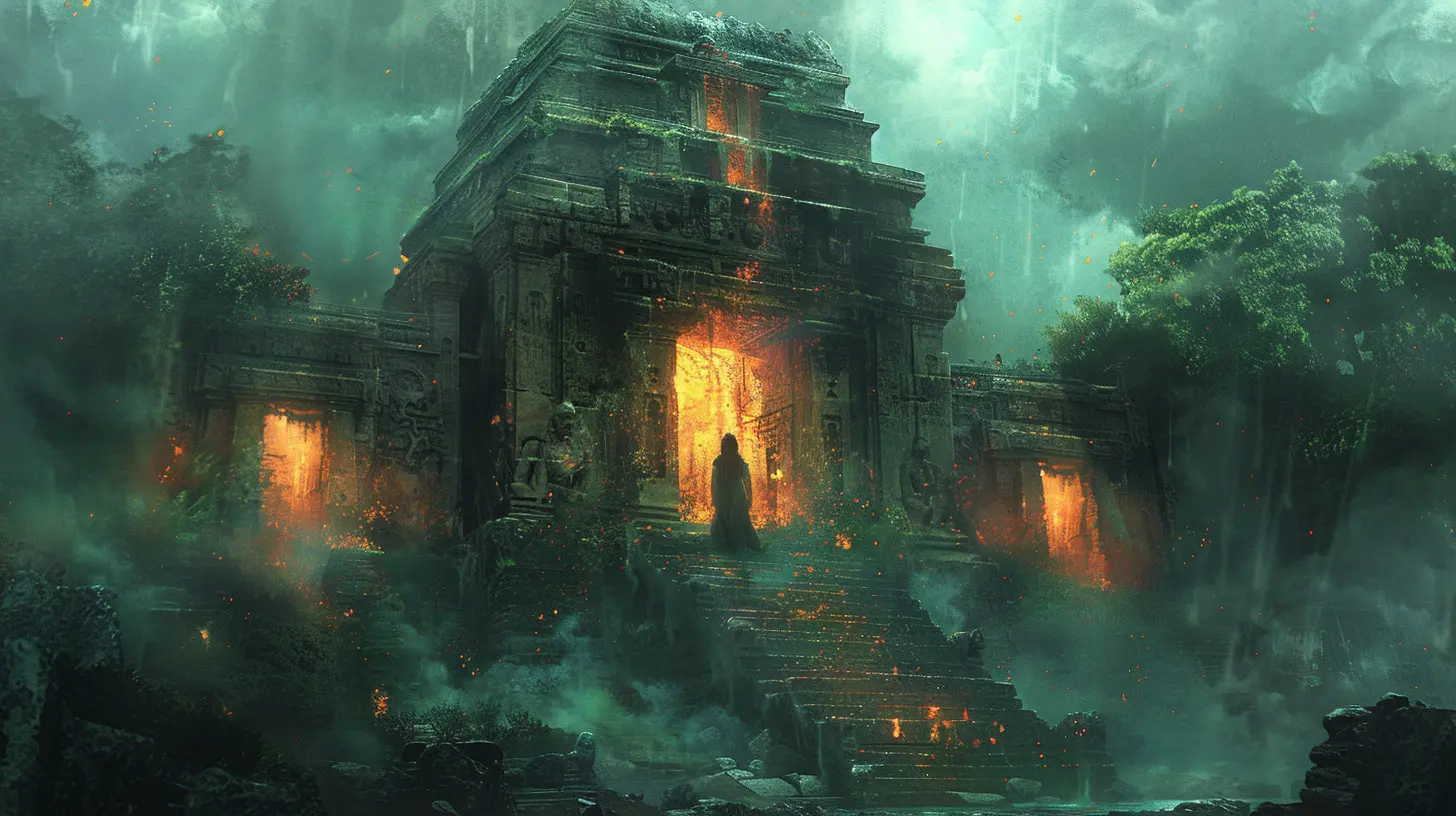
Gameplay Innovation: When Relics Aren’t Just Pretty
Of course, relics aren’t just there to look cool or tell you a story — they’re often crucial to gameplay mechanics. Game devs cleverly use these ancient artifacts to introduce new powers, shape player progression, or even turn the tide of a battle.Think about the "God of War" series. Many of Kratos’s abilities come from artifacts tied to Greek (and later Norse) mythology. The Claws of Hades, the Amulet of Uroborus — these relics aren’t just tools; they fundamentally change how you approach combat and puzzles. They’re game-changers in every sense of the word.
Even in RPGs like "World of Warcraft" or "Diablo," relics often have dynamic effects on gameplay. A relic might grant you insane buffs, unlock hidden areas, or even alter the environment around you. They’re not just loot; they’re gameplay catalysts. You feel real excitement when you stumble upon them, knowing they could completely shift your experience.
Relics introduce surprises. They give us that childlike wonder of opening a gift and not knowing what’s inside. And honestly? Games are far more fun with that kind of unpredictability.
Relics as Symbols of Power
Let’s get real for a minute — relics in games are a power trip, plain and simple. They make us feel godlike, invincible, like we’ve been chosen by destiny itself. And who doesn’t want that? Relics are often tied to immense power, amplifying the player’s abilities or unlocking legendary secrets.In "Assassin’s Creed," the Pieces of Eden are some of the most coveted relics in the series. These ancient, otherworldly artifacts have the power to control minds and rewrite reality itself. Yeah, that’s a little terrifying, but also ridiculously cool. Collecting one isn’t just about gameplay advantages; it’s about feeling like you’ve uncovered something truly monumental.
And let’s not ignore the darker side of relics. Some come with strings attached — curses, consequences, or moral dilemmas. In "The Witcher 3," for example, some relic weapons and items may give you immense power but at the cost of your morality or safety. It’s a reminder that power always comes at a price, even in virtual worlds.
Modern Relics in Sci-Fi Settings
While most relics in games are tied to ancient civilizations, who says they can’t have a futuristic twist? Modern gaming has seen a rise in sci-fi-inspired relics — high-tech artifacts from alien worlds or advanced human civilizations. They might not be "ancient" in the traditional sense, but they serve the same purpose.Take "Mass Effect" and its Prothean technology. Every shard of Prothean relics tells us more about a long-gone species and their influence on the galaxy. These artifacts drive the story forward and add depth to the game’s universe, even if they feel more sci-fi than archaeological.
Or how about "Destiny"? That game is practically built on the idea of collecting relics from humanity’s golden age or ancient alien civilizations. The Ghost, your floating AI companion, is basically a sentient relic designed to guide you through the mysteries of the game’s universe.
Sci-fi relics are proof that the allure of ancient artifacts isn’t limited to swords and stone tablets. Whether it’s ancient or futuristic, the power of relics lies in the stories they unlock and the power they grant.
Why Do We Keep Coming Back for More?
So why are relics such a big deal in gaming? It’s because they tap into something primal within us — our love for discovery, our thirst for power, and our fascination with history and mystery. They’re a goldmine for storytellers, a sandbox for developers, and a never-ending source of excitement for players.At the end of the day, relics are more than just objects in a game. They’re bridges between worlds, connecting the player to a rich tapestry of lore, culture, and adventure. Whether it's an ancient sword, a glowing amulet, or a high-tech alien artifact, relics remind us of why we fell in love with gaming in the first place.
all images in this post were generated using AI tools
Category:
Lore And StorylinesAuthor:

Stephanie Abbott
Discussion
rate this article
2 comments
Rachael McAleer
Absolutely love this exploration of relics in gaming! These ancient artifacts not only enrich our favorite universes but also deepen our connection to history and lore. They remind us that every game is a journey, blending imagination with the wisdom of the past. Keep gaming!
January 19, 2026 at 4:19 AM
Stephanie Abbott
Thank you! I’m glad you enjoyed the exploration of relics and their impact on gaming lore. They truly do bridge the past and our gaming experiences!
Kairoth McGinnis
Relics transcend mere gameplay, weaving rich narratives that echo our deepest human quests.
January 16, 2026 at 4:40 AM
Stephanie Abbott
Thank you for your insightful comment! Indeed, relics enrich gaming narratives by connecting players to profound human experiences and histories.