Measuring Real Learning Outcomes from Game-Based Tools
4 June 2026
Gaming and education? At first glance, it sounds like mixing oil and water, right? But hold on—game-based learning is flipping traditional education on its head in all the best ways. We're not just talking about kids playing Math Blaster during recess. We're diving into powerful, immersive tools that actually teach—and the big question is: Are they working?
Let’s talk about measuring real learning outcomes from game-based tools. Because at the end of the day, it's not enough to slap badges and leaderboards onto a lesson and call it a win. We want proof—tangible, measurable proof—that game-based learning makes a difference.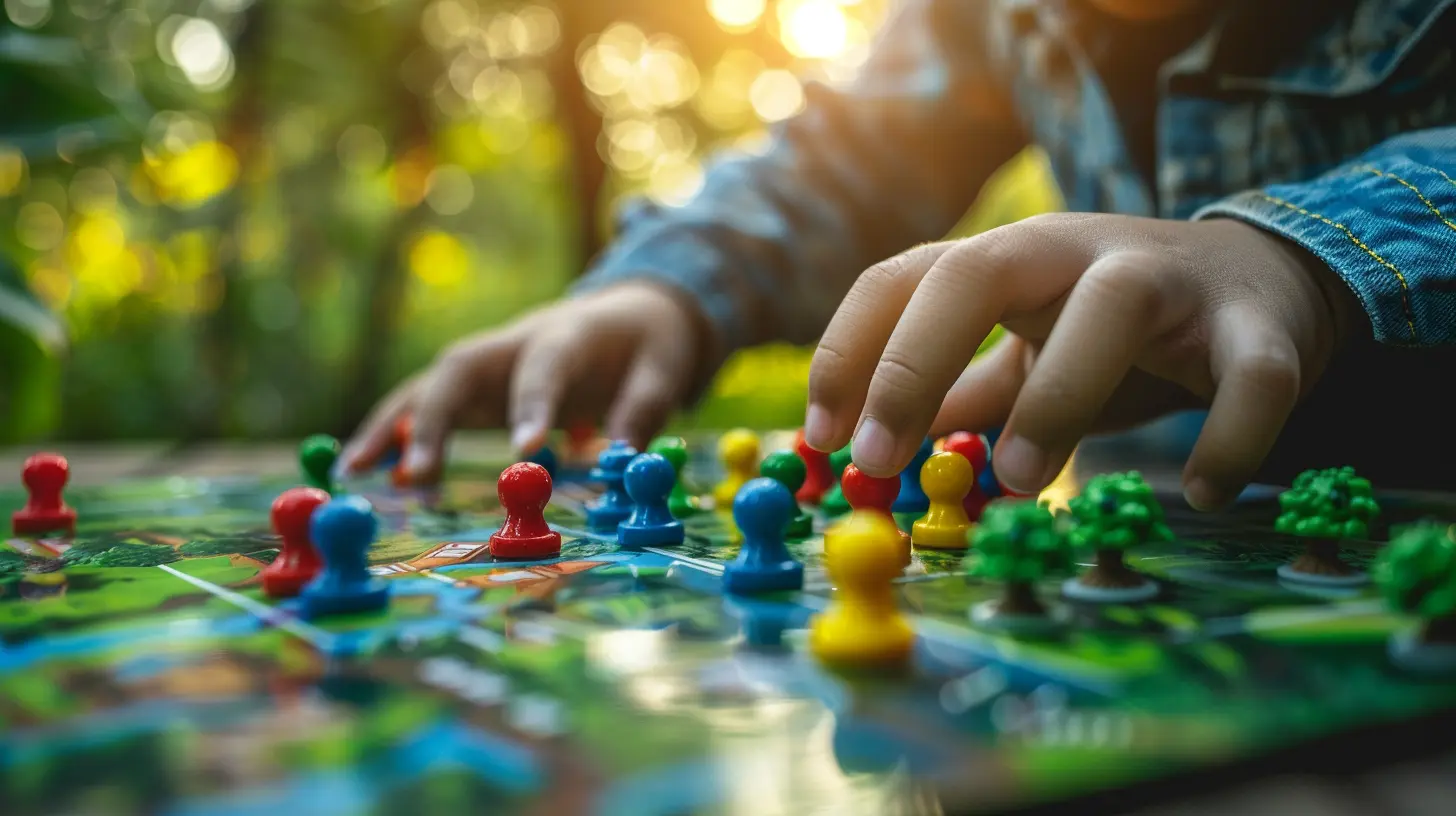
Why Game-Based Learning Has Everyone's Attention
Before we get into the nitty-gritty of measuring outcomes, let's shine a little light on why game-based learning is gaining so much traction.Let’s face it—traditional education can feel like a slog. Read a page, take a quiz, rinse, and repeat. But games? Games are engaging. They're interactive. They pull you in and give you immediate feedback. That’s what makes them such fertile ground for learning.
Engagement Is Not the End Goal
Sure, students love games. They’re motivated, excited, and sometimes even obsessed. But here’s the kicker: Engagement is only half the battle. We need to know if that engagement translates into actual learning. Are these players truly digesting the content or just tapping buttons to win?That’s where things get tricky.
The Real Deal: What Are Learning Outcomes?
Learning outcomes are the knowledge, skills, attitudes, and behaviors students are expected to gain from an educational experience. Pretty straightforward, right?But in game-based learning (GBL), defining these outcomes can get a little messy. Here's why:
- Games often cover multiple learning domains at once.
- They may mix soft skills (like collaboration) with hard skills (like coding).
- Feedback loops in games can blur the line between failure and progress.
So, step one is setting clear, measurable learning objectives. You can’t measure what you don’t define.
What Makes Measuring Outcomes from Games So Tough?
Games are complex. One minute you're solving puzzles, the next you're managing virtual economies. That’s awesome for engagement, but a nightmare for traditional assessment methods.Here are a few speed bumps:
1. Learning Is Embedded, Not Explicit
Unlike a test with clear right or wrong answers, games often require players to use stealth learning. It’s learning hidden inside gameplay, like understanding physics in a racing game without realizing it.2. Progress Isn’t Linear
Games allow for nonlinear learning paths. Players can explore, rewind, and skip around. Great for choice, but it makes tracking progress a data wrangler’s worst nightmare.3. Multiple Skills at Once
A good game could be targeting critical thinking, spatial awareness, and even emotional intelligence—all in one session. So, how do you know what’s really being learned?
Cracking the Code: How Do You Measure Learning in Games?
Alright, now let’s get down to the fun part—actually measuring real learning outcomes from these game-based tools.1. Pre and Post Assessments
Yep, sometimes you’ve gotta go old-school. Give learners a basic test before they play and the same one after. If there's a boost? Boom—evidence.But here’s the thing: Traditional paper-and-pencil tests might not catch what the game is teaching. So, the trick is to design assessments that mirror the skills being honed in-game.
2. In-Game Analytics
This is where things get juicy. Games naturally collect data—clicks, completion times, decisions made, paths taken.Some metrics you can analyze:
- Time spent on tasks
- Error rates
- Number of attempts before success
- Choices under pressure
- Collaboration (in multiplayer settings)
These can tell you volumes about a learner’s problem-solving strategies, resilience, and understanding of the material.
3. Performance-Based Tasks
Instead of testing what someone knows, have them show what they can do. Can a player build a stable bridge in a physics-based game? That's applied knowledge—practical and measurable.4. Learning Analytics Dashboards
These are fancy tools that visualize performance in real-time. Think of them like a Fitbit for your brain. They track activity, progress, and achievements, making it easier for educators to spot trends or gaps in learning.5. Self-Reports and Reflection
Yeah, self-reports can be skewed, but they still matter. Ask players about their strategies, struggles, and insights. Personal reflection helps cement learning and provides qualitative data on mindset and motivation.Beyond the Numbers: The Value of Soft Skills
One of the lesser-sung heroes of game-based learning is how well it cultivates soft skills. Think communication, leadership, adaptability.But here's the twist: These are notoriously hard to measure. You can’t just tally them up like XP.
So what do you do?
- Observation: Track how players interact in team-based games.
- Peer Feedback: Let teammates rate collaboration.
- Journals & Logs: Encourage sharing of personal growth stories.
Adding these layers gives you a richer, more holistic view of what’s being learned—and how.
Reality Check: Pitfalls to Avoid
Let’s get real. Measuring learning in games isn’t foolproof. Here are common traps to sidestep:Mistaking Engagement for Learning
Just because a student loves the game doesn't mean they’re learning. Eye sparkle ≠ knowledge transfer.Ignoring Context
Always consider the learner’s background, experience level, and even mood. Two players might tackle the same level, but draw out totally different learning value.Data Overload
More data doesn't always mean better insights. Don’t drown in charts. Focus on actionable data that aligns with your learning goals.Case Studies: Learning Outcomes in Action
Let’s bring this to life with a few real-world examples of game-based learning outcomes being measured effectively.Minecraft: Education Edition
Used in classrooms worldwide, Minecraft does more than let kids build blocky castles. Teachers use it to teach geometry, storytelling, and even social studies.How outcomes are measured:
Custom modules include embedded quizzes, alignment with standards, and teacher dashboards for tracking.
Duolingo
Gamification at its best for language learners. You earn points, level up—and learn new words along the way.Measurement tools:
Duolingo uses spaced repetition, streak tracking, and real-world tests (like placement tests) to measure progress.
Foldit
Yep, it's a game where players fold proteins. Sounds odd, but it's helped real scientists with medical research.Outcome analysis:
Researchers track how players apply logic and 3D spatial awareness, which translates to real-world scientific breakthroughs.
The Future: Smarter Games = Smarter Measurements
AI, machine learning, and adaptive algorithms are transforming how we measure learning in games. Imagine a game that knows when you're struggling and adjusts in real-time. Or one that tracks your learning style and gives personalized feedback. We’re already on that path.Even VR and AR games are stepping up, offering immersive experiences that mimic real-life scenarios—perfect for role-playing, empathy training, and hands-on learning. And the best part? We’re also getting smarter at capturing exactly what’s being learned from them.
Final Thoughts
Measuring real learning outcomes from game-based tools isn’t just possible—it’s essential. The key is mixing smart design, thoughtful metrics, and a pinch of patience.Games have the power to teach in ways that textbooks never could. But without measurement, we’re flying blind. So whether you’re a teacher, developer, or just a lifelong learner, understanding the impact of game-based learning lets you maximize its potential.
Let’s stop treating games as a side dish and recognize them as the main course in modern learning. The future of education is playful—and it's measurable, too.
all images in this post were generated using AI tools
Category:
Educational GamesAuthor:

Stephanie Abbott
Discussion
rate this article
1 comments
Melina Erickson
Game-based tools are revolutionizing education. It's time we recognize their potential and demand real metrics to measure their impact.
June 7, 2026 at 3:56 PM
Stephanie Abbott
Absolutely, the potential is immense. We need solid metrics to truly understand their impact and enhance learning.