Mastering Weapon Customization for Ultimate Performance
28 November 2025
When it comes to gaming, there’s nothing quite like the thrill of picking up a weapon that’s perfectly tailored to your gameplay. That sense of owning the battlefield? Yeah, it all begins with weapon customization. Whether you’re dropping into a fast-paced FPS match or grinding through a story-driven RPG, having the right loadout can transform a decent player into an unstoppable force. But here's the deal—weapon customization isn’t just about slapping on a fancy skin or choosing attachments at random. Nope, it's a fine art, and I'm here to help you master it like a pro.
In this guide, we’ll dive deep into the factors that influence weapon performance, break down the system of attachments and upgrades, and discuss how you can tweak your arsenal for ultimate dominance. So grab your controller, mouse, or touchscreen—we’re about to go full throttle into the world of weapon customization!
Why Weapon Customization Matters
First things first, why bother customizing your weapons? Simply put, it’s the difference between being a casual player and a tactical genius. Sure, you could roll with the default setups, but where’s the fun in that? Weapon customization allows you to play your way. Whether you prefer stealth kills over loud shootouts or prioritize accuracy over raw power, tailoring your weapon ensures your gear matches your playstyle.It goes deeper than that too. A well-customized weapon doesn’t just feel better; it performs better. Better range, tighter recoil control, faster reloads—customization gives you the edge in clutch situations. Still not convinced? Think of it like tuning a race car. You wouldn’t take a stock sedan to a Formula 1 race, would you? Same applies to your weapons—customization is your pit stop for peak performance.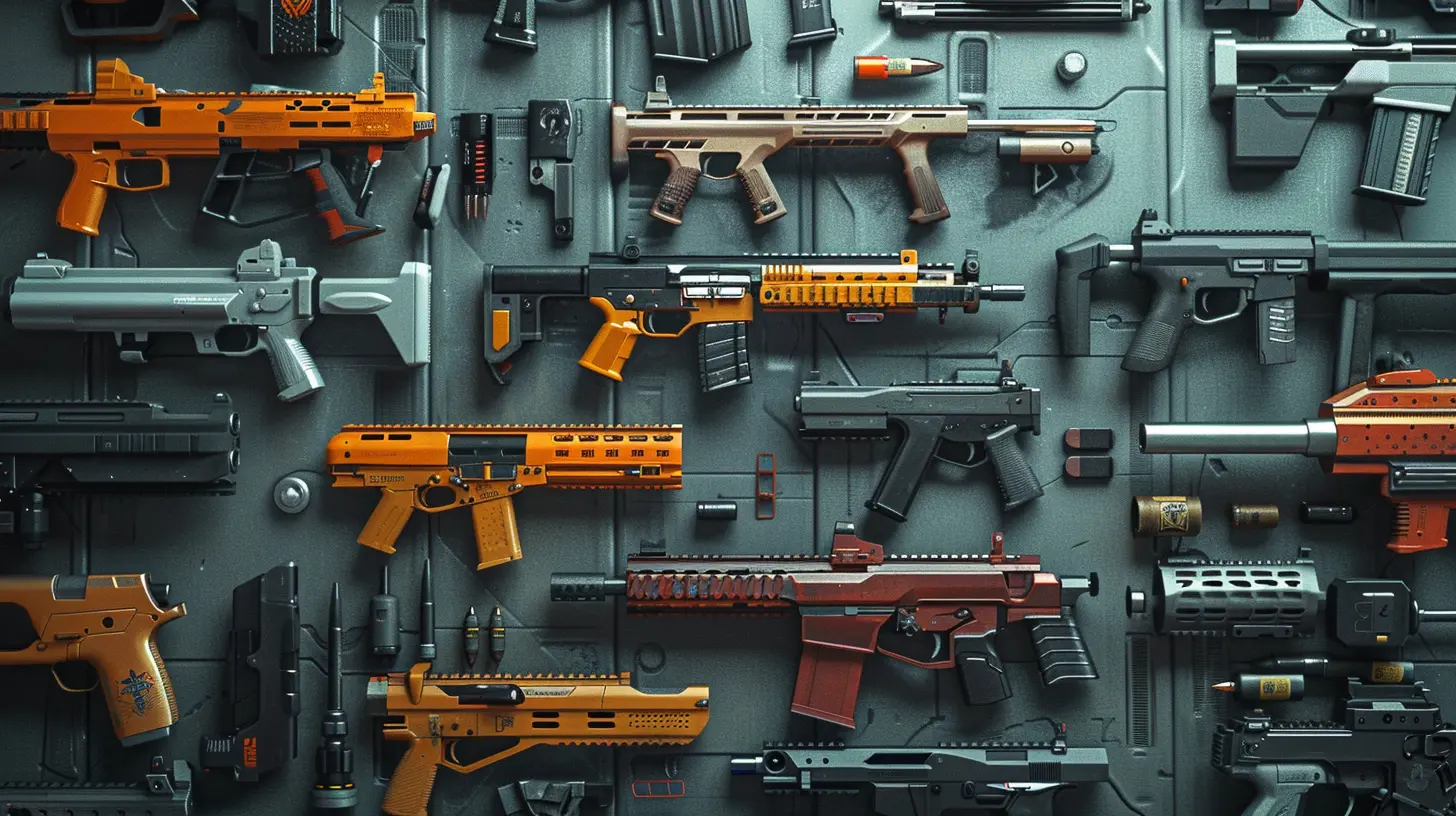
The Key Elements of Weapon Customization
Now, let’s break down what makes a weapon yours. Customization, in most games, revolves around a few specific elements. If you’re new to the concept, these terms might feel like alphabet soup, but don’t worry—we’ll simplify it all.1. Attachments
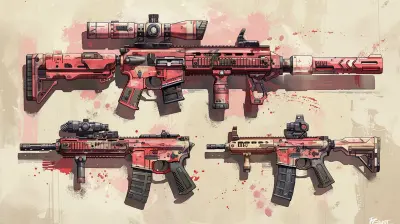
Attachments are the bread and butter of weapon customization. They’re the little add-ons you slap onto your gear to enhance specific stats. Here's a quick rundown of the common types:- Sights and Scopes: Improve aim precision, zoom levels, or give you a holographic reticle for close-range combat. They can make the difference in whether you land that headshot or waste your ammo.
- Barrels: Want better range or reduced recoil? Barrels can turn a basic shooter into a long-range sniper rifle or make hip firing more effective.
- Muzzle Attachments: Think suppressors, compensators, and flash hiders. Suppressors keep you stealthy, while compensators minimize recoil so you can stay on target. Flash hiders? Perfect for not getting spotted in those night maps.
- Grips: If you hate shaky crosshairs, grips are a lifesaver. They improve stability and control, especially when you’re firing on the move.
- Magazines: Larger mags mean more bullets before reloading, but they can slow you down. Smaller mags? Faster reload times but fewer shots.
- Stocks: Help reduce recoil and make aiming down sights (ADS) smoother.
2. Ammunition Types
Bullets matter, folks—especially in games that let you customize ammo. Armor-piercing rounds? Great against heavily armored enemies. Hollow-point bullets? Optimal for unarmed foes. Some games even throw in explosive or incendiary rounds, which add a fiery twist to your combat (literally). Picking the right ammo type isn’t just a choice; it’s a strategy.3. Perks and Modifiers
Extra perks or mods can take your weapons into overdrive. Perks act like bonus abilities—maybe they increase your reload speed, give you bonus damage on critical hits, or allow you to carry extra ammo. Mods, in comparison, are more about raw stat boosts. For example, a "recoil reducer" mod might cut your kickback in half, while a "damage amplifier" mod could beef up your firepower.4. Skins and Camouflage
Let’s not forget aesthetics. While skins don’t usually affect performance, they’re crucial for adding that personal flair. Want to intimidate foes in an online lobby? Equip a gold-plated rifle or a glowing neon skin. In tactical games, camo can even give you a slight advantage by blending into the environment, making you harder to spot.
Finding Your Playstyle
Alright, now comes the fun part—figuring out what works best for you. There’s no one-size-fits-all solution to weapon customization. A loadout that crushes for someone else might not click with your preferences. So how do you find your sweet spot? It starts with examining your playstyle.Are You an Aggressive Player?
If you’re the kind to charge headfirst into battle, you’ll want a setup that emphasizes speed and raw firepower. Look for attachments that boost ADS speed, recoil control, and hip-fire accuracy. A short barrel, laser grip, and extended mags could be your best friends here.Prefer Stealth and Precision?
For those of you who like to stay hidden and pick off enemies one by one, silencers and long-range scopes are must-haves. Pair them with perks like "silent movement" or "increased damage on headshots" for the ultimate assassin loadout.Versatility Lover?
Not sure what to expect from the next mission? That’s okay—some players like to keep their weapons balanced. Opt for mid-range scopes, standard barrels, and extended mags. These all-around setups make it easy to adapt to changing situations, whether you’re storming a building or defending a sniper nest.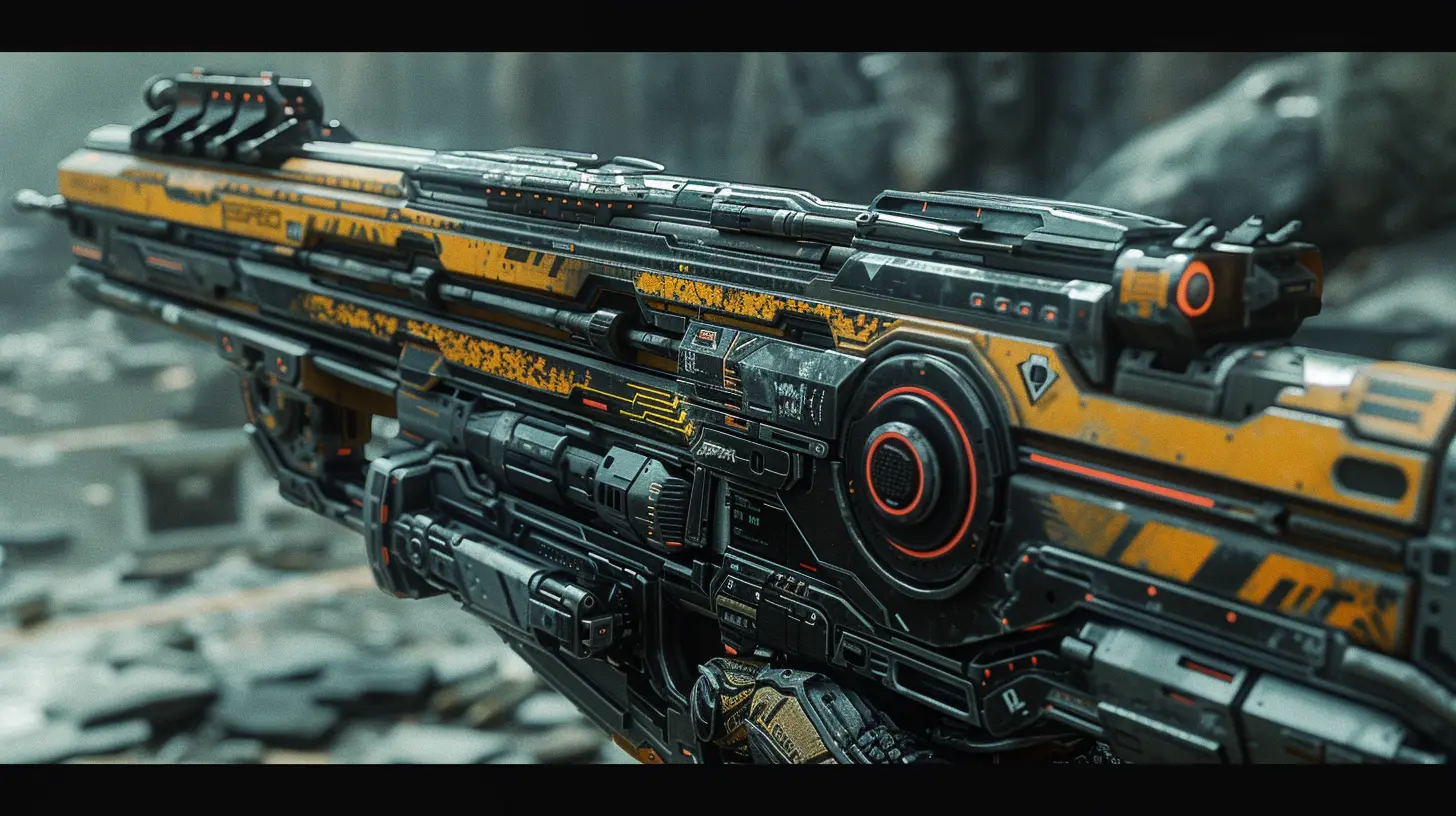
The Science Behind Stat Balancing
Weapon customization isn’t just about loading on attachments until your gun looks like something out of a sci-fi movie. Every change affects your weapon’s stats, so understanding the trade-offs is crucial. Think of it like a seesaw: improving one area often means sacrificing in another.- Damage vs. Fire Rate: High-damage weapons usually have a slower fire rate, and vice versa. Do you want to deal single, heavy hits or spray bullets at your enemies?
- Accuracy vs. Mobility: A sniper rifle with pinpoint accuracy often comes at the cost of slow movement. On the other hand, lightweight SMGs are mobile but suffer in precision.
- Recoil vs. Control: Attachments that boost damage or rate of fire often worsen the weapon's recoil. To counter this, you might need a grip or stock. It’s all about balance.
Experimentation is key here. Swap attachments, head to the practice range, and fine-tune until your weapon feels like an extension of your own reflexes.
Pro Tips for Weapon Customization
Let’s crank it up a notch. Here are some advanced tips to make sure your weapon customization is always on point:1. Test in Real Combat
The practice range is fantastic, but nothing beats real-world testing. What feels smooth during target practice might flop under actual pressure. Test your loadout in the field and adjust accordingly.2. Keep an Eye on Patch Notes
If you’re into online games, remember that developers love to balance weapons. Your favorite attachment combo might get nerfed (or buffed!) in a future patch. Stay updated and adjust your setup to match the latest meta.3. Communicate with Your Squad
In team-based games, your gear should complement your squad. If your team already has a sniper and a tank, maybe opt for a mid-range weapon or support tools. Customizing your loadout to fill gaps can set your squad up for success.Final Thoughts on Weapon Customization
At the end of the day, weapon customization is all about self-expression and performance. It’s your chance to leave a mark on the battlefield—figuratively and literally. Remember, there’s no "best" loadout; there’s only the loadout that works best for you. So take the time to experiment, analyze your gameplay, and tweak your setup until it feels just right.You don’t need to be a gaming guru to start customizing weapons like a pro. By understanding the basics, balancing stats, and catering to your unique playstyle, you can turn even the most average weapon into a masterpiece. So go ahead and dive into the customization menus—you’ve got a world of options to explore. Let your weapon tell your story.
all images in this post were generated using AI tools
Category:
Weapon CustomizationAuthor:

Stephanie Abbott
Discussion
rate this article
2 comments
Murphy Foster
Great insights! Mastering weapon customization is key to enhancing gameplay and personalizing your style. Remember, experimentation is vital—don’t hesitate to try different combinations to find what truly resonates with your strategy. Keep pushing your limits, and enjoy the journey to ultimate performance!
April 12, 2026 at 4:55 AM
Stephanie Abbott
Thanks for the feedback! I completely agree-experimenting with combinations really makes a difference. It's all about finding what works for your playstyle.
Bethany McMillan
Great article! I appreciate the detailed tips on weapon customization. Any chance you could include more examples of effective loadouts for different playstyles? That would be super helpful for players adapting strategies!
November 29, 2025 at 3:57 AM
Stephanie Abbott
Thank you for the feedback! I'll definitely consider adding more examples of effective loadouts for various playstyles in future articles. Stay tuned!