How Timed Events Can Drive Massive In-Game Sales
1 January 2026
Let’s talk about one of the most powerful tools in the gaming world right now: timed events. You know the ones I’m talking about—those limited-time offers, seasonal challenges, flash sales, or exclusive events that pop up and disappear faster than your loot in a PvP match. They create a mix of excitement, urgency, and (let's admit it) a little bit of panic.
But here’s the kicker—timed events aren’t just fun diversions. Nope, they’re finely-tuned marketing machines. When done right, they can drive massive in-game sales. We're talking significant revenue spikes, increased player engagement, and a whole lot of in-app purchases flying off the virtual shelf.
So, buckle up. We’re diving deep into why timed events work so well, how they impact player behavior, and what developers (and marketers) are doing to turn these into goldmines.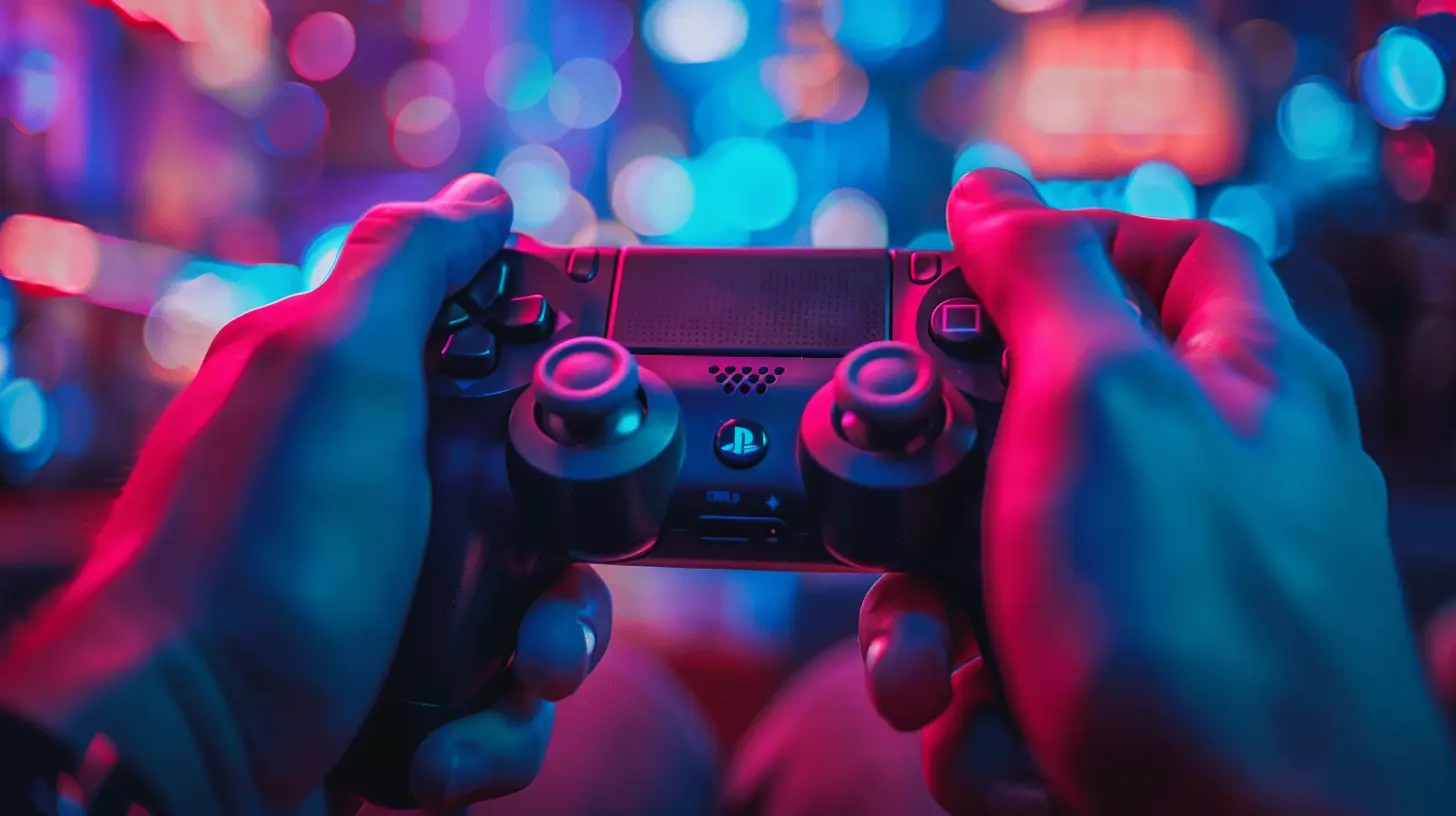
What Are Timed Events in Games?
Let’s break it down real simple.A timed event is content that's only available in a game for a short period. We're talking about:
- Holiday-themed events (Christmas skins, Halloween dungeons)
- Limited-time game modes (Capture-the-flag twist for a week?)
- Flash sales on in-game items (skins, boosts, characters)
- Special challenges that earn you rare rewards
- Collaboration crossovers (Think Fortnite x Marvel)
They're built to grab your attention, keep you playing, and—let’s be real—tempt your wallet.
Why Timed Events Work: The Psychology Behind the Magic
Let’s get into your head for a second. Don’t worry, not in a creepy way.Timed events tap into some powerful psychological triggers. Here’s what’s going on behind the scenes in your brain:
1. FOMO (Fear of Missing Out)
This is the big one. Nobody wants to be the only one without that cool skin or special badge. When a game says, _"Only available this weekend!"_ your brain screams: "Get it before it’s gone!"2. Urgency and Scarcity
Marketers have used this trick forever. When something is scarce or limited, it feels more valuable. A costume that's only available once a year? Jackpot. Players rush to buy it because they can't get it later.3. Increased Engagement
Timed events give players a reason to come back every day. There’s something new, something exciting, and most importantly—something exclusive. It keeps the fire burning and the login streak alive.4. Social Pressure
Imagine your entire guild is grinding during an event and you're the only one not online. That’s pressure. People want to join in, compete, show off. The result? More people playing, and more people spending.
Real-World Examples That Nailed It
Let’s get real and look at companies that absolutely crushed it with timed events.Fortnite’s Live Collaborations
When Fortnite did that Travis Scott concert? Mind-blowing. Millions of players logged in. The in-game shop lit up with limited-time skins, emotes, and bundles. It was a massive payday for Epic Games.Pokémon GO's Community Days
With limited-time spawns, exclusive moves, and rare shinies, Pokémon GO’s monthly events drive a huge spike in player activity—and in-game purchases for raid passes, Poké Balls, and storage space. Players spend so they don’t fall behind.Call of Duty’s Seasonal Battle Passes
The seasonal structure is basically a timed event disguised as a progression system. Players have just a few weeks to grind through 100 tiers. Want to fast-track your way to the best skins? Pony up some cash.
How Timed Events Drive Monetization
Here’s where we dig into the money part. Timed events aren’t just about fun—they’re strategic revenue drivers. Here’s how these events boost in-game sales like crazy:1. Boost in Microtransactions
Players don’t want to miss out, so they’re more likely to drop real cash to instantly unlock exclusive skins, characters, or items—especially if they don’t have time to grind.2. Event-Specific Currency
A lot of games introduce temporary currencies during events. You earn them by playing, but you can always… buy more. This clever system drives more purchases while keeping things “optional”—but we all know how tempting it gets.3. Bundle Offers and Discounts
Timed bundles with exclusive items at a “discount”? That’s marketing gold. Players feel like they’re getting a deal and don’t want to miss out. Surprise surprise—they buy more.4. Exclusive Unlocks That Fuel Status
Let’s be honest: showing off is a big part of gaming. Limited-time skins or mounts scream, "I was there!" Players who want bragging rights open their wallets for those sweet, sweet assets.Creating the Perfect Timed Event: What Works
Feeling inspired to make your own timed event? Here’s a roundup of what successful events have in common:1. Clear Timeline and Countdown
Make it obvious. Use countdowns, timers, and pop-ups to remind players exactly how much time they’ve got left.2. Valuable and Unique Rewards
No one wants rehashed content. Offer something that feels exclusive. Rare cosmetics, boosted stats, or even just a badge that proves “I did the thing.”3. Engaging Gameplay Loops
If the event is boring, players won’t stick around. Keep it fun, fresh, and rewarding. Make them want to log in every single day.4. Easy Access with Optional Depth
It should be easy to get started, but with layers for hardcore players. This way, casuals enjoy it, and whales (big spenders) go all-in.Timed Events vs. Always-Available Content: Why Limited Wins
You might ask, “Why not just leave all content available year-round?”Good question. Here’s why limited-timed content wins:
- It keeps the game feeling alive. Players always look forward to what’s coming.
- It nudges spending behavior. Permanent items? Eh, I’ll grab them later. Timed items? Buy now or cry later.
- It helps manage content fatigue. Newer events keep things fresh without overhauling the entire game.
The Dark Side: A Word of Caution
Okay, let’s take a breather and be real for a second. Not everything about timed events is sunshine and rainbows.1. Burnout is Real
Players can feel forced to log in constantly. That’s not fun. That’s a chore. Overdoing timed events can exhaust your player base.2. Pay-to-Win Perception
If rewards give unfair advantages, players may feel pressured to spend just to stay competitive. That leaves a bad taste (and bad reviews).3. FOMO Fatigue
Believe it or not, people get tired of always chasing the next shiny object. It can start feeling manipulative if overused.So, while timed events are great, balance is key. Make them feel like a celebration, not a job.
Final Thoughts: Timed Events Aren’t Just a Trend—They’re a Strategy
Honestly, it’s hard to think of big multiplayer games today without some kind of timed event. They’ve become more than just flashy features—they're a core part of modern game monetization.They tap into player psychology, create unforgettable moments, and, yeah—they rake in the cash. But the best part? When done right, they’re actually fun. Players enjoy them. They talk about them. They come back for more.
So whether you're a developer looking to increase your revenue or just a gamer trying to understand why your wallet suddenly feels lighter after an event—timed events are the answer. And they’re here to stay.
all images in this post were generated using AI tools
Category:
Game MonetizationAuthor:

Stephanie Abbott
Discussion
rate this article
2 comments
Elias Wallace
Great insights on the impact of timed events in gaming! It's fascinating how they not only enhance player engagement but also significantly boost revenue. Implementing these strategies thoughtfully can truly transform a game's economy while enriching the player experience. Thank you for sharing this valuable perspective!
January 11, 2026 at 4:46 PM
Stephanie Abbott
Thank you! I'm glad you found the insights valuable. Timed events really do play a crucial role in enhancing both engagement and revenue.
Daniel Duke
Timed events are like surprise parties for gamers—exciting and hard to resist!
January 9, 2026 at 4:54 PM
Stephanie Abbott
Absolutely! Timed events create urgency and excitement, making players eager to participate and spend. They really enhance engagement and drive sales!