How Subscription Models Are Changing Game Monetization
18 March 2026
Let’s face it — the way we pay for video games has dramatically changed over the years. Gone are the days when you’d walk into a store, drop $60 on a physical disc, and that was that. Now? We’ve got game subscriptions popping up left and right, transforming how developers make money and how we, as players, experience games. Buckle up, because we’re diving into the world of subscription models and how they’re flipping the gaming industry on its head.

From One-Time Buys to Ongoing Bills
Remember when you’d save up your allowance or your part-time job cash to buy that one game everyone was talking about? That simple exchange — cash for game — was the norm for decades. But now, we’re in an era where services like Xbox Game Pass, PlayStation Plus, and Apple Arcade are reshaping that model.Instead of paying upfront for a single title, you pay a monthly fee for access to dozens (sometimes hundreds) of games. Sounds like Netflix, right? And that’s exactly the point. The subscription model is turning gaming into an all-you-can-play buffet.
So, how is that changing the way game developers and publishers make their money? Let’s get into the nitty-gritty.

The Economics Behind Game Subscriptions
Monthly Revenue Instead of One-Time Hits
One of the biggest advantages for game companies is predictability. When someone subscribes to a service, that steady stream of monthly income starts to flow. Even if a subscriber doesn’t launch a single game in a month, the payment is already locked in. It’s like a gym membership — you pay even if you haven’t touched the treadmill in weeks.That ongoing monetization means developers don’t need to rely solely on big launch days. It takes the pressure off blockbuster sales and opens the door for more experimentation.
Encouraging Long-Term Engagement
Have you noticed how many games are pushing for daily log-ins, weekly rewards, and seasonal events? That’s no coincidence. Subscription models thrive when players stick around. The longer you stay subscribed, the more money the company makes.So developers are incentivized to keep you engaged. That might mean live-service games with constant updates or episodic content drops that keep you coming back for more.
Risk and Reward: Indie Gains, AAA Pains?
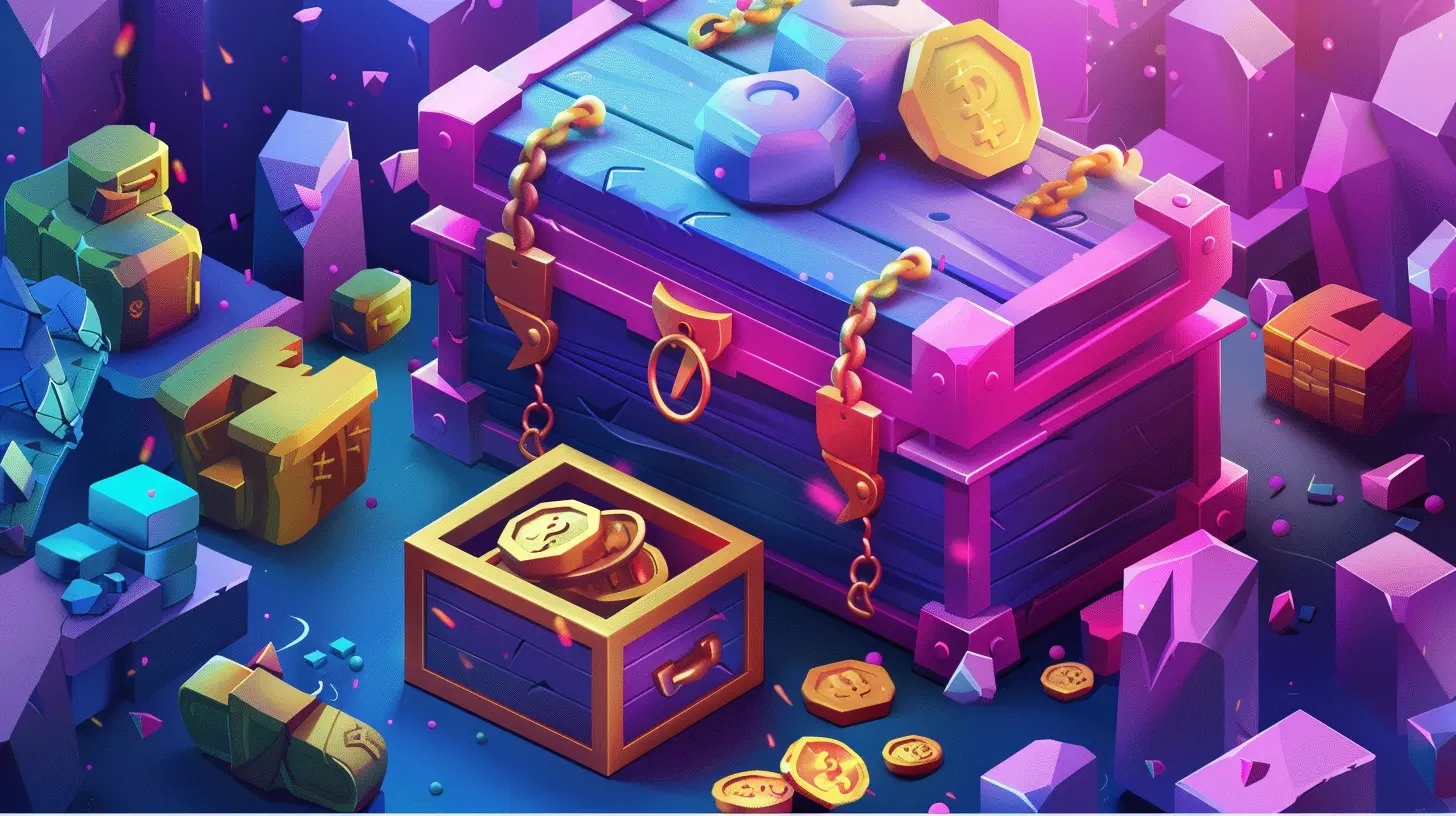
For indie developers, subscriptions can be a golden ticket. Getting featured on Game Pass or PlayStation Plus can skyrocket visibility and bring in revenue they might never have seen on their own. It’s like being added to the front page of Netflix — suddenly, you’re in front of millions of potential players.But for big AAA studios? It’s a bit more complicated. Massive titles like Call of Duty or Grand Theft Auto cost hundreds of millions to produce. Recouping those costs from subscriptions alone? Not easy. That’s why you’ll see a mix — some big games included, others saved for standalone releases.
How Players Are Winning (And Sometimes Losing)
More Games, Less Guilt
For players, the biggest win is value. Want to try out a new RPG, jump into an indie platformer, or revisit a classic from your childhood? Subscription services let you do all that without breaking the bank. It’s like having a game store at your fingertips 24/7.Plus, you’re more likely to try genres you’d normally avoid. Who knew you’d get hooked on a farming simulator or a card battler?
But What Happens When Games Disappear?
Here’s the catch — much like how shows vanish from Netflix overnight, games can be removed from subscription libraries. That RPG you were halfway through? Gone next month. Unless you buy it outright, you’re at the mercy of licensing deals and corporate decisions.So, while you get access to more, you don’t always get permanence. It’s gaming on borrowed time.
Ownership Is Basically Dead
This might sound dramatic, but it’s true. With games as a service (GaaS), you don’t own what you play. You’re renting access. Sure, it feels convenient, but it also introduces a strange dynamic where you’ve paid for something… but don’t truly have it.If your subscription ends or the game is removed from the library, you’re back to square one.
What Subscription Models Mean for Game Design
Shorter, Sharper Experiences
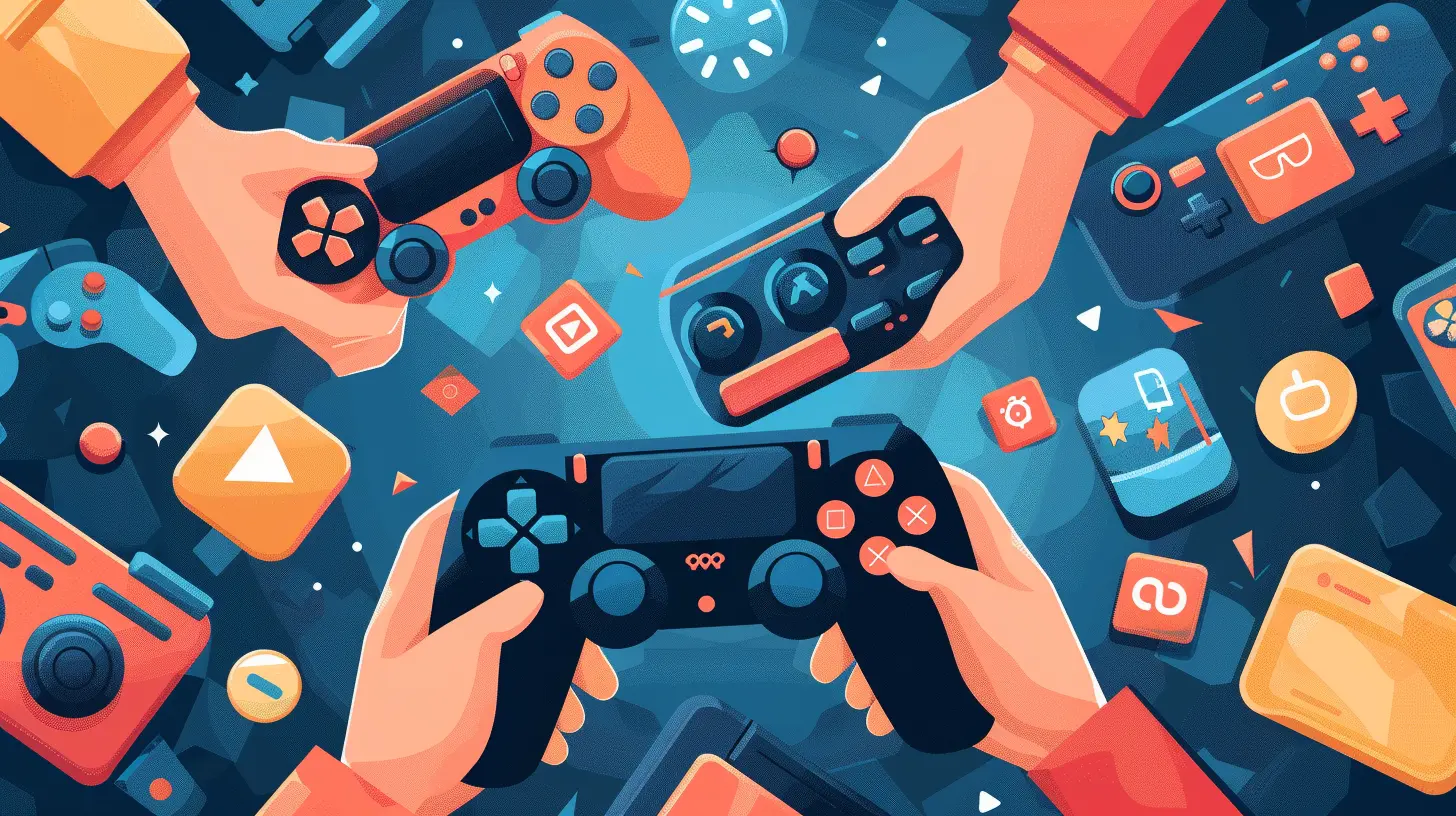
When your audience has a mountain of options at their fingertips, long, slow-burn games can be a tough sell. Developers are adapting by creating “stickier” games that hook players in faster. Tutorials are shorter, the action kicks off quicker, and the rewards come early.Why? Because if players feel bored, they'll just move on to the next title in the catalog. It’s a swipe-left culture — attention spans are thinner than ever.
More Live Services and Seasonal Content
Games like Fortnite, Apex Legends, and Destiny 2 have pioneered live-service models that thrive on constant updates. With a subscription base, this model makes even more sense. Developers can release new content regularly, keeping players engaged — and subscribed.Season passes, limited-time modes, battle passes — all of these fit perfectly into the subscription ecosystem. It’s about creating an environment where players never feel like they’re “done” with a game.
Metrics, Metrics Everywhere
With subscriptions, publishers can track everything — what you play, how long you play, what you skip, where you struggle. This data goldmine shapes future development decisions. If gamers are dropping off after an hour, devs want to know why — and fix it.Data-driven design is a double-edged sword, though. While it helps tailor better experiences, it also risks turning games into sterile, algorithm-driven products.
Platforms Fighting for Your Wallet
Xbox Game Pass: The Industry Disruptor
Xbox Game Pass is arguably at the forefront of this revolution. With day-one releases of first-party titles and a constantly rotating selection of indies and classics, it offers insane value. Microsoft is clearly playing the long game here — they want to be the Netflix of gaming.And with cloud gaming (xCloud) integrated, it's not just about Xbox consoles anymore. You can play on your phone, tablet, or even a smart fridge if it’s got a screen.
PlayStation Plus: Playing Catch-Up
Sony revamped PlayStation Plus to remain in the race, but it’s still more traditional in its offerings. While it has a solid library, it lacks the day-one releases that Xbox flaunts. That said, it’s still a great value for PlayStation loyalists.Nintendo Switch Online: Nostalgia-Fueled Simplicity
Nintendo’s approach? Keep it simple. Give players access to classics from NES, SNES, and other legacy systems. It’s not flashy, but it works — especially for fans who grew up with Mario and Zelda.Apple Arcade and Netflix Gaming: The Newcomers
While traditional consoles dominate the subscription space, mobile and streaming companies want in on the action. Apple Arcade offers a curated selection of ad-free mobile games, and Netflix is slowly dipping its toes into game streaming.It’s still early days for these newcomers, but don’t be surprised if your next favorite game doesn't come from a console at all.
The Future: Where Are We Headed?
Hybrid Monetization Models
We’ll likely see more hybrid systems where subscription games still offer in-game purchases, DLC, or expansions. Think of it like getting into the amusement park for free, but paying for the rollercoaster rides inside.While some players might roll their eyes at this, it’s a realistic path forward. Developers need to fund ongoing development, and subscriptions alone might not cut it.
Personalized Gaming Libraries
With access to so many games, curation becomes key. Expect to see smarter recommendations, AI-driven suggestions, and custom playlists — just like how Spotify tailors your music. The more you play, the more the system learns your habits.Cross-Platform Harmony
Subscription models are pushing the gaming ecosystem closer to cross-platform play and saves. If your subscription works on PC, console, and mobile, it makes sense to carry your progress everywhere. This means more unified experiences, fewer silos, and better flexibility.Game Ownership Becoming a Luxury
As subscriptions dominate, actually “owning” a game might become the exception. Die-hard collectors and purists will still buy physical or digital copies, but most players? They'll be content with access — just like they are with streaming movies today.Wrapping It Up
Subscription models are reshaping game monetization in some wild, fascinating ways. For developers, it means steadier revenue and broader reach. For players, it means more variety and better value. But it also comes with trade-offs — less ownership, more reliance on platforms, and a fundamental shift in how games are designed.We’re still in the early stages of this transformation, and the full impact is yet to be seen. But one thing is clear — the gaming world as we knew it is changing fast. So whether you're a casual weekend gamer or a hardcore completionist, it's time to rethink how you interact with your favorite hobby.
Because in the world of subscription gaming? The game never really ends — it just keeps updating.
all images in this post were generated using AI tools
Category:
Game MonetizationAuthor:

Stephanie Abbott
Discussion
rate this article
2 comments
Makayla Jordan
Subscription models redefine gaming; innovation is unstoppable!
March 25, 2026 at 5:12 AM
Stephanie Abbott
Absolutely! Subscription models are opening new avenues for creativity and access, transforming how players engage with games. Exciting times ahead!
Paige Sheppard
Subscription models are revolutionizing gaming by prioritizing player access and experience over greed. It's a refreshing shift that empowers gamers while forcing developers to innovate. Embrace it—this is the future of game monetization, and it's here to stay.
March 20, 2026 at 4:25 AM
Stephanie Abbott
Thank you for your insightful comment! I completely agree that subscription models are reshaping the gaming landscape by enhancing player experience and driving innovation among developers. Exciting times ahead!