Game Subscription Services See Rapid Growth
13 January 2026
Gaming has seriously leveled up over the past few years. You’ve probably noticed it too — gone are the days when you'd fork over $60 for each new title that caught your eye. Now, game subscription services are taking center stage, and they're moving faster than a speedrunner chasing a world record.
Today, we're diving deep into why game subscriptions are growing like wild Pokémon in tall grass, what this means for gamers (like you and me), and how the future of gaming might just lie in a monthly fee.
What Are Game Subscription Services Anyway?
In case you've been grinding XP in a dungeon somewhere and missed the news, game subscription services are like Netflix for gamers. Instead of buying individual games, you pay a flat monthly fee to access a massive library of titles.Some of the big players in this space include:
- Xbox Game Pass
- PlayStation Plus (New Tiers)
- Nintendo Switch Online
- EA Play
- Ubisoft+
- Apple Arcade
- Google Play Pass
Each platform offers something a little different in terms of library, pricing, and extra goodies (like early access or discounts), but the core idea remains the same — more games, less buying.
The Numbers Don't Lie – Game Subscriptions Are Booming
Let’s talk numbers. According to industry research and market trends, game subscription services have seen double-digit growth rates year over year. Xbox Game Pass alone reportedly has over 25 million subscribers (and counting), and PlayStation revamped its PS Plus to compete directly.Why the sudden influx? A few key reasons:
- Affordability – One monthly payment gives access to hundreds of games. That’s an incredible deal, especially for budget-conscious gamers.
- Value – New titles often launch directly on subscription services. Think about Xbox exclusives like Starfield or Halo Infinite launching day-one on Game Pass. That’s a major incentive.
- Convenience – Download or stream games instantly, without the hassle of physical media.
- Accessibility – With cloud gaming on the rise, you can play on your console, PC, or even your phone. That’s next-level flexibility.
The Pandemic Push: More Time = More Gaming
Let’s be real — the COVID-19 pandemic changed the way we live, work, and play. As people were stuck indoors, gaming saw a massive resurgence. Subscription services capitalized on this by rolling out killer deals, expanding game libraries, and providing much-needed entertainment.It wasn’t just about passing the time, though. Gaming became a social lifeline, a stress relief, and a way to connect with others — all wrapped in a tidy monthly package.
The Netflix of Gaming: Subscription Models Explained
A lot of people compare game subscriptions to Netflix, and for good reason. The concept is similar: unlimited access to a whole bunch of content for a recurring fee. But there are some key differences too.| Feature | Game Subscription | Video Streaming |
|--------|-------------------|-----------------|
| Content Licensing | Varies by publisher and developer | Studio-based deals |
| Interactivity | Fully interactive | Passive viewing |
| Updates & Patches | Frequent, sometimes real-time | Not applicable |
| Platform Variety | Console, PC, mobile, cloud | TV, mobile, computer |
One important thing to note is that game subscriptions often rotate titles in and out, just like shows on Netflix. So if you're loving a game, maybe finish it before it disappears!
Why Gamers Are Flocking to Subscriptions
Let’s break it down. Why are so many gamers hopping onto the subscription bandwagon? Here’s what keeps the controller in their hands:1. The Price Is Right
Let’s crunch some numbers. A typical AAA game can cost $60–$70. Now imagine getting access to a library of 100+ games for $10–$15 a month. It’s a no-brainer. You’d have to spend hundreds to get that kind of variety through traditional buying.2. Try Before You Commit
Risking $70 on a game you might not even like? Nope, not anymore. Subscription services let you dabble, test different genres, and hop into games you’d normally never try. It’s like a buffet — you can taste everything before you decide what’s really worth the grind.3. Hidden Gems and Indie Love
It’s not just about the big-budget blockbusters. Subscriptions often highlight indie games that would otherwise fly under the radar. Games like Hades, Celeste, and Spiritfarer have seen more exposure because of Game Pass and similar platforms.4. Family-Friendly Fun
Got little gamers at home? Services like Nintendo Switch Online and Apple Arcade offer fresh, age-appropriate content for kids, with no ads or in-app purchases. Parents are giving these platforms two thumbs up.What This Means for Developers and Publishers
Alright, so this all sounds great for gamers, but what about the folks behind the controller — the developers and publishers?Pros
- Wider Reach – Developers get their games in front of millions of subscribers they might not reach otherwise.- Steady Revenue – Instead of relying entirely on sales, devs can earn through licensing fees and revenue-sharing models.
- Community Building – With more players comes faster feedback, better beta testing, and stronger game communities.
Cons
- Revenue Uncertainty – Depending on how the platform pays out, smaller devs might earn less than expected.- Discoverability Issues – With so many titles being added, some games risk getting buried.
- Control Trade-Off – Publishers might have less control over pricing and promotions.
Potential Pitfalls: Is There a Catch?
Of course, nothing’s perfect. Game subscriptions come with their own set of challenges and concerns.Game Ownership
You don’t own any of these games. If your subscription lapses or a game is removed from the service, it’s gone — just like that. For some, that’s a deal-breaker. Collectors and completionists might prefer physical copies or digital purchases.Internet Reliance
Especially with cloud gaming, a solid internet connection is a must. Lag, latency, or data caps can wreck the experience. It’s like trying to game on a potato — not fun.Content Overload
Ever spent more time choosing what to play than actually playing? You’re not alone. With so many choices, decision paralysis is real. It's like scrolling Netflix for an hour and watching nothing.The Future of Gaming is Subscription-Based — Or Is It?
Here’s where things get interesting. Will subscriptions completely replace game ownership? Hard to say.We're likely heading toward a hybrid model. Just like you might stream some movies but still buy your all-time favorite Blu-rays, gamers will probably do the same — subscribe for variety, but own the must-haves.
Cloud gaming is also a huge factor. As tech improves, services like Xbox Cloud Gaming, NVIDIA GeForce NOW, and Google Stadia (RIP but valuable in context) are working to make high-end gaming possible on low-end devices. That’s a game-changer — literally.
Tips for Getting the Most Out of Your Game Subscription
Ready to dive in? Here are a few tips to maximize your subscription experience:- ✅ Stay Updated: Follow your service on social media or apps to catch new releases and deals.
- 🎮 Use Filters: Narrow down your game library by genre, rating, or playstyle.
- 🧠 Plan Ahead: If a title is leaving soon, prioritize playing it.
- 👨👩👧👦 Share Accounts: Some services offer family or multi-user plans — great way to save.
- 📶 Check Compatibility: Make sure your device can handle streaming or downloading properly.
Final Thoughts: Game On, Subscribed Up
Game subscription services are more than just a trend — they’re reshaping the industry. Whether you’re a casual player or a hardcore gamer, there’s almost certainly a plan that fits your style and budget.The growth we’re seeing right now? It’s just the beginning. With new services popping up, libraries expanding, and cloud gaming becoming more mainstream, the future looks bright — and subscription-friendly.
So, are you ready to hit “Start” on your subscription journey? Consider it your golden ticket to the virtual playground.
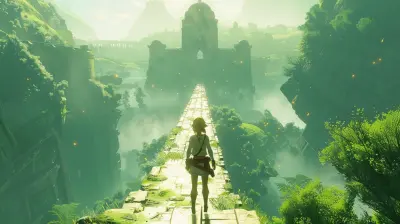
all images in this post were generated using AI tools
Category:
Gaming News UpdatesAuthor:

Stephanie Abbott
Discussion
rate this article
2 comments
Bella Nguyen
Looks like game subscription services are the new Netflix for gamers! Soon we'll be binge-playing like it’s an Olympic sport. Just remember: with great power comes great responsibility—like not forgetting to shower when you’re twelve hours deep into a marathon!
January 21, 2026 at 3:41 AM
Stephanie Abbott
Absolutely! Just like with any binge-worthy series, balance is key—enjoy the games but don’t forget to take breaks!
Miriam Snyder
What an exciting time for gamers! The rapid growth of game subscription services is transforming how we enjoy our favorite titles. Can’t wait to see how this trend continues to shape the gaming landscape!
January 20, 2026 at 3:41 AM
Stephanie Abbott
Absolutely! The evolution of game subscription services is indeed reshaping the gaming experience, providing more access and variety than ever before. Exciting times ahead!