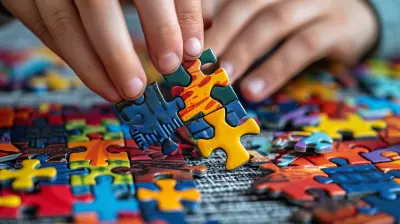
Can Educational Games Improve Critical Thinking Skills?
24 June 2026
Ever wonder if all those so-called “educational” games are actually worth the hype? We hear it all the time — play this game, it’s good for your brain! But let’s be honest here. Can a game, even if it’s educational, really boost something as complex as critical thinking?
Spoiler alert: The answer is yes — and the reasons why are both fascinating and encouraging. But like any good story (or game), we’ve gotta go on a bit of a journey to get to the truth.
So, grab your controller (or just a comfy seat), and let’s break this down together.
What Exactly Is Critical Thinking?
Before we dive into whether games can boost it, we need to understand what critical thinking actually is. No, it’s not just some fancy academic skill reserved for philosophy majors or chess grandmasters.Critical thinking is the ability to:
- Analyze information
- Evaluate evidence
- Solve problems logically
- Think independently
- Make well-informed decisions
It’s what helps you figure out that a headline might be clickbait or that your Wi-Fi isn’t actually broken — you just unplugged the router by accident.
In short: critical thinking is what turns us from passive consumers into conscious decision-makers.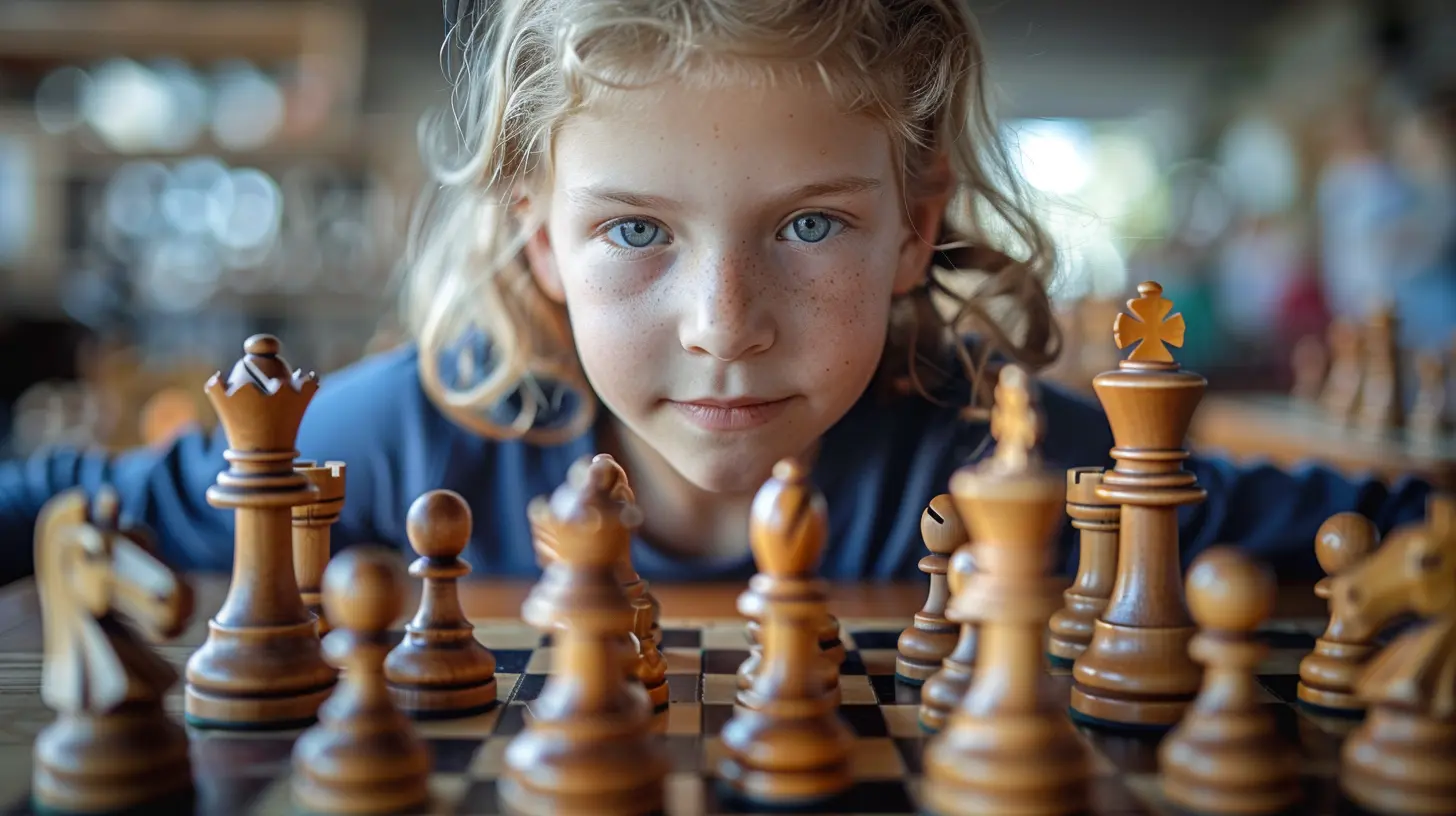
How Games Sneak In Learning Without You Realizing
Let’s be honest — when most of us hear educational games, we picture clunky interfaces and cheesy animations telling us how 2 + 2 = 4. Not exactly thrilling stuff, right?But the genre has grown up. A lot.
These days, educational games come in many flavors — from math puzzles and language apps to full-blown strategy games that would make even a seasoned tactician sweat. And the really good ones? They teach without making it feel like a chore.
Here’s how they do it:
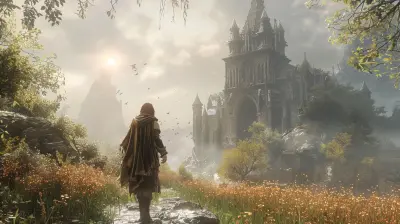
- Interactive Storytelling: Games like Portal or The Witness use narrative and mystery to push players to think creatively.
- Problem-Solving Tasks: Games often toss players into complex situations where they must adapt, strategize, and figure out solutions.
- Trial and Error: Failure isn’t punished but encouraged—mistakes are part of the process, not the end.
- Adaptive Difficulty: Many games get harder as you improve, constantly pushing you to think deeper.
Without even knowing it, players are training their brains to be more flexible, analytical, and resourceful.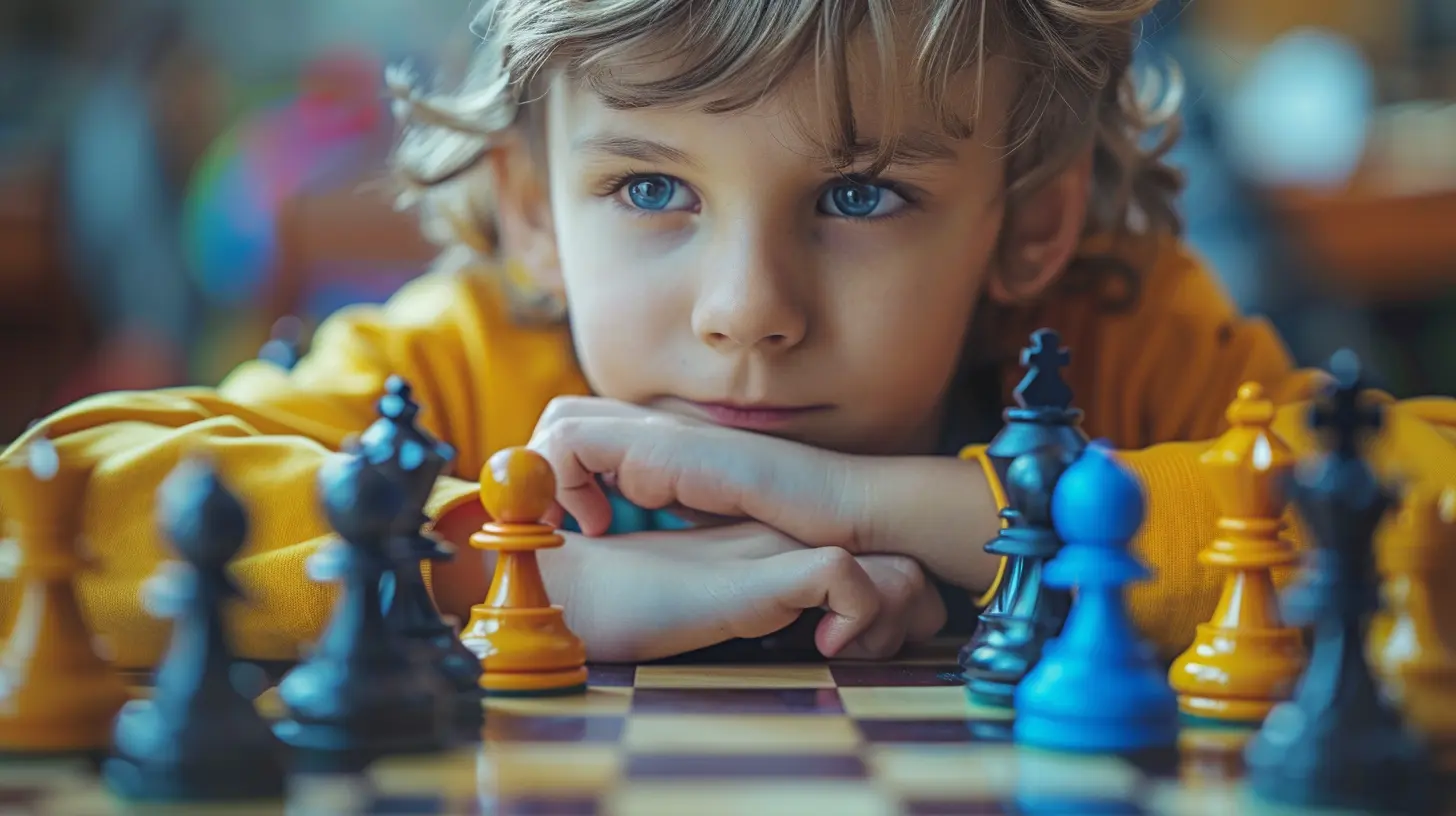
Real-Life Skills from Virtual Worlds
Okay, so we’ve established that good educational games require thinking. But do those skills transfer into the real world?Absolutely. Studies have shown that certain types of games can improve skills like:
- Pattern recognition
- Spatial reasoning
- Memory
- Logical analysis
- Decision-making under pressure
Ever played a game of Minecraft in survival mode? You’re constantly planning, gathering resources, building, and thinking ahead. That’s critical thinking in action.
Even fast-paced games like Among Us or Keep Talking and Nobody Explodes force players to rely on logic, observation, and communication — all essential skills in real-life scenarios.
The Science Behind It All
No article would be complete without a splash of science. And thank goodness there’s no shortage of it when it comes to games and cognitive skills.A 2013 study published in Nature found that action video games improve an individual’s ability to make quick and accurate decisions. Another study by the University of Rochester concluded that gamers who regularly take on complex tasks in games tend to outperform non-gamers in cognitive flexibility tests.
But it’s not just about action or puzzle-solving. Even narrative-driven games require players to interpret clues, weigh character motives, and predict outcomes — all of which are tied directly to critical thinking.
In fact, educational games designed with cognitive development in mind — like BrainPOP, Scratch, or LightBot — have been used in classrooms with measurable success. Teachers report improvements in comprehension, reasoning, and even social-emotional learning.
Why Kids (and Adults) Respond to Game-Based Learning
Let’s face it — learning through textbooks doesn’t work for everyone. Educational games, on the other hand, are immersive. They're fun. They offer instant feedback, rewards, and maybe most importantly — a safe space to fail and try again.That emotional engagement makes a huge difference. When we’re emotionally invested, we remember more and think more deeply.
Imagine a child struggling to understand fractions. Now put that child in a role-playing game where they have to divide loot among characters or measure ingredients to craft a potion. Suddenly, fractions make sense. They’re not just numbers on paper — they’re tools for survival, success, and fun.
Games also allow for personalized learning. They adapt in real-time, giving players challenges that meet them right where they are. That’s something even the best teacher struggles to do with 30 students at once.
The Social Side of Critical Thinking
Let’s not ignore the multiplayer aspect. Many modern educational games encourage collaboration. When players work together to solve puzzles or reach goals, they’re practicing:- Teamwork
- Negotiation
- Leadership
- Respectful disagreement
Think about a game like Kerbal Space Program — kids (and adults) plan missions, build rockets, and rely on trial-and-error to navigate physics. When played in groups, they share ideas, debate strategies, and collectively problem-solve. That's social critical thinking — and it's golden.
Are All Educational Games Created Equal?
Not even close.Just because a game calls itself educational doesn’t mean it actually is. Some are basically glorified quizzes in disguise. Others are loaded with ads and distractions, turning a learning moment into a digital minefield.
So, how do you spot a quality educational game?
Here are a few tips:
- Look for Open-Ended Problems: Games that don't offer only one right answer encourage deeper thinking.
- Choose Games with Increasing Complexity: They should challenge players at every stage.
- Seek Out Real-World Application: The best games mirror real-life situations or problems.
- Avoid Excessive Hand-Holding: Good games give you tools, not solutions.
And of course, balance matters. No game — no matter how educational — replaces real-world experiences, social interaction, or creative play.
Tips for Parents and Educators
Worried that your kid (or student) is turning into a screen zombie? Don’t be. Here’s how to turn gaming into a true critical thinking workout:1. Play With Them: Seriously. Join them. Talk through the decisions they make. Ask questions like, “Why did you choose that move?” or “What would you do differently next time?”
2. Set Time Limits: Use quality over quantity. Thirty minutes of a well-designed game is better than hours of mindless scrolling.
3. Choose Wisely: Do some homework before choosing games. Look for reviews from educators and other parents.
4. Supplement With Discussion: Pair the gameplay with real-world tasks or conversations. For example, if they’re solving puzzles in a game, challenge them to create their own puzzles afterward.
Examples of Games That Actually Boost Critical Thinking
Here’s a list of legit games—some you’ve heard of, some you haven't—that are known for developing those ever-important thinking skills.- Portal / Portal 2 – Physics puzzles with a heavy dose of logical reasoning.
- The Witness – A beautifully complex game full of pattern-based puzzles.
- Civilization VI – Teaches strategy, cause-and-effect, historical decision-making.
- Scratch – A programming environment that promotes creative problem-solving.
- Monument Valley – Gentle yet mind-bending spatial reasoning puzzles.
- Human Resource Machine – Coding logic through game mechanics.
- Zoombinis – Pattern recognition and deduction for younger players.
- Minecraft: Education Edition – Open-ended creativity, engineering, and logical skills in one sandbox.
Whether you're 8 or 80, these games can stir the gears in your mind and keep them turning.
The Final Word (No Controller Required)
So, can educational games improve critical thinking skills?Absolutely. When done right, these games are more than just fun — they’re brain gyms disguised as entertainment. They teach us to ask questions, think ahead, analyze options, and rethink strategies. All while having a blast.
But like anything, balance matters. Games are tools, not miracle-makers. They work best when they're part of a broader environment that encourages curiosity, reflection, and real-world exploration.
If you’re a parent, teacher, or just someone curious about the power of games — now’s the time to give educational gaming the credit it deserves. Who knows? That next round of logic puzzles could be just what your brain needs to level up.
all images in this post were generated using AI tools
Category:
Educational GamesAuthor:

Stephanie Abbott
Discussion
rate this article
1 comments
Blade McDowney
Educational games can sharpen critical thinking, but engagement and relevance are key factors.
July 8, 2026 at 3:23 PM
Stephanie Abbott
I completely agree. Engagement and relevance are crucial for maximizing the impact of educational games on critical thinking.