Why Stealth-Only Runs Are Harder Than You Think
30 April 2026
Ever tried to sneak past an enemy in a game, only to trip an alarm or get spotted by some overpowered guard with X-ray vision? Yeah, we've all been there. Stealth-only runs sound like a cool idea — like you're the digital version of a silent assassin or master thief. But honestly? They're no walk in the park. They're tough. And not just tough like “oops, I died once or twice” — we’re talking nail-biting, controller-gripping, “why did I ever start this?!” kind of tough.
In this article, we’re diving deep into why stealth-only runs don’t just test your patience — they completely reshape how you play, think, and even breathe during a game. Let’s break it all down.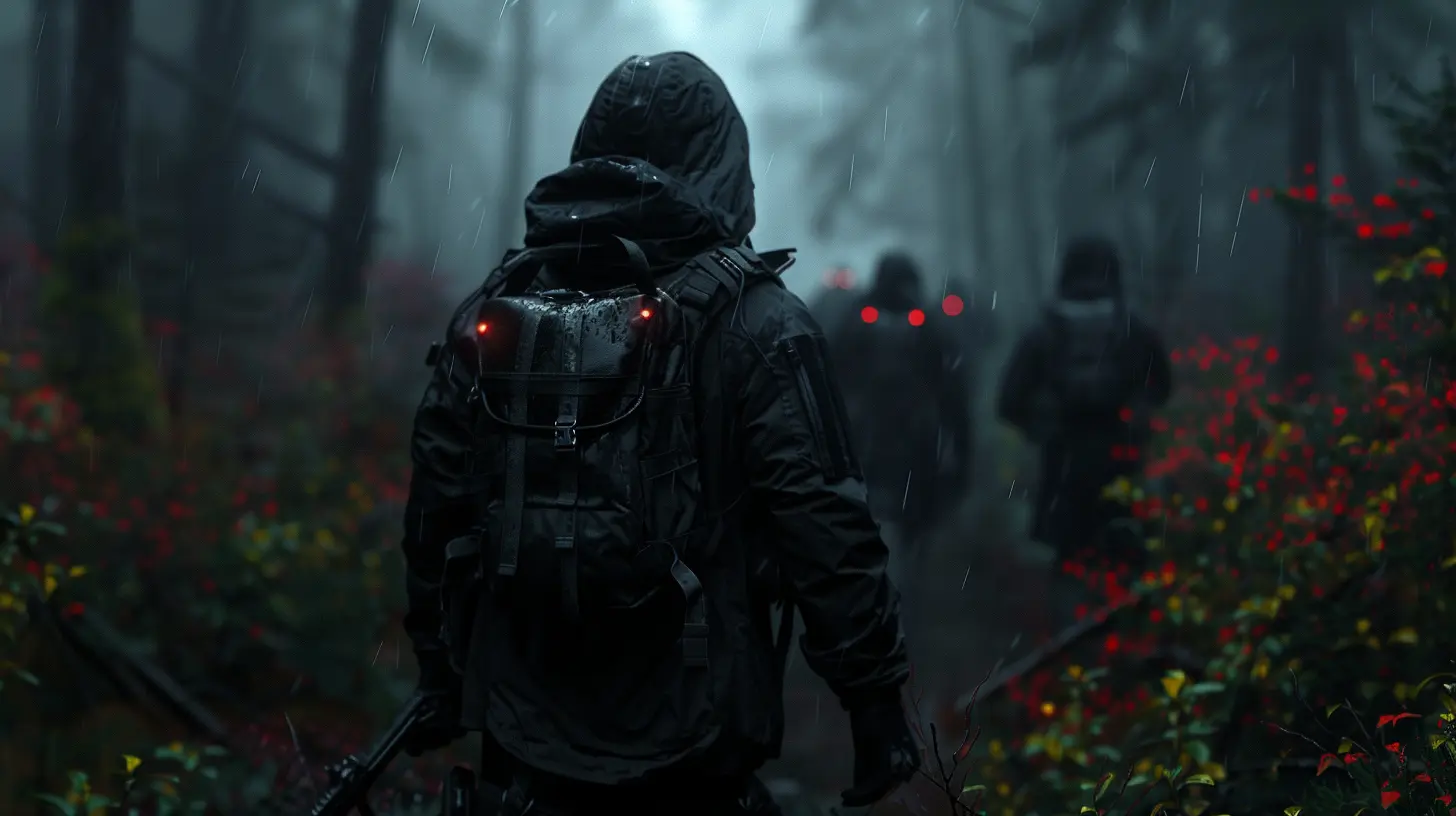
Stealth Isn't Just a Playstyle — It's a Mindset
Let’s start with the basics — stealth gameplay isn’t just crouching behind cover and hoping for the best. It’s a whole different mentality. When you opt for a stealth-only run, you decide to play by your own set of punishing rules.You commit to:
- No direct combat
- Minimal or no alerts
- Using tools wisely (or sometimes not at all)
- Timing everything to perfection
- Thinking ahead — way ahead
That’s already a lot more mental load than just blasting your way through levels. It's like switching your brain from “action hero” mode to “shadow-in-the-dark” mode.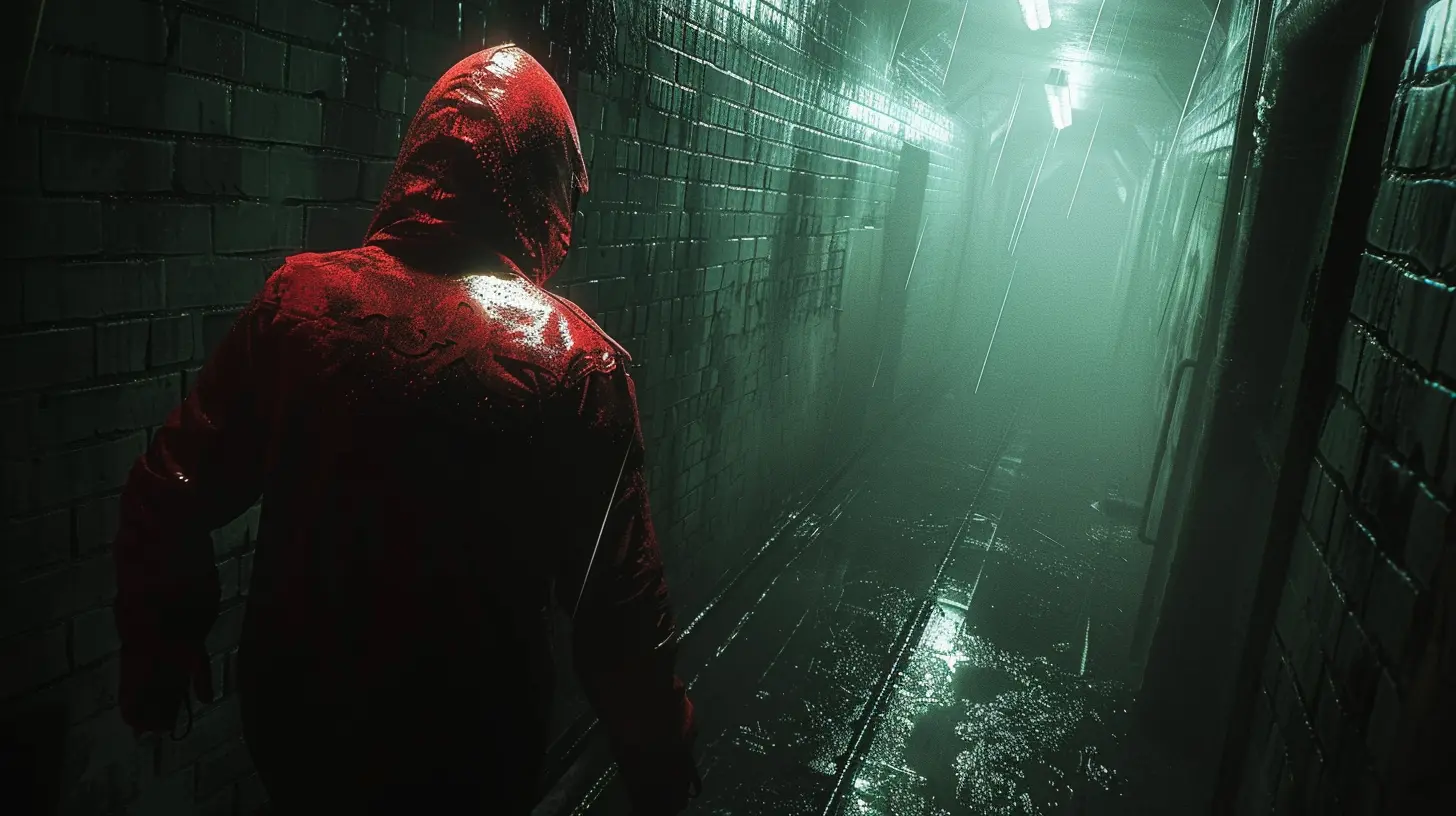
Patience Isn’t Optional — It’s Vital
You know what’s easy? Charging into a room full of enemies, guns blazing, and dealing with the consequences later.You know what’s HARD? Sitting in the same spot for five minutes, waiting for that one guard to walk away so you can move three steps forward.
In a stealth-only run, patience isn’t just a virtue — it’s a survival tactic. It’s not unusual to spend 2 hours on a mission that normally takes 30 minutes, simply because you’re analyzing guard movement patterns, checking corners, and avoiding every possible trigger.
Sound boring? Maybe to someone who hasn’t tried it. But for stealth lovers, that kind of tension and control is pure adrenaline.
One Tiny Mistake Can Ruin Everything
In most games, messing up just means reloading or restarting from a checkpoint. No big deal.In stealth games? One mistake can mean:
- Triggering an alarm system
- Having to restart the entire mission
- Losing a “perfect ghost” status
- Saying goodbye to that stealth-only achievement
And here's the kicker: sometimes, you don’t even realize you made a mistake until ten minutes down the line. You thought you were unseen — but nope, that one guard saw a shadow move, and now the whole base is on high alert.
It’s the ultimate domino effect. One wrong step, and everything comes crashing down.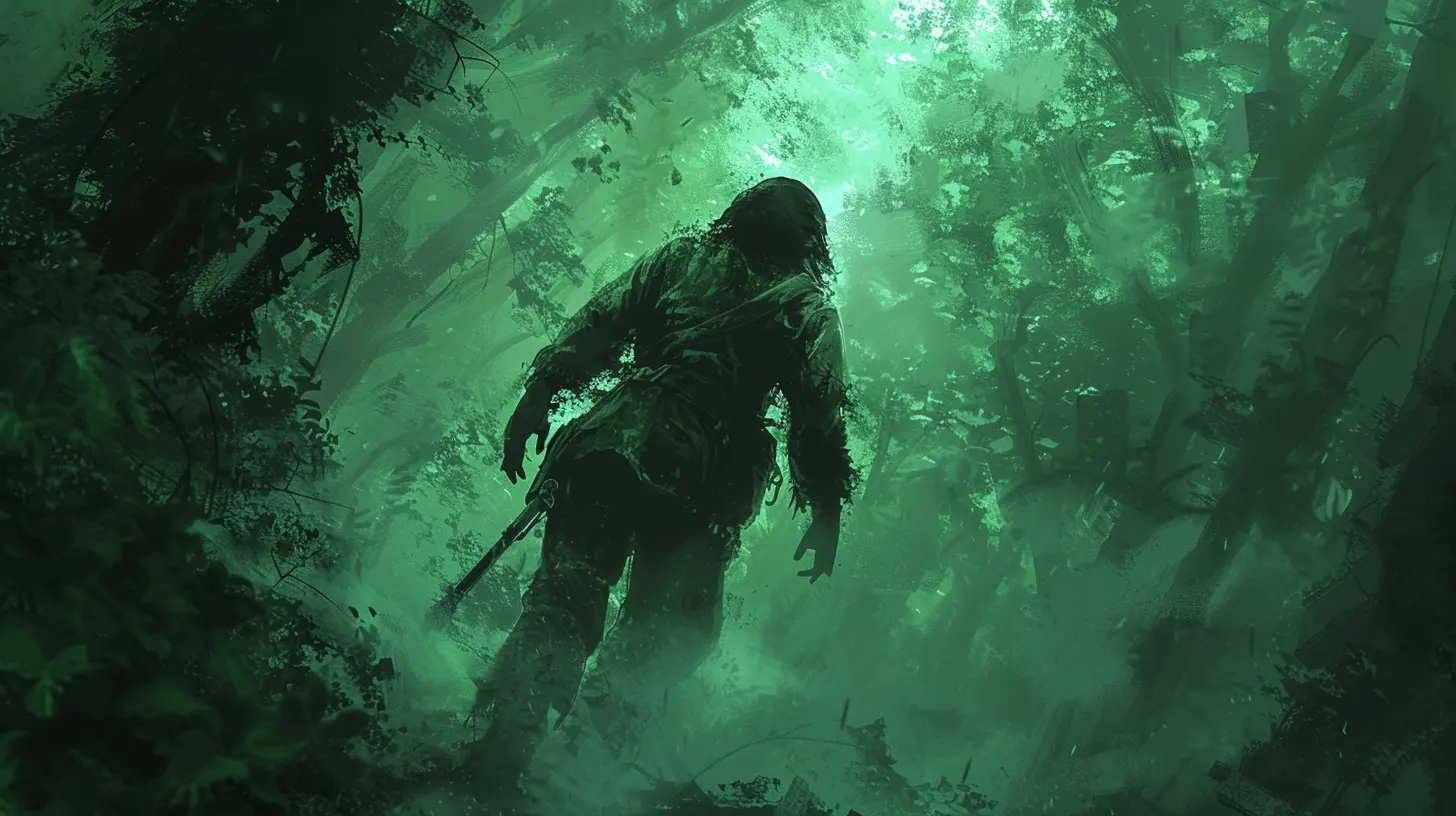
AI Isn’t Playing Fair
Let’s be real — sometimes the in-game AI feels like it’s cheating. You spend all this time hiding in the shadows, only for a guard to see you through a wall or hear your footsteps from two rooms away. Seriously, how do they even know you’re there?Developers try to make stealth challenging by giving enemies super senses. So, while you’re tiptoeing around like a ninja, they’ve got Superman hearing and 360-degree vision. It doesn’t feel fair — and that’s what makes it even more brutal.
Sure, you can learn their patterns… until they randomly decide to do something different this time. Cool.
Tools Are Limited — And Precious
In action games, you've got an arsenal of weapons at your disposal. In stealth games? You’re lucky if you get a handful of gadgets — and you better use them wisely.You might get:
- A noise-making gadget
- A sleep dart or tranquilizer (with like, what, 2 shots?)
- A cloaking device that lasts five seconds
- One-time-use lockpicks
Every tool is valuable, and hoarding becomes a survival instinct. You find yourself saving that one dart “in case things go bad later” even when you're cornered — like some precious resource in a post-apocalyptic world.
Reflexes? Not Enough — You Need Strategy
Fast reflexes are cool and all, but in a stealth-only run, it’s all about outsmarting your enemies. We're talking long-term planning, route memorization, and improvising when the plan goes sideways (because it absolutely will).Remember playing chess as a kid? Imagine that, but with the added possibility of getting shot in the face if you make the wrong move. That’s stealth gameplay in a nutshell. It’s not about reacting — it’s about anticipating.
Every Level’s a Puzzle — and You’re the Key
Ever walk into a room and sense that you’re being tested? That’s every room in a stealth run.Every hallway, corridor, vent, and guard patrol is a puzzle. You’ve got to figure out how to get from point A to point B without being detected. It’s not just about sneaking — it’s about solving. Stealth gameplay turns levels into giant escape rooms, full of moving traps and riddles.
And here’s the beautiful part — there’s rarely only one solution. You can:
- Distract a guard with sound
- Wait them out until they leave
- Find a hidden vent
- Disable cameras
Or, you know… panic and reload a save file for the 40th time. We’ve all been there.
The Pressure Is Constant
There’s no “safe zone” when you’re going stealth-only. Sure, you might be hiding in the shadows, but that doesn’t mean you’re safe. At any moment, a guard could turn around, a camera could pan your way, or someone could notice a door left open.The tension never lets up — and that’s addictive.
It’s like a constant boss battle, but instead of dodging fireballs and quick-time events, you’re fighting silence and shadows. You feel the weight of every movement. Every breath. It puts you in a zone where the game world feels more alive than ever.
Stealth-Only Means You’re Choosing the Harder Path
Let's be honest — you don’t HAVE to go stealth-only in most games. The option is usually there to mix stealth with combat. But going full stealth? That’s a personal challenge. A badge of honor.You're essentially telling the game, “Hey, I see all these weapons and explosive barrels, but I'm not using any of them. I'm going in with nothing but my brain, my timing, and maybe a dart gun.”
That's gutsy. That’s bold. And it's a decision that immediately makes your life about ten times harder.
But you do it anyway.
Why? Because it’s satisfying. Because there’s nothing more rewarding than finishing a mission without being seen, without taking down anyone, and without a single alarm being triggered. That sense of total control is worth every reload and every failed attempt.
It Teaches You Discipline and Precision
I’m not saying stealth-only runs will make you a better person, but…. okay, maybe I am a little. Playing this way teaches a whole bunch of valuable gamer life lessons: patience, strategy, observation, timing, and self-control.You start to notice the small things — the flicker of a camera, the change in music, the subtle shift in guard behavior. Your awareness shoots through the roof. And hey, that kind of attention to detail? It even helps in other game genres.
It’s the Ultimate Challenge for Hardcore Gamers
Let’s not sugarcoat it — stealth-only runs ARE harder than most people think. It’s not just “sneak instead of shoot.” It’s embracing a completely different approach to gameplay — one that’s slower, smarter, and often more punishing.But in a world where games often handhold or offer shortcuts, going full stealth is an act of defiance. You’re saying, “I don’t need shortcuts. I want the full experience — raw and unforgiving.”
And when you finally beat that level — when the final screen flashes with your "No Alerts, No Kills" results — it feels like you just climbed a mountain barefoot. That’s the magic of stealth-only runs.
Stealth Isn't for Everyone — But It Might Be for You
If you’ve ever felt bored with the usual run-and-gun tactics, or if you want a test that pushes your brain more than your trigger finger, stealth-only is worth trying.It’s rewarding in a way that few other playstyles are. Sure, it’s slower and more stressful. But it’s also more immersive, more intense, and — oddly enough — more satisfying. Like solving a giant puzzle box, blindfolded, with lasers pointing at your head.
So if you’ve never given stealth-only a shot, maybe now’s the time. Just don’t be surprised if it’s way harder than you think.
But hey — that’s what makes it so great, right?
Frequently Asked Questions
Q: What games are best for stealth-only runs?A: Titles like Metal Gear Solid, Hitman, Splinter Cell, Dishonored, Thief, and even modern games like The Last of Us Part II offer rich stealth mechanics that make stealth-only playthroughs incredibly rewarding.
Q: Is it possible to go completely non-lethal in stealth games?
A: Yes! Many stealth games have routes and tools designed for non-lethal stealth. It’s harder, yes — but it’s often the most satisfying path.
Q: Do stealth-only runs improve gaming skills overall?
A: Absolutely. You'll develop stronger observation, planning, and strategic thinking — skills that help across many game genres.
all images in this post were generated using AI tools
Category:
Game ChallengesAuthor:

Stephanie Abbott
Discussion
rate this article
2 comments
Bridget Vance
Stealth-only runs reveal the game's intricate designs and AI behavior, but they also expose frustrating limitations. Balancing patience and precision is crucial, making each decision feel like a high-stakes gamble.
May 3, 2026 at 4:32 PM
Stephanie Abbott
You nailed it. Stealth runs really shine a light on both the brilliance and the flaws of game design. Every choice truly does feel like a risk, adding to the tension and challenge.
Noora Ramos
Stealth-only runs require not just patience but also strategic thinking. Every decision counts, and one mistake can lead to failure, making success feel even more rewarding.
May 2, 2026 at 3:58 AM
Stephanie Abbott
Absolutely, the thrill of meticulously planning each step and the satisfaction of pulling it off make stealth runs truly special. Every choice really does matter.