Why Some Premium Games Outsell Free Competitors
21 February 2026
Have you ever looked at a $60 premium game and thought, “Why would anyone pay for this when there are thousands of free games out there?” You’re not alone. It's a valid question, especially in a world flooded with free-to-play titles touting flashy graphics and addictive mechanics. But here’s the kicker — despite the abundance of free options, some premium games still crush it in terms of sales.
Let’s dive into exactly why some premium games outsell their free competitors and what makes players gladly drop hard-earned cash for an experience they could have had for free... or so it seems.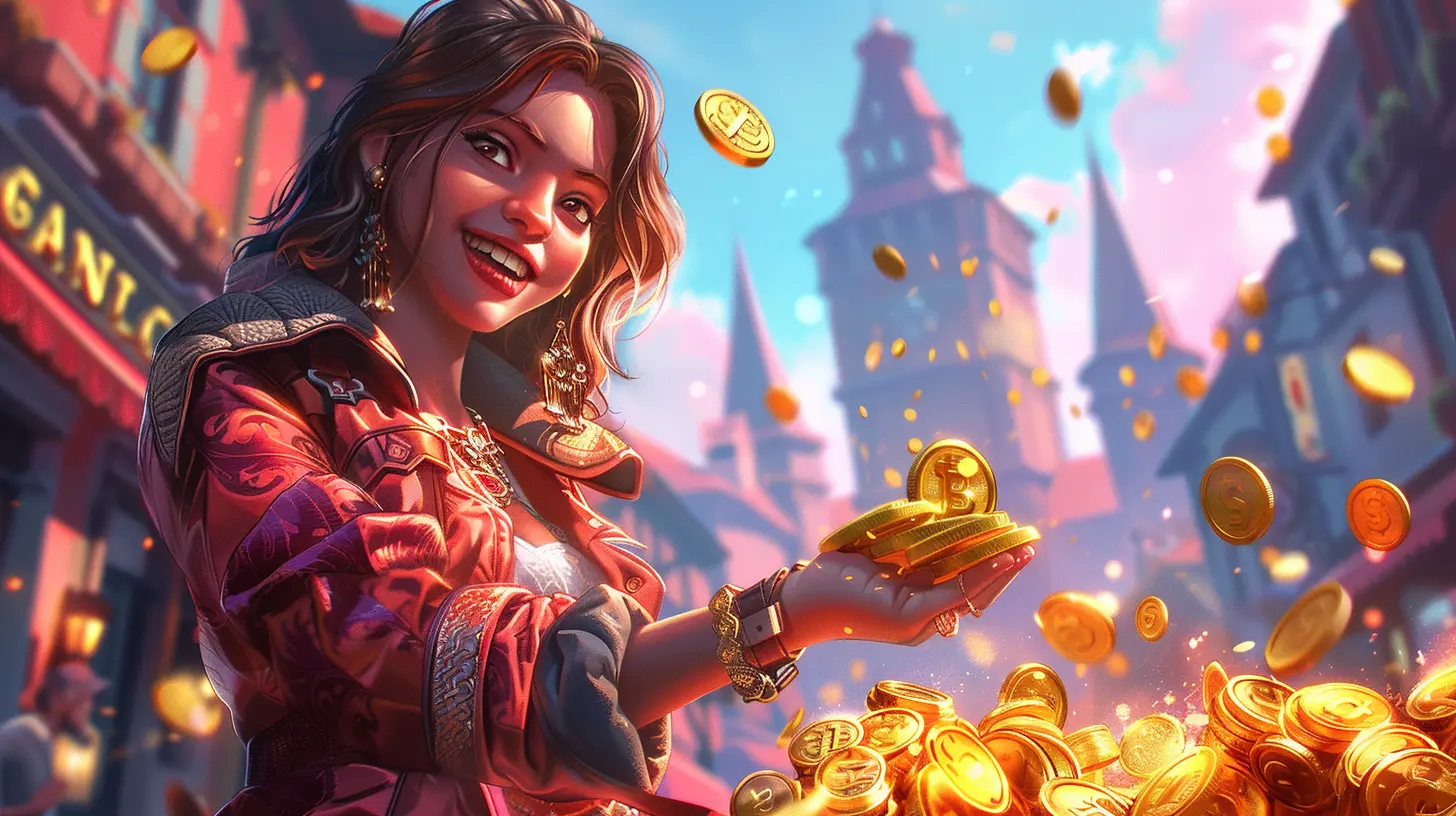
🎮 The Value of Quality Over Quantity
Imagine eating at a five-star restaurant versus grabbing fast food from a drive-thru. Sure, the fast food is cheap (or even free if you're lucky), but does it leave a lasting memory? Premium games are like that gourmet meal — meticulously crafted, deeply satisfying, and often unforgettable.Craftsmanship You Can Feel
Premium games often come from studios that pour years into perfecting every pixel, mechanic, and storyline. Think about titles like The Witcher 3, Elden Ring, or God of War. These aren't just games — they’re experiences. You get:- Rich, immersive worlds
- Deep character development
- Tight, refined gameplay
- No intrusive paywalls or ads
Free games, in contrast, tend to rely on repeatable loops and microtransactions. Sure, they might look pretty, but dig a little deeper and you often find repetitive mechanics or shallow narratives.
🧠 Psychological Ownership: Why Paying Feels Better
Let’s get real — when you pay for a game, you own it. You develop a kind of emotional investment that free games rarely inspire.Free Doesn't Mean Commitment
When a game is free, it's easy to try, easy to quit — and just as easy to forget. You didn’t pay for it, so there’s nothing at stake. Premium games, on the other hand, carry the weight of your wallet. You’re more motivated to explore every corner, beat every boss, and finish that storyline because, well… you paid for it!It’s like gym memberships. People who pay are more likely to show up than someone using a free trial. Ownership brings commitment, and commitment breeds loyalty.
💰 Monetization Models Matter
Let’s talk dollars and sense (pun totally intended). Free games still need to make money — and they usually do so through microtransactions, battle passes, and ads. But guess what? That can seriously ruin the fun.Pay-to-Win vs. Pay-Once-and-Play
There’s a big difference between paying for a full game upfront and constantly being nudged to spend money within a free one. In premium games, you pay once and enjoy everything. No annoying pop-ups, no locked characters unless you grind for 100 hours, and no pressure to “support the devs” with your wallet every week.Free games often fall into the “pay-to-win” trap. Want a better weapon, skin, or boost? That’ll be $9.99, please. And let’s not even get started on gacha mechanics.
🕹️ Freedom From Distraction: Immersion Wins
Ever tried to get into a free game only to have an ad pop up every 5 minutes? Nothing kills immersion faster than a forced commercial for toothpaste or another mobile game.A Seamless Experience
The uninterrupted, ad-free nature of premium games allows for deep, immersive gameplay. You’re not just playing — you’re living in that world. That’s a huge draw for gamers looking for escapism or emotional connection.Immersion matters. And premium games offer it in spades.
🧑🤝🧑 Community and Culture: Less Noise, More Connection
Free games tend to attract massive crowds, but not always for the best reasons. Cheating, trolling, and a toxic community can run rampant when there’s no barrier to entry.Premium Titles Foster Stronger Communities
When people buy a game, they’re more likely to respect the experience and others playing it. This leads to:- Mature, engaged communities
- More cooperative gameplay
- Healthier online discussions
Games like Final Fantasy XIV or Monster Hunter: World have thriving premium communities because players feel like part of something special — not just another download statistic.
🚀 Continuous Support & Updates
You’d think free games, with their constant microtransactions, would be updated more often. But premium games often edge them out here too.Devs You Can Trust
When you buy a premium game, you're also investing in a developer's vision. They have a reputation to uphold and a loyal fanbase to satisfy. That means:- Regular patches and updates
- Quality of life improvements
- Engaging, meaningful DLCs
You’re not just paying for a game — you’re supporting long-term development and receiving better content in return.
📢 Marketing and Hype: Yes, It Still Works
Let’s not forget the power of good ol’ marketing. Premium games usually get blockbuster-level promotion. Trailers, influencer collabs, demos, collector’s editions — the works.Building Anticipation
This hype creates anticipation, and anticipation sells. People line up (virtually, of course) to pre-order the next big release months before it drops. And unlike free games, premium titles often launch with a bang — trending on Twitter, flooding Twitch streams, and dominating YouTube breakdowns.That kind of social proof is invaluable. It’s a psychological trigger that says, “Everyone’s playing this. Shouldn’t I be, too?”
🏆 Prestige and Status Symbol
Believe it or not, owning certain premium games can be a low-key flex. It's like having a rare sneaker drop or a limited-edition comic.Unlocking Gamer Cred
Gamers who finish tough, premium titles like Sekiro or Dark Souls wear that accomplishment with pride. You can’t pay to win here — you have to earn it. That score, that platinum trophy? All skill, baby.On the flip side, many free games don’t carry the same weight. They’re often seen as casual or throwaway experiences. Burnout is high. Attachment is low.
📈 Trusted Brands and Developer Loyalty
When a developer like Rockstar, Naughty Dog, or FromSoftware releases a game, you know it’s going to be good. That trust is gold.Built-In Credibility
People return to premium games from studios they know because they’ve delivered before. That’s a level of brand loyalty that’s hard to replicate in the free-to-play space where many developers come and go or chase trends.⚖️ Final Word: Value Wins
At the end of the day, people are willing to pay for something that feels worth it. Premium games offer deeper worlds, better mechanics, and a feeling of genuine ownership. They respect your time and intelligence — and players notice.Free games aren’t going anywhere, and they absolutely have their place. But when it comes to long-term satisfaction, community, and immersive storytelling, premium games often come out on top.
So next time someone asks, “Why buy a game when you can play something for free?” — just smile and point them to your favorite premium title. Chances are, they’ll get it once they’ve experienced the difference.
📝 Final Thoughts
Games are more than just time-fillers. For many of us, they’re emotional journeys, social playgrounds, and creative masterpieces. And while free games offer quick fixes, premium games deliver something far more lasting — value.Whether it’s through their immersive worlds, dedicated communities, or polished experiences, premium games continue to show that sometimes, paying upfront leads to a richer, more rewarding adventure.
all images in this post were generated using AI tools
Category:
Game MonetizationAuthor:

Stephanie Abbott
Discussion
rate this article
2 comments
Nymira Bellamy
Quality and experience often justify price.
February 24, 2026 at 4:41 AM
Stephanie Abbott
Absolutely, quality can create lasting value. When players feel they're getting a top-notch experience, they're more likely to invest.
Ursula Sharp
Quality shiny stuff beats free, every gamer knows that!
February 22, 2026 at 4:47 AM
Stephanie Abbott
Absolutely! Gamers often value quality and immersive experiences, which premium games typically deliver, making them more appealing than free options.