Why Educational Games Work Better Than Flashcards
28 April 2026
Let’s be real — flashcards have been around forever. We’ve all used them at some point, right? Whether it was memorizing multiplication tables in third grade or cramming for a biology test in high school, flashcards were our go-to study buddies. But let’s ask the real question here… are they still the best way to learn?
In today’s world, educational games are taking the spotlight. They’re colorful, interactive, and, dare I say, actually fun. And guess what? They’re really effective too.
So, what is it about educational games that make them outperform those old-school flashcards? Well, buckle up, because we’re about to dive deep into why educational games are the new MVPs of learning. And honestly, once you see the benefits, you might never go back to flashcards again.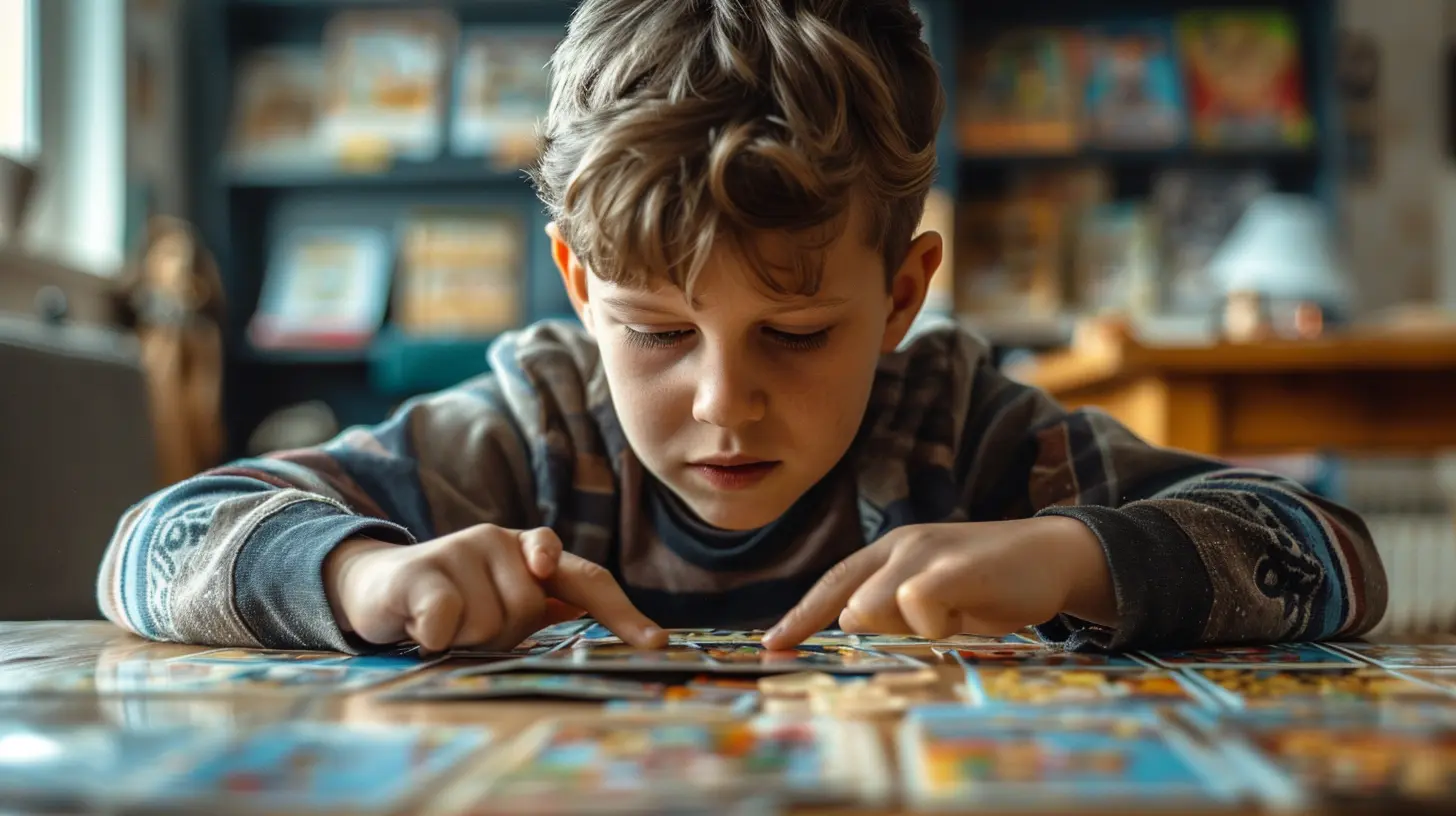
The Problem With Flashcards
Let’s start here. Flashcards are like the dry toast of the learning world. They get the job done, but there’s no flavor.Sure, flashcards help with repetition and memory recall, which is cool. But they often lack context. For example, flipping through vocabulary flashcards helps you remember a word's definition, but does it really help you understand how to use the word in a sentence or conversation? Not really.
And let’s face it, flashcards can get boring. Ever stared at the same stack for an hour and felt your brain slowly turning to mush? Yep, been there.
Limited Engagement
One of the biggest drawbacks of flashcards is that they don’t engage multiple senses. They’re mostly visual, occasionally auditory if you read them aloud. But they’re passive. You’re not doing much; you're just flipping cards and hoping stuff sticks. That’s not how our brains like to work.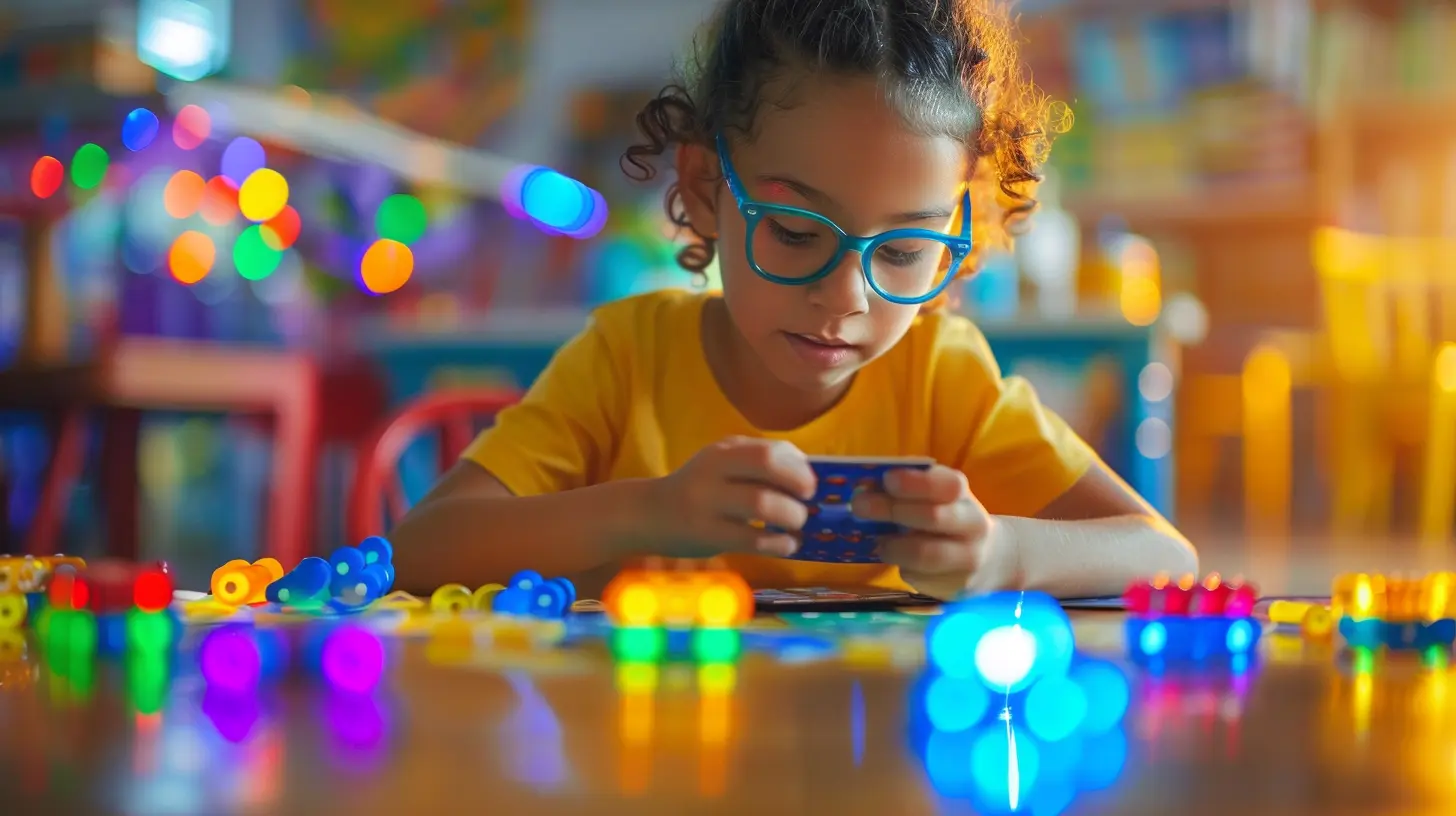
Why Educational Games Are a Game-Changer
Now, enter the world of educational games — vibrant, interactive, and packed with brain-boosting magic. Games stimulate multiple senses, keep your attention locked in, and gasp actually make you want to learn.1. Learning Through Play Is Natural
Let’s talk human nature for a second. Kids instinctively play to learn. Even as adults, play helps us discover new ideas, test theories, and build skills. Games soften the fear of failure and make us curious, which is exactly what you need for effective learning.While flashcards throw facts at you and hope they stick, games help you apply those facts in scenarios. It's like the difference between reading a map and actually driving through a city. One gives you directions, the other gives you experience.
2. Rewards & Motivation Drive Focus
Ever notice how you’ll grind through a difficult level in a video game for hours just to get a badge or unlock a skin? That’s motivation, my friend.Gamification uses points, levels, achievements, and challenges to trigger our reward systems. This keeps us engaged and coming back for more. When you're rewarded for learning, your brain releases dopamine — the feel-good chemical that also helps with memory and problem-solving. Flashcards… don’t do that.
3. Immediate Feedback Is Everything
Educational games give you instant feedback. Got a math question wrong? The game tells you right away and lets you try again in a different way. This real-time correction is powerful. It helps you learn from your mistakes without the frustration of waiting to be “graded” later.Compare that to flashcards — unless someone’s with you to correct your answers, you might not even realize you’re reinforcing incorrect information.
4. Contextual Learning FTW
Games immerse you in problem-solving environments. Want to learn fractions? Try slicing pizzas in a game. Learning history? Step into a virtual time machine and interact with historical figures.This kind of contextual learning makes information stick because it’s tied to an experience. That’s the kind of stuff you remember — like the time your digital dragon taught you algebra while casting spells (yes, that exists).
5. Critical Thinking Over Rote Memorization
Flashcards are all about memory. They’re good for surface-level recall, but educational games go deeper. Good games make you think critically, make decisions, and solve problems. That’s real learning.Imagine learning a new language through a role-playing game where you have to bargain at a market or help a character solve a puzzle using local phrases. That teaches you the how and why, not just the what.
Real-World Examples of Educational Games That Shine
Let’s nerd out for a sec and look at some actual educational games that knock it out of the park.Prodigy (Math)
This game blends math practice with an RPG-style adventure. You solve math problems to cast spells, battle monsters, and level up your character. Flashcards could never compete with that kind of engagement.Duolingo (Languages)
Duolingo gamifies language learning with streaks, hearts, challenges, and XP. It turns vocabulary and grammar into addicting mini-games. You get feedback instantly and feel motivated to keep going. It’s basically Tinder for your brain — swipe, swipe, match… with new words.BrainPOP (Various Subjects)
BrainPOP takes learning and adds animated videos, quizzes, and interactive games. You can learn anything from science to social studies and actually have fun doing it.Minecraft: Education Edition
Yes, the blocky sandbox game we all know and love even has an educational version. It teaches coding, design, history, and even chemistry through building challenges and real-world problem-solving.
But Wait — Are Flashcards Totally Useless?
Not at all!Flashcards still have their place in education. They're great for quick review, repetition, and on-the-go study. Especially for subjects that require straight-up memorization — like medical terminology or times tables.
But the thing is, flashcards work best as a supplement, not a strategy. You wouldn’t eat toast for every meal, right? Mix it up with some flavor — and that’s where games come in.
Use flashcards to complement the depth and interactivity that games provide. That combo? Chef's kiss.
Games Make Learning Stick — Literally
Let’s talk neuroscience for a second. Studies show that when we learn through doing, especially in a playful context, the brain forms stronger neural connections. It’s called experiential learning. When you’re actively involved, you’re not just memorizing — you’re making meaning out of the experience.That’s the key difference.
Games give us stories, challenges, rewards, trials, and triumphs. Flashcards give us definitions. Which one sounds more memorable to you?
The Social Side: Collaboration and Competition
Another secret sauce in educational games? They’re social.Many educational games include cooperative or competitive features — think leaderboards, team missions, or multiplayer challenges. These social elements keep learners motivated and make the experience feel less like a chore and more like a shared adventure.
Flashcards? Not so much. Sure, you can quiz each other, but it’s still a pretty dry group effort, right?
Long-Term Benefits: Beyond the Test
Educational games don’t just help you pass tests; they help you develop life skills. We’re talking problem-solving, adaptability, spatial awareness, strategy, patience, even empathy. These are skills you carry for life.Flashcards prepare you for an exam. Games prepare you for the real world.
So, Which One Wins? (Spoiler: It’s Not Even Close)
When it comes down to it, educational games are like an all-inclusive learning buffet. You get:- Immediate feedback
- Motivation through rewards
- Context for deeper understanding
- Multi-sensory engagement
- Social interaction
- Critical thinking challenges
Sure, flashcards might be the old reliable sandwich in the lunchbox of learning. But educational games? They’re the gourmet meal, served with a side of fun and a dessert of unforgettable experiences.
Final Thoughts
Look, there’s a time and place for flashcards. We’re not saying throw them out (unless they’re from 7th-grade geography class — then maybe, yes). But if you really want to absorb information, retain it, and actually enjoy the process, educational games are where it’s at.They’re smart, engaging, and built for how we learn best — through doing, playing, experiencing, failing, trying again, and ultimately, winning.
So the next time you’re staring down a stack of flashcards and sighing, maybe boot up an educational game instead. Your brain will thank you.
all images in this post were generated using AI tools
Category:
Educational GamesAuthor:

Stephanie Abbott
Discussion
rate this article
2 comments
Julianne Hurst
Educational games engage and motivate learners in ways flashcards can't. It's time to embrace fun as a powerful learning tool.
May 16, 2026 at 2:57 PM
Stephanie Abbott
I completely agree. Fun adds an essential element to learning, making it more memorable and effective.
Peyton McAuley
Great insight! Educational games really make learning fun and engaging. They not only capture attention but also encourage active participation. Turning lessons into play is a smart way to boost retention and understanding. Keep up the great work!
May 7, 2026 at 2:41 AM
Stephanie Abbott
Thanks for your feedback! I'm glad you found the article insightful. Educational games truly do transform learning into an enjoyable experience.