Why Co Op Games Are Better Than Competitive Multiplayer
2 August 2026
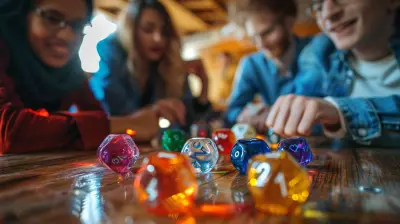
Gaming is no longer just a casual hobby—it’s a full-blown culture. Whether you’re fragging enemies in a high-octane shooter or surviving the apocalypse with your best friend by your side, how we choose to game says a lot about what we value in our downtime. And when it comes to the age-old debate between co-op games and competitive multiplayer, I’m planting my flag firmly in the co-op camp. Why? Because co-op games aren't just fun—they're soul-fueling, relationship-strengthening, and surprisingly refreshing in a world that’s too often obsessed with being #1.
Let’s dive into why co-op games are better than competitive multiplayer—and why maybe, just maybe, it’s time to give up the grind and embrace the squad life.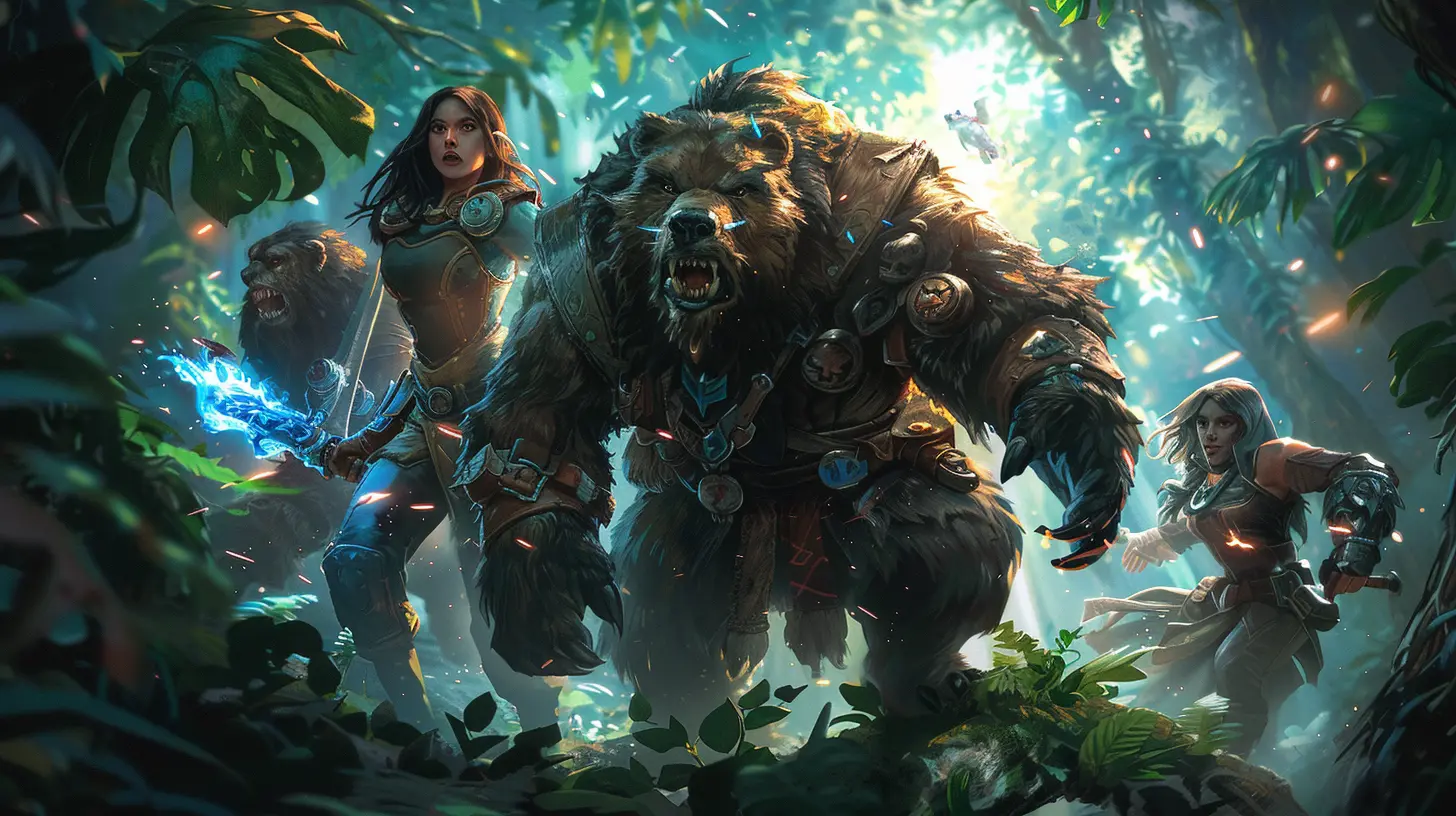
1. Less Stress, More Fun
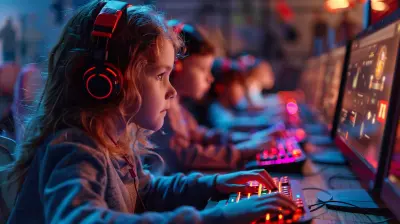
Let’s be real—competitive games can be straight-up anxiety factories. Whether you're climbing the ranks in League of Legends or sweating it out in Call of Duty Warzone, that constant need to win can suck the joy right out of the experience.Co-op games, on the other hand, are built around collaboration, not domination. You're not sweating bullets trying to outplay someone; you're working together to solve problems, beat bosses, and enjoy the ride. The pressure is off, and suddenly, gaming feels less like a second job and more like, well, a game.
No Raging Teammates
We’ve all been there. One mistake, and your teammate is flaming you like you committed a war crime. In co-op games, that’s rarely the case. You mess up? Your friend shrugs it off, maybe laughs, and then you both try again. The vibe stays chill, and the night doesn’t end in a rage quit.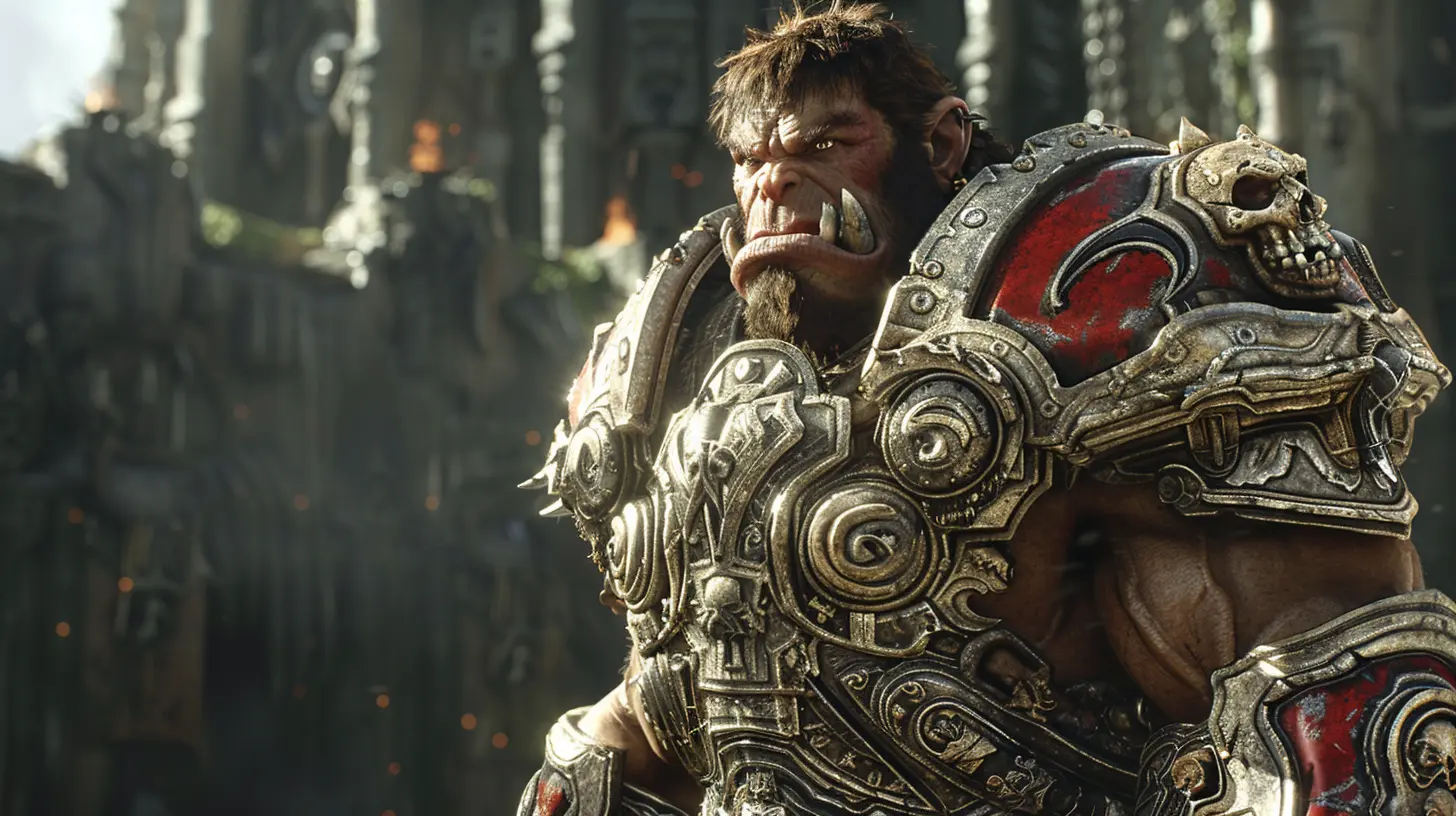
2. Strengthens Real-Life Bonds
Gaming is often blamed for isolating people, but co-op games flip that script completely. There’s something magical about teaming up with a friend or loved one and working toward a shared goal. It deepens your connection, builds communication, and creates unforgettable memories.Couples Who Game Together, Stay Together
Seriously, playing a co-op game like It Takes Two or Portal 2 with your partner might be better for your relationship than binge-watching Netflix for hours. You’ll laugh, you’ll debate, you’ll even get a little frustrated—but you’ll do it together.Co-op games turn screen time into quality time. Whether you're solving puzzles or defending a base, you're engaging in active, meaningful interaction—way more dynamic than scrolling TikTok side by side.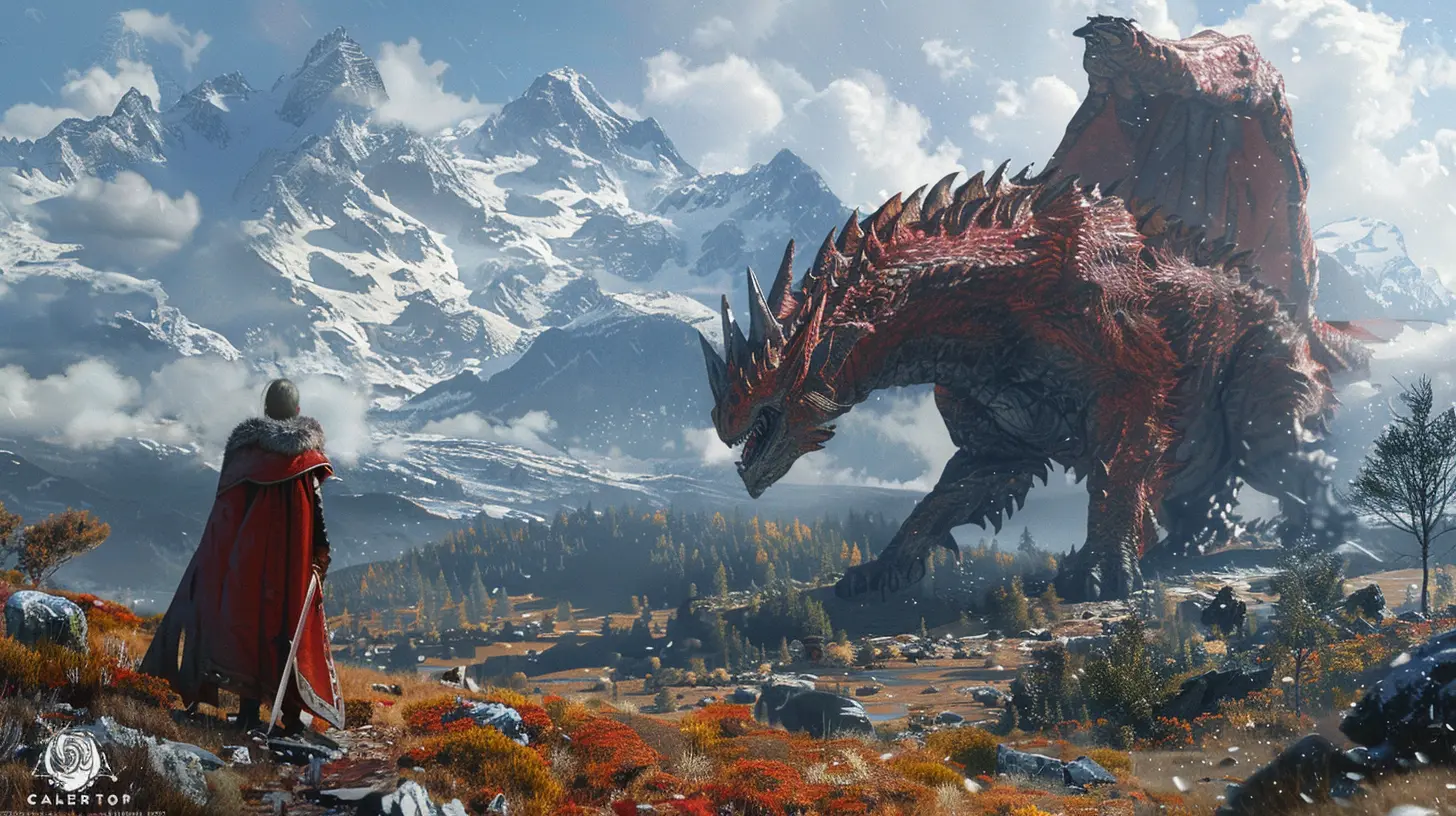
3. Everyone Plays, No One Gets Left Behind
Ever try getting your not-so-gamer friends to play competitive games? It’s a nightmare. They get wrecked, feel useless, and eventually tap out.Co-op games don’t gatekeep. They're far more accessible because the goal isn’t to be the best—it's to have fun together. Games like Overcooked, Minecraft, or Stardew Valley welcome players of all levels, and everyone can contribute in a way that feels rewarding.
No Need for 'Sweaty' Skills
In co-op, nobody cares about your K/D ratio or your ELO. There’s no punishment for messing up, and there’s always time to improve. It’s an environment where you can learn at your own pace, without getting demolished by a 12-year-old with lightning reflexes and a $300 gaming mouse.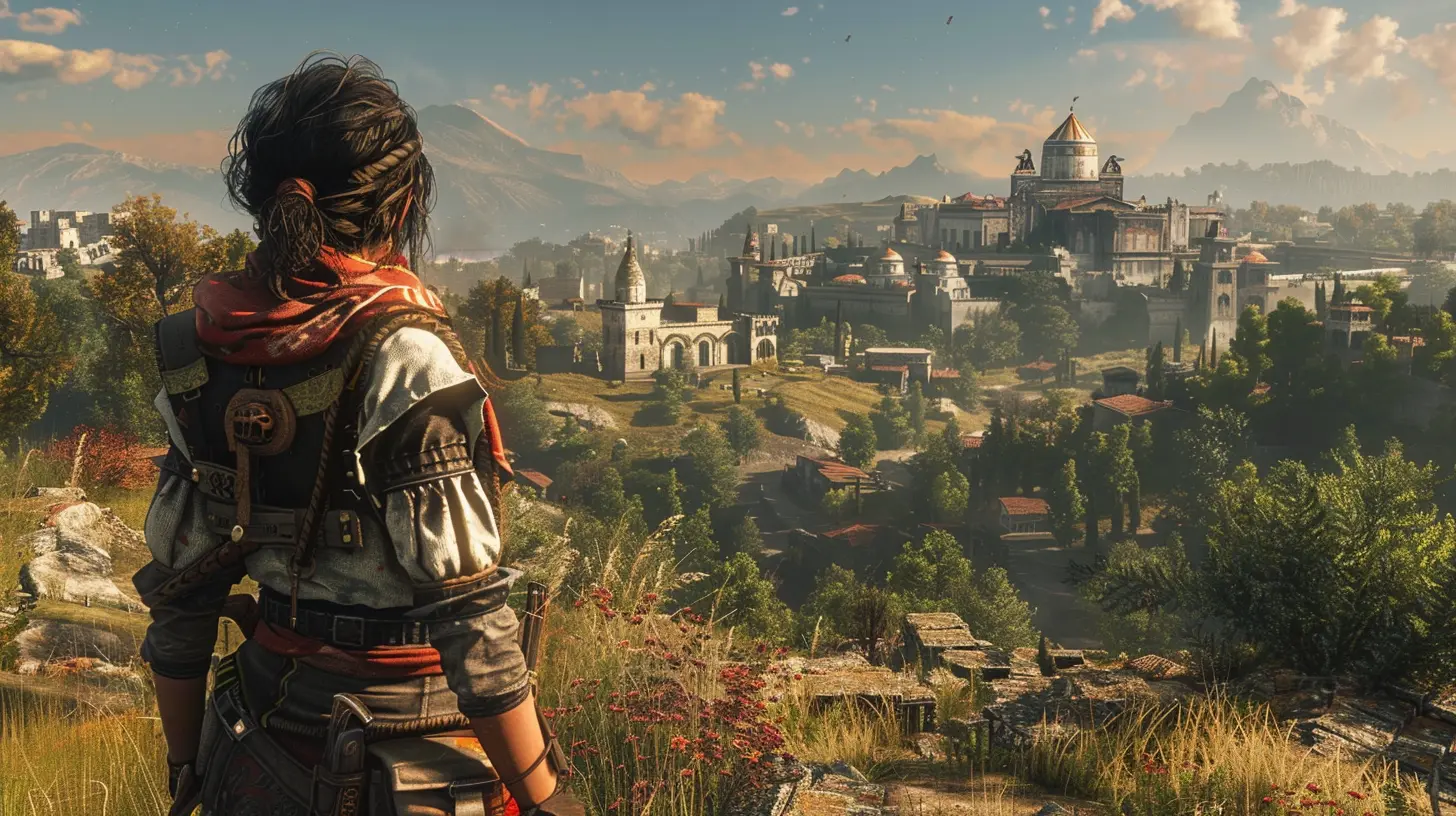
4. Better Storytelling and Worldbuilding
If you’re a fan of good stories, co-op games dish them out like grandma at Sunday dinner. Because there’s no need to focus on balance and competition, co-op games can go all-in on narrative, atmosphere, and immersive worldbuilding.You’re Not Just Playing—You’re Experiencing
Take games like Divinity: Original Sin 2, A Way Out, or Borderlands 3. These aren’t just fun games—they’re gripping experiences that unfold based on how you and your teammate play. The shared story becomes part of your story—something you’ll bring up in conversations years from now.In competitive games, you're grinding for rank. In co-op games, you're writing a legend.
5. A Break From the Toxicity
Let’s talk about online toxicity—because it’s real, and it’s rampant in competitive multiplayer. Whether it’s homophobic slurs, sexist comments, or just plain old trolling, competitive lobbies can be hostile places.Co-op Communities > Competitive Communities
Co-op games tend to attract a different kind of crowd. These communities are more helpful, more positive, and more inclusive. People share tips, offer support, and genuinely want others to succeed.Why? Because in co-op, your success is my success. We’re not enemies—we’re teammates. That shift in mindset changes everything.
6. Creativity Over Combat
Co-op games are where creativity blossoms. You're not just trying to outgun someone—you’re solving problems, building empires, or crafting new worlds together.Ever Played Minecraft With Friends?
You start off building a simple base. Next thing you know, you're designing an underground rollercoaster that shoots fireworks and plays music. That kind of freedom just doesn’t exist in competitive titles.Even games with combat like Deep Rock Galactic or Left 4 Dead 2 require strategy and coordination that feel more creative than combative. You're not just winning—you're problem-solving, adapting, and thriving as a team.
7. They Age Better
Competitive games are often at the mercy of meta shifts, patches, and power creep. What’s fun today might be trash tomorrow due to a balance update.Co-op games? They're timeless.
No Meta, Just Memories
You can pick up Castle Crashers or Halo 3's co-op campaign years later, and it’s still a blast. The experience doesn’t rely on balance—it relies on chemistry, gameplay, and the connection you have with your teammates.These games don’t get outdated because their value lies in the shared experience, not the leaderboard.
8. Perfect for Drop-in Drop-out Gaming
Got just 30 minutes to chill before dinner? No problem. Co-op games make it super easy to hop in, do something fun, and hop out—without the emotional rollercoaster of competitive matchmaking.Who Has Time for Rage-Induced All-Nighters?
Competitive matches can go on forever, and most of the time, you can't leave without getting penalized or abandoned by your team. Co-op games? Pause, grab a snack, and pick up where you left off tomorrow.It’s flexible, forgiving, and way more aligned with how real people live.
9. They Teach Real-Life Skills
No, really. Co-op games can teach communication, teamwork, patience, and leadership—all without feeling like a boring “learning game.”Overcooked Is Practically a Team-Building Exercise
Want to test your ability to multitask, delegate, and not scream while cooking imaginary soup? Play Overcooked with three friends. It’s hilarious, chaotic, and sneakily educational.Even games like Phasmaphobia or Keep Talking and Nobody Explodes push your brain in ways most competitive games just don’t.
10. They Cater to Replayability
With procedural generation, mod support, and multiple classes or roles, co-op titles often offer tons of replay value.Every Run Is Different
Games like Risk of Rain 2 or Deep Rock Galactic feel fresh every time you play. You’re not just repeating the same match on the same map—you’re discovering new ways to play and strategize with friends.It makes every session feel like a new adventure, not just another lap around the same old track.
Final Thoughts
There’s no denying that competitive multiplayer has its place. For some people, the thrill of the climb, the rush of clutch plays, and the satisfaction of a perfect round is unbeatable. But for the rest of us—for gamers who want to relax, connect, and truly enjoy our time—co-op games offer something deeply special.They strip away the toxicity, reduce the pressure, and invite us to be part of something bigger than ourselves. In a world that often pushes us to compete, maybe what we really need is to collaborate.
Next time you're scrolling through your game library looking for something to play, don’t just default to yet another battle royale. Call a friend, boot up a co-op game, and remind yourself what gaming can (and should) be—a shared joy.
all images in this post were generated using AI tools
Category:
Best Co Op GamesAuthor:

Stephanie Abbott