What Makes Cosmetic Microtransactions So Profitable
5 June 2026
Let’s talk about something that’s been quietly (or not so quietly) changing the gaming world — cosmetic microtransactions. You've seen them. You’ve probably even bought a few. Whether it was that shiny new skin in Fortnite or the flashy mount in World of Warcraft, cosmetic microtransactions have become a massive piece of the industry pie. But have you ever stopped to really wonder why they’re so incredibly profitable? I mean, they don't even affect gameplay most of the time... so what's the big deal?
You're about to find out.
The Rise of Cosmetic Microtransactions
Once upon a time, you paid for a game, got the whole thing, and that was it. Now? Games are more like a base model car — you can drive it for sure, but if you want those sweet leather seats (or a dragon skin for your rifle), it’s gonna cost you extra.Cosmetic microtransactions started off small — a few costumes here, a little skin there. But as online multiplayer games exploded, so did the opportunity for players to express themselves in-game. And guess what? Players are willing to pay a lot for that expression.
What Exactly Are Cosmetic Microtransactions?
First, let’s clear the air. When we say "cosmetic," we’re talking about items in a game that change visuals but not performance. That means no added damage, no invincibility — just a cool look:- Skins (characters, weapons, vehicles)
- Outfits and costumes
- Pets or companions
- Emotes or animations
- UI customization
- Mounts or vehicles
- Profile banners or avatars
It’s all about the vibe, not the power.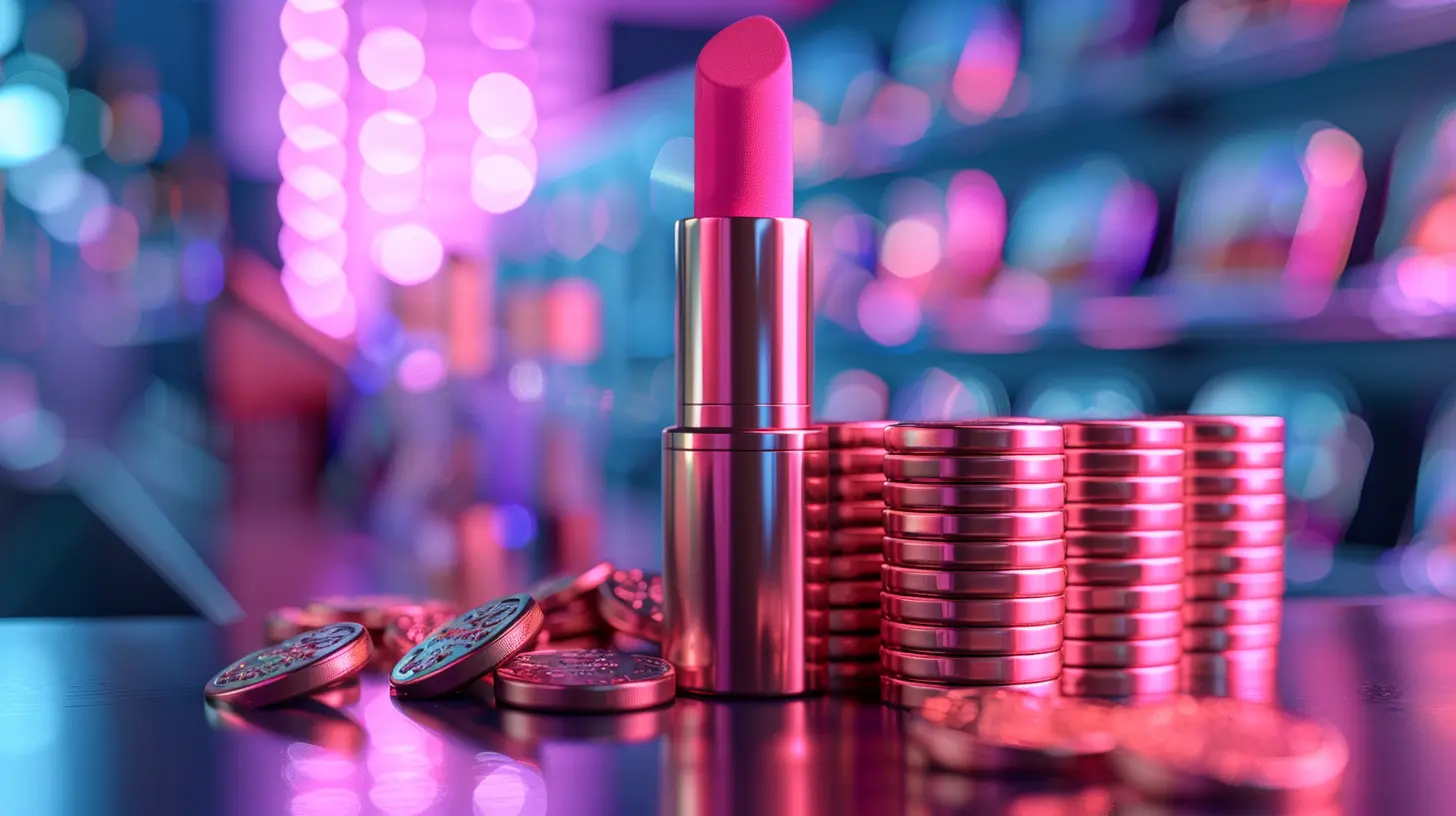
The Psychology Behind the Spend
Alright, here’s where things get interesting. Why do people shell out cash for something that doesn’t even give them a gameplay advantage?1. Identity and Self-Expression
Let’s face it, we all want to stand out — even in a virtual world. Cosmetic items let players showcase who they are, or at least who they want to be, in-game. Think of it like customizing your avatar to dress how you WISH you could IRL. Maybe you want to be a cyberpunk samurai on Tuesday and a fluffy panda DJ by Friday — go for it.This sense of identity is powerful. And guess what? It sells.
2. Social Influence and Peer Pressure
Look around in any multiplayer lobby. See someone rocking a legendary skin that’s glowing and sparking like fireworks at a Fourth of July party? You're gonna notice. You might even want it. This is where FOMO (Fear of Missing Out) kicks in. Players want to be part of the cool crowd. They want to be noticed.And when everyone else is flexing their cosmetics, it’s hard not to want in on the action.
3. Scarcity and Limited-Time Offers
You’ve probably seen those timers ticking down next to a new skin in the shop. That’s not just decoration — that’s marketing black magic. Limited-time offers drive urgency. “Get it now or regret it forever!” And that works. Big time.Scarcity triggers impulsive decisions. It creates a sense that if you don’t act now, you’re missing out on something special. People don’t like to miss out.
The Free-to-Play Model Advantage
Cosmetic microtransactions thrive in free-to-play games. Why? Because the barrier to entry is zero. Anyone can jump in and play. But if you want your character to look like a total boss, it’s time to open the wallet.Games like Fortnite, Apex Legends, and Genshin Impact are prime examples of this model done right. They rake in millions — even billions — not by selling power, but by selling style.
And here's the kicker: players end up spending more than they would have if they just bought the game outright.
The Economics of Cosmetics
Let’s crunch some very simple numbers. Suppose a cosmetic item in a game costs $10. Now, imagine 10 million players — just 5% of them (500,000) decide to buy it. That’s $5 million... for ONE item.No need for manufacturing, shipping, or restocking. Just code it once and watch the money roll in.
And since there's no impact on game balance, developers can pump out dozens (or hundreds) of cosmetics without worrying about breaking the game. It's almost like printing money.
The Power of Customization
Think of customization in games like customizing your phone case or wardrobe. We love options. We love standing out. And games have become the perfect playground for that.Whether it’s dressing up your hero in League of Legends or repping a particular clan in Destiny 2, these bits of flair become part of your digital identity. And for many, that identity is worth paying for.
And guess what? Customization is addictive. Once you buy one item, it's easier to justify the next.
Live Service Games and Seasonal Content
Microtransactions are the lifeblood for live service games. These are games that constantly evolve with new content, challenges, and — you guessed it — cosmetics. Battle passes, seasonal events, and exclusive rewards drive ongoing purchases.Why are they so effective?
- Consistent content keeps players engaged.
- Engagement makes players more likely to spend.
- Spending supports the development of future content.
It’s a virtuous (and profitable) cycle.
The Role of Streamers and Influencers
Here's a spicy take: influencers are unintentionally game marketing machines. When popular streamers showcase a new skin or outfit, it acts like a live commercial — one that’s way more effective than traditional ads.Their audiences see the cool new look and instantly want it too. It's like your favorite celeb rocking a new pair of sneakers. The flex is real.
The Gacha and Loot Box Influence
Okay, let’s talk about the controversial side of cosmetic microtransactions — the gacha and loot box systems.Instead of buying a specific item, these systems offer a chance to win it. It's like spinning a slot machine. And yes, it plays heavily on gambling psychology.
You don't know which skin you'll get — or if you'll get what you want at all. But that uncertainty makes every spin exciting... and addictive.
While some countries have started cracking down on loot boxes, this model still exists in many places, and it's incredibly profitable (albeit ethically questionable).
Mobile Games: The Microtransaction Masters
If console and PC games invented cosmetic microtransactions, mobile games perfected them. From Candy Crush to Clash of Clans, mobile developers have learned how to turn cosmetics into serious cash.Mobile games rely heavily on “whales” — a small percentage of players who spend a lot. Cosmetics are the perfect lure for these users because they offer constant, non-intrusive spending opportunities.
And with mobile being the most accessible gaming platform, it's no shock that this market is booming.
Are Cosmetic Microtransactions Bad?
Here’s the million-dollar question (literally): are cosmetic microtransactions ruining games?Honestly? It depends.
When done tastefully, cosmetics can enhance the player experience without hurting balance. They're optional, harmless fun. But when devs lock the coolest content behind paywalls or design systems to exploit spending habits, things get dicey.
Transparency, fairness, and respect for players go a long way in keeping cosmetics a good thing.
Why Developers Love Them
From a developer’s perspective, cosmetic microtransactions are a dream:- High-profit margin: Once the art and animation are done, the money just comes in.
- No balance issues: They don’t mess with game mechanics.
- Encourages longevity: Players stick around longer if they’re invested in their character’s appearance.
- Supports ongoing development: That income keeps the lights on and the updates flowing.
It’s no wonder studios big and small are leaning into this model.
The Future of Cosmetic Microtransactions
So, where does it all go from here?We're likely to see even more immersive customization — think digital fashion shows, player-run marketplaces, maybe even NFTs (though that’s a whole other can of worms). As technology evolves, so will the ways players can personalize their experience.
One thing’s for sure: as long as players crave uniqueness and devs can monetize that desire, cosmetic microtransactions are here to stay.
Final Thoughts
At the end of the day, cosmetic microtransactions aren’t just about digital outfits. They’re about identity, creativity, and social connection. They tap into our natural desire to stand out, belong, and show off a bit. And when framed that way, it's no surprise they’ve become such a cash cow for game developers.Are they always a good thing? Not necessarily. But when done right, they can be a win-win — letting players support their favorite games while adding a personal touch to their virtual experience.
So next time you see someone spend $20 on a skin, remember: they’re not just buying pixels. They’re buying personality.
all images in this post were generated using AI tools
Category:
Game MonetizationAuthor:

Stephanie Abbott
Discussion
rate this article
1 comments
Isaiah Baker
Cosmetic microtransactions thrive on the psychology of desire. Players are drawn to unique skins and items that enhance their identity in-game. This fascination creates a sense of exclusivity, encouraging spending. As games evolve, the push for customization only increases, making these transactions a staple in gaming monetization strategies.
June 8, 2026 at 3:58 PM