What Makes a Great Educational Game
3 August 2026
Educational games have come a long way since pixelated math puzzles and spelling bees on floppy disks. Today’s learning games are immersive, fun, and surprisingly effective. But what truly separates a great educational game from a forgettable one? Let’s dive in and unpack what really makes an educational game shine.
Whether you're a game developer looking to make an impact, a teacher wanting to jazz up lesson plans, or a parent trying to sneak in some learning during playtime—this article is for you.

The Beautiful Balancing Act: Learning Meets Fun
First things first: a great educational game needs to strike the perfect balance between education and entertainment. Think of it like baking a cake—if you add too much flour (education), it turns out dry. But too much sugar (fun) and, well, it’s just candy. You need both to serve up something satisfying and nourishing.If the game is all about memorizing facts with zero excitement, kids will lose interest faster than you can say "multiplication table." On the flip side, if it’s just a game with random trivia slapped on top, the learning won’t stick. A successful educational game makes learning an organic part of the gameplay—players learn because they want to, not because they have to.

Why Engagement is Everything
You know that feeling when you’re so into a game that time flies, and suddenly it’s three hours later? That’s what we want from educational games too—what researchers call “flow.”The secret sauce? Engagement.
A great educational game hooks players from the start and keeps them coming back. That means interesting storylines, relatable characters, interactive challenges, and a little reward now and then. Think of Minecraft Education Edition. It teaches coding, problem-solving, and even history—but kids are playing it because they’re having an absolute blast building castles and adventuring through pixel worlds.

Storytelling: Not Just for Novels and Movies
Let’s be real—humans are wired for storytelling. We love a good hero’s journey. So why not use storytelling to fuel learning?When a game gives players a purpose—like saving a digital city from pollution or solving mysteries in ancient Egypt—it taps into something deeper. The story gives context to the learning and makes the information more memorable.
Instead of solving math problems just to solve them, you’re cracking a code to escape a haunted house. Same math, totally different motivation.
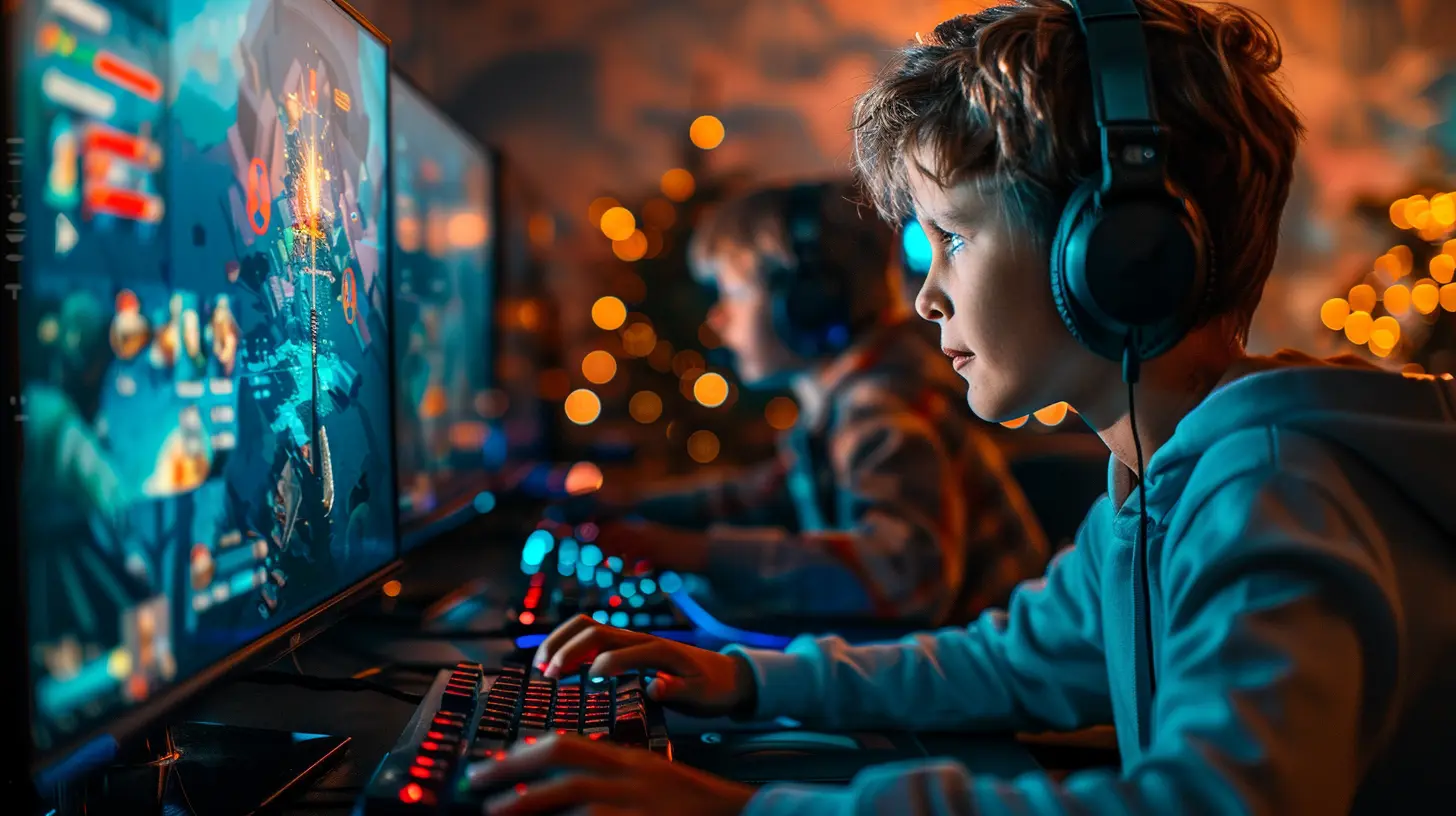
Interactivity: The Key to Active Learning
Passive learning is out. Nobody wants to click through endless screens of dull information. A great educational game makes players do stuff. Whether it’s dragging and dropping, crafting, solving, building, or just exploring, players should be constantly interacting.This kind of active learning boosts retention big time. It’s the difference between watching someone play an instrument versus picking it up yourself and jamming out.
Differentiation: One Size Doesn’t Fit All
We all learn differently. Some of us are visual learners, others need audio, and some just need to get hands-on. A truly great educational game understands that and provides various ways for players to engage.Look for games that allow customization—adjustable difficulty levels, learning modes, or even language settings. That way, they can empower users from different backgrounds and skills to learn at their own pace. It’s like having a personalized tutor, disguised as a game!
Real-World Application: Learning That Sticks
The best games don’t just teach facts—they teach skills. Whether it’s critical thinking, teamwork, financial literacy, or decision-making, these are lessons players can take into the real world.Take a game like SimCity EDU. It challenges players to manage a city while balancing budgets, making eco-friendly decisions, and dealing with unexpected disasters. Honestly, how many of us wish we'd learned that in school?
When games mirror real-life situations, players start to see the value of what they're learning—not just in the game, but outside it too.
Feedback and Progression: Show Me the Growth
Imagine playing a game and having no idea if you're doing well. Frustrating, right? That’s why feedback is huge.A great educational game gives you instant feedback—“Oops! Try again,” or “Nice job!”—and tracks your progress as you go. This keeps players motivated and gives them a sense of accomplishment, even if they’re just inching forward.
Progression matters too. Levels, rewards, badges, or even virtual coins help players see how far they’ve come. It keeps the momentum going, encouraging them to take on the next challenge.
Accessibility and Inclusion: Everyone Gets to Play
Learning should be for everyone. Accessibility is no longer optional—it’s essential.A top-tier educational game offers features to accommodate different needs. Subtitles for hearing-impaired players, voice-over instructions for those with reading difficulties, and simple controls for kids with motor challenges are just a start. Inclusion isn’t just nice to have—it’s the right thing to do.
And let’s not forget language. Offering multilingual support can open doors for learners across the globe.
Cross-Curricular Potential: More Bang for Your Buck
Some of the best educational games don’t just teach one subject—they bridge the gap between disciplines. Imagine a game that teaches geography, literacy, and environmental science all in one storyline. That’s powerful.Games like these don’t just tick one box—they reinforce multiple skills, often without the player even realizing it. For teachers and parents, that’s a big win.
Motivation and Rewards: The Power of Gamification
We all love rewards. Even grown-ups can’t resist that little dopamine boost when we level up or earn a badge. Educational games tap into this with smart gamification.Points, leaderboards, virtual trophies, unlockable levels—they all drive motivation. But it’s not just about external rewards. By cleverly designing successes throughout, games build up intrinsic motivation—the kind that keeps players going because they want to master something.
Community and Collaboration: Learning Together
Who says learning has to be a solo mission? Multiplayer educational games or games that encourage collaboration open up huge possibilities.Whether it’s teaming up to solve challenges, sharing creations, or just helping each other out, social interaction supercharges the learning process. Just like in real life, we learn better together.
And with online connectivity, that team could be across the room or across the world. Suddenly, the game becomes a global learning experience.
Regular Updates and Fresh Content
Let’s face it—no matter how fun a game is, it can get stale if there’s nothing new to look forward to. That’s why ongoing updates, seasonal challenges, and fresh content matter.A great educational game evolves. It listens to feedback, improves glitches, adds new lessons or levels, and keeps things exciting. This keeps players engaged long-term and ensures that the game remains relevant with evolving curriculums and skill needs.
Safety and Privacy: Protecting Young Minds
Especially with educational games for kids, you can’t overlook safety. Parents and educators need to know that the game is secure, free from crazy ads, and protects personal data.Look out for games that are COPPA-compliant, ad-free, and offer parental controls. A safe digital space allows kids to focus purely on learning and having fun—without distractions or dangers.
The Role of Educators and Parents
Even the best game won’t do all the work on its own. The real magic happens when teachers and parents get involved—asking questions, celebrating progress, and encouraging exploration.Games are tools, not babysitters. Used right, they can spark deeper conversations, inspire curiosity, and turn screen time into something seriously meaningful.
Examples of Great Educational Games That Nail It
Let’s give a shoutout to a few games that absolutely crush it when it comes to educational value and fun:- Prodigy: A math-based RPG that keeps kids spellbound while tackling problem-solving.
- Duolingo: Gamifies language learning with challenges, streaks, rewards, and hilarious owl reminders.
- Kerbal Space Program: Teaches physics and engineering through trial-and-error-based rocket building (yes, really!).
- DragonBox: Makes algebra so engaging that kids don’t even realize they're doing math.
- CodeCombat: Learn to code through actual gameplay—it’s like a fantasy RPG mixed with a coding bootcamp.
These aren’t your average “edutainment” titles—they’re experiences that leave a lasting impact.
Final Thoughts: The Future of Learning is Play
So, what makes a great educational game? It’s not just about slapping a textbook onto a generic game engine. It’s about creativity, design, empathy, and purpose.When a game makes you laugh, think, and learn all at once—that’s the sweet spot.
As technology evolves, so will the way we learn. The lines between playing and studying will continue to blur. And honestly? That’s a future worth logging in for.
So the next time you hear someone say, “Video games are a waste of time,” just smile. Because you know better.
all images in this post were generated using AI tools
Category:
Educational GamesAuthor:

Stephanie Abbott