What Makes a Game Truly Difficult?
25 April 2026
Ever thrown your controller in frustration or shouted at the screen after your fifth failed attempt at a boss fight? Yeah… we’ve all been there. But that raises the question—what actually makes a game difficult? Is it the mechanics, the learning curve, the cruel AI, or something else entirely?
Let’s buckle up and dive head-first into what separates truly tough games from the ones that are just mildly irritating.
The Fine Line Between Challenging and Unfair
Not all difficulty is created equal. Some games are hard because they challenge your reflexes and make you think creatively. Others? They just feel like they hate you. Remember that one game where even the tutorial level felt like a trap? That’s the difference between “challenging” and “cheap.”A truly difficult game should push you without making you want to smash your keyboard. Think of it like gym training—if you’re sweating, struggling, but improving, that’s the sweet spot. If you’re just in pain with no progress, something’s wrong.
Skill-Based vs. Artificial Difficulty
Let’s get into the thick of it. There are two major types of game difficulty:1. Skill-Based Difficulty
This is the good kind. It's the one that keeps you coming back. These games test:- Reflexes
- Timing
- Strategy
- Patience
- Pattern recognition
Think games like Dark Souls, Celeste, or Cuphead. These titles teach you through failing—and failing again. But each failure is a lesson. The more you play, the better you get. Not because the game gets easier, but because you level up your skills.
2. Artificial Difficulty
Now here’s where rage-quits happen. Artificial difficulty is when the game relies on unfair mechanics to make things hard:- Randomized enemy attacks
- Limited save points
- Long respawn times
- Hidden traps you couldn’t possibly predict
It’s like playing poker where the dealer gets to peek at your cards every time. Sure, it feels hard, but not in a fun, rewarding way. It just feels cheap.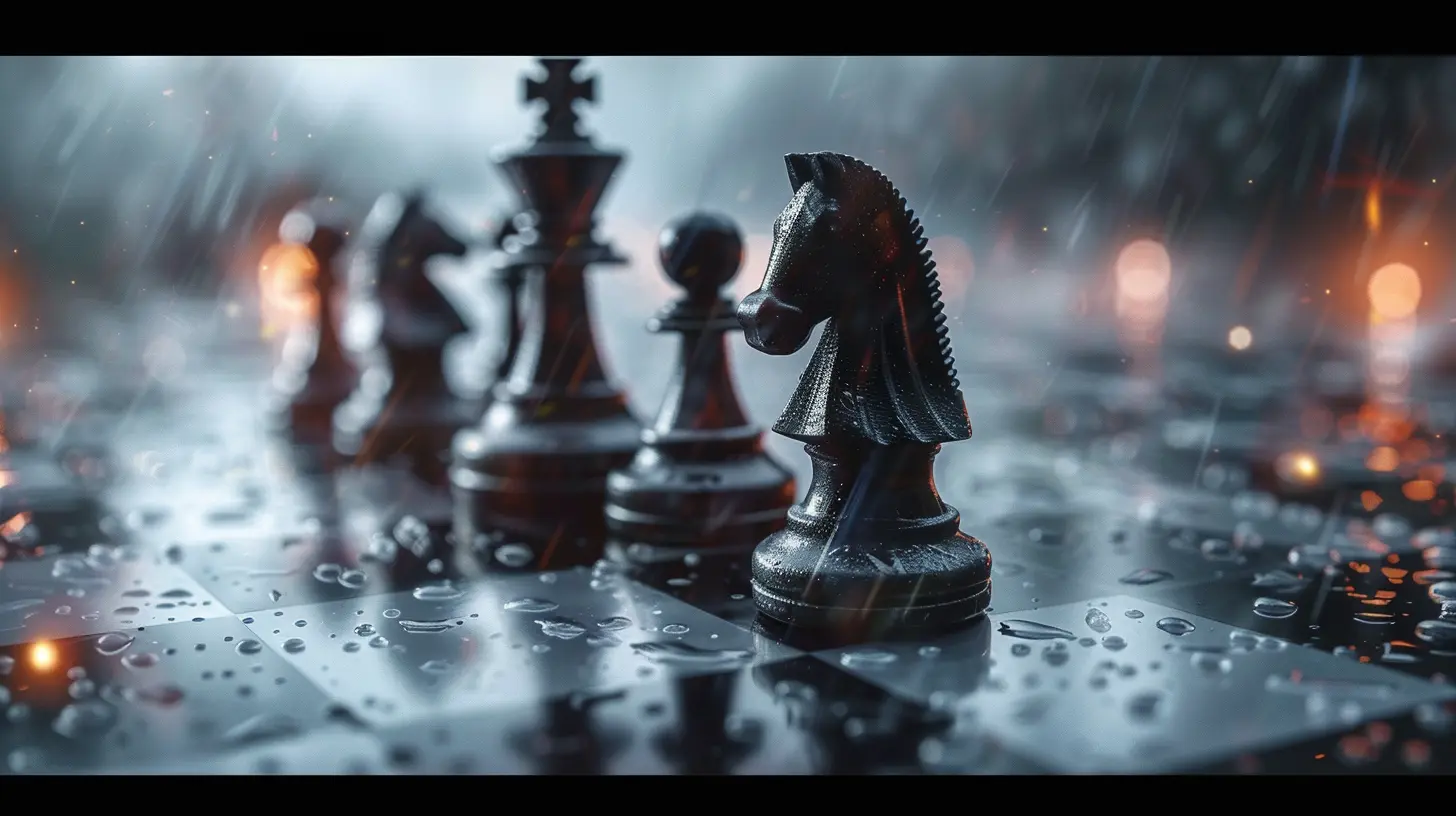
What Role Does Game Design Play?
Game design is the backbone of either kind of difficulty. A well-designed game seamlessly blends challenge with flow. A poorly designed one just tosses you into the chaos and says “good luck.”Some signs of great design in difficult games:
- Clear objectives: You always know what you’re supposed to do—even if doing it isn’t easy.
- Consistent rules: The game world follows its own logic, so if you fail, you know why.
- Fair checkpoints: They respect your time. You don’t have to redo an hour of gameplay just for another shot at the boss.
By contrast, poor design in a hard game can feel like trying to navigate a maze blindfolded—frustrating, confusing, and just plain unfair.
Difficulty vs. Accessibility
Here's something people often mix up: difficulty and accessibility are not the same thing.A game can be brutally hard but still accessible. Celeste is a perfect example—it has assist modes for people who need them, without watering down the core game for others.
So if a game doesn't include difficulty options or accessibility features, it's not necessarily "hardcore"—it might just be excluding potential players. That’s not making it difficult; that’s making it unwelcoming.
The Psychological Side of Difficulty
Let’s pivot for a second. Ever notice that the hardest part of some games is mental, not mechanical?Games like The Witness or Return of the Obra Dinn mess with your brain. Forget fast reflexes—these games want your neurons firing on all cylinders.
Difficulty doesn’t always mean combat or quick-time events. Sometimes it’s the puzzle that makes you stare at the screen for so long, you start doubting your own intelligence.
And that’s the beauty of it—difficulty can be diverse. It’s the game’s way of saying, “Let’s see what you’ve got,” whether that’s through puzzles, strategy, or full-blown chaos.
AI Behavior: Friend or Foe?
Ever faced off against an enemy that seems way too smart for its own good? Like it’s reading your inputs and reacting BEFORE you even press the button?That’s the AI behaving like an over-caffeinated chess master.
Advanced AI can definitely up the difficulty. But when it’s too good—like dodging all your attacks without fail—it crosses into frustration.
On the flip side, dumb AI can also be annoyingly difficult. How? Because stupid enemies often don’t react the way you expect, which throws off your strategies. It’s like trying to play tag with someone who doesn’t know the rules. Maddening.
Player Expectations and Mindset
Sometimes, we go into games expecting a cakewalk, and when it turns out to be a gauntlet, we call it "unfair." But part of what makes a game feel difficult—or not—comes down to your mindset.Are you:
- Willing to die a dozen times to figure out a pattern?
- Patient enough to try multiple loadouts or strategies?
- Able to learn from mistakes instead of blaming the game?
If not, even a moderately tough game can feel brutal. A truly difficult game requires a particular type of player—someone stubborn enough to grin through the grind.
The Role of Replay and Muscle Memory
A lot of hard games rely on repetition. You die. You learn. You repeat.This is especially true in platformers, speed-runners, and roguelikes. After a while, these games stop feeling impossible because your fingers start to remember what to do. That’s muscle memory stepping in like a trusty sidekick.
But here's the kicker—if a game doesn’t reward your repetition with actual improvement, it’s just wasting your time. Good hard games reward muscle memory. Bad ones punish you for trying.
The Emotional Reward of Beating a Tough Game
Here’s the honest truth—every gamer wants that feeling. That rush of pure joy when you finally beat the boss or solve the puzzle. It’s like climbing a mountain, then screaming from the top, “I DID IT!”That emotional payoff? That’s the real reason we put up with hard games.
The harder the game, the sweeter the victory. It’s the gaming version of turning pain into glory.
Examples of Brilliantly Hard Games
Let’s give some love to the games that nailed difficulty just right:- Dark Souls Series – Brutal but fair. Every death teaches you something.
- Hollow Knight – Deep mechanics, intense boss fights, and a massive world to get lost in.
- Celeste – Precision platforming with an emotional narrative that makes the struggle mean something.
- Sekiro: Shadows Die Twice – Demands mastery of its combat system, but rewards you with the thrill of becoming a samurai god.
- Spelunky – Procedurally generated chaos that keeps you on your toes and never lets you coast.
These games don’t hold your hand. They throw you into the deep end—but give you the tools to swim.
Should All Games Be This Hard?
Of course not.Difficulty is just one flavor in the beautiful buffet of gaming. Not every game needs to be a test of skill. Some games are made to relax, tell a story, or let you explore. And that’s totally fine.
But when a game is meant to be hard—it should own that. Lean into it. Be unapologetic about it. Just make sure it’s also fair and rewarding.
Final Thoughts
So, what makes a game truly difficult?It’s not just about throwing enemies at you or making health bars microscopic. It's about balance, design, and the feeling of overcoming the odds. It’s when a game respects your intelligence and abilities enough to challenge you without cheating you.
Hard games aren’t for everyone—and that’s okay. But if you're into testing your limits, sharpening your skills, and enjoying that post-win high, then a truly difficult game is one heck of a ride.
So next time you're cursing that boss or rage-quitting for the tenth time, ask yourself—are you playing a hard game or just an unfair one?
There's a big difference.
all images in this post were generated using AI tools
Category:
Game ChallengesAuthor:

Stephanie Abbott
Discussion
rate this article
2 comments
Rowan McCune
Challenge and reward create depth.
June 1, 2026 at 4:32 PM
Stephanie Abbott
I agree completely. The balance of challenge and reward is what keeps players engaged and invested in the experience.
Marcus Bowers
Difficulty is subjective: mastering systems vs. overcoming unfairness. The best hard games offer transparent rules that reward skill, not RNG or obfuscation. True difficulty respects the player's time and intelligence, making failure a lesson, not a punishment.
April 30, 2026 at 2:39 AM
Stephanie Abbott
I appreciate your insights. You're right-real difficulty should challenge players while respecting their efforts. Transparent systems that reward skill can make failure a meaningful part of the experience.