Understanding the Economics of Battle Passes
10 March 2026
Let’s talk about battle passes—the shiny golden ticket sitting on the menus of your favorite online games, tempting you to fork over a few bucks for some exclusive goodies. They’ve become a dominant force in modern gaming, especially in free-to-play titles. But have you ever stopped to wonder why they’re everywhere now, or how they actually work from a business standpoint?
Welcome to the battle pass economy—a world that fuses smart psychology, player engagement strategies, and good old-fashioned capitalism.
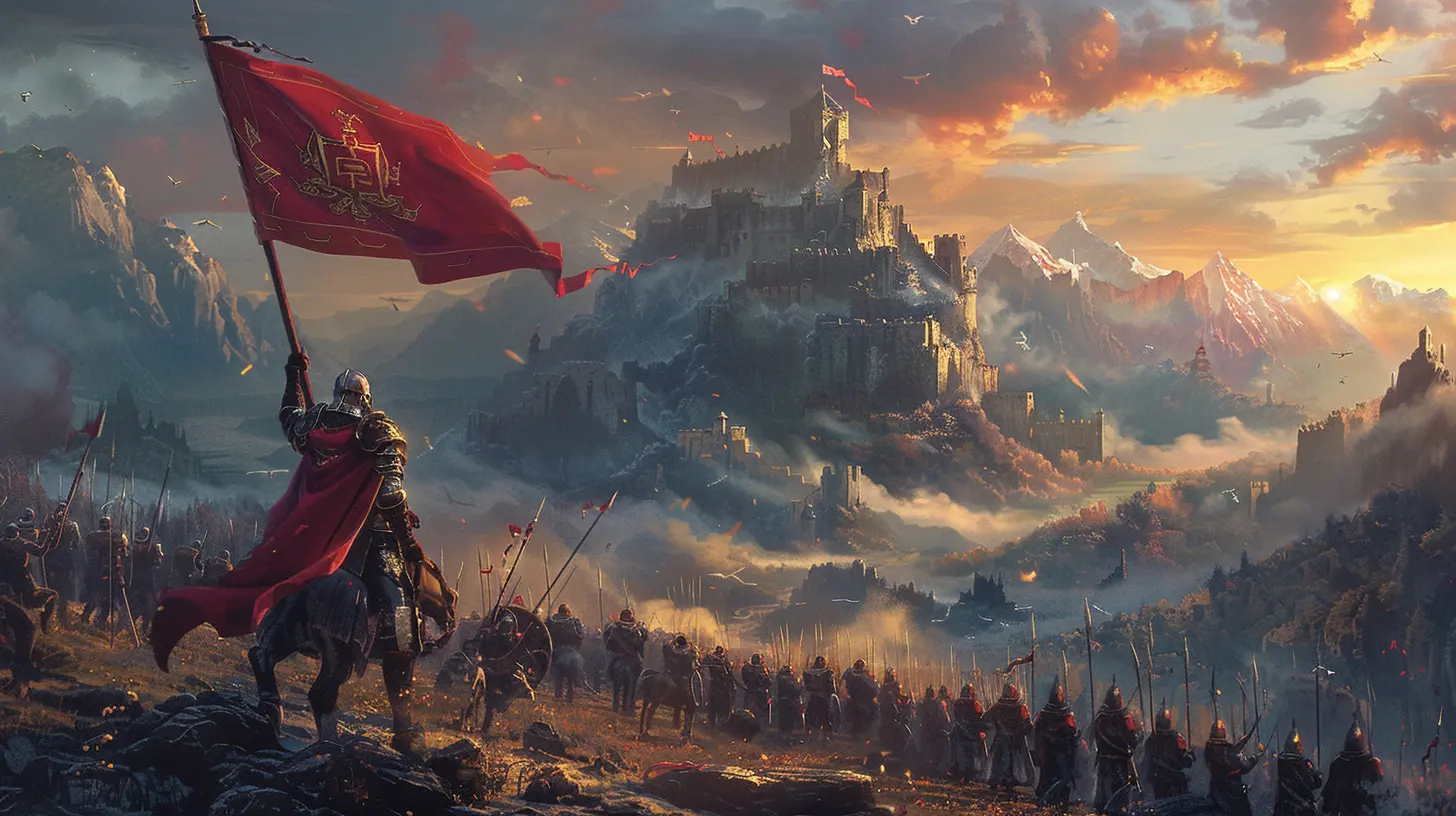
What Is a Battle Pass, Anyway?
Alright, before we dive deep into the economics, we’ve got to be on the same page. A battle pass is essentially a progression-based reward system common in live-service games. Think of it like a seasonal subscription where players unlock rewards like skins, in-game currency, and other cosmetics as they level up through tiers or levels.There's the free track—which offers a handful of goodies—and the premium track, which is the real money-maker. Usually priced between $5 and $15, the premium pass dangles exclusive, often must-have stuff just out of reach. And surprise, surprise: players buy it en masse.
Games like Fortnite, Call of Duty: Warzone, Apex Legends, and even mobile games like Clash Royale have fine-tuned the art of the battle pass. It's not just about giving players cool stuff; it's a psychological playground.
The Money Behind the Mission
From a business perspective, battle passes are pure gold. But why? They’re essentially a genius monetization model disguised as a reward system. Here’s how developers cash in big:1. Predictable Revenue Streams
In contrast to loot boxes or one-time cosmetic purchases, battle passes usually follow a seasonal model—meaning you know when they’re coming and players know when they’ll end. This creates a consistent purchasing pattern. It’s like Netflix, but instead of binge-watching shows, you’re grinding for a new skin and emotes.For developers, that’s predictable income, making it easier to plan updates, pay staff, and invest in longer-term projects.
2. Increased Player Engagement
You don’t just buy a battle pass and walk away. Nope. You’ve got to earn those rewards through hours of gameplay. This means more daily logins, more time in-game, and higher chances of players spending money elsewhere on extra content.It’s simple: the more time you spend playing, the more invested you become. And when you’re invested, guess what? You’re more likely to stick around… and spend more.
3. Psychological Incentives
Ever heard of FOMO (fear of missing out)? That’s battle pass fuel. Developers carefully craft each season with limited-time rewards and exclusive collectibles that won’t ever come back. Miss one? Too bad, it’s in the vault forever.Combine that with the sunk cost fallacy—the idea that once you’ve spent money or time, you’re more likely to keep investing—it becomes a masterclass in behavioral economics.
Battle passes are less about the "value" of the items and more about the feeling of progress, exclusivity, and not missing out.
The Evolution of In-Game Monetization
Let’s rewind the clock a bit. The gaming industry’s monetization game used to focus on expansion packs, full-priced games, and DLCs. Then came microtransactions and loot boxes, which opened the first real floodgates.But loot boxes quickly faced heat for being a bit “gambling-ish.” Governments started sniffing around. Enter the battle pass: a more transparent, “healthier” alternative.
With a battle pass, players know what they’re getting—every skin, charm, or emote is visible before you buy. No spinning wheels or leaving it to chance. It feels fairer, which makes it more palatable to players and regulators alike.
Free vs. Premium: Two Sides of the Coin
Most games offer two tiers: a free track and a premium one. So, what’s the strategy here?- Free Battle Pass: Keeps non-paying players engaged, fills lobbies, and encourages them to stick around. They may not pay now, but they could in the future.
- Premium Battle Pass: The real money-maker. Offers higher-tier rewards and often some “prestige” status—a badge, a rare skin, or maybe access to special missions.
It’s not just about earning money. It’s about keeping the entire ecosystem alive. Paying players fund the game’s development, while free players help maintain its popularity and vitality. It’s a delicate balance, and when done right, everybody wins.
Why Players Actually Love Battle Passes
Despite the obvious commercial motives, battle passes are surprisingly well-received. And here’s why:1. Clear Objectives
Battle passes give players a sense of purpose. Whether you're chasing that Tier 100 mythic skin or just trying to max out rewards before the season ends, there’s always a goal. It's structured progression packed into manageable chunks, and who doesn’t love checking off objectives?2. Perceived Value
For around $10, players can unlock dozens—sometimes hundreds—of dollars’ worth of cosmetic content. Even though it's digital fluff, the sheer quantity of stuff feels worth the price tag.Plus, many passes offer in-game currency that can be used to buy the next season’s pass. So if you grind hard enough, you never have to pay again. That's a heck of a deal (at least on paper).
3. Social Capital
This is a big one. In multiplayer games, cosmetics aren’t just for fun—they’re status symbols. Having that rare, Season 1-exclusive skin is like wearing a trophy on your digital sleeve. It says, “I was there. I did the thing.”In short, battle passes let players express themselves while flexing a little bit.
Battle Passes vs. Loot Boxes: A Quick Face-Off
Let’s pit the two against each other quickly:| Feature | Battle Pass | Loot Box |
|--------|-------------|----------|
| Transparency | High (you know what you’ll get) | Low (randomized) |
| Progression | Skill and time-based | RNG (random number generator) |
| Legal scrutiny | Low | High (seen as gambling) |
| Player trust | Generally positive | Mostly negative |
While loot boxes tried to milk players through surprise mechanics, battle passes offer a more honest, upfront approach. This shift isn’t just about PR—it’s a strategic pivot that appeals to a wider audience.
Potential Pitfalls and Criticisms
It’s not all sunshine and skins. Battle passes have their flaws.1. Grind Fatigue
Not every player can commit to gaming multiple hours a day. Some battle passes can feel like full-time jobs. Miss a few weeks, and suddenly you’re scrambling to catch up. That anxiety? It’s real—and not fun.2. Exclusive FOMO
While exclusivity drives sales, it can also alienate latecomers or casual players. Nobody likes logging in and feeling like they’ve missed the ship entirely.3. Over-Monetization
Some games push battle passes alongside other monetization methods (like item shops or premium currencies), creating a bloated, money-hungry system. At a certain point, it stops being fair and starts feeling like a wallet trap.
Success Stories: Games That Nailed the Battle Pass Model
Let’s shine a spotlight on a few games that got it just right.Fortnite (Epic Games)
The battle pass blueprint. Fortnite’s pass offers insane value, constantly-refreshing content, and crossovers with legendary IPs (Star Wars, Marvel, etc.). Epic nailed the seasonal model, making players eager for each new chapter.Apex Legends (Respawn Entertainment)
A slightly more grind-heavy system, but one that’s tied directly to gameplay. It encourages playing different legends, trying new weapons, and engaging with limited-time events.Call of Duty: Warzone
Combines battle passes with an expansive item shop. Warzone uses progression-based missions and weapon blueprints to add layers of depth to each season.The Future of Battle Passes
So where are things headed?Expect more hybrid monetization, where battle passes combine with subscriptions, free trials, and dynamic progression. We’ll also likely see cross-platform passes (like Riot’s plans with Valorant and LoL) and more integration with narrative content.
Plus, as games shift toward the metaverse, your digital persona and cosmetics may carry over between universes. That means battle passes could end up more than just seasonal grinds—they could be your passport to digital legacy.
Final Thoughts: A Win-Win, If Done Right
The economics of battle passes represent a fascinating intersection of design, psychology, and strategy. When implemented thoughtfully, they can create a vibrant, sustainable ecosystem that rewards both players and developers.But like any system, balance is key. Make it too grindy? Players burn out. Too expensive? They’ll walk away. But hit that sweet spot—engagement, value, and accessibility—and you’ve got gaming gold.
So next time you’re eyeing that $9.99 premium pass, ask yourself: Are you buying the rewards, or the journey?
all images in this post were generated using AI tools
Category:
Game MonetizationAuthor:

Stephanie Abbott
Discussion
rate this article
2 comments
Soryn McKibben
Engagement drives monetization success.
March 22, 2026 at 4:42 PM
Stephanie Abbott
Absolutely! Engagement is key; it keeps players invested and drives spending, making battle passes a lucrative model.
Juno McGuffey
How do battle passes impact player engagement?
March 21, 2026 at 4:28 AM
Stephanie Abbott
Battle passes enhance player engagement by providing structured rewards, incentivizing regular play, and fostering a sense of progression, which keeps players invested in the game over time.