Uncovering the Dark Secrets of Elden Ring's Ancient Kingdoms
14 February 2026
When stepping into the world of Elden Ring, you’re not just entering a game; you’re diving headfirst into a sprawling, breath-taking, and often terrifying universe. Let’s be real—FromSoftware has never been shy about crafting exotic worlds brimming with mystery. Yet, with Elden Ring, they’ve upped the ante. The game’s lands are littered with towering ruins, haunting legacies, and cryptic histories, with each telling the story of ancient kingdoms that once ruled supreme but fell into disrepair and despair.
But what really happened to these grand civilizations? What secrets are buried beneath the layers of ash, bone, and bramble? Buckle up, because I’m about to take you on a wild ride through the shadowy pasts of Elden Ring’s ancient kingdoms—a tale as tragic as it is fascinating. 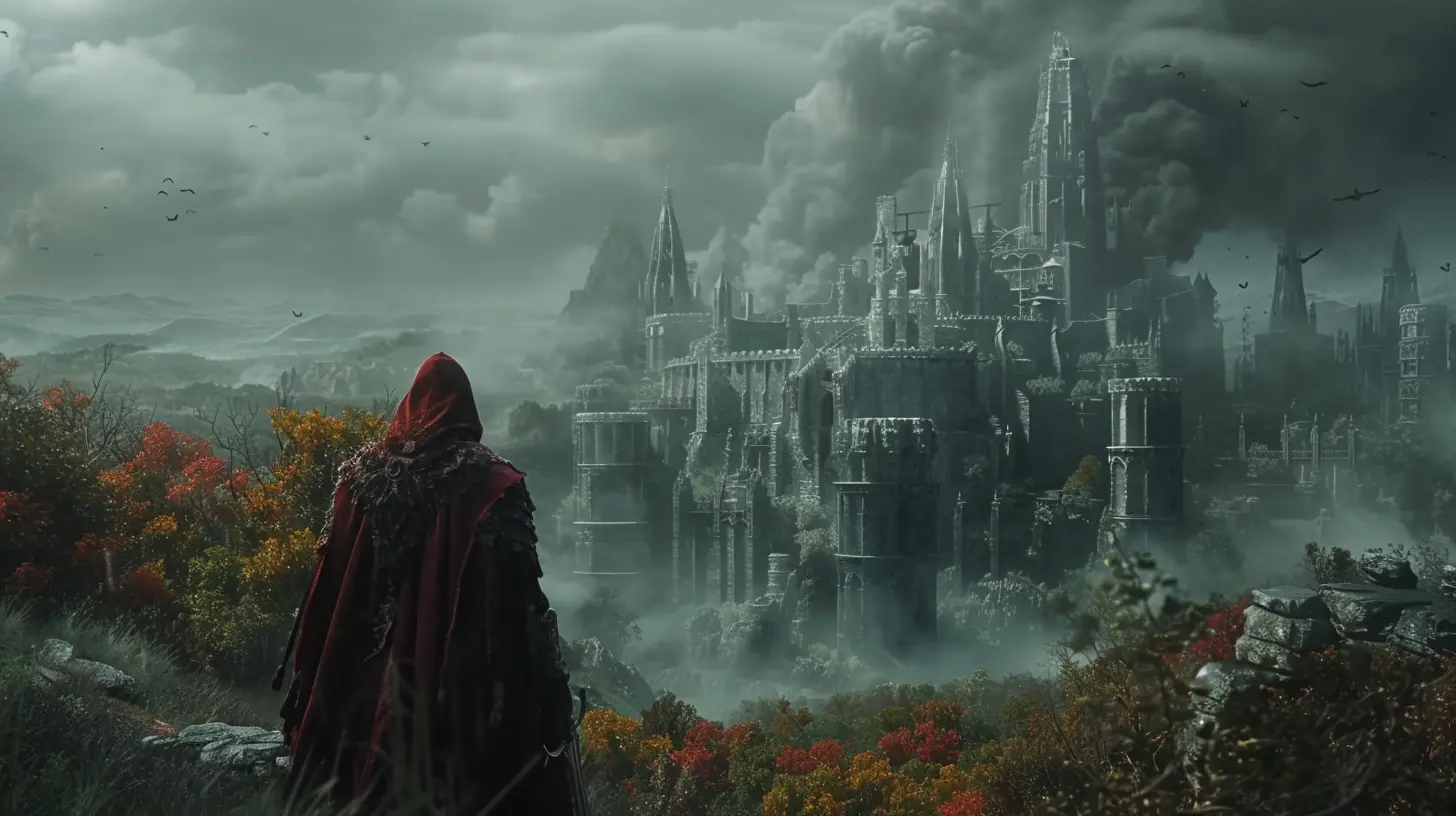
The Ancient Kingdoms: Ruin Beneath the Beauty
At first glance, the Lands Between (the sprawling world of Elden Ring) feel like a dreamscape—lush fields, towering castles, and golden glimmers in the distance. But look a little closer, and you’ll start to see the cracks in the grandeur. The remnants of ancient kingdoms tell a story of power, corruption, and inevitable collapse.FromSoftware has a knack for building worlds where beauty and horror coexist. And the ancient kingdoms of Elden Ring are prime examples of this duality. These kingdoms were once brimming with life, ambition, and purpose. But something—something sinister—reduced them to shadows of their former glory.
The Fall of Leyndell: From Radiance to Ruin
Let’s start with Leyndell, the Royal Capital. I mean, you can’t miss it. It’s a sprawling fortress of intricate architecture, majestic spires, and golden hues. But here’s the thing: beneath all that splendor lies decay.Leyndell wasn’t always a crumbling relic. It was once the shimmering center of power in the Lands Between. Home to the Golden Order, this kingdom thrived under the grace of the Erdtree. But, as history often shows, power breeds corruption.
Over time, Leyndell fell victim to internal strife, betrayal, and relentless invasions. The city’s golden glow became a prison of its own making, trapping its citizens in rigid hierarchies and dogmatic worship. The Golden Order’s obsession with “order” (too ironic, right?) led to their downfall. In the end, the very force that gave them power—the Elden Ring—fractured, plunging the kingdom into chaos.
And that haunting stillness you feel when exploring the capital? That’s the echo of lives lost, dreams shattered, and a civilization’s refusal to let go of its misguided ideals.
The Mystery of Nokron, Eternal City
If Leyndell represents the hubris of civilizations, Nokron is a tale of haunting mystery. Dubbed the Eternal City, Nokron lies beneath the Lands Between, shrouded in perpetual night. Its glowing, starry skies and ghostly ruins suggest a place frozen in time. But eternity, as it turns out, comes at a cost.Nokron’s secrets are woven into the very fabric of Elden Ring’s lore. Think of it like a puzzle box that’s half solved but refuses to reveal its full picture. The city’s inhabitants, known as the Nox, were brilliant but defiant. They sought to challenge the Greater Will (one of the game’s overarching cosmic forces) and carve their own path.
But rebellion rarely ends well in the Lands Between. The Nox paid the ultimate price for their defiance, their city cursed to an eternal stasis—a buried monument to ambition turned folly. Walking through Nokron feels like stepping into someone’s forgotten nightmare. The silence is deafening, the tension palpable. 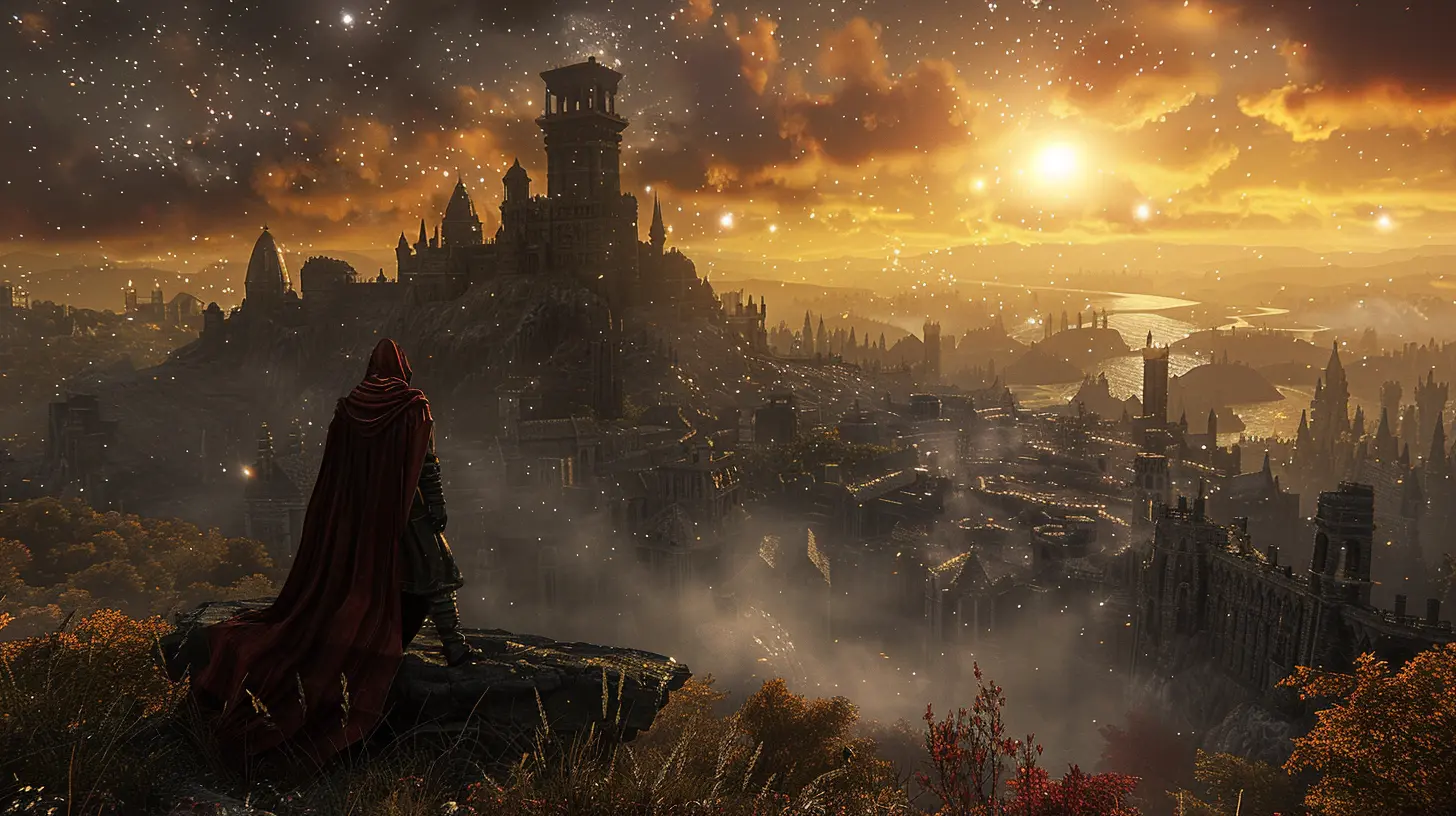
The Shattering: When Kingdoms Collide
Okay, time for some context. The downfall of these ancient kingdoms wasn’t just an unfortunate accident—it was the direct result of the Shattering.What’s the Shattering, you ask? Oh, just the catastrophic event that broke the Elden Ring into pieces and threw the world into utter chaos. NBD, right? This event unleashed power-hungry demigods who waged war against each other for control of the Great Runes (the fragments of the shattered Elden Ring).
The Shattering didn’t just break the Elden Ring—it broke the kingdoms, too. Alliances crumbled, entire armies were wiped out, and the once-thriving civilizations were reduced to ruins. Imagine a family feud but on a cosmic, kingdom-annihilating scale.
The Ghostly Legacy of Caria
Nestled in the misty wilds of Liurnia of the Lakes lies the Carian royal family—a once-proud lineage whose power was tied to the stars themselves. Their elite knightly order, the Carian Knights, was feared and respected by all. But their true strength stemmed from their mastery of sorcery.Sounds noble, right? Well, not exactly.
The Carian family’s obsession with celestial magic didn’t come without its share of sacrifices. Over time, they grew estranged from the commonfolk, building towering academies (looking at you, Raya Lucaria) and devoting their lives to esoteric studies.
When the Shattering hit, the Carian kingdom was woefully unprepared for the chaos that followed. Their once-mighty castles became ghostly ruins, and their people scattered. What remains of Caria today is a somber reminder that even the brightest stars can burn out.
The Demise of Caelid: A Land of Death and Rot
Alright, look. If you’ve spent even five minutes in Caelid, you already know how messed up it is. The blood-red skies, the ashen landscape, and the eerie silence—it feels like walking into a post-apocalyptic nightmare.But here’s the thing: Caelid wasn’t always this way. It was once a thriving kingdom, ruled by the infamous General Radahn. However, thanks to the Scarlet Rot (an insidious plague-like force in the game), Caelid quickly spiraled into a wasteland of despair.
The Scarlet Rot didn’t just destroy the land—it corrupted its people, turning them into horrifying monstrosities. And Radahn? The once-mighty general fell victim to the very force he tried to contain, becoming a tragic shadow of his former self.
Caelid is the ultimate cautionary tale of decay. It’s a reminder of how even the strongest kingdoms can fall prey to forces beyond their control. 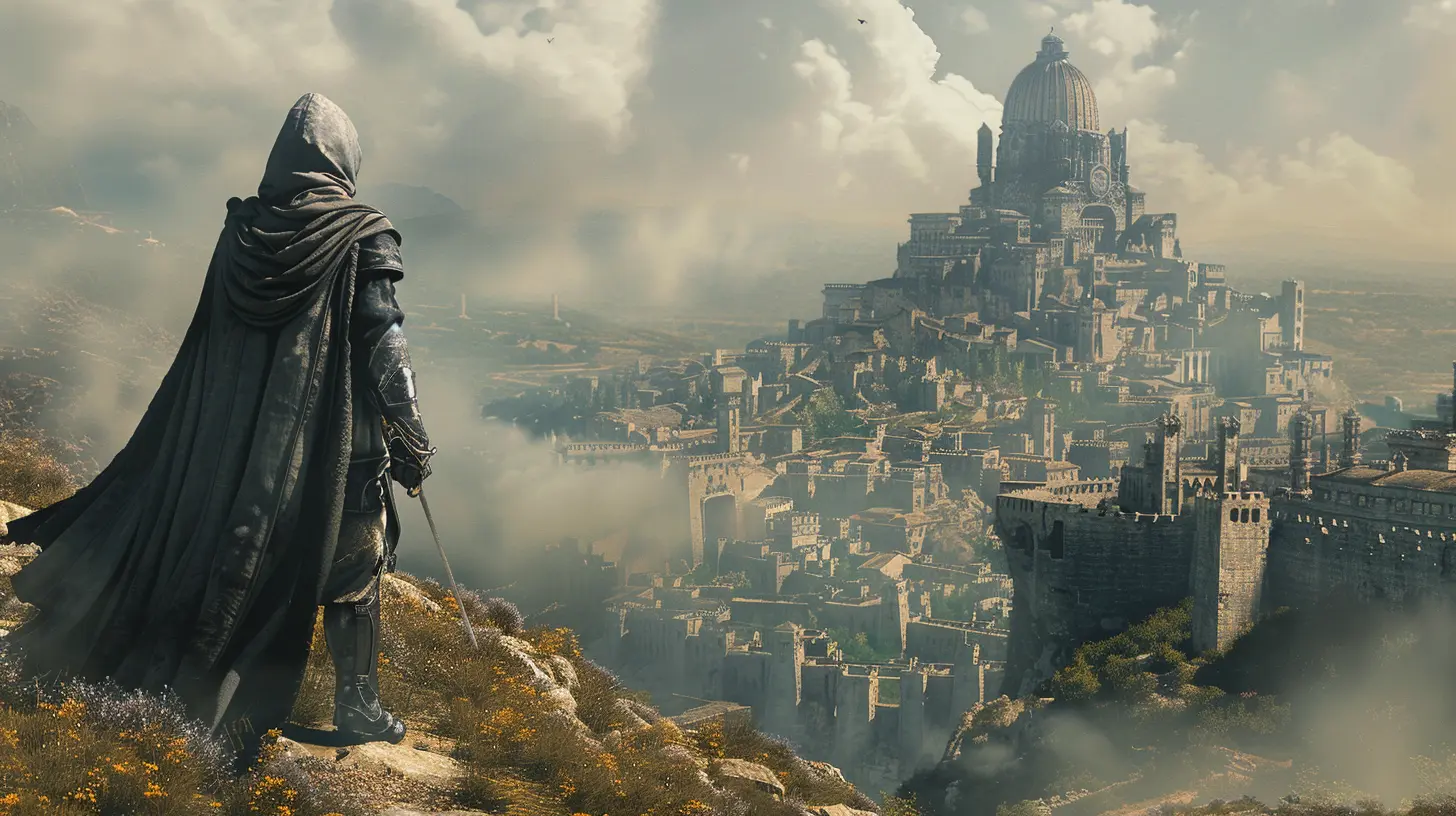
What Do These Kingdoms Teach Us?
Here’s what makes Elden Ring special: it’s not just a game about fighting big bosses or collecting treasure. It’s a game about stories. And not just happy, uplifting ones—stories of failure, loss, and the cyclical nature of power.The ancient kingdoms in Elden Ring are more than just ruins; they’re symbols of humanity’s flaws. Our tendency to overreach, to cling too tightly to power, to resist change—these are the same pitfalls that brought down Leyndell, Nokron, Caria, and Caelid.
But (and this is a big “but”), there’s also hope. In every ruin, there’s the potential for something new to sprout. As players, we walk through the ashes of these once-great civilizations, carving our own path, making our own choices.
Isn’t that what life’s all about? Picking up the pieces and moving forward, no matter how broken the world seems? 
Final Thoughts
Elden Ring isn’t just a game; it’s a mirror reflecting the complexities of our own world. The ancient kingdoms—despite their power and majesty—fell victim to greed, hubris, and forces they couldn’t control. And while their stories are tragic, they’re also incredibly human.So, next time you’re exploring the Lands Between, take a moment to stop and soak in the history around you. Every ruin has a story, every shadow a secret. And maybe, just maybe, you’ll uncover a piece of the puzzle that helps you understand not just the game—but yourself.
all images in this post were generated using AI tools
Category:
Lore And StorylinesAuthor:

Stephanie Abbott
Discussion
rate this article
2 comments
Zedric Schultz
Elden Ring’s rich lore invites players to delve into its ancient kingdoms, revealing complex narratives interwoven with themes of ambition and tragedy. The game’s design encourages exploration, rewarding those who seek to uncover the hidden truths behind its dark secrets. Understanding these elements enhances the overall gaming experience.
February 20, 2026 at 4:35 PM
Stephanie Abbott
Thank you for capturing the essence of Elden Ring's lore! The depth and complexity truly enrich the exploration experience, making each discovery feel rewarding.
Preston Mullen
Intriguing insights; can't wait to explore!
February 16, 2026 at 4:59 AM
Stephanie Abbott
Thank you! I hope you enjoy the journey through Elden Ring's mysteries!