The Science of Learning Through Play
14 June 2026
Alright, let’s get this straight: kids aren’t just running around like sugar-fueled pixies for fun—okay, maybe sometimes—but there’s actual brainy stuff happening there. That’s right, play isn’t just child’s play. It’s full-on covert education with a side of giggles and chaos. Welcome to the dazzling world of learning through play—where science meets silliness, and somehow, geniuses are made with nothing more than LEGO bricks and finger puppets.
So buckle up, because we’re diving into the science of learning through play. WARNING: You might laugh. You might nod aggressively. You might reevaluate that dusty board game sitting in your closet. Let’s get into it.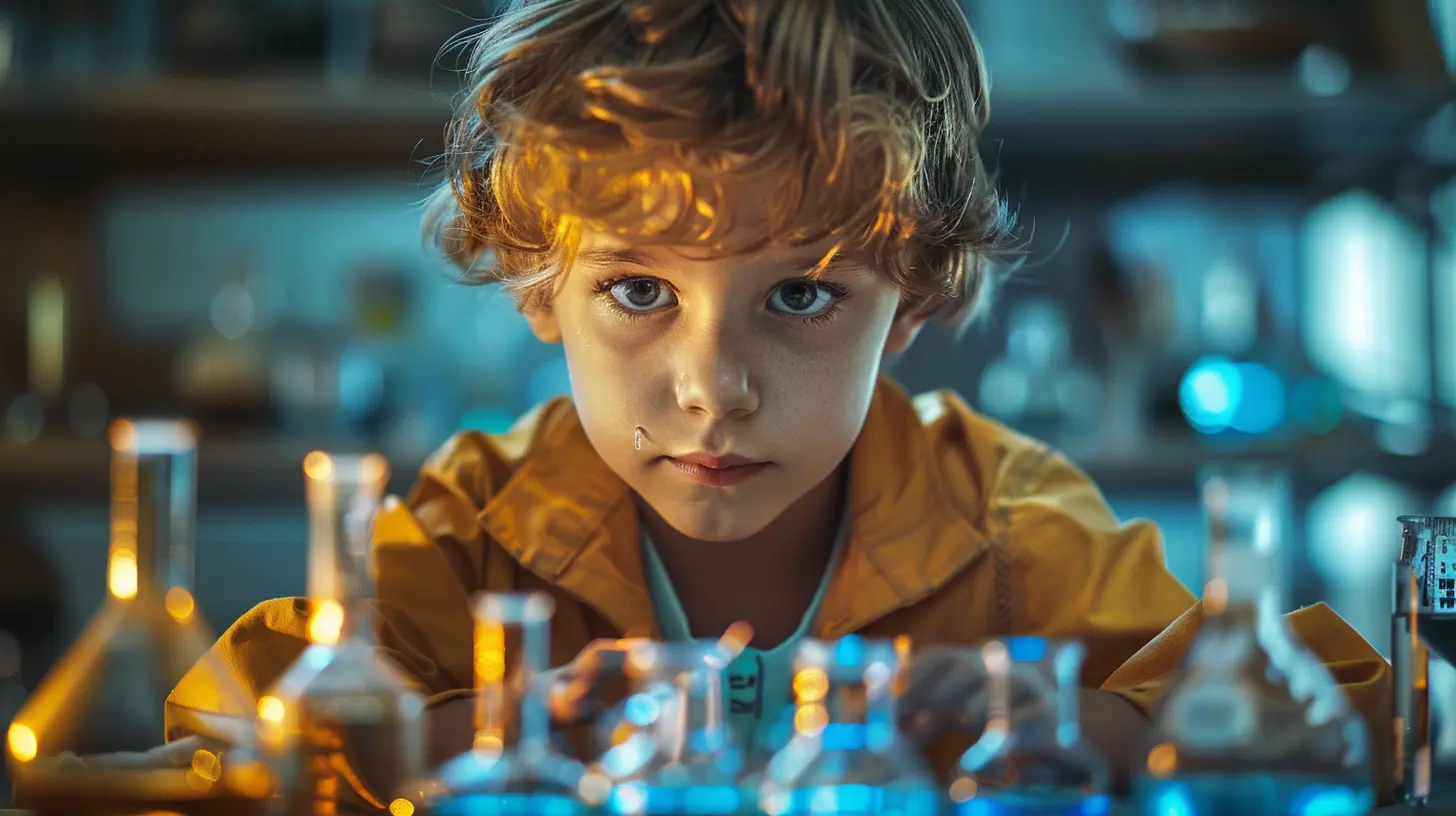
What Even Is “Learning Through Play”?
Let’s start by unboxing this term like it’s a limited-edition action figure.Learning through play is the idea that playing isn’t just about fun—though, let’s be honest, that part rocks—but also a powerful way to learn. It’s like hiding vegetables in mac and cheese. Kids think they’re just having a good time, but sneakily, they’re learning critical skills like problem-solving, creativity, cooperation, and even complex math (yeah, no kidding).
And guess what? This isn't just some hippie-dippie parenting trend dreamt up in a yoga class. Psychologists, neuroscientists, and educators are all raising their test tubes in agreement: play is serious business.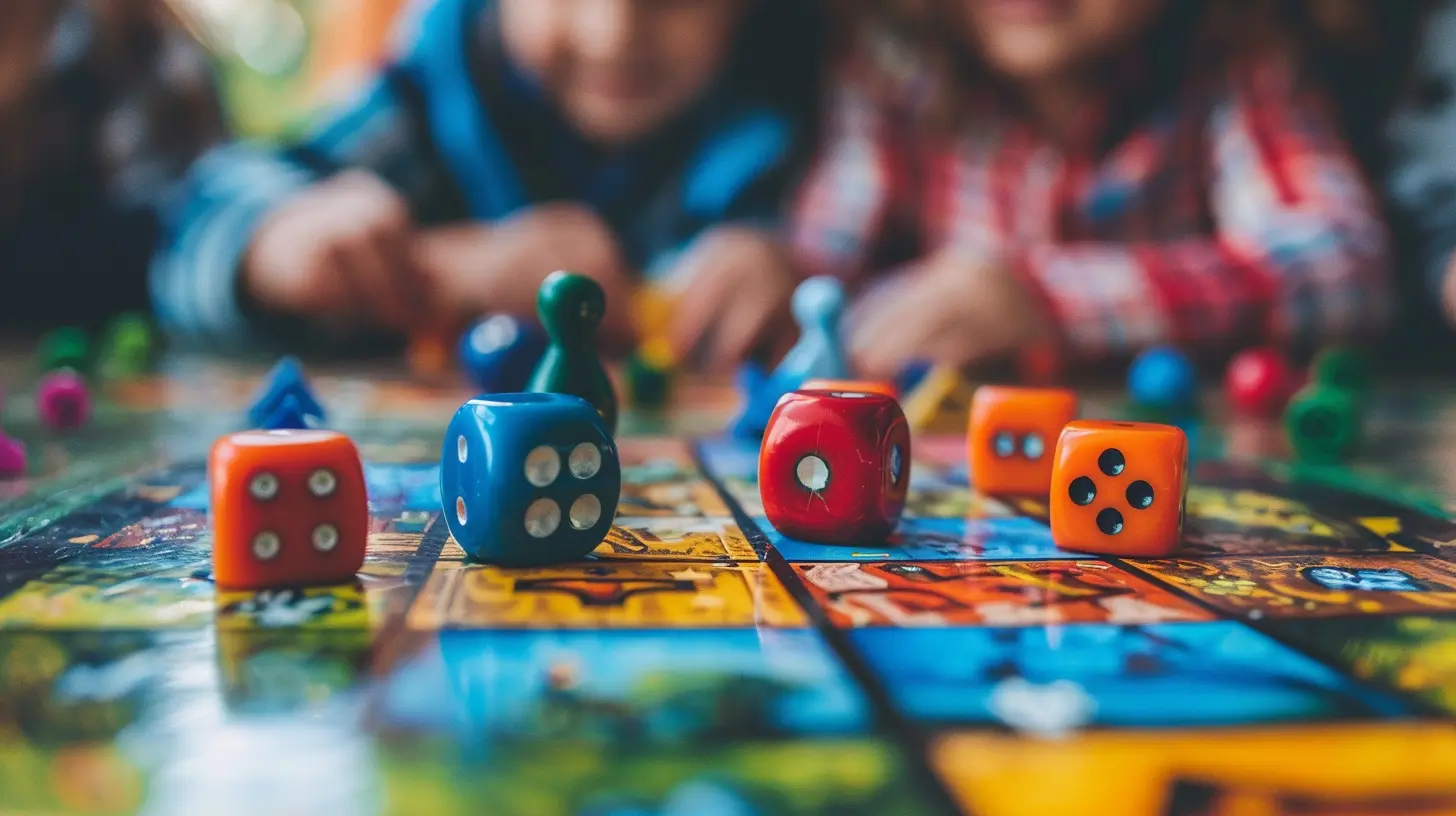
Why Scientists are Basically Obsessed with Play
You’d think a room full of PhDs wouldn’t care much about whether Jimmy can stack ten blocks. But surprise! They’re totally into it.Here’s why:
- Cognitive Development: Play helps children build memory, attention span, and flexible thinking. In short, it makes their brains beefier.
- Social Skills: Playing nice in the sandbox leads to actual adult behaviors like sharing, empathy, and teamwork. Who knew?
- Emotional Intelligence: Role play lets kids act out different emotions (drama queens, rejoice!), helping them understand and regulate feelings.
- Language Learning: Ever eavesdrop on kids playing "house"? They’re not just being weird—they’re experimenting with language and storytelling.
Neuroscientists have found that play actually lights up the brain like a Christmas tree. Dopamine (aka the feel-good chemical) dances around like it’s at a rave, helping encode memories and sharpen focus. Not bad for something we often label as “goofing off.”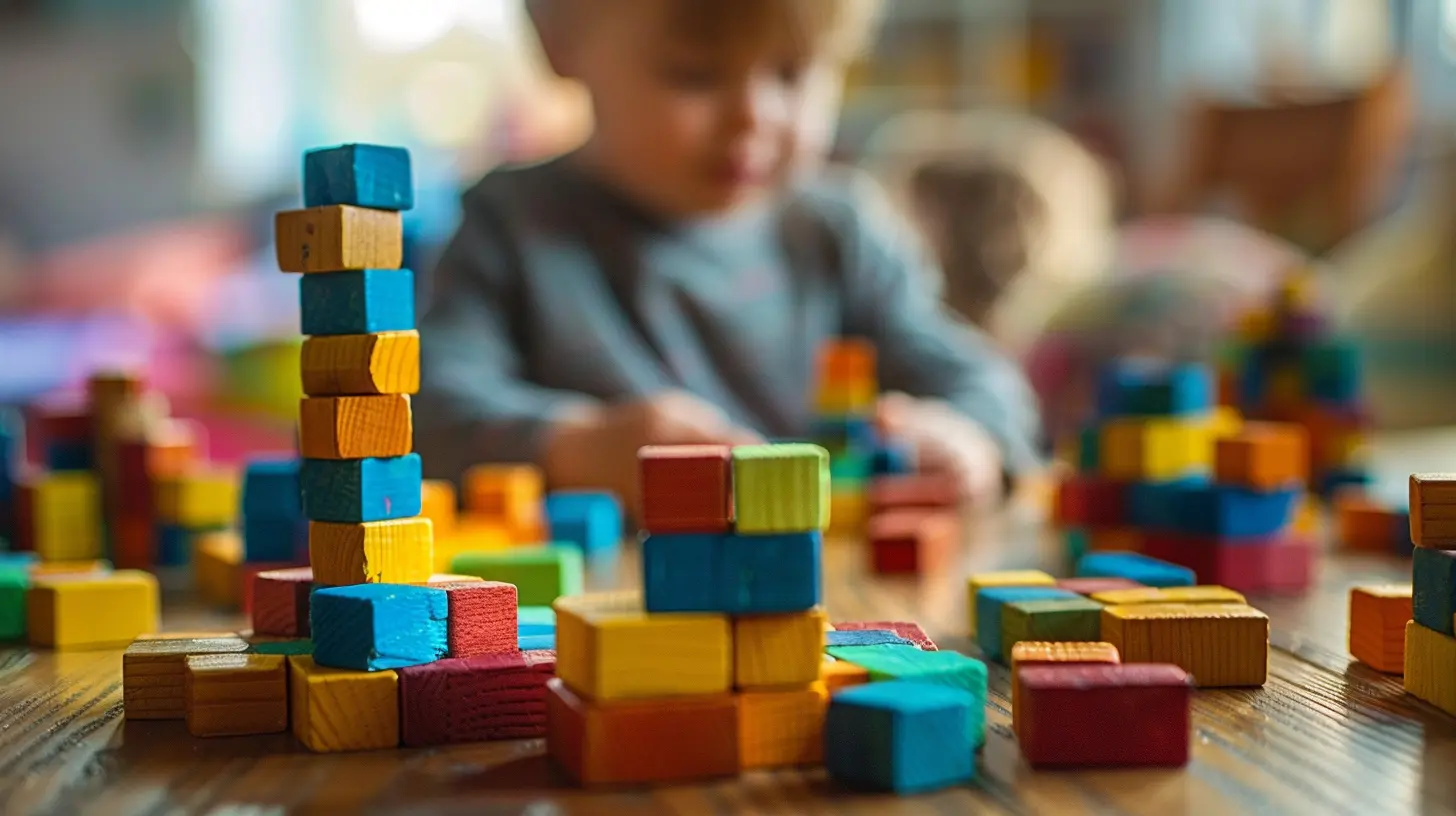
Let’s Talk Brains: The Neurological Magic of Play
Listen, you don’t need to be a brain surgeon to appreciate this—but it doesn’t hurt (just kidding, please do not operate on anyone).When kids engage in play, several parts of the brain get a solid workout:
- Prefrontal Cortex: This is the boss of decision-making. Play helps it stay sharp and sassy.
- Amygdala: The emotional HQ. Play reduces stress and anxiety—hello, inner peace!
- Hippocampus: AKA the memory wizard. When kids explore pretend worlds, they’re actually locking in real-life knowledge.
So yeah, letting your kid turn the living room into a pirate ship might be ruining your carpet, but it’s building the architecture of their mind. Worth it? Probably.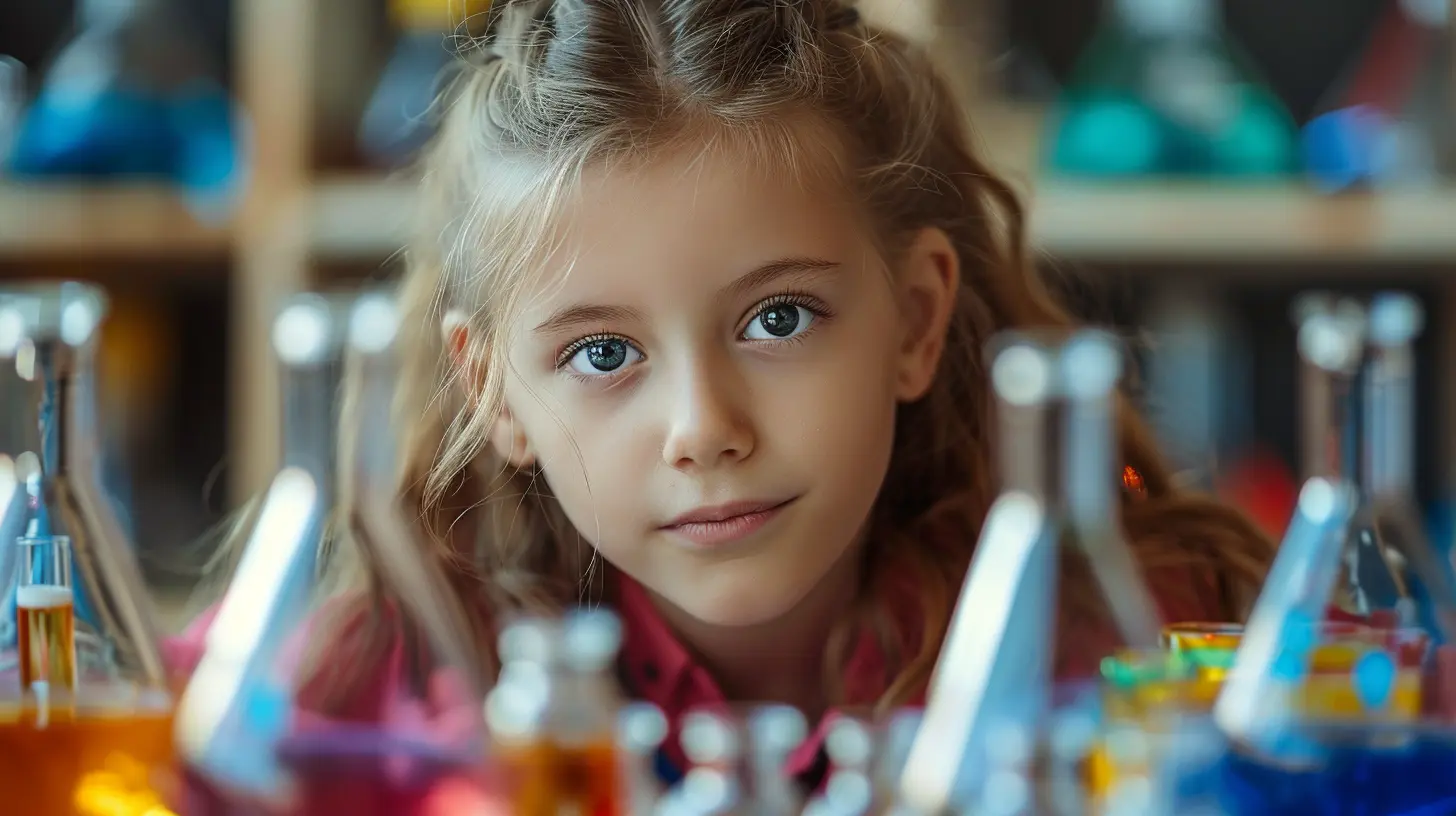
Different Types of Play (and What They’re Secretly Teaching)
Not all play is created equal. Just like there's a difference between a gourmet burger and a sad microwave one, play also comes in levels.1. Physical Play (AKA Wiggle Time)
Running, climbing, wrestling with the couch cushions—this is your classic “burn off the sugar high” kind of play.What it teaches:
- Coordination and motor skills
- Risk assessment (Can I really jump from the couch to the coffee table?)
- Health benefits (hello, mini cardio sessions)
2. Constructive Play (Let’s Build Stuff!)
Think blocks, LEGOs, sandcastles, blanket forts that violate several safety codes.What it teaches:
- Spatial awareness
- Planning and engineering skills
- Patience (until it all topples, then rage ensues)
3. Pretend Play (Dramatic Much?)
From princesses to pirates to talking unicorns who own coffee shops, pretend play is wild—and wildly educational.What it teaches:
- Storytelling and language use
- Empathy (taking on different perspectives)
- Problem-solving (how to get out of dragon jail, for instance)
4. Social Play (Squad Goals)
Playing with others means learning how to not be a jerk. It’s important.What it teaches:
- Teamwork
- Conflict resolution
- Sharing snacks without a meltdown
But Wait, Isn’t This Just for Kids?
Ah, now we’re asking the big questions.Nope. Plot twist! Adults benefit from play, too. Ever get sucked into a board game night and suddenly forget about your soul-sucking job for a few hours? That’s play therapy, my friend.
Gamification in workplaces (you know, leveling up tasks, earning badges, pretending that deadlines are "quests") is all based on this principle. Adults need fun and mental stimulation, too. It keeps our creativity flowing and our stress levels from going nuclear.
So yes, go ahead and play that video game guilt-free. Tell your boss it’s for “neuroplasticity.”
Video Games: The Misunderstood Genius of Modern Play
Let’s address the pixelated elephant in the room.Video games often get a bad rap—blamed for everything from bad grades to world destruction—but here's the real tea: they can be insanely educational.
Let’s break it down:
- Strategy games like "Age of Empires" or "Civilization"? Hello, history and resource management.
- Sim games like "The Sims" or "Animal Crossing"? Planning, social dynamics, and financial literacy (those bells don’t grow on trees, except when they do).
- Story-driven games like "The Last of Us"? Emotional intelligence, empathy, and narrative understanding.
Even Minecraft, the pixelated blocky sandbox, has been used in classrooms to teach architecture, coding, and even urban planning. So yeah, maybe gaming isn’t just about smashing buttons—it’s about building brains.
The Myth of “Real Learning” vs. Play
Let’s have a moment of truth here.Some people still believe that “real learning” only happens at a desk, with a worksheet, and possibly a soul-crushing test. But science (yes, good ol' science) says otherwise.
When we separate play from learning, we’re doing a disservice to both. Kids are naturally designed to learn through interaction, exploration, and trial-and-error. Play is just learning dressed up in glitter and giggles.
Think about how we learn as adults:
- Want to master cooking? You play around with recipes.
- Trying to garden without killing everything? Trial, error, and lots of talking to plants.
- Learning to code? Gamified apps like Codecademy or Duolingo work because they’re literally games.
So why pretend that kids can’t learn the same way?
Tips to Encourage Learning Through Play (Without Losing Your Mind)
Alright, now that we’re all believers in the Church of Play, here are some ways to actually make it happen.1. Say “Yes” to Mess
Yes, the living room will look like a toy store exploded. It’s fine. Creativity is messy.2. Rotate Toys
Keep the excitement alive. New toys? No. Old toys just hidden in a closet for a month? Jackpot.3. Get Involved
You don’t have to become a full-blown pirate captain (unless you want to), but showing interest supercharges engagement.4. Mix It Up
Balance tech time with physical play. Balance solo play with group play. Throw in a dance party for good measure.5. Let Them Lead
Kids are natural play experts—just give them time and space, and watch the magic unfold. You just have to get out of their way (and maybe dodge a few Nerf bullets in the process).Final Thoughts: Let’s Stop Underrating Play
Here’s the real kicker: play isn’t a break from learning. It IS learning. It’s not the fast food of education—it’s the gourmet meal with all the brain-boosting nutrients. Sneaky nutrients, sure—but nutrients nonetheless.So whether it’s building a fantasy kingdom out of couch cushions, crafting Minecraft castles, or battling dragons with cardboard swords, just remember: those moments are where the real magic—and science—happens.
Give play the credit it deserves. Stop side-eyeing it like it owes you money. And maybe, just maybe, join in on the fun. Your brain will thank you.
all images in this post were generated using AI tools
Category:
Educational GamesAuthor:

Stephanie Abbott
Discussion
rate this article
1 comments
Arwen Lawrence
Play enhances cognitive development, merging engagement with education in a unique way.
June 18, 2026 at 4:01 PM
Stephanie Abbott
Absolutely, play is a powerful tool for learning. It fosters creativity and critical thinking while making education enjoyable.