The Role of Influencers in Game Revenue Generation
11 December 2025
Gaming has come a long way from pixelated screens and cartridge blowers. Today, it’s a multi-billion-dollar industry where a single livestream can make or break a game’s launch. But what’s behind that magic? Yup – influencers. They’re not just playing games anymore; they’re changing the game.
In this article, we’ll dig deep into how influencers are helping game developers and publishers make serious cash. We’ll talk about who these influencers are, why they matter, and how they turn Twitch streams, YouTube videos, and tweets into revenue goldmines. Ready? Let’s press start.
Who Are Gaming Influencers Anyway?
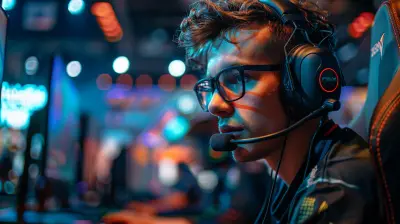
Before we talk money, let's break down what a gaming influencer really is. Spoiler: It’s not just PewDiePie or Ninja.Gaming influencers are content creators who build an audience by sharing gameplay, reviews, reactions, and general game-related content. They might be streamers on Twitch, YouTube creators, TikTokers, or even Twitter (X?) personalities who know how to stir up the gaming crowd.
These folks have followings that range from a few thousand loyal fans to millions of die-hard viewers. And here's the kicker – people trust them. When they say a game is worth it, gamers listen.
Why Influencers Matter in Game Marketing
Let’s get one thing straight: traditional marketing still exists. Sure, you’ll see banner ads, trailers, and sponsored posts. But when it comes to really connecting with gamers, influencers are the MVPs.1. Authenticity = Trust = Sales
Gamers are a sharp crowd. They're not easily sold on flashy ads or overhyped trailers. But when someone they follow shows genuine excitement or frustration while playing a new title? That’s real. That’s relatable. And that’s influential.Influencers form relationships with their audiences – it’s parasocial, but powerful. So, when they recommend a game or show off how fun (or frustrating) it is, viewers are more likely to whip out their wallets.
2. Direct Access to Target Audiences
Want to promote a new cozy farming sim? Or maybe an intense FPS? There’s an influencer for that. And their followers are already your ideal player base.Instead of wasting ad dollars casting a wide net, game studios can laser-target their audience by tapping into influencers whose content aligns with their genre. It's like walking into a room full of people already interested in your game.
3. Word-of-Mouth on Steroids
Remember when game marketing relied on magazines or a friend’s recommendation? Influencers are today’s word-of-mouth – but on steroids.When a creator posts a gameplay video on YouTube or streams a new title on Twitch, it’s seen by thousands – sometimes millions. And every like, share, and retweet is a mini billboard promoting that game.
How Influencers Drive Game Revenue
So, how exactly do influencers turn views into dollars? Let’s connect the dots.1. Launch Hype = Pre-Orders and Day-One Sales
Pre-launch promotion can make or break a title. Developers send early access codes to influencers who stream the game, create content, and start building hype ahead of release day.Take a look at games like Apex Legends – launched with zero traditional marketing, but with the help of top Twitch streamers. Result? 25 million players in the first week.
2. Long-Tail Sales Boost
Even after a game’s launch buzz fades, influencers keep it alive with ongoing content. Think walkthroughs, challenge videos, mod reviews, and more.This extended exposure pulls in new buyers weeks or even months after launch. It’s like adding game revenue drip-feed mode – and it works.
3. Microtransactions and In-Game Purchases
Let’s not forget about skins, weapons, emotes...oh my!Influencers often showcase premium skins or exclusive items during gameplay, which can directly drive purchases. If your favorite streamer rocks a killer new skin, chances are you’ll want it too. That’s influence in action – turning virtual bling into real bucks.
4. Affiliate Links and Promo Codes
Ever seen a YouTube description loaded with Steam links and discount codes? That’s not just convenience – it’s a revenue engine.Influencers often get a cut through affiliate programs. But more importantly, those links drive conversions. Promo codes also give that little push fans need to hit "Buy Now", and they can be tracked to measure ROI.
Influencer Strategies That Work Like Magic
Not all influencer campaigns are built the same. Here’s how smart game studios do it right.1. Early Access = Early Buzz
Giving influencers exclusive access before launch builds excitement. Fans tune in to see it early, and the hype machine starts rolling before the game even hits shelves.2. Sponsored Content That Feels Natural
No one likes overly scripted plugs. Influencers who weave a game naturally into their content – without sounding like they're reading from a cue card – tend to perform better.Sponsored streams where creators genuinely enjoy the game? That’s gold.
3. Ongoing Partnerships
One-off promos are cool. But long-term collaborations are the real moneymakers. Think ambassador deals or regular sponsored streams. Fans trust creators who stick with a game.Plus, developers get consistent exposure and feedback from a creator deeply engaged with their title.
Influencer Types: Who’s Moving the Needle?
Not every influencer wears the same power armor. Let’s break them down:1. Mega Influencers
Millions of followers, massive reach, and sky-high fees. Think of these creators as the celebrities of the gaming world.They’re great for splashy launches and brand awareness, but their audience engagement may be a little broad.
2. Mid-Tier Influencers
Tens of thousands to a few hundred thousand followers. These creators balance reach and engagement. They’re consistent, trusted, and relatively affordable.They might not break the internet, but they’ll definitely move the needle.
3. Micro and Nano Influencers
A few thousand to tens of thousands of followers – and often the most engaged audiences out there.These creators are perfect for niche games or indie titles. Gamers feel like they’re hanging with a friend, not watching a celeb. And trust? Through the roof.
Indie Games and Influencer Power: A Match Made in Pixel Heaven
Let’s talk indies. Unlike big studios with massive marketing budgets, indie developers need to be scrappy. Influencer marketing has become their best friend.Real-World Example? “Among Us.”
Among Us launched in 2018 but barely made a splash. Then, in 2020, the game went viral thanks to Twitch streamers and YouTubers playing it during lockdowns. The result? A meteoric rise in popularity – and revenue.That’s influencer power, folks – turning a nearly forgotten title into a global sensation.
The Future of Game Marketing Is Influencer-Led
With platforms like TikTok growing fast and live-streaming culture becoming the norm, influencer marketing is only going to get bigger.Expect to see:
- More native integration between games and influencers.
- Co-created content or even in-game cameos.
- Specialized influencer-driven DLCs.
- Real-time feedback loops where creators shape game updates.
Basically, influencers are becoming part of the game dev toolkit. And the ROI? Still climbing.
But Wait – It’s Not All GG
Let’s be real – influencer marketing in gaming isn’t a cheat code for success.Challenges Include:
- Finding the right creator match.- Balancing paid promos and authentic content.
- Dealing with potential PR nightmares if an influencer missteps.
One wrong sponsorship can send a Twitter mob to your doorstep. So, tread carefully – but boldly.
Final Thoughts: Influencers Are Changing the Game (Literally)
Think of gaming influencers as today’s rockstars – only with controllers instead of guitars. They’re shaping opinions, creating trends, and, yep, generating serious revenue for games of all sizes.Whether you're a AAA studio or a solo dev in your living room, tapping into influencer marketing isn't just smart – it’s essential. So, if you're not already sliding into a creator’s DMs to talk collabs, what are you even doing?
From early hype to late-game loyalty, influencers are helping developers level up their sales. And if done right? That’s the ultimate power-up.
all images in this post were generated using AI tools
Category:
Game MonetizationAuthor:

Stephanie Abbott
Discussion
rate this article
3 comments
Lilith Kirk
What an exciting read! It's amazing to see how influencers shape the gaming world and drive revenue. Their energy and creativity not only boost sales but also connect communities in such fun ways. Can't wait to see how this evolves in the future! Keep up the great work!
May 2, 2026 at 3:58 AM
Stephanie Abbott
Thanks for your thoughts! It's true that influencers play a huge role in connecting communities and driving innovation in gaming. Excited to see where it all goes, too!
George McNaughton
Great insights! It's fascinating to see how influencers shape the gaming landscape and drive revenue. Their authentic engagement with audiences not only boosts sales but also creates vibrant communities. Understanding this relationship can help developers and marketers align their strategies for better success. Keep up the great work!
December 15, 2025 at 3:55 AM
Stephanie Abbott
Thank you for your thoughtful comment! I completely agree—understanding the influencer-audience dynamic is key for developers and marketers to thrive in the gaming industry.
Murphy Scott
This article raises fascinating questions about influencer impact on game sales! How do you think their authenticity shapes player trust, and what strategies could developers adopt to harness this potential more effectively? Excited to hear more insights!
December 12, 2025 at 4:44 AM
Stephanie Abbott
Thank you for your comment! Authenticity is crucial, as players tend to trust influencers who are genuine. Developers could collaborate with influencers who align closely with their game’s values and engage in transparent partnerships to enhance credibility and drive sales. I'll share more insights in future pieces!