The Role of AI in Enhancing Co Op Gameplay
8 July 2026
Gaming is awesome. That thrill of diving into a digital world with your buddies, completing missions, or just goofing around—it’s unbeatable. But have you ever wondered how your experience keeps getting better and more immersive? You guessed it. Artificial Intelligence (AI) is working behind the scenes like an invisible co-op partner, pouring fuel on the fun.
In the world of co-op gameplay, AI isn’t just about enemies that duck behind cover or teammates that shout random phrases. It's becoming more intuitive, responsive, and, dare I say it, almost human. From smarter AI teammates to adaptive difficulty, AI is turning co-op from chaotic to cohesive in the most exciting ways.
Let’s break it down and see how this digital wizardry is changing the game—literally.
AI in Co-Op: Not Just Bots Shooting Back
A few years back, calling in an AI teammate felt like babysitting a toddler. They’d stand in your line of fire, ignore objectives, or get stuck on a rock. But fast forward to today, and AI has evolved dramatically. In modern co-op gameplay, AI can do much more than just shoot back.Picture this: you're playing a four-player zombie survival game. You're three humans down with one AI bot. Instead of being dead weight, that AI is reviving teammates, guarding chokepoints, and even pinging medkits. That’s next-level support.
Let’s take a look at how AI is stepping up to be the MVP of co-op sessions.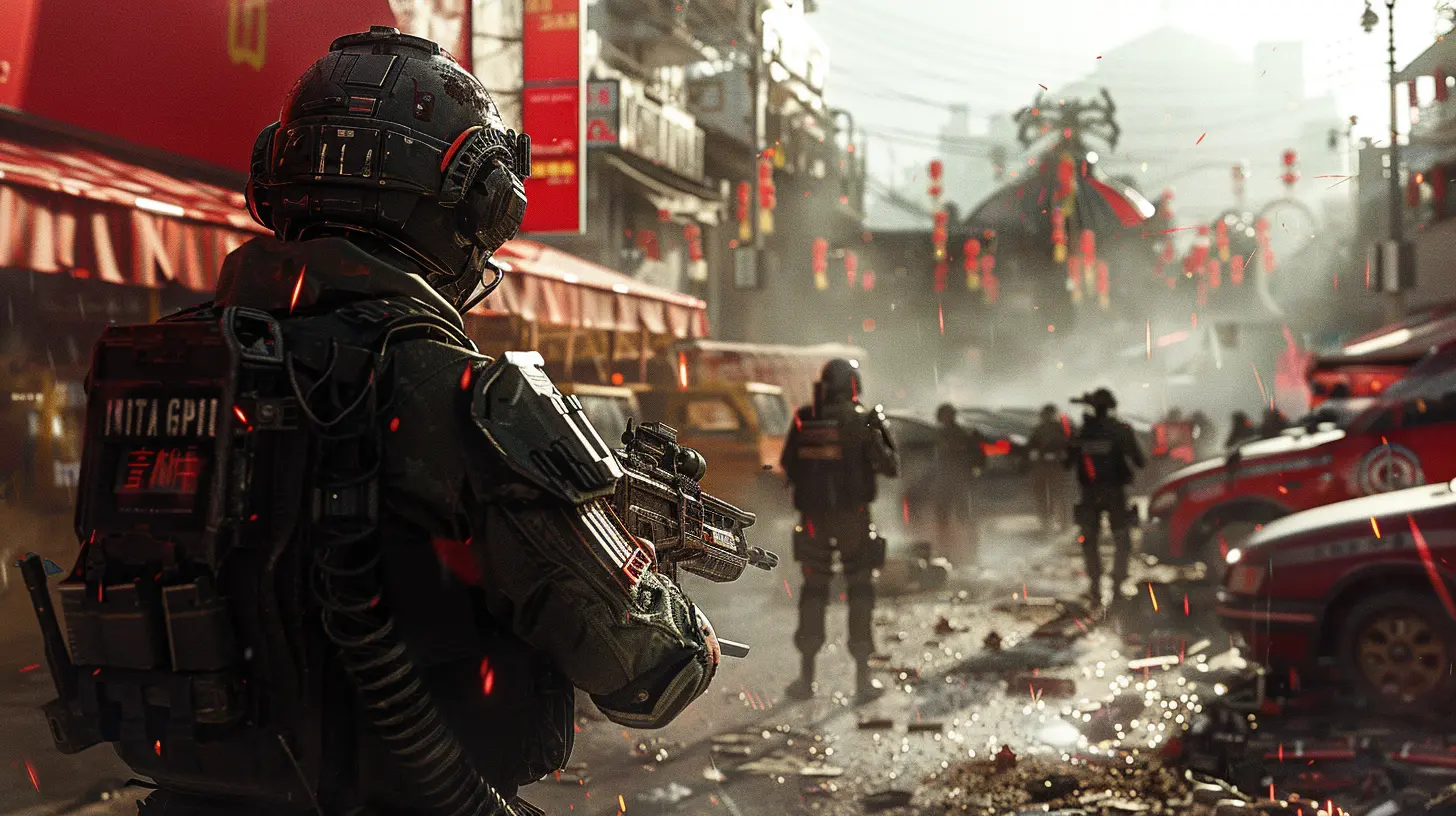
Smarter AI Teammates: From Cannon Fodder to Game Changers
This might be one of the most noticeable ways AI has reshaped co-op games.In titles like Left 4 Dead 2, Back 4 Blood, or Deep Rock Galactic, AI teammates have learned how to behave like actual players. They can revive you when needed, give covering fire, track objectives, and even prioritize threats. That's a far cry from the old days when bots just walked into walls.
What's cool here is how these AI companions are designed. Developers feed them decision trees, behavior patterns, and learning algorithms that mimic human responses. Some even use machine learning models to "watch" how real players play—and then learn from that.
So even when you’re short on friends online, your AI squad might actually carry the game.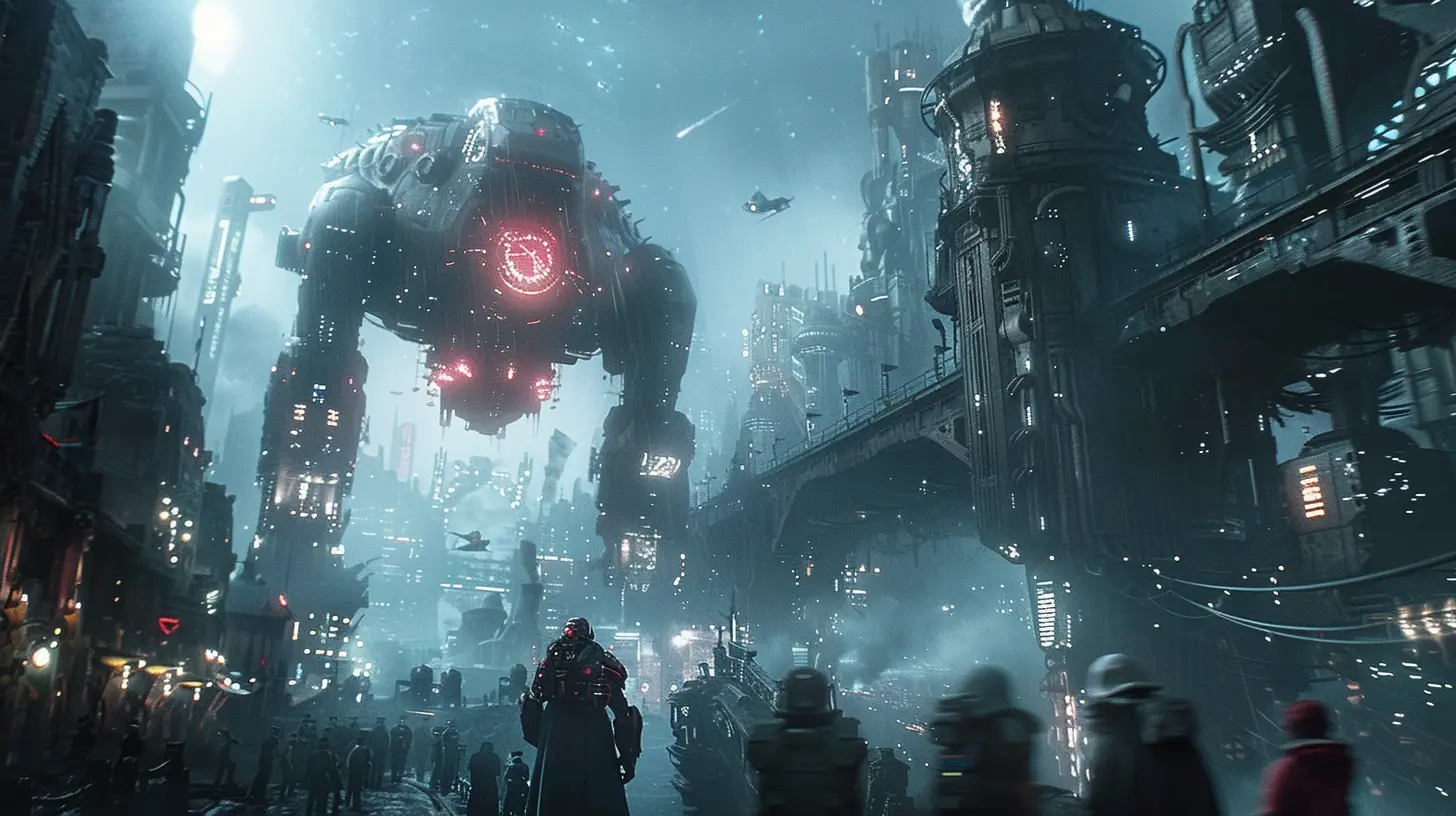
Dynamic Enemy Behavior: Because Predictable = Boring
Nothing kills the fun faster than enemies behaving like cardboard cutouts. You know the type—they spawn, run straight at you, and die. Not exactly edge-of-your-seat stuff.AI-driven enemies, however, can analyze your playstyle. They adapt. Hide. Ambush. Flank. They might even decide it’s smarter to retreat and regroup.
For example, in games like Halo or The Division 2, enemy AI doesn’t act randomly. It reacts. If you’re sniping from far away, they'll take cover and try to close the distance. If you’re rushing in solo, they'll focus fire to take you down faster.
This kind of dynamic AI turns every encounter into a chess match instead of a shooting gallery.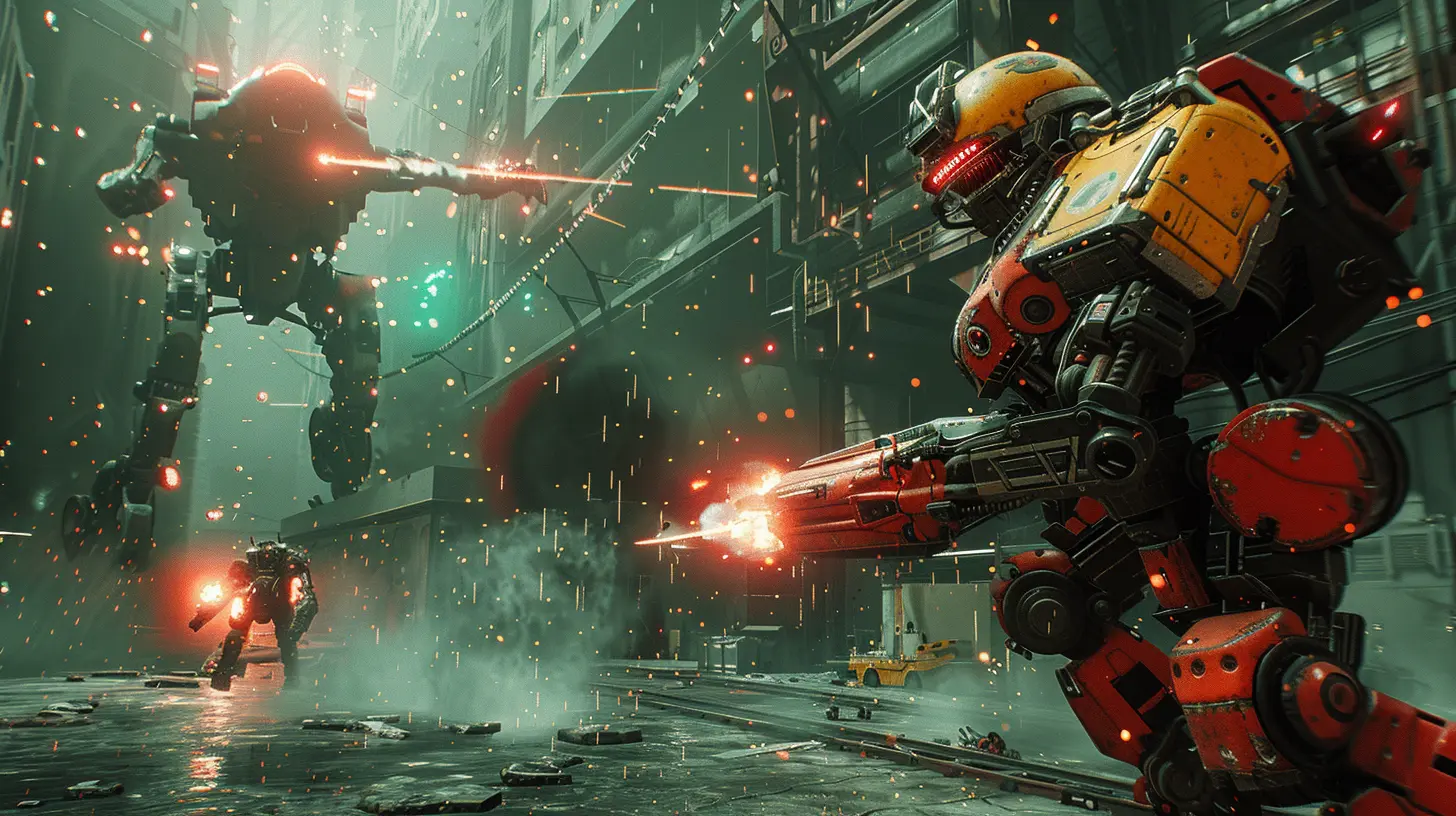
Adaptive Difficulty: Your Game, Your Challenge Level
Ever had a co-op game feel too easy with your well-coordinated team? Or too hard when you're paired with a newbie? That’s where AI-driven adaptive difficulty comes in.Rather than a flat "Easy, Medium, Hard" setting, AI can now analyze player performance in real-time and adjust on the fly. Say your team is steamrolling early levels—the AI might throw in tougher enemies, increase their coordination, or tighten resource availability.
A great example is Left 4 Dead’s AI Director. It doesn’t just manage zombie spawns; it also adjusts based on how stressed the team seems. Too much chaos? The Director might dial it down. Moving way too easily? It’s gonna throw everything, including the kitchen sink, at you.
It turns the difficulty knob in a way that keeps the game fun and challenging without being frustrating or boring.
Personalized Player Support: AI Knows What You Need
In some co-op games, AI acts as an invisible assistant rather than a character. It watches how you play, what roles you pick, and what you struggle with.Say you’re always lagging behind in healing or ammo. AI can recommend class changes, suggest upgrades, or even drop health items in your path. It’s like having a game-savvy friend whisper advice in your ear.
Some games are experimenting with voice AI, where players can literally “talk to” the game. Imagine telling your AI squadmate, “Hold this position!” and they do it. It adds a layer of immersion that turns the game world into a responsive, living environment.
NPC Cooperation: The AI That Has Your Back
Not every co-op player is a human. And not every support comes from a teammate slot.Sometimes, AI-powered NPCs play roles that directly affect your mission. Think turret operators, medics in cover, or even quest-givers who fight alongside you. They’re not just scripted—they respond to your actions.
In games like Ghost Recon Breakpoint, you can give commands to your AI comrades. Want them to snipe a target when you do? Just sync your shots. Suddenly, you're running tactical ops like a pro, without needing a real-life squad.
AI in Communication: Reducing the Ping Chaos
If you've ever played a co-op game with randoms, you know the chaos. No one talks. Everyone goes off in different directions. That’s where AI steps up again.AI can interpret in-game signals and suggest actions. For example, if a player pings a dangerous area, AI teammates might move to provide cover or help flank an enemy.
Games like Apex Legends (although not heavily co-op-centric) introduced an advanced ping system that even human players rely on. But imagine an AI that also reacts to those pings intelligently? That’s where we’re heading.
This sort of AI-powered communication bridges the gap between silence and strategy—especially useful with language barriers or mic-less players.
Co-Op Campaign Progression and Storytelling
Let’s talk narrative for a second.Co-op games used to offer watered-down versions of single-player campaigns. But now, AI is weaving narrative into co-op experiences like never before.
Games like It Takes Two and A Way Out don’t even work as single-player campaigns—they’re built around cooperation. And the AI managing game flow, cutscenes, and even puzzle assistance ensures you and your partner are always on the same page.
Imagine an AI storyteller adjusting dialogue based on your actions. Your choices matter. Your bond with your co-op partner could actually influence how the game world reacts. Wild, right?
Some devs are also exploring procedural storytelling—where AI generates side quests or character arcs tailored to your decisions. That means every co-op playthrough could be a totally unique journey.
How AI Is Helping Solo Players Join the Fun
Let’s face it, coordinating schedules with friends is tough. Not all of us have a full squad ready to dive into dungeons at 8 PM on the dot. That’s where AI creates a safety net for solo players.Many games are building AI companions that are so good, you can play a co-op-heavy title completely solo and still have a blast. These aren't just filler characters—they’re full-blown teammates who learn your strategies, support your actions, and sometimes outperform real players (no offense, Dave).
This keeps the co-op spirit alive, even for lone wolves. So you can still enjoy that buddy-cop feeling—even if your “buddy” is made of code.
Challenges and Limitations (Yes, AI Isn't Perfect)
Alright, time for some real talk. As awesome as AI is, it’s not flawless.Sometimes AI gets stuck, misreads player intent, or pulls off moves that would make a rookie blush. It still has limitations, especially with fluid human behavior.
One of the biggest challenges? Making AI feel not robotic. Developers are always trying to balance smart behavior without making it obvious it’s scripted.
Also, while AI can mimic human behavior, replicating team chemistry or banter? That’s still a tall order. There’s a reason nothing fully replaces playing with friends.
But the good news? AI is learning. Fast.
Where AI Co-Op Gaming Is Headed
Looking into the crystal ball, the future of AI in co-op gaming looks insane—in the best way.We're talking about AI that can learn in real-time, not just from pre-coded patterns. AI that can take voice commands, adapt to your team’s style, and even create custom content mid-game.
Imagine a boss that changes its abilities based on your squad's tactics.
Or AI companions who remember past missions with you and evolve their behavior accordingly—like a digital bestie with a memory.
As game engines get more powerful and AI gets more sophisticated, co-op gameplay will only get more immersive, more intuitive, and way more fun.
Final Thoughts: AI Is the Unsung Hero of Co-Op Gaming
While it might not be the first thing you notice, AI is the lifeblood that keeps co-op gameplay feeling fresh, fun, and functional. Whether it's smarter allies, scarier enemies, or smoother missions, AI’s fingerprints are everywhere.We might not be thanking our digital teammates out loud (though let’s be honest, some of us do), but they’re the silent heroes helping us rack up wins and laughs alike.
The line between playing with AI and playing against it is blurring—and honestly, it’s making co-op gaming better than ever.
So the next time your AI teammate actually saves your butt instead of running off a cliff? Give 'em a silent nod. They’ve come a long way.
all images in this post were generated using AI tools
Category:
Best Co Op GamesAuthor:

Stephanie Abbott