The Psychology Behind Why Kids Love Educational Games
20 April 2026
Let’s be real—getting kids excited about learning can sometimes feel like pulling teeth. But throw an educational game into the mix, and suddenly, they're all in. So what gives? Why are educational games so captivating to kids? It’s not magic—it’s psychology. And once we unpack what’s happening behind the scenes, it becomes super clear why kids can’t get enough of these brain-boosting adventures.
In this article, we’ll dive deep into the psychology behind why educational games work so well. We'll break it down in simple, relatable ways that make sense, even if you’ve never picked up a psychology textbook in your life. Ready? Let’s jump in.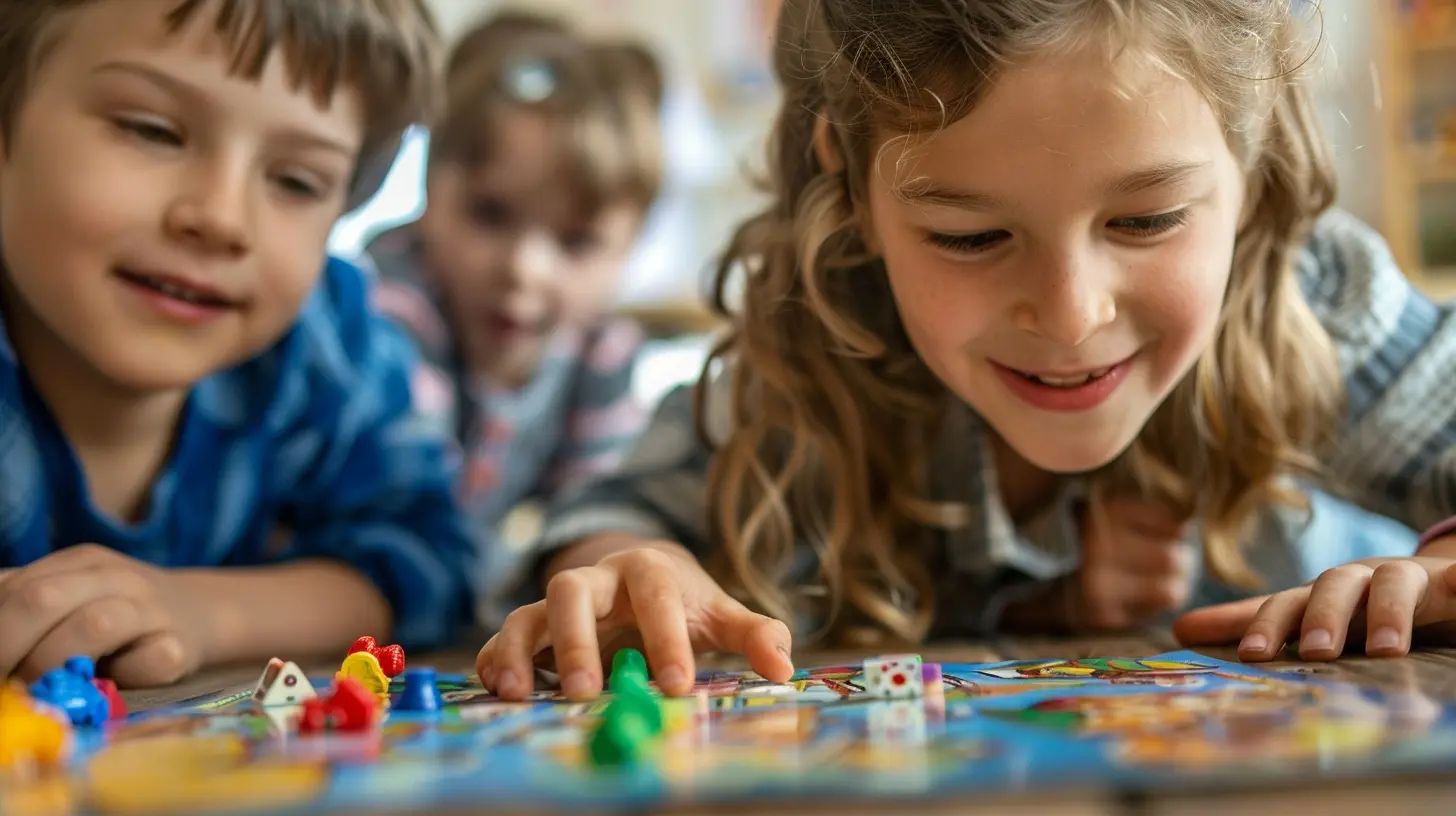
The Magic Mix: Play + Learning
Here’s the thing—kids are naturally wired to play. It’s how they explore the world, test boundaries, and figure stuff out. Now, when we sneak learning into that playful setting, it doesn't feel like a chore anymore. It’s fun. It’s exciting. It’s addictive—in the best possible way.Play isn’t a distraction from learning; it is learning. Educational games tap into that natural curiosity and make the process effortless. Ever watched a child totally zoned into a game where they’re solving puzzles, answering questions, or building things? That’s learning on overdrive.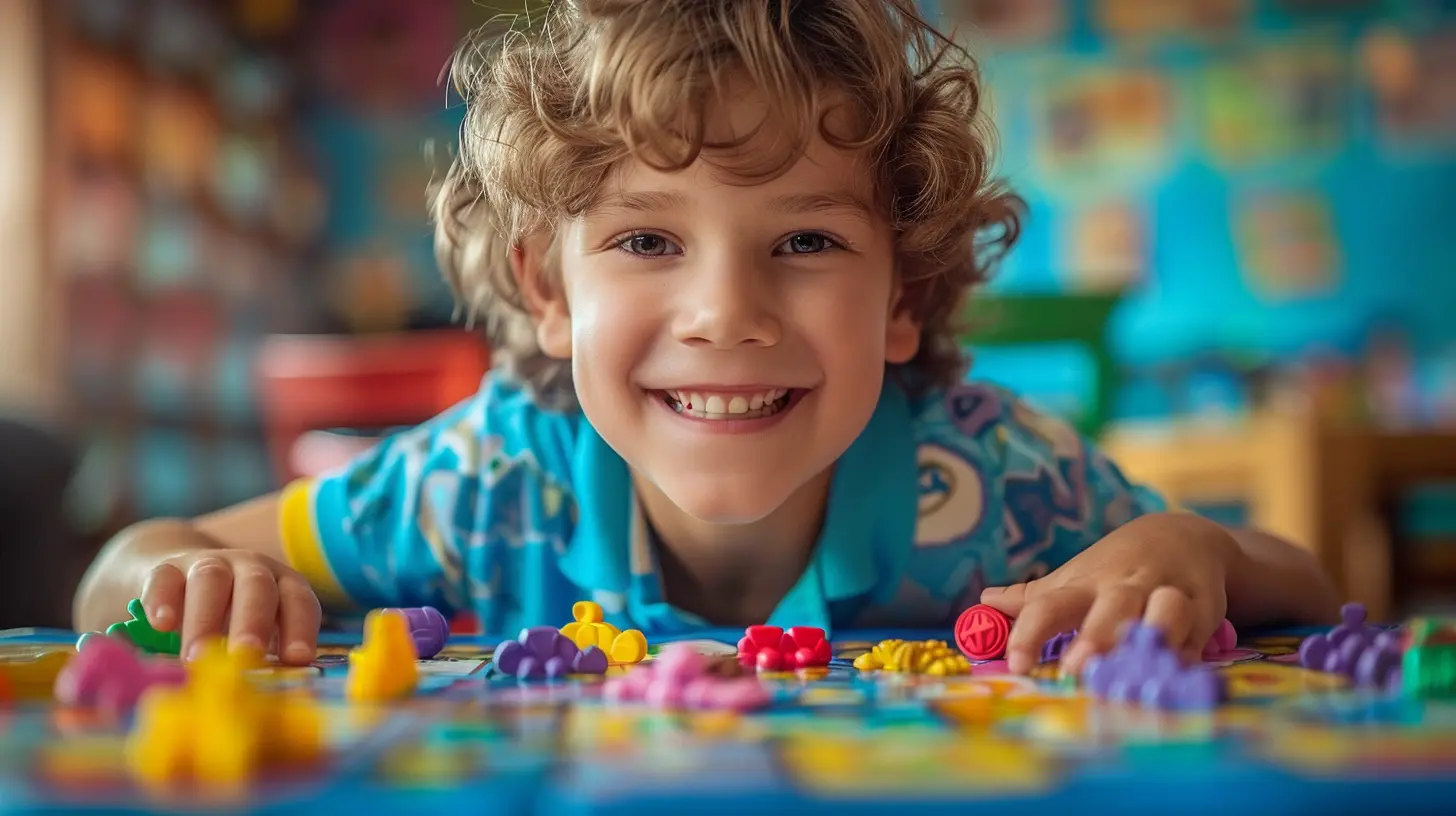
Let’s Talk Dopamine: The Brain’s Feel-Good Chemical
Games are masters at triggering dopamine—the “feel-good” chemical in our brain. Every time a child completes a level, solves a problem, or wins a reward, their brain lights up with happiness. That little hit of dopamine makes them want to keep playing.Now, here’s the kicker—educational games give those same dopamine hits while learning. It creates a positive feedback loop. Learn something → feel good → want to learn more → repeat.
This is one of the biggest reasons kids keep coming back. Their brains are literally being trained to associate learning with pleasure. Not a bad trick, right?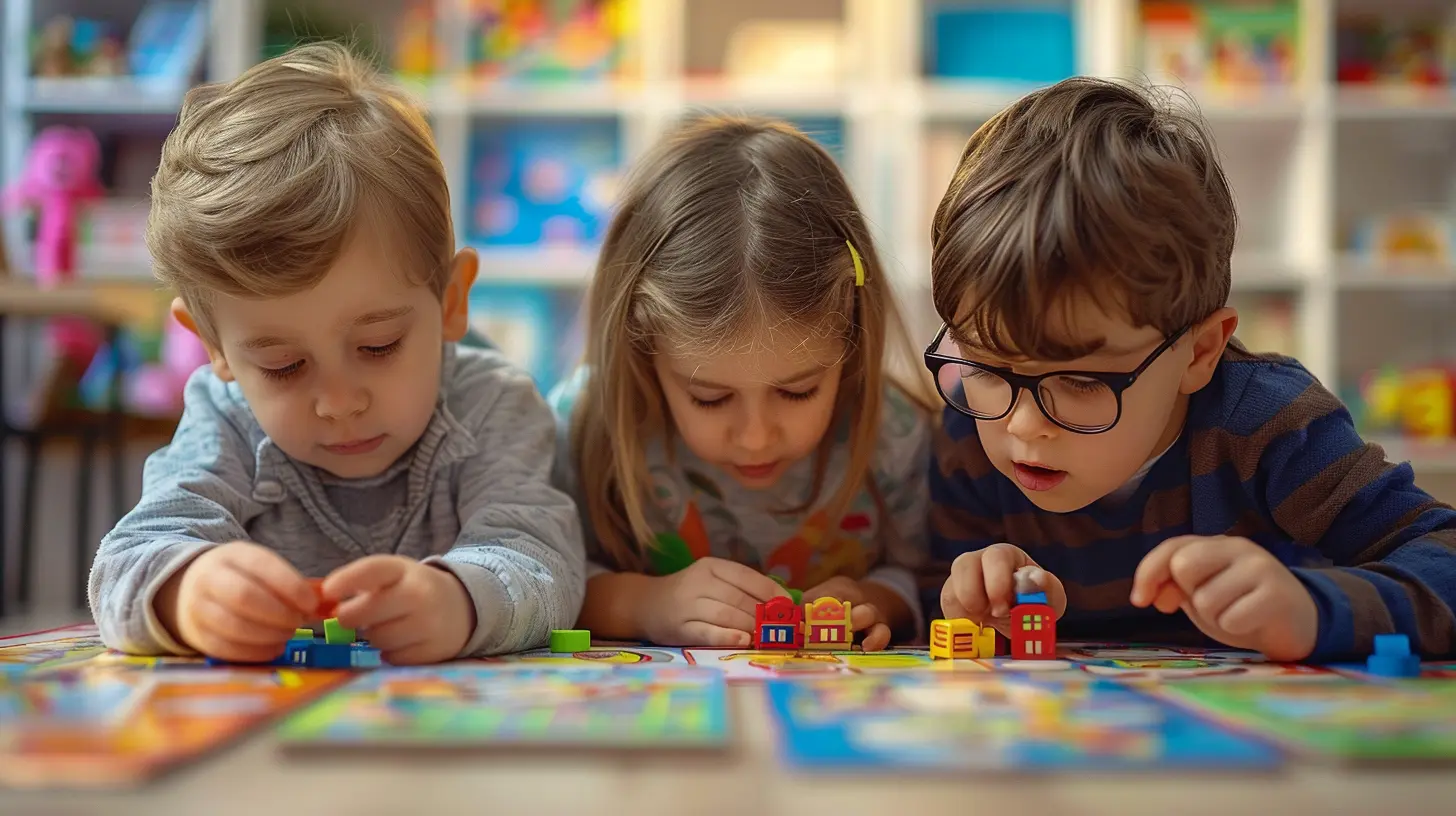
The Power of Instant Gratification
Let’s face it, kids aren’t exactly big on delayed rewards. Telling them “you’ll understand why math is useful someday” isn’t exactly a winning selling point. But educational games flip that on its head.With games, feedback is immediate. You press the right button? Boom—reward. You solve the puzzle? Ding—next level unlocked. That instant gratification keeps kids engaged. It helps them understand the cause-and-effect of their actions right away, which boosts both confidence and motivation.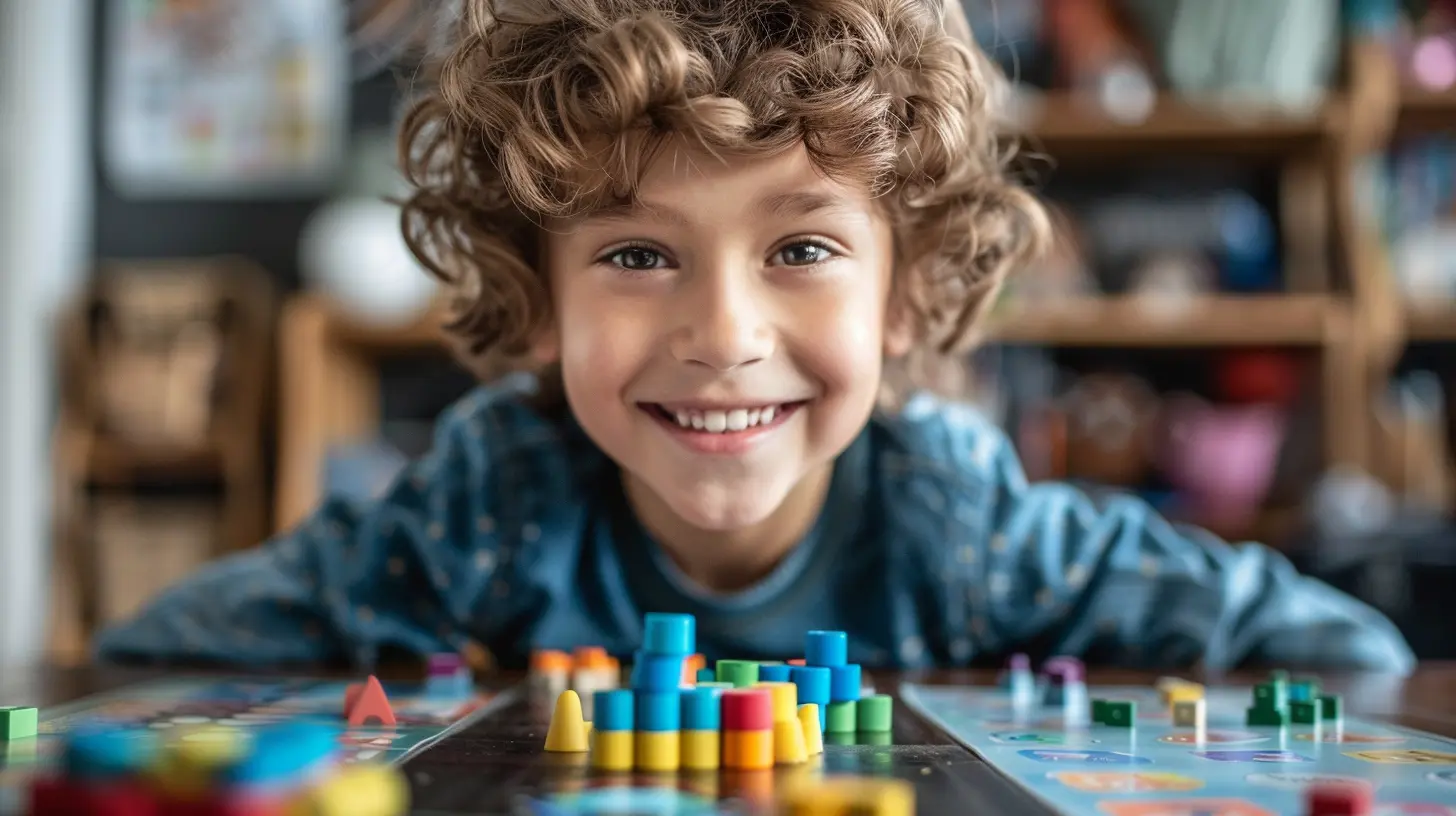
Safe Space to Fail
Failure is a part of learning—everyone knows that. But in school, failing can feel embarrassing or discouraging. In an educational game? It’s just part of the game.Kids can try again, and again, and again—without judgment. It builds resilience. Instead of thinking, “I’m bad at this,” they start thinking, “Oh, I haven’t figured it out yet.”
That small shift in mindset makes a huge difference. It turns learning into a challenge to conquer rather than an obstacle to dread.
Kids Love Control—and Games Give It to Them
One of the lesser talked about elements of educational games is autonomy—the feeling of being in control. In a classroom, instructions are often handed down. In a game? Kids get to choose.They pick the levels. They decide how to approach a problem. They can go back and redo things at their own pace.
This sense of control is empowering. It gives them ownership of their learning, which is incredibly motivating. Basically, the more choices kids have, the more invested they become.
The Social Side of Gaming
Games aren’t just solo adventures anymore. Many educational games are now multiplayer, or have some social component—think leaderboards, team challenges, or in-game chat.Kids love this interaction. Whether it’s competing, collaborating, or just showing off their progress, the social part of gaming taps into the natural need for connection. It adds an emotional layer to the experience, making it even more memorable.
And let’s not forget the bragging rights. Who doesn't love being top of the leaderboard?
Narrative Hooks: Storytelling Keeps Kids Hooked
Humans are hardwired for stories—and kids are no exception. Great educational games often come wrapped in epic narratives. Maybe they’re saving the world with math skills. Or solving mysteries using history facts. Either way, the story keeps them coming back.It’s simple—storylines make learning meaningful. It gives context to the skills they’re learning, which helps with retention. Facts attached to a story are far easier to remember than random info thrown onto a worksheet.
Visuals, Sounds, and Interactivity—Oh My!
Educational games don’t just teach—they dazzle. Bright colors, fun characters, catchy music, animations… all these sensory elements work together to keep kids engaged.These aren't just flashy add-ons. They serve a real psychological purpose:
- Visuals help with memory retention.
- Sounds reinforce progress (think positive audio cues when a child gets something right).
- Interactivity boosts engagement and kinesthetic learning.
The result? Multi-layered learning that hits all the senses.
Gamification: Turning Learning Into a Quest
Ever heard of gamification? It’s the idea of using game-like elements (points, badges, levels, achievements) in non-game settings. And guess what? It works wonders in education.Why? Because it gives structure and goals. Kids love having a challenge. They want to level up, earn stars, unlock new characters.
These game mechanics make progress visible. And seeing yourself improve? That’s a huge motivator. It builds confidence and keeps kids pushing to learn more.
Variety = No Boredom
Imagine trying to keep a kid's attention with the same old flashcards or worksheets. Not gonna happen.Games, though? They’re designed to constantly introduce fresh challenges. New levels, increasing difficulty, different gameplay styles—it keeps things interesting. That constant variety prevents boredom and helps kids stay focused longer.
Short attention spans? Not a problem when the game keeps switching things up.
Personalization: Learning That “Gets” Them
Educational games often use adaptive tech—meaning the game gets harder or easier based on how the child is doing. This makes for a totally personalized learning experience.Personalization means:
- Struggling kids get extra support (without feeling singled out).
- Advanced learners stay challenged (and don’t get bored).
The game “gets” them. And that makes kids feel seen, valued, and encouraged.
Parents and Teachers Love Them Too
Let’s not forget—kids aren’t the only ones who appreciate educational games. Parents and teachers are often big fans because these games offer measurable learning outcomes.Many games come with dashboards or reports that track progress. That means caregivers can see exactly what a child is learning, where they’re excelling, and where they need help.
So when both kids and adults are on board? That’s a win-win situation.
Real Life Applications Keep Kids Curious
Great educational games bridge the gap between school and the real world. When a child sees how math helps them build a virtual city, or how grammar helps them complete quests, something clicks.Suddenly, what they're learning has purpose.
Instead of memorizing facts they’ll forget next week, they're applying skills to solve problems. That relevance boosts curiosity and deepens understanding.
They’re Just Plain Fun (And That’s Okay)
At the end of the day, kids love educational games because they’re just plain fun. And you know what? That’s reason enough.Fun doesn’t mean “less educational.” In fact, when kids are emotionally engaged and genuinely enjoying the experience, the learning goes deeper.
So if your kid is having the time of their life while improving their reading, math, or problem-solving skills? That’s not cheating—that’s smart parenting.
Final Thoughts: It’s Time to Rethink How Kids Learn
The psychology behind educational games shows us one big truth: learning doesn’t have to be boring or forced. When done right, it can be exciting, rewarding, and even addictive (in a good way).Educational games meet kids where they are. They speak their language, work with their brains, and honor their love of fun. And in today’s digital world, that’s a powerful tool to have in your back pocket.
So next time your child fires up a learning game, don’t roll your eyes—cheer them on. They’re not just playing—they’re growing, exploring, and becoming lifelong learners, one game at a time.
all images in this post were generated using AI tools
Category:
Educational GamesAuthor:

Stephanie Abbott
Discussion
rate this article
2 comments
Kiera McLanahan
This article insightfully explores the intrinsic motivations that draw kids to educational games. It highlights how engaging gameplay can foster learning, blending fun with education, ultimately shaping positive attitudes toward learning in young minds. Great read!
April 22, 2026 at 4:40 PM
Stephanie Abbott
Thank you for your thoughtful feedback! I'm glad you found the article insightful and that it resonated with the importance of fun in learning.
Lincoln Benton
Educational games engage children by blending fun with learning, fostering curiosity and critical thinking in a playful environment.
April 20, 2026 at 3:39 AM
Stephanie Abbott
Absolutely! Educational games create a unique space where kids can explore and learn without the pressure of traditional methods. This blend keeps them curious and encourages deeper thinking.