The Psychology Behind Extreme Game Challenges
21 July 2026
Let’s be honest—at some point, we’ve all rage-quit a game.
Maybe it was a boss fight that seemed impossible, a level that pushed your reflexes to the edge, or a puzzle that fried your brain like an overcooked egg. And yet, here's the funny part... we go back. Again and again. Why? Why do we willingly, even eagerly, subject ourselves to these pixelated nightmares?
That’s where the real magic happens. Extreme game challenges tap into a fascinating cocktail of psychology, motivation, and emotion. They push us, frustrate us, and even humble us—but they also reward us in ways not many things can.
So, if you've ever wondered why you (or millions of others) crave punishing video game experiences, buckle up. We're about to dive deep into the psychology behind extreme game challenges—and trust me, it's not just about bragging rights.
What Counts as an "Extreme Game Challenge"?
Before we get into the brain science, let’s set the stage. What exactly do we mean by an extreme game challenge?We're talking:
- Permadeath runs in roguelikes like Hades or Dead Cells
- No-hit boss fights in Dark Souls or Elden Ring
- Speedruns through broken mechanics and frame-perfect timing
- Ironman modes, where one mistake spells instant doom
- Ultra-hardcore puzzles like the ones in The Witness
These aren't your typical “hard” levels. These are designed to break you—or make you.
So, why do we put ourselves through this? Is it just about being the best? Or is there something deeper going on in our minds?
The Dopamine Jackpot: Why Hard Games Feel So Good
Here’s the deal—our brains are wired to chase rewards. And when we overcome something super difficult, the reward is way sweeter.When you finally beat that seemingly unbeatable boss after 37 tries? That rush you feel? That’s dopamine, your brain’s happy chemical, kicking in hard.
The Effort-Reward Relationship
The more effort you invest, the more valuable the reward feels. It’s like earning a paycheck after working overtime—feels way better than stumbling into money you found on the street.In gaming, when the journey is grueling, the destination feels legendary. That’s why extreme challenges leave you grinning like a maniac at 3 AM with your controller in hand.
The Role of Mastery and Competence
At its core, gaming taps into our need to feel competent. According to psychologist Edward Deci’s Self-Determination Theory, one of our key human needs is to feel effective and skilled in what we’re doing.Extreme challenges offer that juicy opportunity for:
- Mastery
- Skill development
- Strategic thinking
You’re not just playing—you’re improving. You’re sharpening your reflexes, analyzing patterns, and getting smarter with every failure. It’s like going to a mental gym—but with dragons.
Failure Isn’t the Enemy—It’s the Teacher
Let’s talk about losing. Hardcore games love to throw defeat in your face. Again. And again.But here's the twist: failure in games isn’t like failure in real life. It's safe. It's controlled. And most importantly—it's temporary.
The Growth Mindset in Action
Carol Dweck’s idea of a growth mindset plays a massive role here. Instead of thinking, “I suck at this,” players often say, “I’ll get it next time.” That shift in thinking keeps people grinding through the toughest parts without giving up.So every time you fall to the same enemy or miss that jump, your brain isn’t groaning—it’s learning.
Community and Bragging Rights
Let’s be real—sometimes we just want to show off.Extreme challenges create a sort of gamer street cred. Whether it’s posting your Sekiro no-death run on Reddit or streaming your Cuphead boss marathon on Twitch, people love watching greatness.
The Social Currency of Pain
In a weird way, pain becomes a badge of honor. “Git gud” isn’t just a meme—it’s a mindset. Completing brutal challenges becomes a form of social capital in gaming communities.You put in the work, you earned your stripes, now you get the glory... and the juicy upvotes.
The Power of Autonomy and Freedom
Another element that fuels this madness? Freedom.Most extreme challenges aren’t required—they’re optional. Players actively seek them out. It's the ultimate expression of autonomy: you choose your challenge, you set the rules.
Self-Imposed Rules = Maximum Satisfaction
From Nuzlocke runs in Pokémon to pacifist challenges in Undertale, self-created constraints make the experience more personal—and more rewarding. It’s like choosing to climb a mountain without gear just to say you did it. Wild, right? But also kind of awesome.Challenge vs. Frustration: Finding the Sweet Spot
Of course, not all hard games are created equal. There’s a fine line between “difficult” and “downright unfair.”So why do some games keep us playing despite the pressure, while others make us uninstall after five minutes?
Flow State: The Gaming Sweet Spot
A key factor here is something called “flow.” That’s the magical mental state where you’re fully focused, time disappears, and you’re just in the zone.To hit flow in gaming, you need:
- A clear goal
- Instant feedback
- A balance between challenge and skill
Games like Hollow Knight or Celeste nail this. They’re hard, sure—but fair. They encourage you to keep trying, and every failure feels like a stepping stone instead of a dead end.
The Dark Side: When Challenge Goes Too Far
Let’s be honest—it’s not all sunshine and dopamine.Sometimes, extreme game challenges can cross the line. Maybe it's poor design, maybe it's toxic community standards, or maybe it’s player burnout. The same elements that motivate can also demoralize if not managed right.
Performance Anxiety and Burnout
When players get too wrapped up in proving themselves, the pressure can suck out the joy. Instead of playing for fun or growth, it becomes all about winning—and that’s not sustainable.It’s okay to take a break. Even the best speedrunners and esports pros do. Your mental health > your win streak.
Why This Genre Keeps Growing
Hard games have exploded in popularity in recent years. Just look at the success of games like:- Elden Ring
- Dark Souls
- Sekiro
- Cuphead
- Celeste
- Returnal
You might think people are gluttons for punishment—and maybe we are—but there’s something more. These challenges create deeper, more meaningful connections to our experiences. They give us stories to tell, moments to remember, and lessons that spill over into real life.
Tough games build mental muscles. They teach resilience, patience, and perseverance. Skills that just might help you in the real world, too.
Tips for Taking On Extreme Challenges (Without Losing Your Sanity)
Thinking of diving in? Here are some quick, painful-but-helpful tips:1. Embrace Failure
Treat every death as data. What did you learn? What can you do better next time?2. Break It Down
If a boss seems impossible, break it into phases. Focus on mastering one part at a time.3. Watch and Learn
There’s no shame in watching tutorials, walkthroughs, or other players kicking butt. Learn their tricks.4. Take Breaks
Seriously. Don’t grind yourself into madness. Step away, clear your head, come back fresh.5. Celebrate Progress
Even small wins matter. Got farther than last time? That’s progress. Own it.Final Thoughts: It’s Not About Winning (Okay, Maybe a Little)
Extreme game challenges unlock something primal within us. They speak to our need to grow, to fight, to conquer. But more than anything, they remind us what we’re capable of when we push just a little further than we thought we could.So the next time you get stuck, frustrated, and tempted to throw your controller across the room—pause. Take a breath. Smile.
You’re not just playing a game.
You’re becoming a legend.
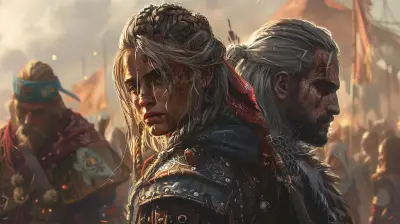
all images in this post were generated using AI tools
Category:
Game ChallengesAuthor:

Stephanie Abbott