The Most Brutal Platforming Challenges in Recent Memory
11 June 2026
Let me guess — you thought jumping between a few floating platforms and avoiding a lava pit was peak gaming stress. Oh, sweet summer child. Today, we’re diving headfirst (hopefully not into spikes) into the most brutal platforming challenges in recent memory. I’m talking about games that laughed at your confidence, chewed it up, and then served it back to you with a side of “Git Gud.”
If you’ve ever thrown your controller across the room in a fit of pixel-based rage, this list is for you. Grab your emotional support plushie and a backup pair of Joy-Cons, because we’re going deep into the sadistic world of modern platformers designed to break your spirit—but, like, in a fun way!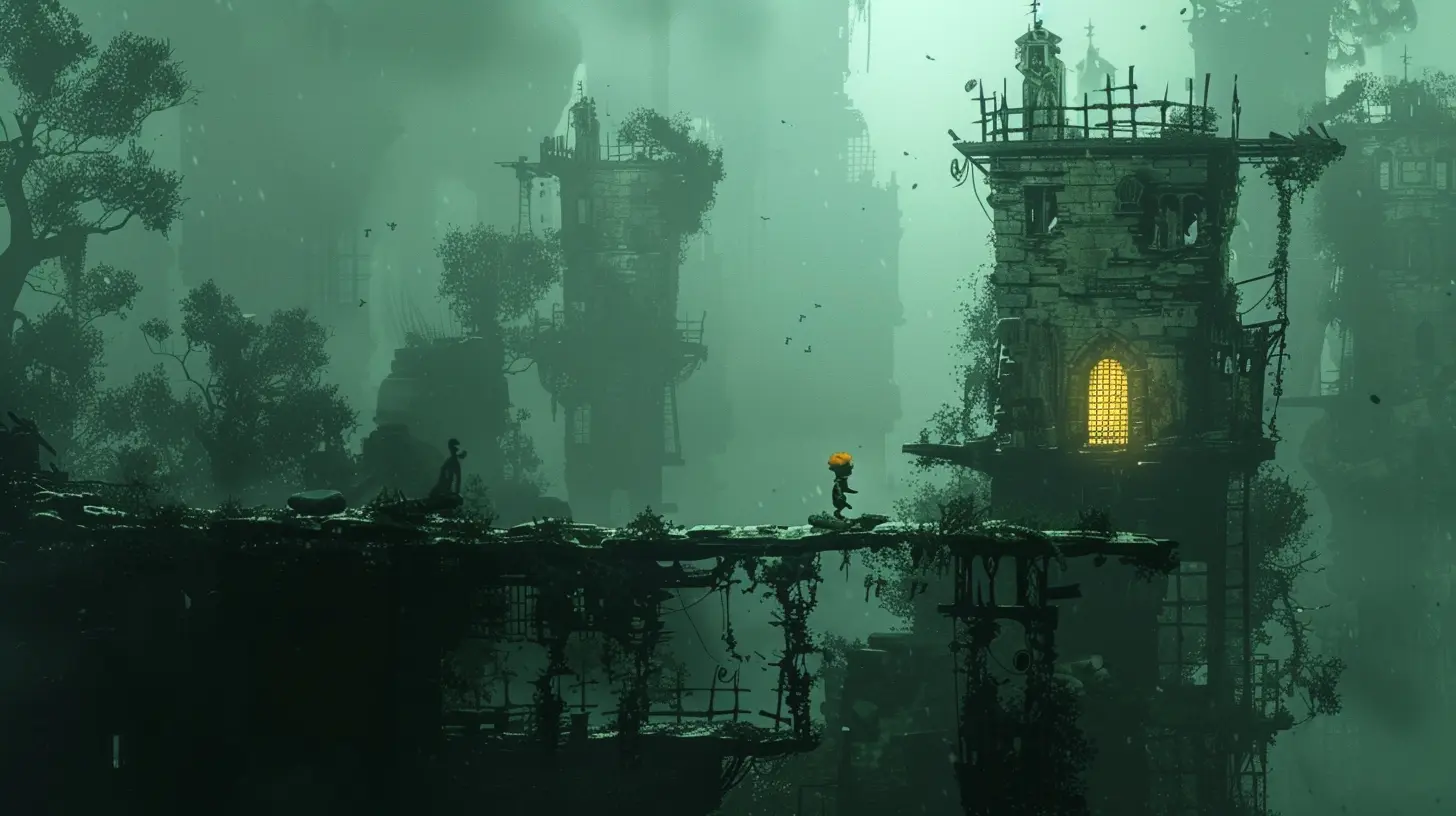
What Makes a Platformer Brutal?
Before we jump into the pain parade, let’s set the ground rules. What exactly qualifies as "brutal" in platforming terms?- Unforgiving level design (like: “Oh, you sneezed? Back to the start!”)
- Precise timing that would make a Swiss watch jealous
- Trial-and-error gameplay with lots of... surprise deaths
- Zero hand-holding — only pixel-perfect parkour
- Occasionally, the game actively mocks your failure (thanks, narrator)
Alright, ready for the list? Let’s descend into the masochistic madness.
1. Celeste — Anxiety in Pixel Form
Ah, Celeste. The game that took your anxiety, wrapped it in wholesome story beats, and then made you cry tears of both joy and frustration.You play as Madeline, a girl climbing a mystical mountain while metaphorically confronting her anxiety (spoiler: her anxiety tries to kill her — repeatedly).
The controls are tight. The movement is buttery smooth. And yet, every new stage feels like a slap in the face from a spiky gauntlet. There are strawberries to collect (because why not add optional suffering), and don't even get me started on the B-Sides and C-Sides — they're like the DLC of despair.
Brutality rating: 8/10 emotional breakdowns per hour.
2. Super Meat Boy Forever — Now With More Meat, Less Mercy
Remember Super Meat Boy? Of course you do. It was the game that introduced you to the true definition of pain...with a smile. Super Meat Boy Forever is what happens when developers decide, “Hey, let’s take the original and crank the chaos up to 11.”This time around, it’s auto-running. That’s right — no stopping, no looking back. You just go. You dash, dive, punch, and plummet your way through buzzsaws, lasers, and other horrors that would make a butcher wince.
The learning curve? More like a learning cliff. But when you finally beat a level on your 68th try? It's pure, unfiltered dopamine.
Brutality rating: 9/10 finger cramps.
3. Getting Over It with Bennett Foddy — The Existential Crisis Simulator
Okay, hear me out — technically it’s not a traditional platformer. But it is a game about climbing. And falling. And climbing. And falling off a mountain again while a disembodied voice reads pretentious philosophy at you.If you’ve never played Getting Over It, imagine trying to butter toast while wearing oven mitts — and if you mess up, you have to re-bake the bread from scratch. That’s this game.
Every inch of progress feels like a major life achievement. Then you sneeze and lose an hour’s worth of climbing. Bennett Foddy’s soothing voice offers zero consolation. Basically, it’s a patience endurance test dressed up as a rage machine.
Brutality rating: 10/10 broken spirits.
4. Cuphead — Run, Gun, Die, Repeat
Okay so Cuphead is 90% boss battles, sure. But don’t sleep on the run-and-gun platforming levels. Between the slapstick 1930s animation and the jazzy soundtrack, you’ll almost forget that this game hates you deeply.Enemies fly in from every angle, platforms collapse without warning, and everything from flowers to flying fish wants you dead. It’s like playing a cartoon acid trip designed by Satan's art school dropout nephew.
You’ll die. A lot. You’ll scream. A lot. And when you finally make it to the next level? You’ll die some more. It's relentless, but it's also beautiful chaos.
Brutality rating: 7/10 rage quits (but you’ll keep coming back).
5. Jump King — Fall Damage for the Soul
Ever wanted to know what it feels like to climb a tower with the physics engine from a weird dream? Enter Jump King.This game is simple in concept: You jump. But here’s the kicker — every jump is a commitment. You can’t steer in mid-air. You charge your jump and hope you land where you aimed. Miss by just a pixel? Guess who's doing that whole section again. Spoiler: it’s you.
What sets Jump King apart is the sheer psychological warfare. You're constantly one jump away from glory… or being hurled back to square one. It’s less a game and more a ritual of self-humbling.
Brutality rating: 11/10 painful plummets.
6. Hollow Knight — Bug Souls with Platforming Pain
While Hollow Knight is often filed under the “Metroidvania” umbrella, don’t let that fool you — its platforming segments are no joke. Especially the White Palace and Path of Pain.Oh, you thought this was a chill bug-themed exploration game? Cute. Now try chaining wall jumps, precise dashes, pogo bounces, and air slashes to avoid death traps while your thumbs cry out for mercy.
The Path of Pain is so brutal, it’s practically a rite of passage. You’ll spend hours perfecting five seconds of movement — and once you beat it? You’ll feel like a platforming god.
Brutality rating: 9/10 controller-flipping freakouts.
7. Ori and the Will of the Wisps — Gorgeous, Glorious Suffering
Ori is the game equivalent of a Pixar movie — beautiful, whimsical, and designed to emotionally and physically destroy you.While it looks sweet and innocent, it hides some of the most punishing movement sequences around. The infamous escape sequences ramp up the chaos to 99, demanding split-second timing and flawless execution.
The best part? No checkpoints in the middle of those sequences. You fail once? Start from the top, baby. It's like ballet with bombs — elegant but deadly.
Brutality rating: 8/10 elegant meltdowns.
8. N++ — Minimalist Torture in Neon
Imagine if geometry was angry and wanted you dead. That’s N++.You’re a tiny ninja navigating minimalist death traps in intense, split-second bursts. The levels are short, but deceivingly sadistic. You’ll think, “Oh, how hard can it be? The graphics look like a high school math project.”
Then WHAM. You bounce off a wall into a mine, or a missile tracks you down across the map. Precision is key, and the learning curve is vertical — like, Everest vertical.
Also? There are über-leaderboards to haunt your dreams with the knowledge that someone out there beat the level three seconds faster.
Brutality rating: 7/10 existential geometry crises.
9. Spelunky 2 — RNGesus Take the Wheel
Spelunky looks like a cute side-scrolling adventure. It's not. It's a platforming roguelike with procedurally-generated levels and more ways to die than a horror franchise.Every decision matters. Every jump could kill you. You might land on a trap, or a rock might hit you in the face and chain-reaction you into lava. Honestly, sometimes the game just wakes up and chooses violence.
It’s not just about skill — it’s also about adapting to the madness. Spelunky 2 teaches you to expect the worst and be ready to improvise like it's a chaotic episode of MacGyver.
Brutality rating: 8/10 chaotic neutral death spirals.
10. Katana ZERO (Honorable Mention for Slicing, Dicing, and Dying)
Now, Katana ZERO might not be a pure platformer, but it borrows heavily from the genre — especially when it comes to the precision and instant-death mechanics.Each level is a puzzle of timing, movement, and enemy elimination, all in one slick, neon-soaked package. One hit and you're toast. But hey — time slows down, so you feel cool while getting obliterated, at least.
The game’s style might distract you from how frustrating it can be. But rest assured: dying is a lifestyle here, not a punishment.
Brutality rating: 6/10 but make it fashionable.
So... Why Do We Do This to Ourselves?
At this point, you might be asking, “Why would anyone play these games willingly?” That’s fair. It’s like asking why someone climbs Mount Everest. It’s painful. It’s dangerous. It involves a lot of falling and crying.But oh man, when you finally beat that insane level or land that impossible jump? It’s better than caffeine and cheaper than therapy. These games give you something most modern AAA games don’t — a true sense of triumph. You earned that win! With your own two thumbs and a lot of trial-and-error trauma.
Final Thoughts: Embrace the Pain, Reap the Glory
Platformers aren’t just about jumping anymore — they’re about enduring. They test your grit, your patience, and how many curse words you can scream per minute. But they also reward you with unmatched satisfaction when you finally crack the code of a level that’s been humiliating you for hours.If you haven’t jumped into these digital gauntlets yet, give one a shot. Just, uh… maybe start with a backup controller.
all images in this post were generated using AI tools
Category:
Game ChallengesAuthor:

Stephanie Abbott
Discussion
rate this article
1 comments
Caden Estes
Great article! It's fascinating to see how platforming games have evolved to present such intense challenges. I appreciate your insights and can't wait to tackle some of these levels myself!
June 22, 2026 at 4:38 AM
Stephanie Abbott
Thanks for reading! I'm glad you enjoyed the article and found the challenges intriguing. Good luck with those levels... they're tough but rewarding!