The Impact of Educational Games on Early Childhood Development
2 April 2026
Let’s face it—kids love games.
From peekaboo to puzzle apps, play is how children explore and make sense of the world around them. But what if games could do more than just entertain? What if they could actually shape a child’s growth—boost their brainpower, social skills, and more?
Spoiler alert: They can.
Welcome to the world of educational games—a powerful tool in early childhood development that goes far beyond fun and games. Let’s break down how these playful experiences are making some serious moves in molding young minds.
What Are Educational Games, Anyway?
Before we dive in too deep, let’s clear the air. Educational games are exactly what they sound like—games designed with learning goals in mind. They could be physical board games, card games, digital apps, or interactive simulations. The main point? Kids learn while playing.Unlike traditional classroom methods, these games sneak in lessons under the radar. They make learning feel like playtime, and that’s a win-win for everyone involved.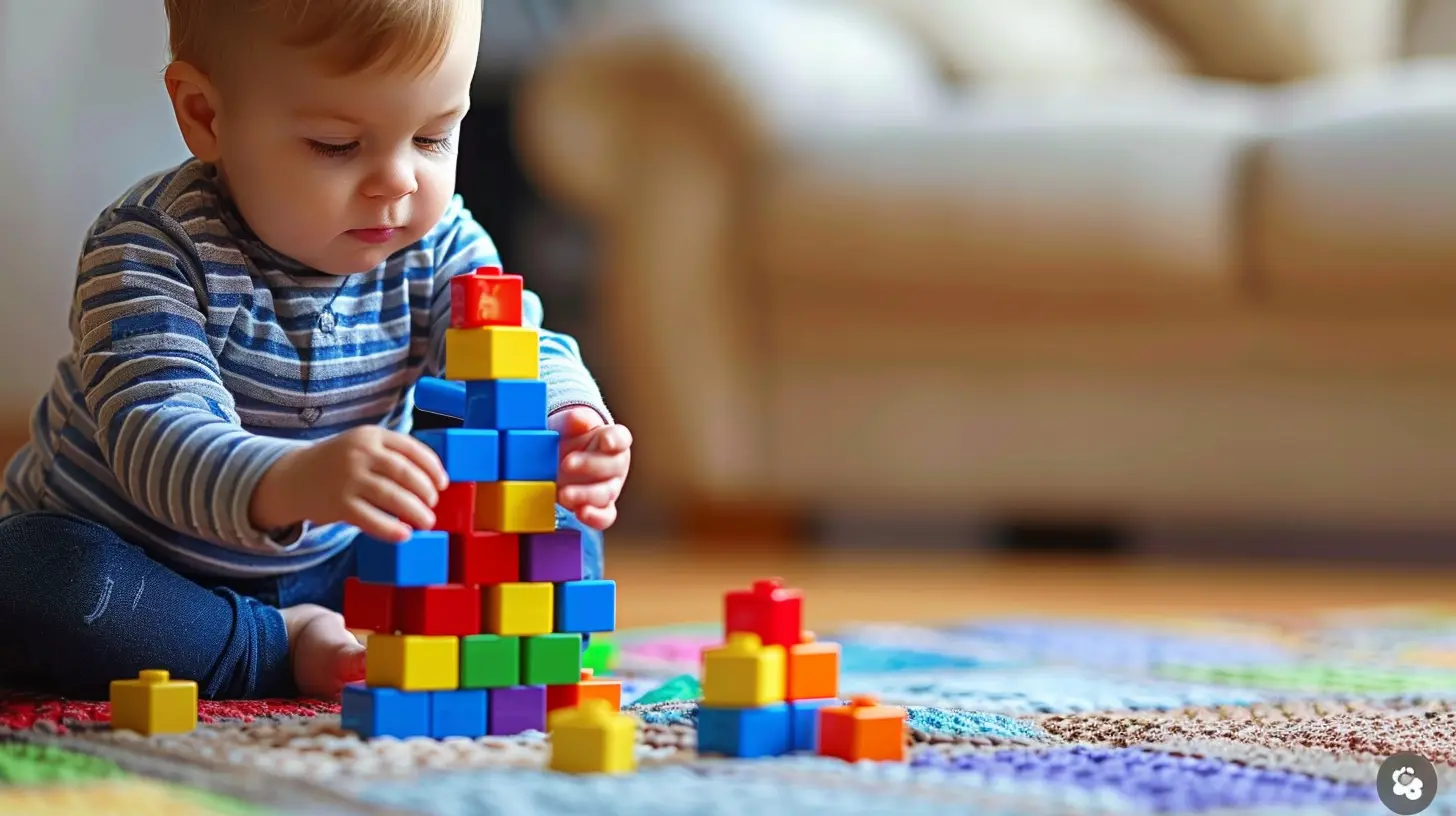
The Science Behind Play-Based Learning
Okay, so we know kids love to play. But why is it such a big deal?According to child development experts, play is essential for brain development. During early childhood, the brain is like a sponge—soaking up experiences and wiring itself based on what it encounters.
Games that stimulate thinking, logic, memory, and coordination don’t just entertain—they literally help build the brain. That’s not just an opinion, by the way. It’s backed by decades of neuroscience and psychology research.
Think of it this way: If a child’s brain is a house under construction, educational games are the tools and blueprints helping build a solid foundation.
Boosting Cognitive Development
Do educational games make kids smarter? In a word—yes.They help boost all sorts of cognitive skills like:
- Problem-solving
- Memory
- Attention span
- Language acquisition
- Numerical understanding
For example, a simple game like “matching pairs” stimulates memory and logic. Counting games sharpen number familiarity and basic math skills.
Even better? Games provide instant feedback. When a kid gets something right—or wrong—they know it immediately. That real-time feedback loop helps reinforce learning in a way that lectures or passive videos just can't.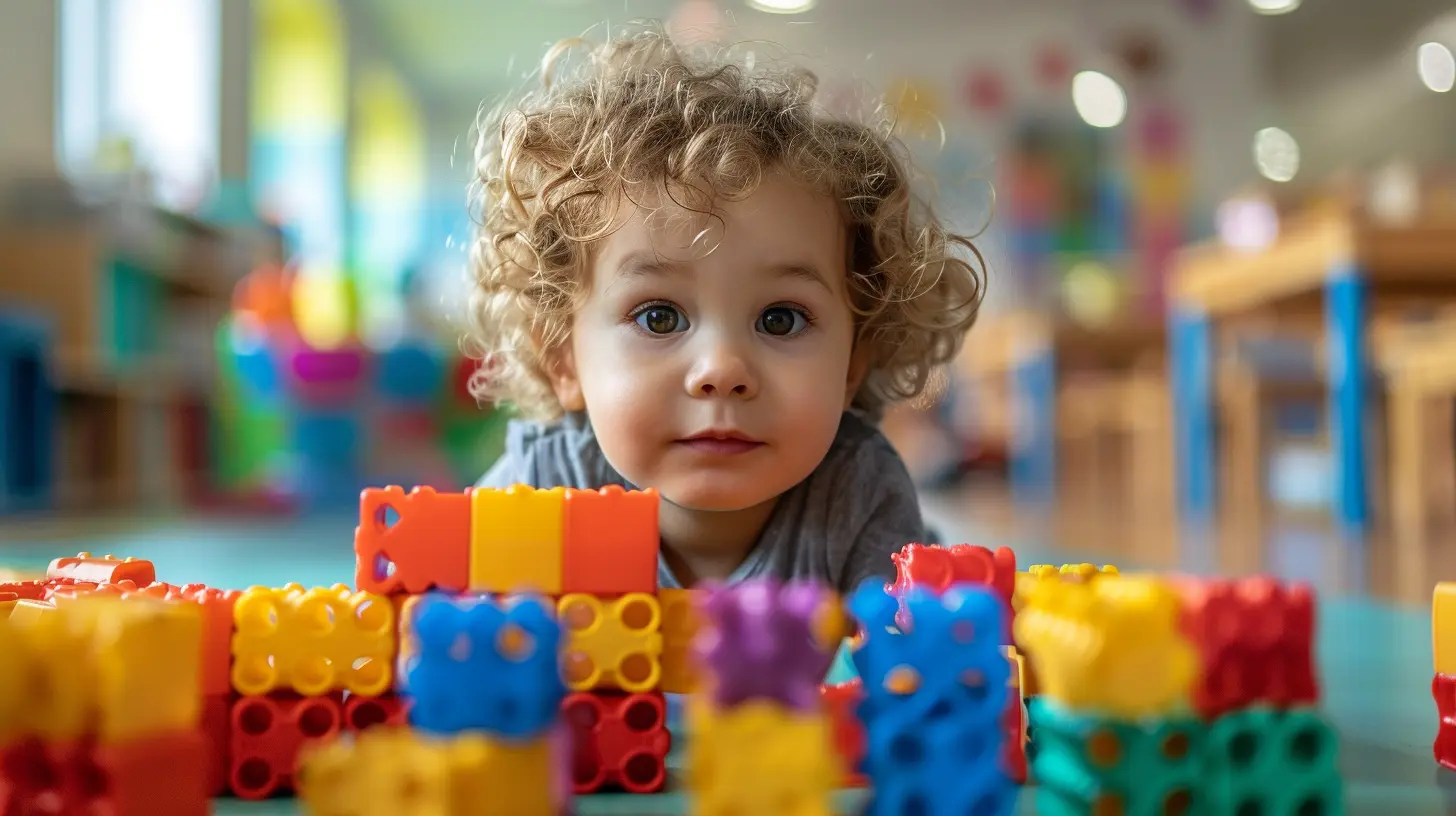
Language and Literacy Take a Leap
One huge win with educational games? Language growth.Story-based games that involve listening, reading, or verbal responses help build vocabulary, sentence structure, and comprehension. Whether it’s a storybook app that reads out loud or a rhyming puzzle that challenges creativity, the impact on a child’s literacy skills can be massive.
Plus, when kids are engaged, they retain way more. Would you rather read a dry textbook or play a game that lets you build a zoo while learning animal names?
Yeah, us too.
Social and Emotional Development Gets a Boost
Educational games aren't just about ABCs and 123s. They also teach soft skills—the kind that help kids navigate the world around them.When kids play games together, they’re learning to:
- Take turns
- Share
- Cooperate with others
- Handle wins and losses gracefully
- Develop empathy
These are the building blocks of emotional intelligence—and educational games provide a safe, structured way to practice them.
Think of a multiplayer collaborative game: kids have to work as a team, negotiate roles, and communicate clearly. That’s a crash course in real-world social dynamics.
Motor Skills: It's All in the Hands
While it might seem simple, tapping a screen, dragging icons, or stacking virtual blocks isn’t just for fun. It’s fine motor skill training in disguise.For younger kids, especially toddlers, these basic actions refine the coordination between their hands and eyes. This is key for future skills like writing, drawing, or tying shoelaces.
Even physical educational games—like shape sorters or memory card setups—require dexterity, hand strength, and coordination.
So yes, that game of digital jigsaw puzzle is actually prepping your kiddo for kindergarten handwriting.
Gamification Makes Learning Addictive—in a Good Way
Let’s be real: getting kids to sit still for learning can be tough. But games flip the script by turning lessons into challenges, quests, and achievements.This is where gamification shines. It’s the practice of adding game-like elements—think: rewards, levels, badges, timers—to learning content. Suddenly, what felt like schoolwork becomes an adventure.
This approach keeps kids motivated. It gives them little dopamine boosts as they progress. And most importantly? It makes them want to come back for more.
Personalized Learning at Its Best
Another superpower of educational games? Adaptability.Unlike one-size-fits-all teaching, many games adjust difficulty levels based on the child’s progress. Think of it as a personal tutor that evolves with the learner.
Struggling with pattern recognition? The game slows down and offers hints. Mastering a concept quickly? It levels up the challenge.
This adaptive learning ensures that kids stay in their sweet spot—not too bored, not too overwhelmed.
Parental Involvement Improves Learning Outcomes
Here’s the deal—educational games work best when parents get involved.Playing games together opens up chances for:
- Bonding
- Observational learning
- Guided learning
- Better screen time management
Parents can reinforce game lessons with real-world examples, turn game time into quality time, and even monitor progress.
So don’t just hand over the tablet—sit down, play along, and talk about what’s being learned. You’d be surprised how much more valuable the experience becomes.
The Role of Technology in Educational Gaming
We can’t talk about modern educational games without talking tech.Thanks to mobile apps, tablets, and smart toys, today’s kids have access to richer, more interactive learning experiences than ever before. From AR (Augmented Reality) spelling games to touch-based puzzle challenges, the tech is getting seriously cool.
Of course, screen time balance is key. But with the right content and time limits, tech-enhanced educational games can be a total game-changer (pun totally intended).
Real-World Examples of Impact
You might be wondering—does this all sound great in theory, or does it actually work?Well, consider this:
- A study by the Joan Ganz Cooney Center found that children who played literacy-focused games showed measurable language gains.
- Schools using math-based gaming apps reported improved performance in early numeracy assessments.
- Kids from low-resource communities gained better access to educational opportunities through simple mobile-based learning games.
The bottom line? The impact isn’t just academic—it’s social, emotional, and even geographical. Educational games are closing learning gaps and creating new opportunities across the board.
Choosing the Right Educational Games
Not all games are created equal. Some are just pretty colors and catchy music with zero learning value.Here are a few quick tips for picking the good ones:
- Look for games aligned with age-appropriate learning goals.
- Go for content that supports creativity, critical thinking, or problem-solving.
- Pay attention to in-game ads and ensure the environment is safe and kid-friendly.
- Read reviews or get recommendations from educators or parenting blogs.
- Watch how your child interacts with it—if they’re actively thinking and engaged, it’s likely solid.
Striking the Balance
Here’s a crucial point: educational games are a supplement, not a substitute.They shouldn’t replace outdoor play, hands-on learning, or human interaction. Instead, think of them as a delicious side dish to a well-balanced meal.
Used wisely, they can reinforce lessons, spark curiosity, and inspire a lifelong love of learning.
Final Thoughts
Educational games are more than screen-fillers or time-wasters. They're powerful tools that—when used right—can supercharge a child’s development across the board.From shaping smarter brains to building kinder hearts, these games pack a punch. And the best part? They make learning feel like play.
So next time your little one clicks on that brightly colored learning app, don’t roll your eyes. You just might be watching their brilliance blossom—one game at a time.
all images in this post were generated using AI tools
Category:
Educational GamesAuthor:

Stephanie Abbott
Discussion
rate this article
2 comments
Falkor Gomez
This article beautifully highlights how educational games can shape young minds, fostering essential skills and nurturing a love for learning.
April 8, 2026 at 4:46 PM
Stephanie Abbott
Thank you for your kind words! I'm glad you found the article insightful about the positive effects of educational games on young learners.
Melina Graham
Unlocking the mind or trapping it? Educational games for young children: a double-edged sword. As they play, what unseen forces shape their futures? Dive deep into this digital conundrum.
April 6, 2026 at 3:53 PM
Stephanie Abbott
That's a thought-provoking point. While educational games can foster creativity and critical thinking, they also pose risks if overly relied upon. Balancing play with other forms of learning is key to shaping positive futures.