The Evolution of Co Op Gameplay Over the Last Decade
13 July 2026
Co-op gaming has seen one heck of a glow-up in the last ten years. If you’re like most gamers, you've probably gone from couch-surfing with a second controller to squadding up with friends from five different time zones. Wild, right?
The evolution of co-op gameplay hasn’t just changed how we play—it’s changed what we play, who we play with, and why we keep coming back. Whether you're revisiting the glory days of split-screen or diving into massive online battles, the co-op experience is now more immersive, more creative, and—let’s be real—a lot more fun.
So, how did we get here? Let’s take a deep dive into how cooperative gameplay has levelled up over the past decade.
A Decade Ago: The Co-Op Landscape Circa 2013
Let’s rewind to 2013. Back then, co-op meant inviting a buddy over, grabbing a second controller, and going head-to-head with zombies, aliens, or whatever baddies a game could throw at you.Games like Borderlands 2 and Left 4 Dead 2 paved the way for chaotic, fun-as-hell co-op sessions. But even then, online connectivity wasn’t a universal standard. Many gamers still relied on LAN parties or, more commonly, just good ol’ local multiplayer.
Back in those days:
- Co-op was mostly limited to 2-4 players
- Offline (couch) multiplayer was still super popular
- Online matchmaking? Kinda flaky, honestly
- Communication? If you weren’t in the same room, good luck
It was simpler, sure—but definitely not as dynamic as what we’re seeing today.
The Rise of Always-Online Gaming
Fast forward a few years, and the gaming world started shifting gears. The industry was going digital fast. Faster internet, better consoles, smarter devs—it all came together.Now, online multiplayer wasn’t just “a nice option”—it became the standard.
Always-online games like Destiny (2014) and Tom Clancy’s The Division (2016) pushed the envelope by creating shared-world shooters. These weren’t just levels you played with a friend. These were entire ecosystems built around teamwork, exploration, and grinding loot side-by-side.
What changed:
- Persistent online worlds became mainstream
- Matchmaking vastly improved
- Voice chat integration became seamless
- Drop-in/drop-out co-op became standard
Playing with others no longer required coordinating with friends to be on the couch. You could jump into worlds with millions of players and still feel like part of a squad.
Cross-Platform Play: Breaking the Console Walls
Let’s be honest—for the longest time, console exclusivity was a real pain. Your buddy had an Xbox, you had a PlayStation, and that meant no co-op, end of story.Not anymore.
Cross-platform play has kicked down those walled gardens. Thanks to games like Fortnite, Minecraft, Call of Duty: Warzone, and Rocket League, it no longer matters which device you’re playing on. You can grab your controller (or keyboard and mouse), fire up your favorite co-op title, and team up with just about anyone.
Why this is huge:
- Friends no longer need the same console
- Co-op becomes more accessible and inclusive
- Communities aren’t fragmented by hardware
The result? A more united and much larger co-op ecosystem than ever before.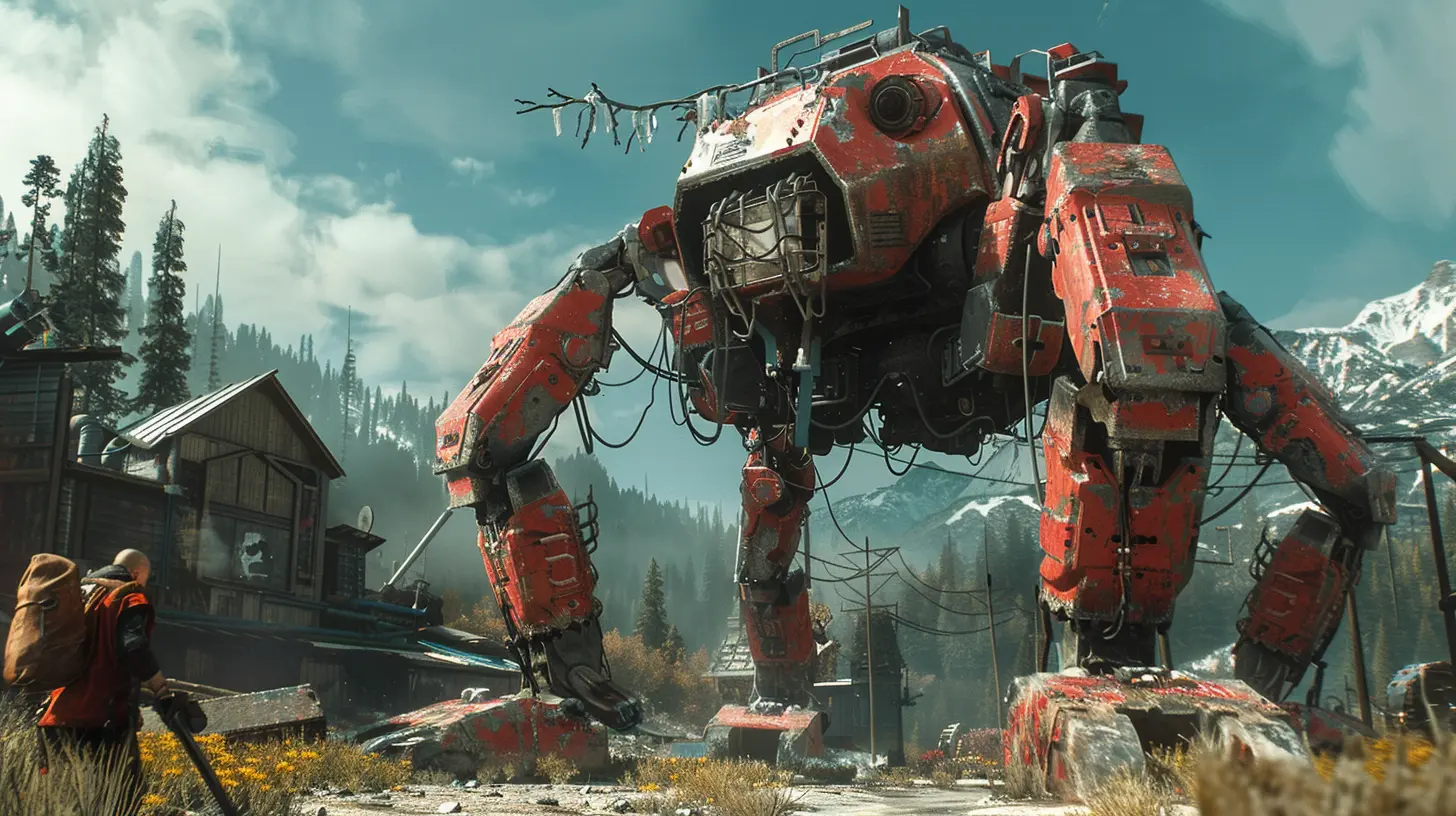
The Social Side of Co-Op: Streaming, Discord, and Beyond
It’s not just about playing anymore—it’s about being part of a scene.With platforms like Twitch and YouTube Gaming blowing up over the last decade, co-op gameplay has become entertainment. Watching streamers team up in real-time adds a layer of social interaction that we honestly didn’t see coming.
Discord’s rise? Equally game-changing.
Gamers can now coordinate missions, share memes, strategize, and even host community events—all off-game. Co-op isn’t just about what’s on-screen anymore. It’s become a lifestyle.
Social enhancements include:
- Real-time voice/chat servers (Discord, in-game)
- Live co-op playthroughs with Twitch viewers
- Collaborative content creation
- E-sports and co-op tournaments
Let’s face it: co-op gaming has gone full social butterfly mode.
Innovative Co-Op Mechanics: More Than Just "Help Me Fight"
Remember when co-op used to mean shooting bad guys side by side? Simple times. Not anymore.Modern co-op games have introduced wildly creative mechanics that require real cooperation—brainpower over brute force.
Check out what’s new:
- Asymmetric cooperation: Games like It Takes Two and A Way Out force players into completely different roles. You rely on your partner to progress.
- Shared resources: Many survival games, like Don't Starve Together or Valheim, make cooperation essential for gathering, crafting, and surviving.
- Team-based puzzles: Think Portal 2’s co-op mode—pure genius.
This shift means co-op isn’t just something “added on” anymore. It’s often baked into the game’s DNA.
The Explosion of Co-Op Indie Games
While AAA titles have done their fair share of elevating co-op, let’s give a massive shoutout to indie developers.Indie studios have experimented like mad scientists over the past decade—delivering some of the most heartwarming, chaotic, clever co-op games you’ve ever played.
Here's how indies contributed:
- Unique art styles and off-the-wall concepts (Unravel Two, Overcooked, Cuphead)
- Communication-based challenges (Keep Talking and Nobody Explodes)
- Budget-friendly alternatives for casual gamers
Indie titles have made co-op more accessible, experimental, and emotionally engaging. Who knew yelling at your partner in Overcooked could be so bonding?
Narrative-Driven Co-Op Experiences
Traditionally, story-driven games were pretty much one-player rides. But that’s changed big-time.Narrative co-op games now let you live stories together—making choices, solving problems, and uncovering twists as a duo or squad.
Games like:
- A Way Out
- It Takes Two
- The Dark Pictures Anthology
In these games, your decisions actually affect your friends. It’s not just about coordination—it’s about emotional connection. You laugh together, you fail together, you literally grow together.
This genre twist adds serious replayability too. Who doesn’t want to go back and see what would’ve happened if you’d made that decision?
Open-World and MMO Co-Op Boom
The last decade has also seen co-op explode in open-world and MMO spaces. And boy, it’s been a ride.Rather than just jumping into short missions or quick matches, these games let you spend hours exploring, farming, building, and battling with your crew.
Top hits include:
- GTA Online
- Sea of Thieves
- Elden Ring (yes, co-op in Soulsborne!)
- Phantasy Star Online 2
- Monster Hunter: World
These worlds are massive, alive, and constantly evolving. And they’re just more fun with friends.
Co-Op VR: Next-Level Immersion
If you thought gaming couldn't get more immersive, VR said “hold my joystick.”Virtual reality has taken co-op to a whole new dimension—literally.
Games like Beat Saber Multiplayer, Pavlov VR, and Phasmophobia prove that there's something downright magical about slashing beats or ghost hunting with your actual body.
VR co-op perks:
- Shared space immersion
- Physical gesture communication
- Deeper teamwork and connection
Yep, co-op is no longer just on a screen—it’s a whole-body experience now.
The Pandemic Effect: Co-Op as a Social Lifeline
Let’s not ignore the elephant in the room: COVID-19 changed everything.With lockdowns and isolation setting in, millions turned to gaming as a lifeline. Co-op games weren’t just fun—they were necessary.
People hosted virtual game nights. Parents bonded with kids through Minecraft. Long-distance friends found themselves hanging out more often than ever before—inside games.
Co-op in that moment became:
- A substitute for in-person interaction
- A way to maintain mental health
- A tool for community-building
This period massively boosted the popularity and appreciation of cooperative play. It reminded everyone that while leaderboards are cool, connection is king.
What's Next? The Future of Co-Op Gaming
If the last decade taught us anything, it’s that co-op gaming is only going to get wilder, deeper, and more integrated.Trends to watch:
- AI teammates that adapt to your style
- Storytelling that shifts dynamically based on player interactions
- More seamless cross-play and cloud connectivity
- Mixed-reality gaming blending the real and digital worlds
- Procedural co-op missions that never repeat
Honestly, if the past ten years were about connecting more people, the future is about making those connections matter more.
Final Thoughts
From couch chaos to cross-platform adventures, co-op gaming has evolved into something truly beautiful. It's not just a gameplay mode—it's a movement. A way to laugh, struggle, and succeed together.Whether you're chasing loot, solving puzzles, or just vibing in a shared world, co-op games have transformed how we bond in the digital age.
And with all the innovation still ahead? The next decade might just blow this one out of the water.
all images in this post were generated using AI tools
Category:
Best Co Op GamesAuthor:

Stephanie Abbott