The Ethics of Monetizing Games for Children
10 June 2026
Let’s face it — kids love video games. Whether it’s a flashy mobile app, a console game, or a browser-based adventure, games are a huge hit with the younger crowd. And with the rise of free-to-play models and in-game purchases, developers and publishers are cashing in big time. But here's the elephant in the room: should we really be monetizing games aimed at children?
It’s a tough topic. On one hand, game creators deserve to make a living. On the other, we’ve got a pretty vulnerable audience here — one that doesn't always understand the value of money or the implications of their digital choices.
So, where do we draw the line? Let’s dive in.
Why Are Games for Kids Monetized in the First Place?
Before we get ethical, let's break down the "why." Game development isn’t cheap — developers put in months or even years making these experiences fun and engaging. And like any business, they need revenue. Now, kids’ games used to come with a price tag. You wanted to play? You bought the game. Simple.But that model has evolved.
Now we have:
- Free-to-play games with microtransactions
- Subscription services
- Ad-supported models
- Loot boxes and cosmetic upgrades
Monetization opens the door to larger audiences. A kid can download a game for free, get hooked, and then start spending mom or dad’s money — knowingly or not. That’s where things start to feel murky.
Children and Spending: They Don’t Always Get It
Let’s be honest… kids aren't financial wizards.At 8 years old, kids barely understand the difference between a dollar and a debit card. Throw in in-game currency like “gems,” “coins,” or “V-Bucks,” and now it's Monopoly money to them — not something tied to real-world value.
They see a shiny skin, a mystery box, or a new level — and they want it. Tap, swipe, done. That’s how easy it can be. And when those charges hit the parents’ credit card? Yikes.
So, when we’re talking ethics, we need to ask: is it fair to design monetization systems that take advantage of a child’s lack of understanding?
Manipulative Design: When Games Play Kids
Ever heard of “dark patterns”? They’re sneaky tricks used in app and game design to manipulate user behavior — especially around spending.Some examples include:
- Timers that urge quick decisions (“Buy now or lose this cool item!”)
- Fake scarcity (“Only 1 left in stock!”)
- Unskippable ads leading to purchases
- Reward systems that slowly nudge kids toward buying something to keep progressing
These aren’t just clever marketing tactics — they’re psychological pressure points. They exploit kids' desire to keep playing, not miss out, or show off to friends.
And here’s where things get uncomfortable: many of these strategies are designed to work best on people who don't yet know how to navigate these choices — kids.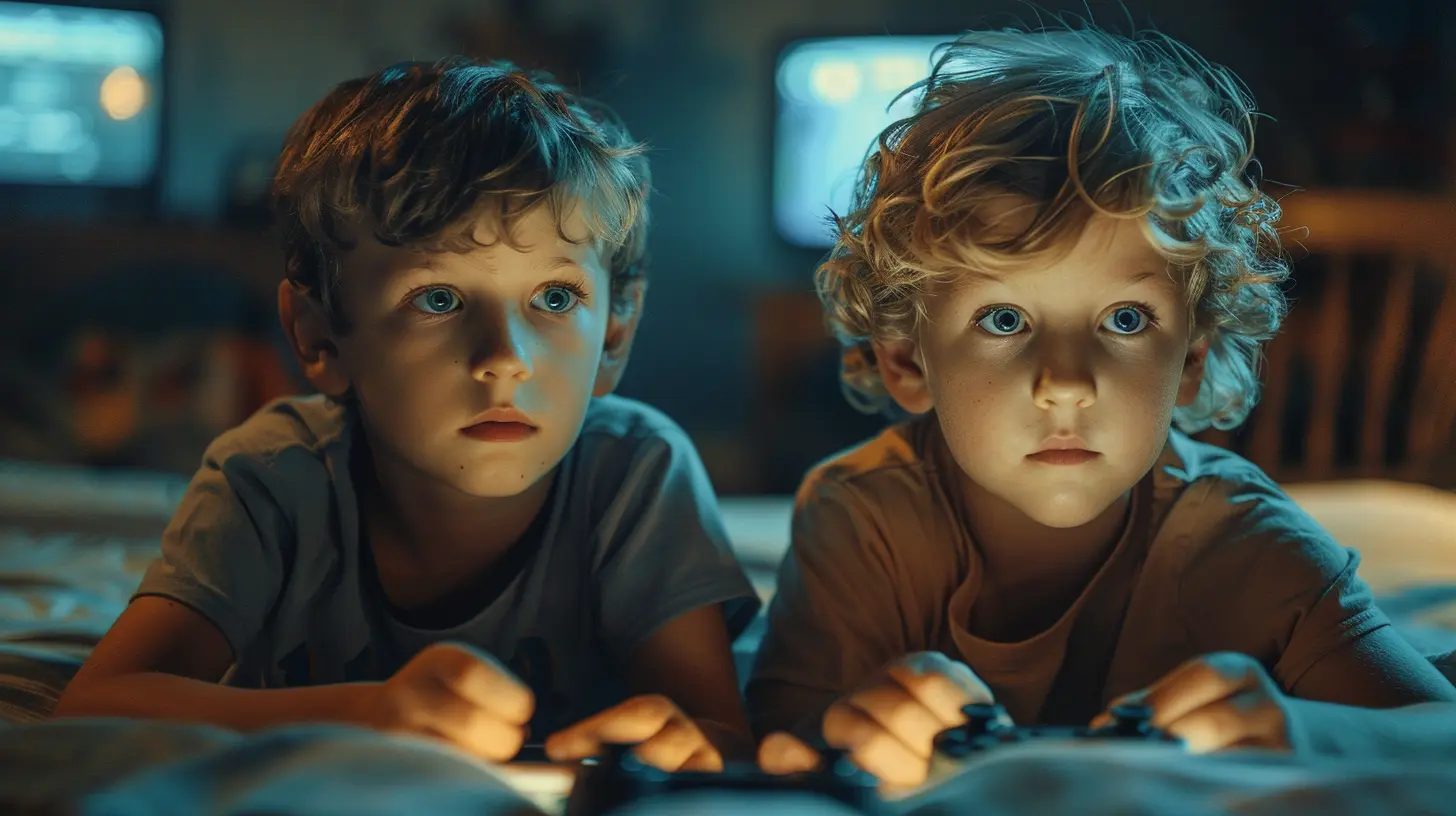
Parental Controls: A Patch, Not a Solution
Sure, parents can set spending limits and password-protect purchases. App stores are full of parental control features. But let’s be real — not everyone uses them, and not everyone knows they exist.Even when they’re in place, some kids find ways around them (yep, they’re clever). Or they simply beg until the parent gives in.
Blaming parents for every purchase ignores the root issue: games are built to be tempting on purpose. If a child manages to spend hundreds of dollars on virtual items, the problem isn’t just bad parenting — it’s that the system was designed to allow it in the first place.
Would we say the same about vending machines in schools charging $5 for water? Probably not.
Legal and Regulatory Grey Areas
The law is slowly catching up, but it’s complicated. In some countries, regulators have cracked down on loot boxes and in-game purchases targeted at minors. Others are still in debate.Some key discussions involve:
- Should loot boxes be classified as gambling?
- Should kids need parental approval for any in-game purchase?
- Should developers disclose odds of in-game rewards?
Until stronger global regulations are in place, it’s largely up to game companies to self-police — and let’s be honest, that doesn't always turn out well.
The Impact on Children’s Mental Health
Monetization isn’t just about money. It can take a toll on kids' mental health too.Think about it:
- FOMO (fear of missing out) is real when friends have premium skins or unlockables
- Addictive gameplay tied to spending can lead to compulsive behavior
- Frustration loops reinforce the urge to spend just to progress
- Social pressure builds when in-game status becomes tied to purchases
Kids may not realize what's happening, but they feel it. They’re growing up in digital playgrounds where self-worth can feel tied to what they can afford (or convince parents to buy).
Is that the kind of digital world we want to build?
Developers and Publishers: Responsibility vs. Revenue
Let’s not villainize every game developer out there. A lot of folks in the industry are just trying to make great experiences. But when revenue becomes the driving goal — especially when kids are the target — ethics can get blurry.Developers have a choice:
- Make quality games with transparent pricing
- Or chase profit at the expense of player wellbeing
Some do try to strike a balance, offering a fair mix of free content, optional purchases, and clear communication. But sadly, others go straight for the cash grab.
Wouldn’t it be better for companies to build long-term trust with families instead of exploiting young players for short-term gain?
What Ethical Monetization Looks Like
Okay, we’ve been pretty critical. But not all monetization is bad. There are ways to do it ethically — even in children’s games.Here’s what that can look like:
1. Transparent Pricing
Explain what things cost, using real money, not just in-game currency. No tricks.2. No Loot Boxes or Gambling Mechanics
Random chance reward systems have no place in kids’ games.3. One-Time Purchases or Subscriptions
Make it simple: pay once, or subscribe monthly. Parents know what to expect.4. Educational or Value-Based Content
If you’re going to charge, offer something meaningful — not just glittery fluff.5. Ads That Are Age-Appropriate and Non-Invasive
No sketchy ads. No clickbait. Keep it clean and safe.The Role of Game Rating Boards
Organizations like the ESRB and PEGI do a decent job rating game content for violence, language, and other age-related concerns. But when it comes to in-game purchases? It's still a gray area.A small "In-Game Purchases" label doesn’t tell parents much. How much can you spend? What are the purchase types? Is there gambling involved?
We need more clarity and stricter guidelines. Because a G-rated game loaded with microtransactions doesn’t feel very “G” to a lot of parents.
What Can Parents Do?
Until the industry makes meaningful changes, it’s partly up to parents to stay informed and involved.Some tips:
- Play the games yourself — even briefly. Get a feel for what your child is doing.
- Ask your child questions. What are they buying? Why do they want it?
- Set ground rules — or even budgets — for in-game purchases.
- Use parental controls but don’t just rely on them.
- Teach financial literacy at an early age. Kids are never too young to understand the value of money.
Where Do We Go From Here?
The ethics of monetizing games for children isn’t black and white. It lives in the gray — a messy, evolving place where profit, play, and parenting collide.But here’s the bottom line: kids deserve safe digital spaces. They should be able to play and imagine and explore without being constantly nudged toward a “buy” button.
And game developers? They have a unique opportunity. They can lead with integrity, build games that aren’t just fun — but fair. Games that parents can trust. Games that kids can love without strings attached.
It’s possible. And it’s worth it.
Final Thoughts
We all love games. They bring joy, creativity, and connection into our lives — especially for kids. But monetizing children’s play spaces requires serious responsibility. When handled carelessly, it can do more harm than good.At the end of the day, the question isn’t “Can we make money from kids’ games?” — it’s “Should we?” And if so, how do we do it in a way that respects, protects, and empowers young players?
Let’s aim for a future where games aren’t just profitable — they’re principled.
all images in this post were generated using AI tools
Category:
Game MonetizationAuthor:

Stephanie Abbott
Discussion
rate this article
1 comments
Matteo Monroe
Monetizing games aimed at children raises significant ethical concerns. We must prioritize their well-being over profit, ensuring that play remains fun and not exploitative.
June 10, 2026 at 3:15 AM
Stephanie Abbott
I completely agree. The focus should always be on creating a safe and enjoyable environment for kids, rather than just chasing profits. Their well-being should come first.