Success Stories from Classrooms Using Educational Games
9 July 2026
Let’s face it—traditional classrooms can sometimes feel like a maze of textbooks, lectures, and tests. But what if we told you that some teachers have found a magic portal out of that maze? Welcome to the amazing world of educational games! These aren't just fun distractions—they're transforming classrooms and changing the way students learn. Don’t believe it? Well, buckle up. We've gathered real success stories where games have made a jaw-dropping difference in students’ learning journeys.
Why Educational Games Matter: More Than Just Playtime
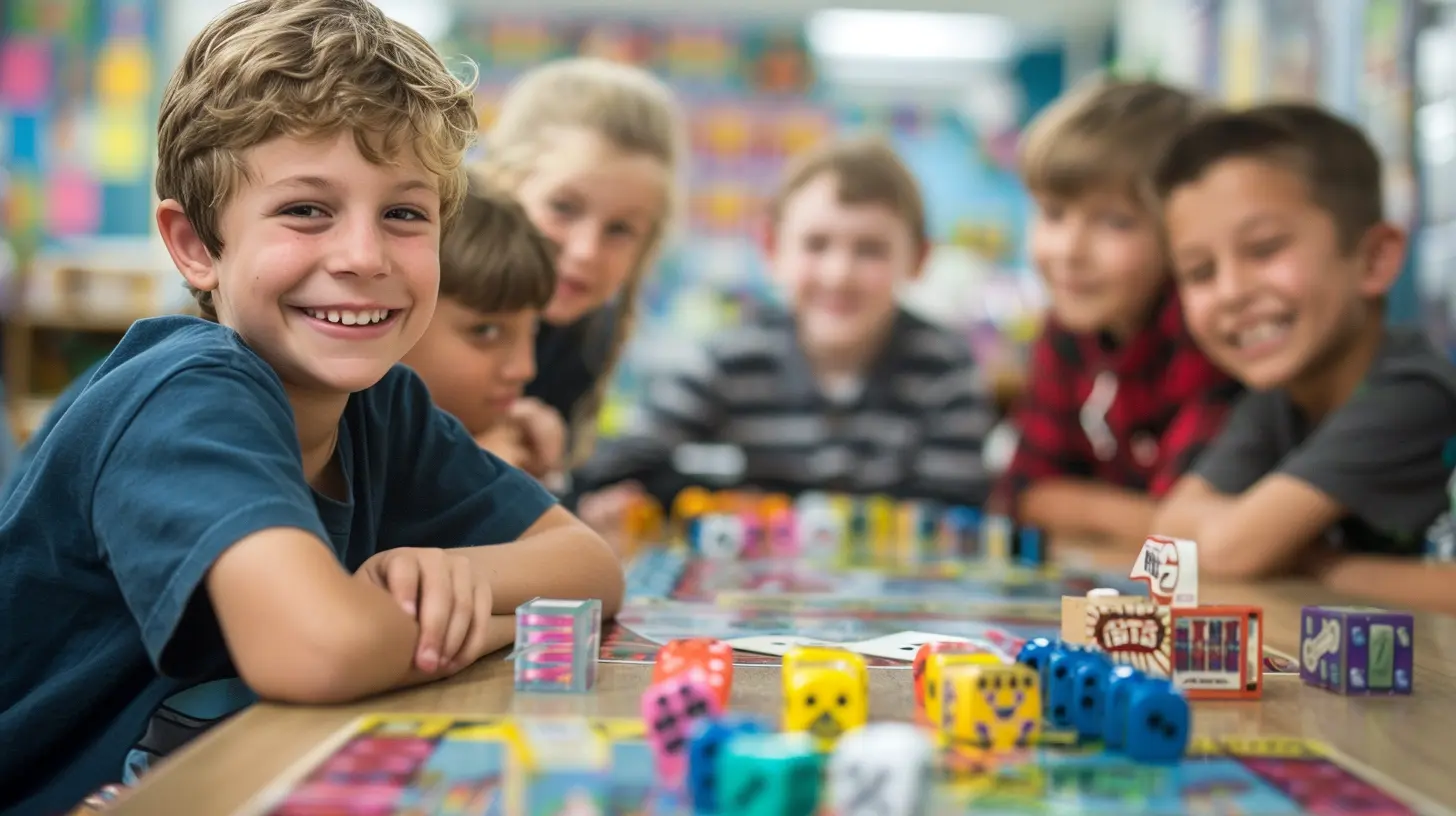
Games in the classroom? It might sound like a break from “real” learning, but that’s far from the truth. Educational games are designed with learning objectives in mind. They blend entertainment with skill-building in an incredibly engaging way. Whether it's math facts, spelling, history, or coding—there’s a game out there that makes learning irresistible.Think of educational games like a spoonful of sugar that helps the learning go down. They make dry topics juicy and keep students coming back for more. And get this—they don't just boost academic skills. These games also enhance critical thinking, collaboration, and even emotional resilience.
Classroom Turnarounds: Real-Life Tales of Transformation
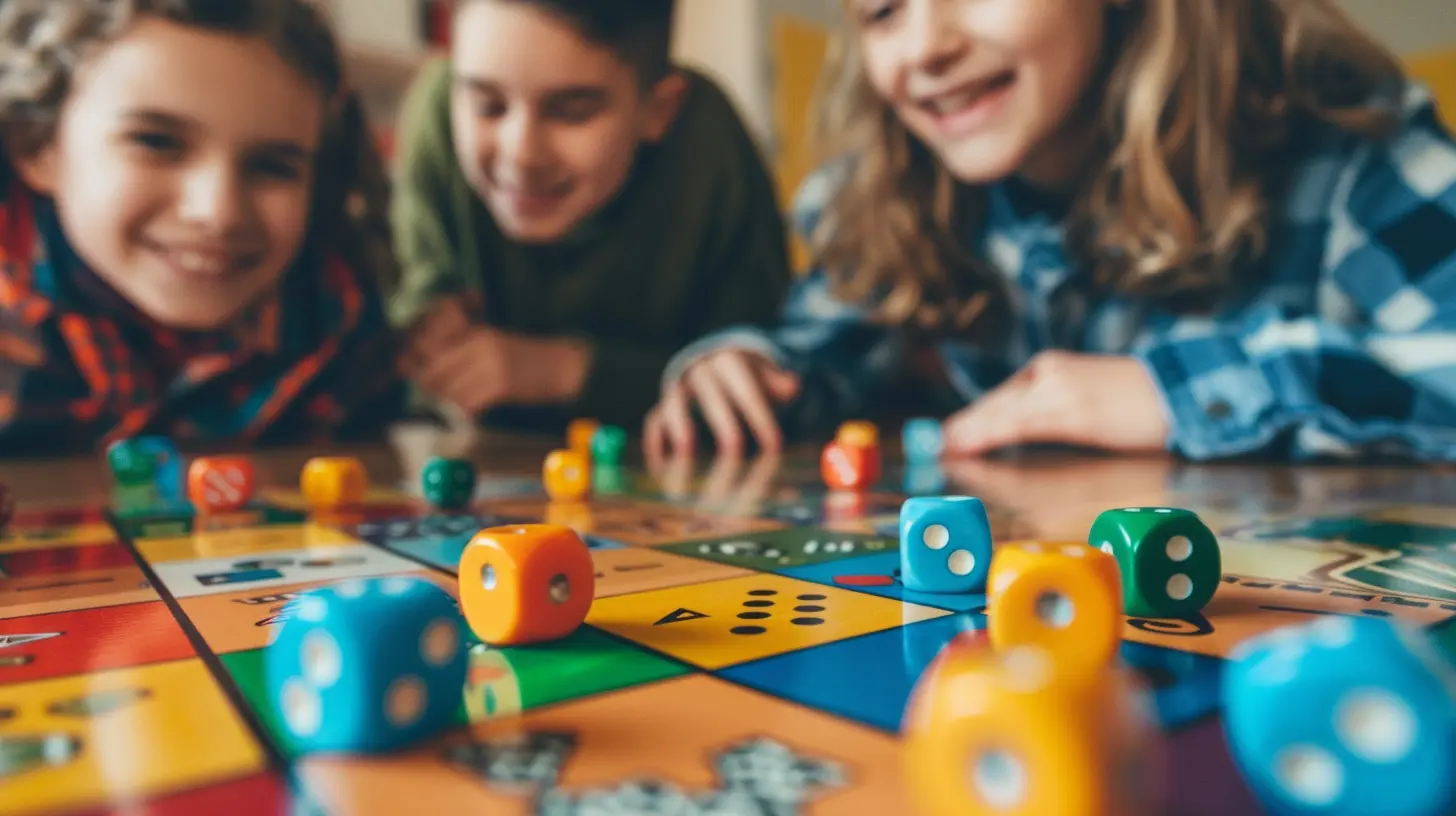
Let’s dive into some awesome stories straight from the classroom. Each one paints a picture of how educational games have helped turn “meh” students into motivated learners.1. Math Blocks to Math Wizards: The Minecraft Makeover
Remember when Minecraft was just about building imaginary worlds with pixel blocks? Well, smart teachers saw the potential and flipped it on its head. In a middle school in Washington State, a 6th-grade math teacher integrated Minecraft: Education Edition into the curriculum. The mission? Teach geometry and spatial reasoning.At first, the kids thought it was just playtime. But before long, they were calculating area, volume, and perimeter to build castles and theme parks. Student engagement skyrocketed. One student, who had previously failed every math test, became the class’s go-to design expert. His grades improved, but more importantly, so did his confidence.
2. Chemistry Goes Boom—in a Good Way
Science classes can sometimes feel like a jargon jungle. But in a high school in Texas, chemistry teacher Ms. Robinson used the game “ChemCaper” to change the narrative. In this fantasy RPG, players solve chemical puzzles and interact with molecules as characters.Students who barely passed their chemistry tests started actively participating in class. The game helped them visualize abstract concepts like ionic bonding and chemical reactions. By the end of the semester, test scores had jumped by 25%. But that wasn’t the only win—students were actually excited to come to class.
3. Literacy Levels Up with Word Games
Over in a rural school in North Carolina, reading levels were slipping. Enter "Freckle ELA"—a game-based learning platform tailored to each student's reading ability. One 5th grade teacher, Mr. Lewis, began a pilot program with his class.The result? Students who used to dread reading started challenging each other to beat high scores. They were reading more, writing better, and engaging with texts on a deeper level. In just three months, 80% of the class moved up at least one reading level. As Mr. Lewis put it, “It was like watching light bulbs go off across the room.”
4. Social Studies Gets a Makeover with Digital Role Play
History? Boring? Not anymore! Ms. Patel, a teacher in Chicago, used the game “Mission US” to bring historical events to life. Instead of reading dusty textbook paragraphs, students took on roles in pivotal moments in American history—immigrants arriving at Ellis Island, slaves seeking freedom, and more.Suddenly, students weren’t just memorizing dates. They were living history. They debated issues, solved problems, and even felt empathy for characters based on real people. One student wrote in her reflection journal, “I never thought I’d cry over a game. But now I understand how hard it was to make those choices.”
5. Gamifying Special Education
Educational games aren't one-size-fits-all—they’re also a blessing for special education classrooms. At a school in Florida, a teacher used “ABCmouse” and “Endless Alphabet” to work with students on the autism spectrum.The interactive and colorful formats helped non-verbal kids associate words with images. One little boy who hadn’t spoken in months began vocalizing letters and eventually forming simple words. The games gave him a sense of control and achievement that traditional methods hadn’t.
His mother later wrote a heartfelt thank-you note to the teacher: “You didn’t just teach my son letters—you gave him a voice.”
Key Benefits of Educational Games in the Classroom
Alright, now that we’ve heard these inspiring stories, let’s break down exactly why educational games are such game-changers in modern classrooms.They Ignite Engagement
No one likes boring lectures. Games instantly make learning interactive. Students aren’t just passive listeners—they’re active participants. The best part? They’re having so much fun, they forget they're learning.They Encourage Healthy Competition
Let’s be honest: a little friendly competition doesn’t hurt. Leaderboards, team challenges, and rewards can make students push themselves harder. Plus, it creates a buzz in the classroom that traditional teaching methods often lack.They Reinforce Learning Through Practice
Think of games as training grounds where students can make mistakes without fear. They get instant feedback, which helps them learn concepts faster and remember them longer. Repetition becomes enjoyable—like leveling up in a video game.They Support Personalized Learning
Many educational games adapt to each student’s skill level. This means no one gets left behind, and advanced students don’t get bored. It’s like having a custom tutor for every kid in the room.They Develop Soft Skills
Beyond academics, games help build collaboration, communication, and problem-solving. Group-based games teach teamwork and empathy—skills that are just as critical in the real world as solving equations.
Challenges Worth Mentioning
Now, no fairy tale is complete without a few dragons to slay. Integrating games into the classroom does come with its share of hurdles.- Tech Access: Not every school has enough devices for every student.
- Training: Teachers may need time and support to learn how to use games effectively.
- Screen Time: Too much of a good thing? Balance is key to avoid digital fatigue.
- Cost: Some high-quality platforms require paid licenses, which might be a stretch for tight school budgets.
But here’s the silver lining—many of these challenges are being addressed with grants, free platforms, and professional development programs.
Tips for Teachers Wanting to Dive In
If you’re a teacher intrigued by these success stories, here’s how you can get started.- Start small. Try one game in one lesson.
- Choose games that align with your curriculum.
- Set clear learning goals before play.
- Debrief after gaming sessions to connect the dots.
- Involve students in choosing games—they’ll love the ownership.
There are tons of free and affordable games out there, from “Kahoot!” for quizzes to “Prodigy” for math battles and “Duolingo” for foreign languages. Find what excites your students and run with it!
What’s Next for Game-Based Learning?
The future of educational games is as bright as a fire flower in Mario Kart. With advances in AI, VR, and adaptive learning, we’re on the cusp of a new era in education. Imagine students exploring the solar system in virtual space suits or learning French through interactive storytelling.As more success stories pour in, it’s becoming clear: educational games aren’t just a passing trend—they’re a revolution in learning.
Final Thoughts
Games in the classroom? It’s not just about fun. It’s about creating powerful learning moments that stick. These success stories prove that educational games can unlock potential, spark curiosity, and build lifelong learners.So, whether you're a teacher looking for fresh ideas, a parent wanting to support your child, or just someone curious about the future of education—there’s one thing we know for sure: the classroom is changing, and games are leading the charge.
all images in this post were generated using AI tools
Category:
Educational GamesAuthor:

Stephanie Abbott