Retro-Inspired Titles See Resurgence in Popularity
1 May 2026
Gaming has come full circle. Remember those pixel-heavy platformers, chiptune soundtracks, and side-scrolling beat 'em ups you used to play for hours on that creaky old console? Yeah, those retro-style titles are back—and they’re bigger (and cooler) than ever.
These aren’t just dusty reboots resurrected from the vault. We’re talking about an entire movement of modern games inspired heavily by the aesthetics, mechanics, and simplicity of old-school games. And guess what? Gamers can’t get enough of them.
Let’s dive into why retro-inspired titles are dominating the indie scene, how they’ve captured our nostalgic hearts, and what makes them so irresistible in today’s ultra-modern gaming world.
What Exactly Are Retro-Inspired Games?
Retro-inspired games aren’t limited to just pixel art or MIDI soundtracks. They’re an homage to the entire experience of gaming from the '70s, '80s, and '90s—a time when gameplay was king, bugs were part of the charm, and cheat codes were your best friends.These games borrow the style, tone, and mechanics of classic games but infuse them with modern twists. Some mimic the 8-bit and 16-bit visuals almost flawlessly. Others blend retro aesthetics with today’s game design sensibilities—giving us a best-of-both-worlds experience.
The Nostalgia Factor — Why We Crave the Past
Let’s be honest here: nostalgia is a powerful force.When you boot up a retro-looking game, it yanks you right back to simpler days—curled up on the couch with a controller in hand, blowing on cartridges (because we all believed that totally fixed stuff, right?), and losing hours to a game that was pure challenge and charm.
Retro-inspired games tap into that deep well of emotion. They take us back while still feeling fresh, making them perfect playgrounds for older gamers AND newcomers alike.
So why are these retro-style games so popular now? You guessed it—because they make us feel. And in today’s fast-paced, hyperrealistic world, that emotional connection is pure gold.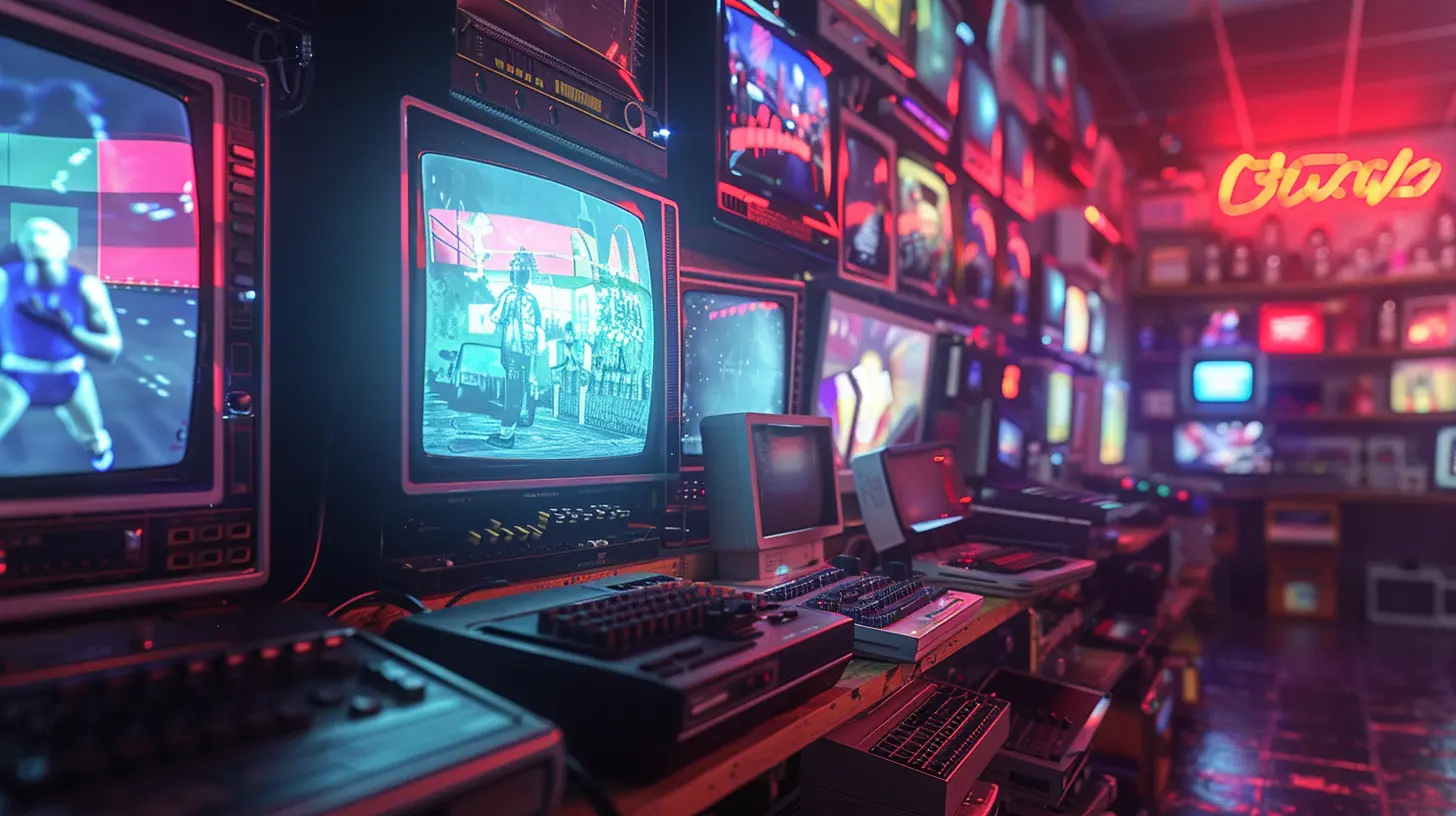
Modern Tech, Old-School Vibes: The Best of Both Worlds
Imagine playing a game that LOOKS like it came out in 1993 but FEELS smoother than butter. That’s exactly what developers are doing right now.Today’s retro-inspired titles often blend nostalgic visuals with modern-day tech, implementing crisp animations, low-latency input, realistic physics, and intuitive interfaces. You’re not wrestling with old controls—you’re breezing through polished mechanics in pixel-perfect art.
It’s like putting a turbo engine in a vintage car. It looks the same, sure—but once you take off? It’s a whole different ride.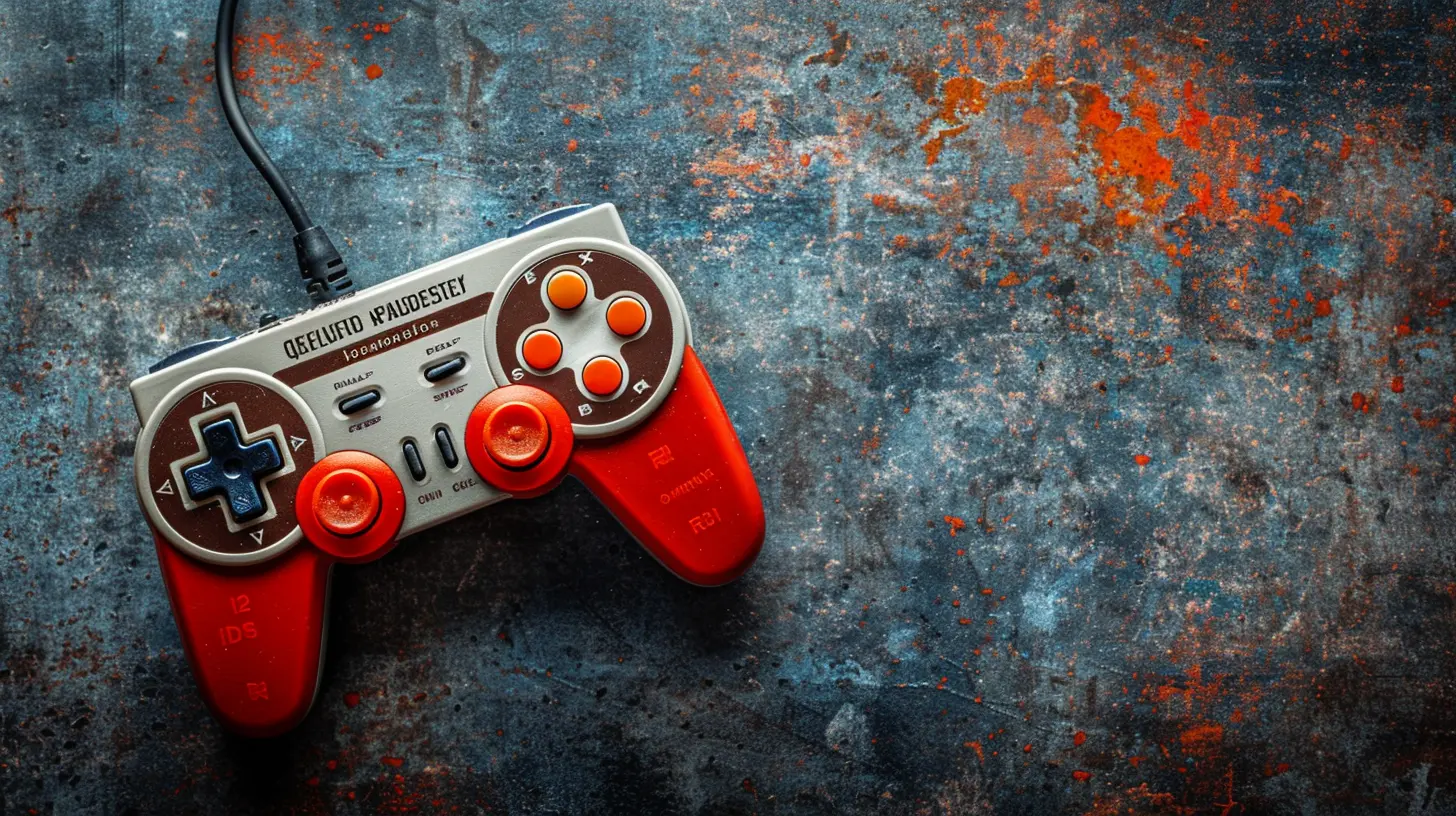
The Indie Game Boom: Retro Aesthetics Go Mainstream
One major reason for the retro revival? The indie game scene.Indie devs don’t have sprawling budgets or massive teams like AAA studios. So they get creative—and retro art styles are a perfect fit. They’re visually striking, cost-effective, and packed with personality. This has led to a flood of genuinely unique, charming games that feel like gems from a forgotten golden age.
Think about hits like:
- Shovel Knight – A love letter to the NES era with tight platforming and epic boss fights.
- Celeste – A tough-as-nails platformer with pixel art that hides deep emotional storytelling.
- Undertale – That quirky little RPG that redefined what a game could be—with 8-bit graphics and all.
These aren’t just successful games. They’re cultural phenomena—proving that you don’t need 4K graphics or billion-dollar budgets to make a masterpiece.
Why Retro Still Feels So Fresh
Strangely enough, in a world where games are trying to be hyper-realistic and cinematic, retro games feel...new. Why?Because retro-inspired games often focus on core gameplay loops, creative storytelling, and emotional resonance. In a way, they’re purer. They strip away the fluff and bring gameplay back to its roots—fun, challenge, creativity.
They’re also incredibly accessible. You don’t need a beastly gaming rig to run them. Your old laptop or Switch can handle most with ease. This low barrier to entry only fuels their popularity.
Visual Simplicity, Artistic Power
You know that old saying, “less is more?” Retro games are the proof.Pixel art might look simple, but it takes serious skill to make it pop. Every square matters. Colors, animations, even walk cycles have to be memorable in just a few frames.
The limitations of pixel art actually spark creativity. It forces developers to focus on expression and fun rather than just visual polish. The result? Games with tons of character and style.
Sound That Sticks With You
What would Mario be without that iconic jump sound? Or Tetris without its hypnotic little theme?Retro-inspired games are bringing back the joy of catchy, memorable soundtracks. Chiptune music especially has seen a rebirth—composers spinning out full albums of retro game-inspired bangers that stick in your head for days.
It’s not just about nostalgia. The lo-fi, bleep-bloop soundscape contrasts beautifully with today’s overly cinematic scores. Sometimes, a simple catchy beat does more than a 60-piece orchestra.
Community and Modding: A Retro Culture Reborn
Back in the day, gaming was social—just not online. You sat next to buddies on the couch. You passed the controller after every level. You shared tips in person or flipped through packed guides.Retro-style games are reviving that spirit—with tons of community-created mods, speedruns, and fan theories. Many of these games thrive on word-of-mouth and passionate fanbases. Creating, sharing, modding—it’s all part of the culture.
Need proof? Look at the speedrunning community. Retro-inspired games are perfect candidates, offering tight control and rewarding mastery. They turn gaming into performance art.
Retro With a Message: Storytelling Evolves
Let’s not forget storytelling. Many retro games leaned heavily on gameplay but skimped on plot. That’s changed.Today’s retro-inspired titles often pack emotional punches, with deeper narratives and character development than you’d expect from something that looks 30 years old.
Take Hyper Light Drifter, for example. It’s cryptic, poignant, and haunting—all wrapped in a 16-bit shell. You don’t just play it. You feel it.
Retro visuals no longer mean shallow stories. If anything, they force developers to be smarter about how they deliver emotion—through gameplay cues, music, and subtle design.
Big Studios Are Taking Notes
It’s not just indie devs getting in on the retro action. Big names are watching and adapting.Capcom approached this with Mega Man 11, maintaining the series’ 2D roots while giving it a modern facelift. SEGA re-released Sonic Mania—a title made in part by fans using retro assets—and it was a massive hit.
And those NES and SNES classic mini consoles? They sold like hotcakes.
Retro sells. Big-time.
The Future of Retro-Inspired Gaming
So where does it all go from here?Honestly, it’s looking bright. The retro-inspired genre has matured into more than just a fad. It’s a legitimate style—one that’s evolving with each new release.
We’re seeing a fusion of genres, art styles, and storytelling methods. Some are blending 2D with 3D. Others are experimenting with new mechanics while keeping the retro soul intact.
And with tools like Unity and GameMaker making development more accessible, we’re bound to see even more creative retro-inspired gems in the coming years.
Why You Should Totally Get Into Retro-Inspired Games
If you’ve written off pixel art as “old stuff,” now’s the time to reconsider.Retro-inspired games offer something unique: a trip back in time, but without the clunky controls and ugly CRT TVs. They're challenging, charming, and crafted with care.
Whether you're a gamer who grew up stomping Goombas or someone who just loves tight gameplay and clever design, the retro revival has something for you.
It’s not about living in the past—it’s about carrying its spirit forward in a world that desperately needs a little more heart.
Final Thoughts
Retro-inspired titles are more than a trend—they’re a movement. They’re spicing up the industry with creativity, emotion, and good old-fashioned fun that’s sometimes missing in modern blockbusters.So next time you scroll past a pixel-art game on Steam or the eShop, don’t judge it by its resolution. That little retro gem might just blow your mind.
Time to plug in your controller and go back to the future.
all images in this post were generated using AI tools
Category:
Gaming News UpdatesAuthor:

Stephanie Abbott
Discussion
rate this article
2 comments
Presley McGillivray
Nostalgia fuels creativity, reminding us that great gameplay transcends time. Retro titles bring back joy and simple fun.
June 5, 2026 at 3:21 PM
Stephanie Abbott
Absolutely! Retro titles tap into that joy, proving that simple mechanics and memorable experiences never fade.
Fable Lopez
Great insights on the resurgence of retro-inspired games. It's fascinating to see how developers are blending nostalgia with modern gameplay. This trend not only honors classic titles but also introduces them to a new generation of players.
May 6, 2026 at 4:45 PM
Stephanie Abbott
Thanks for your thoughtful comment! It is exciting to see how developers are merging nostalgia with fresh gameplay experiences. This blend really does bridge the gap between generations.