Lead Designer Leaves Studio After Blockbuster Launch
27 June 2026
Picture this: your game just hit the jackpot. Critics are raving, fans are hooked, and the internet is buzzing. Everything seems perfect… and then boom — the lead designer announces they're leaving the studio. Sounds like a plot twist, right? But this is exactly what happened recently in the gaming world.
A major studio just dropped one of the most successful AAA titles of the year. Gamers couldn’t get enough. From flawless mechanics to immersive storytelling, it checked all the right boxes. But in a surprising turn of events, the visionary behind it all decided to step away.
Let’s unpack what just happened, what it means for the future of the studio, and how this shift could ripple through the rest of the industry.
The Studio’s Unforgettable Blockbuster Launch
First things first — let’s talk about the game. We're talking record-breaking sales, glowing reviews, and a community that’s still buzzing weeks post-launch. This wasn’t just another shooter or fantasy RPG. It was one of those rare titles that redefines what’s possible in gaming.From stunning visuals powered by next-gen tech to mind-bending level design, this game was a labor of love. And at the heart of it all? The lead designer — the person who turned scribbles on a whiteboard into the adventure of a lifetime.
So, why would someone walk away after such a high point?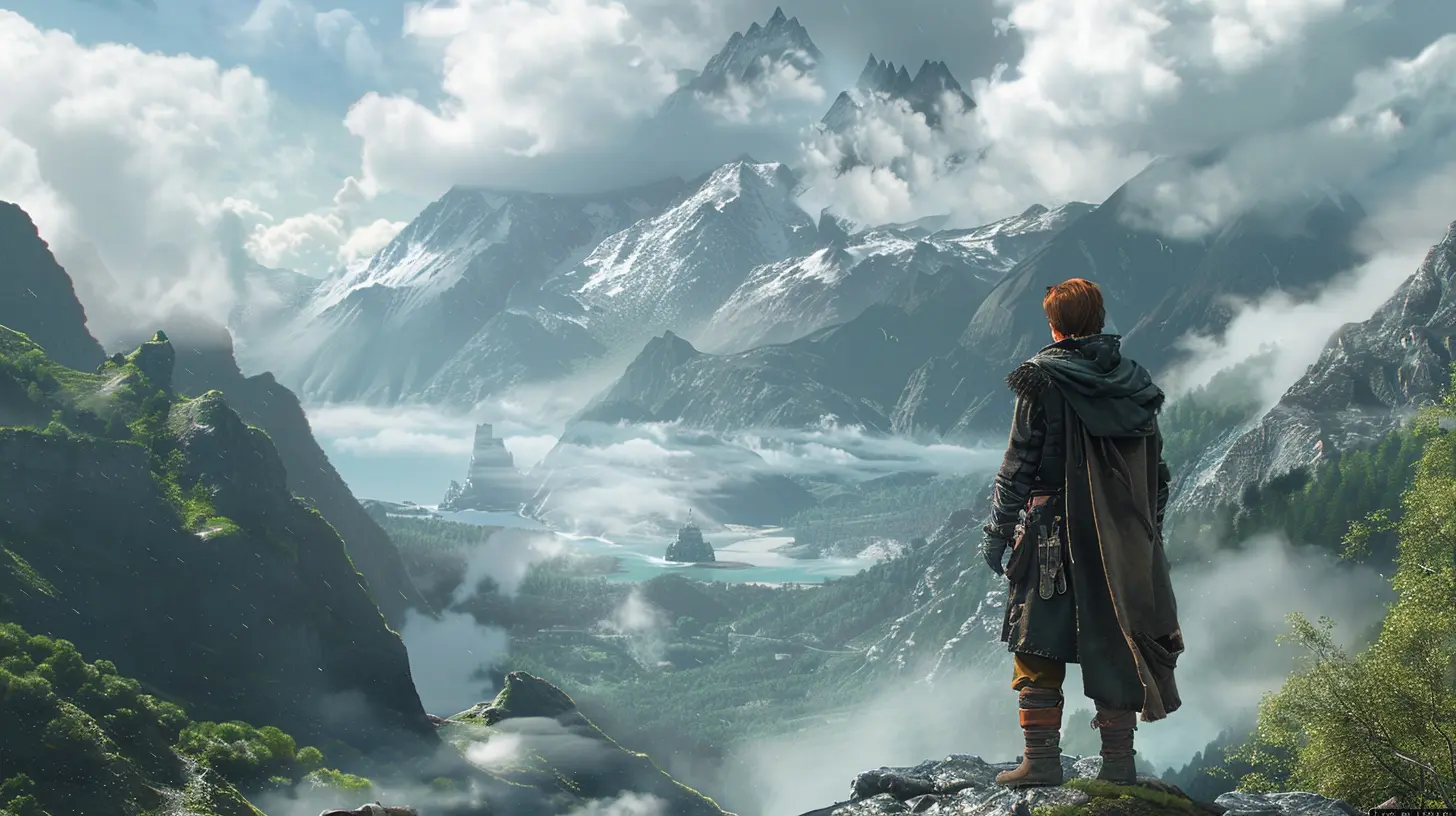
Why Do Talented Creators Leave After Success?
It’s easy to assume success means happiness. But in creative industries, that's not always the case. Just like rockstars sometimes leave bands at their peak, top game designers often feel the itch to explore new creative territories.Sometimes, it's burnout. Crunch time, pressure from publishers, and the creative toll of chasing perfection? It adds up. Other times, it’s about new dreams — chasing a personal project, starting an indie studio, or even stepping away from dev life altogether.
This particular designer has been with the studio for years. They contributed to multiple bestsellers and were seen as the creative compass of the team. So yes, their departure is a big deal — both emotionally and strategically.
What This Means for the Studio
Losing a lead designer right after a big win can feel like losing a quarterback after a championship. Everyone’s wondering what’s next. Will the next update suffer? Can the sequel live up to expectations? Who’s going to take the reins?Let’s be real: studios are built by teams, not just individuals. But that one visionary often sets the tone for everything — from gameplay mechanics to world-building to player experience.
In this case, the studio released a statement thanking the designer for their years of work and wishing them well. Classic PR, right? But reading between the lines, you can sense the studio’s at a crossroads.
Do they try to replicate the magic formula that worked? Or do they pivot with new leads bringing fresh ideas? It’s a tough balancing act.
The Fan Reaction: Emotional, But Hopeful
Gamers aren’t just consumers — they’re passionate, loyal, and deeply invested. When news of the departure hit, forums, Reddit threads, and Twitter exploded. Some fans were heartbroken. Others were curious. And a few celebrated the idea of fresh blood leading the next chapter.You’ll see a mix of:
- “This game was a masterpiece thanks to them.”
- “Hope they make something even better on their own.”
- “I trust the studio, they’ll handle it.”
This emotional cocktail shows just how much connection fans feel to the people behind the games. It’s not just about code and pixels — it’s about the human touch.
Can Lightning Strike Twice?
So here’s the million-dollar question: can the studio repeat its success without the same leadership?Honestly, it’s possible. Think of it like a band losing its frontman. Some bands crumble. Others find a new sound and soar even higher. It depends on the team, the vision, and the willingness to evolve.
Studios don’t usually spill tea about inner changes, but insiders say the rest of the dev team remains strong. Some senior developers, who’ve worked alongside the lead designer for years, are stepping into broader roles. That’s actually a good sign — it means continuity but also room for fresh directions.
Plus, some fans argue that change can be good. New minds mean new ideas. And let’s face it, even the best formulas eventually get stale.
A Trend We’ve Seen Before
This isn’t the first time a game dev rockstar has packed their bags after a blockbuster.Remember when Hideo Kojima walked away from Konami after Metal Gear Solid V? Or when Amy Hennig parted ways with Naughty Dog post-Uncharted? These departures shook fans, sure. But they also opened doors to iconic new projects like Death Stranding or the Star Wars: Jedi series.
The gaming world is full of reshuffles like this. Creative people need space to grow, to experiment, and sometimes — to fail before they fly again.
If history teaches us anything, it’s that today’s headline-maker might be tomorrow’s indie legend.
The Possibility of an Indie Dream
Now here's where things get juicy.Rumors are already flying about the designer launching their own indie studio. If that’s true, we might be witnessing the birth of something truly special.
Think about it — no more constraints from big publishers, no more corporate steering wheels. Just pure, unrestrained creativity.
It’s like when a chef leaves a five-star kitchen to open their own little food truck. Risky? Sure. But also real. Authentic. And often groundbreaking.
If this designer goes indie, expect a deeply personal, possibly genre-bending project in the next couple of years.
A Tipping Point for the Industry?
Zooming out, this move reflects something larger happening in the games industry.Talented devs are gaining more visibility and independence. As creative roles become more recognized (and fans follow individual creators), the old "studio-first" identity is shifting.
We're entering an era where names matter. Fans no longer just say “I trust Studio X,” they say “I’ll play anything by Designer Y.”
That’s powerful. It means game development is becoming more like film or music — where directors and composers have their own fans.
This shift could lead to more small studios, more experimental games, and a lot more variety in what gets greenlit.
What Should Fans Watch For Next?
If you’re a fan of the blockbuster that just launched, here’s what to pay attention to:1. Studio announcements: Who picks up the lead role moving forward? Are they promoting from within or hiring fresh talent?
2. Future updates/DLCs: The team’s first release without the original designer will say a lot about how well they're adapting.
3. Designer’s next move: Whether they go indie, join another studio, or take an extended break — keep your eyes peeled.
4. Fan community vibes: Watch how the general sentiment evolves. If fans stay engaged and hopeful, the transition will be smoother.
Final Thoughts
At the end of the day, this kind of story reminds us that behind every great game is a team of real people — with dreams, limits, and ambitions of their own.Losing a lead designer after a hit game feels like a cliffhanger. But it could also be the start of an even more exciting expansion pack — not just for the studio, but for the designer and for players, too.
So buckle up. The credits may have rolled on this chapter, but the sequel? It’s already loading.
all images in this post were generated using AI tools
Category:
Gaming News UpdatesAuthor:
Stephanie Abbott
Discussion
rate this article
1 comments
Paul Moses
Change can spark new ideas; best of luck to the designer.
June 29, 2026 at 3:11 PM
Stephanie Abbott
Thanks for your support! Exciting times ahead for the team.