How Teachers Are Integrating Games into Lesson Plans
18 August 2026
Let’s be honest—traditional teaching methods don’t cut it anymore. In a world where kids are born swiping on smartphones and searching YouTube before they can read, keeping their attention in the classroom has become quite the uphill climb. That’s where games come in. The world of education has been getting a serious glow-up, and teachers are tapping into the power of play to supercharge engagement and boost learning like never before.
So, how exactly are teachers weaving games into their lesson plans like magic threads? Let’s break it down and dig into the real-life practices that are turning classrooms into vibrant, interactive learning zones.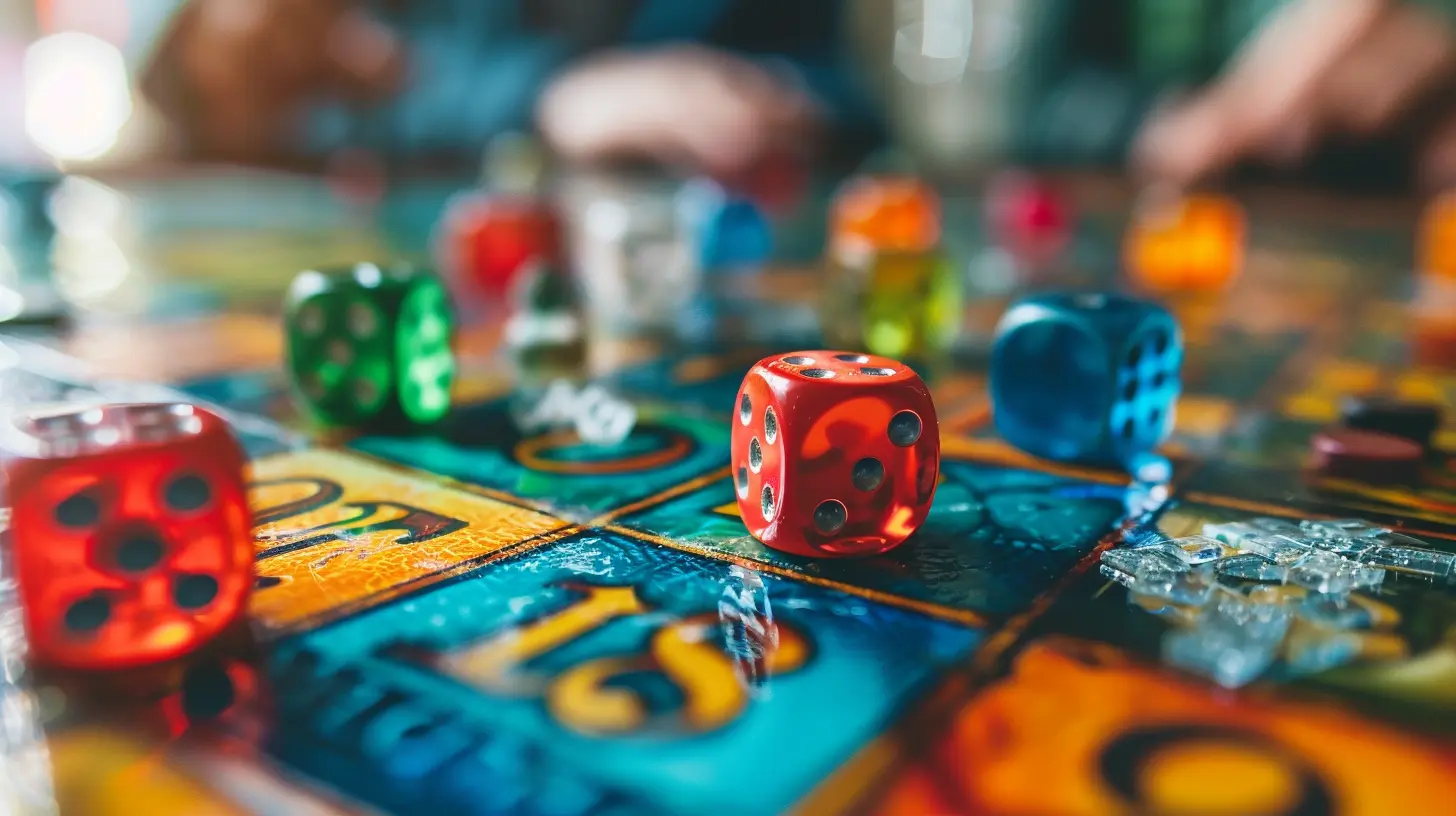
Why Games? The Magic Behind the Method
Before we dive into the how, let’s talk about the why.Remember how you could sit for hours playing your favorite game without even realizing time was flying? That’s because games tap into something powerful—motivation. And when it comes to learning, that’s the secret sauce.
Games naturally involve experimentation, failure (and learning from that failure), rewards, and progress—all the stuff effective learning is made of. By integrating games into lesson plans, teachers are meeting students where they are and speaking their language.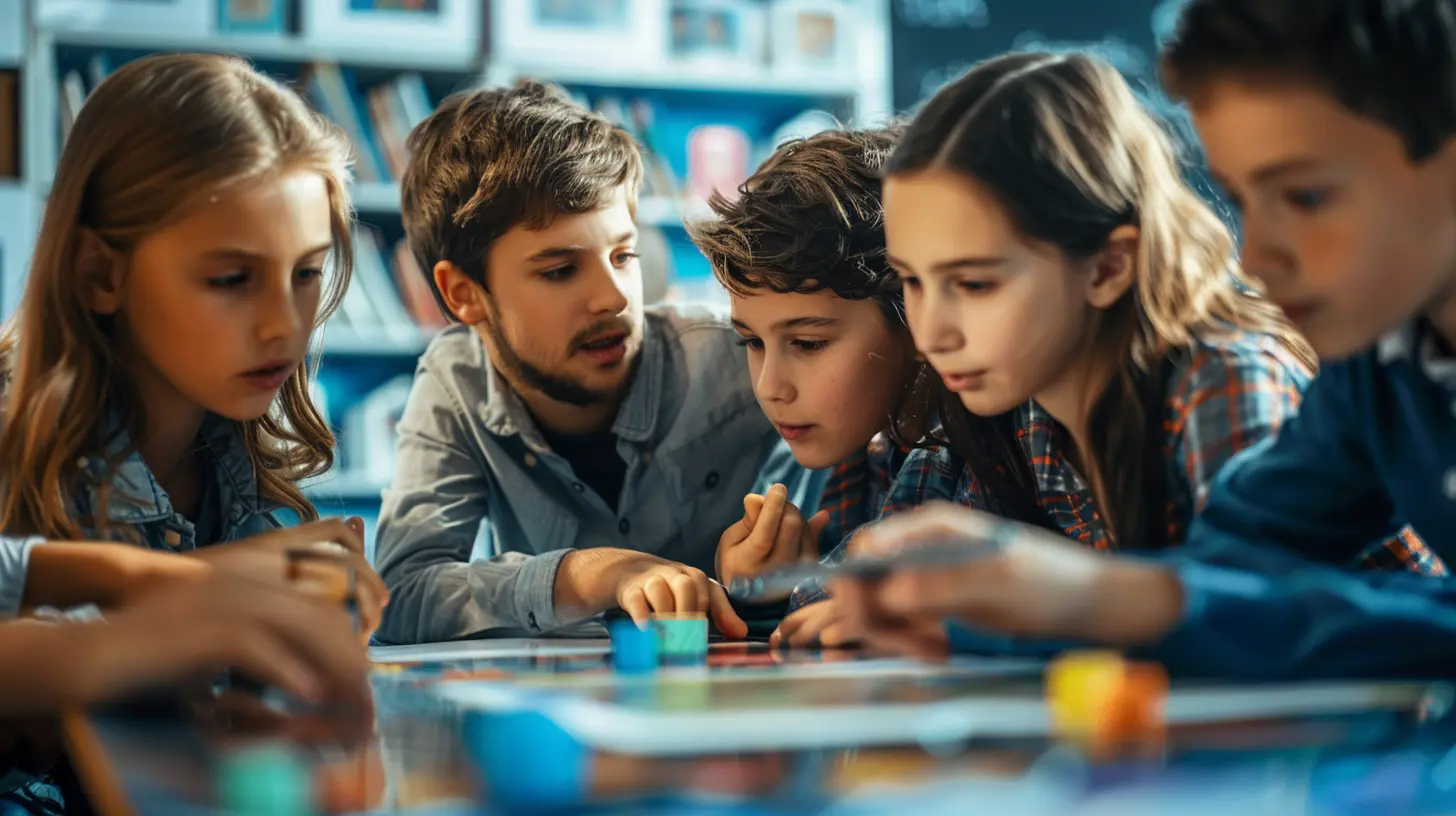
The New Era of Classroom Engagement
Let’s face it. The old “sit-still-and-listen” model is fading. Today's students crave interaction, challenges, and fun—and who can blame them? Teachers have realized that by gamifying lessons, they aren’t just keeping students entertained—they’re improving focus, increasing participation, and reinforcing concepts in a way that sticks.And no, this isn’t just about “playing games” for the sake of fun. It's about intentional, purposeful integration that aligns with learning goals and curriculum standards.
Game-Based Learning vs. Gamification: What’s the Difference?
Here’s where things can get a little fuzzy, so let’s clear this up.- Game-Based Learning refers to using actual games as the teaching tool. Think of a history teacher using a strategy game that simulates ancient civilizations to demonstrate how empires rise and fall. The game itself is the lesson.
- Gamification, on the other hand, means adding game-like elements—like points, levels, badges, and leaderboards—to the learning process. You're not playing an actual game, but the learning experience feels like one.
Both are powerful in their own right, and many teachers use a clever blend of both methods.
Real Classrooms, Real Strategies
Okay, enough theory. Let’s talk about how teachers are actually pulling this off day-to-day.1. Using Digital Games to Teach Core Subjects
Ever heard of Prodigy? It’s this math game that feels more like Pokémon than a math test. Students solve math problems to cast spells and win battles. Teachers love it because it aligns with curriculum standards and tracks progress automatically.Language arts teachers are tapping into games like “Writer’s Blocks,” where storytelling adventures require students to build plotlines, develop characters, and master grammar without realizing they’re doing schoolwork.
Science and history classrooms are exploring simulations like Minecraft: Education Edition, where students explore ecosystems, recreate historical events, or build renewable energy systems. It’s like turning Minecraft into a virtual field trip.
2. Gamifying Daily Routines
Even without fancy tech, teachers are gamifying everyday classroom tasks. For example:- Turning spelling bees into “Word Battles”
- Running math relays with point rewards
- Creating classroom RPGs where students earn XP for completing assignments or helping peers
These little tweaks make a big difference. Students go from passive participants to active players in their learning journey.
3. Running Escape Rooms and Quests
One of the coolest trends in classrooms? Educational escape rooms. Teachers design a series of puzzles and clues rooted in curriculum content. Whether it’s solving math riddles to “unlock” a treasure chest or answering science trivia to escape a digital dungeon, students work together, think critically, and actually want to complete their assignments.Some teachers go full adventure mode, creating year-long quests. Think classroom-as-a-video-game. Each assessment adds points, pieces of a map, or items needed to complete a grand mission. Motivation skyrockets when every quiz isn't just a grade—it's a chance to level up.
Making It Work: Tools Teachers Use
Thanks to a surge in edtech tools, it's never been easier to blend games with education. Here are a few teacher favorites:- Kahoot! – A quiz-based platform where students compete in real-time. Great for test prep and review.
- Quizizz – Similar to Kahoot! but self-paced and with memes (yes, memes).
- Blooket – A mash-up of quiz games with modes like battle royale and tower defense.
- Classcraft – Turns classroom behavior into an RPG where students earn points for good deeds and lose health for missing homework.
- Flip (formerly Flipgrid) – Encourages video-based responses where students can “challenge” classmates or participate in creative prompts.
Each tool adds another layer of interactivity to lessons, making learning something students look forward to.
Addressing the Naysayers: Do Games Really Work?
Sure, there are skeptics. Some worry games are just distractions, or that they won’t prepare students for "the real world."But here’s the thing—the real world is changing. Tomorrow’s jobs will demand creativity, collaboration, adaptability, and digital fluency. Games build all of this. Plus, when used with intention, they reinforce academic skills and boost motivation.
Studies back it up, too. Game-based learning has been shown to improve problem-solving, increase test scores, and reduce classroom behavior issues. It’s not fluff—it’s a strategy with real results.
Challenges Teachers Face (and How They Handle Them)
Let’s keep it real—it’s not all rainbows and instant engagement. There are hurdles.- Time: Designing fun, educational games can be time-consuming. Solution? Many teachers use pre-made platforms or adapt games quickly with templates.
- Tech access: Not every school has iPads for every student. That’s where low-tech options—like board games, role-playing, or handmade cards—come in.
- Distraction risk: Some students may focus more on “winning” than learning. But skilled teachers keep the learning goals front and center and design games to strike a balance.
Like any method, gaming in the classroom takes planning and reflection. But most teachers agree—it’s worth it.
Beyond the Screen: Real-World Learning Through Play
Not all educational games live on screens!Teachers are bringing in:
- Board games like Scrabble, Boggle, or Settlers of Catan to build vocabulary, strategy, and social skills.
- Card games to reinforce math and memory.
- Physical movement games, like vocabulary “charades” or math scavenger hunts.
These off-screen games are perfect for brain breaks or reinforcing concepts in a new way. Plus, they build community and get kids talking, thinking, and laughing together.
A Word from the Teachers: Why It Matters
Talk to teachers using games, and you’ll hear the same thing again and again: the joy is back. Joy for them. Joy for the students. Classrooms feel alive again.Middle school teacher Ms. Jensen says, “It’s like I’ve reconnected with my students as learners. They’re not afraid to try, to fail, to ask questions—because games make it safe to do that.”
Or Mr. Torres, a 5th-grade teacher: “When I gamify my lessons, I see every student engaged—especially the ones who used to zone out. It levels the playing field.”
That’s what makes this shift so powerful. It’s not just about tech or trends. It’s about engagement, equity, and rekindling a love of learning in both students and teachers.
Looking Ahead: What’s Next for Games in Education?
The future's looking bright—and interactive.In the coming years, we’ll likely see:
- More immersive experiences with VR and AR classrooms
- AI-driven adaptive games that personalize learning paths
- Student-designed games that flip the script and let learners create their own educational experiences
As education evolves, games will be more than a classroom trend—they’ll be a core strategy for helping students reach their full potential.
Final Thoughts: Play is Powerful
Here’s the truth: Integrating games into lesson plans isn’t about replacing traditional learning—it’s about enhancing it. It’s about giving students the chance to play their way into deeper understanding.Teachers around the world are proving that when you combine curiosity, technology, and a bit of creativity, classrooms can become places of wonder and excitement again. And honestly? That’s the kind of world we all want to learn in.
Whether it’s a digital quest, a classroom leaderboard, or a simple paper-based challenge, games are changing the game in education—and the winners are our students.
all images in this post were generated using AI tools
Category:
Educational GamesAuthor:

Stephanie Abbott