How Puzzle Games Connect People Across the World
9 December 2025
Let’s be real—when was the last time you got hooked on a puzzle game and couldn’t put it down? Maybe it was a classic like Sudoku or a brain-busting mobile game like Monument Valley. Or maybe you spent hours competing with friends in Tetris 99. Whatever the case, puzzle games have a magical way of pulling us in. But here’s the cool part—they also bring people together, no matter where in the world they are.
In a world where everyone is always online but somehow still disconnected, puzzle games act like a kind of universal glue. Yeah, they challenge our brains, but they also build bridges across continents. Crazy, right?
Let’s dive deep into how puzzle games have quietly become a global thread weaving people together across cultures, languages, and time zones.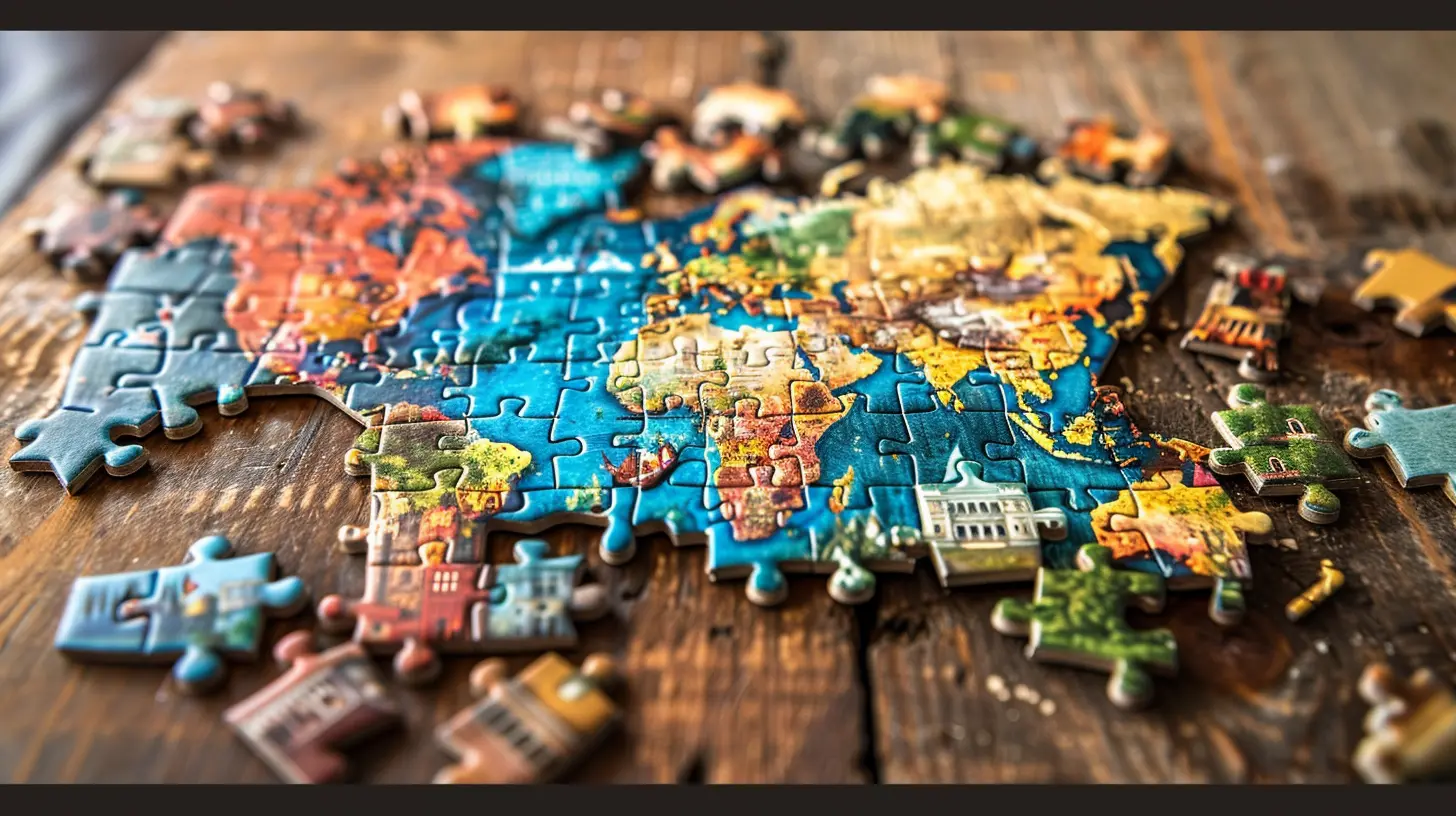
The Universal Language of Puzzles
Here’s the thing about puzzles: they don’t need words. A well-designed puzzle game speaks in colors, shapes, logic, and patterns. That’s why someone in Tokyo can enjoy the same game as someone in Toronto without needing a translation. There’s no reading between the lines—just problem-solving.Think about games like Tetris, Candy Crush, or The Room series. These games don’t rely heavily on language, yet they’ve attracted millions of players globally. It’s like math or music—it just makes sense.
You don’t need to explain why fitting pieces into place is satisfying. It just is. That shared experience creates a sense of connection, even without talking.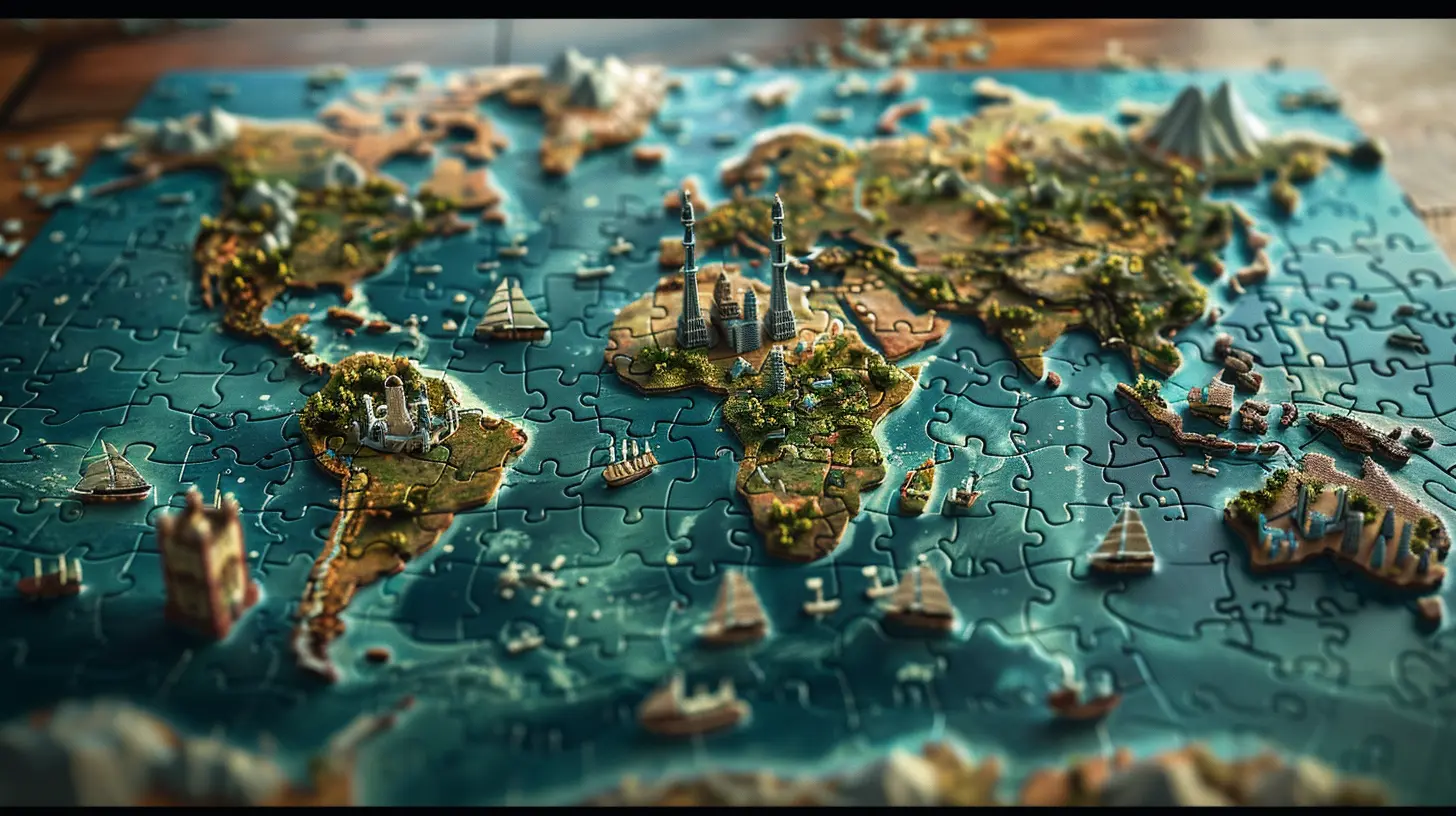
Multiplayer Puzzle Games: Powering Global Friendships
Let’s talk multiplayer. Games like Words With Friends, Puyo Puyo Tetris, and Chess.com puzzles have taken puzzle-solving from a solo grind to a social activity. Now, you're not just crushing puzzles—you’re competing with or helping someone literally across the planet.And online leaderboards? Don’t even get me started. Chasing global rankings gives you a weird sense of camaraderie. You might never meet "PuzzleMaster02" from Brazil, but you feel a connection because you're on the same board, pushing each other to be better.
Some games even have built-in chats or emojis. So you can celebrate a great move or laugh when your strategy falls apart spectacularly. It’s like cheering from opposite sides of the world.
Puzzle Games as Cultural Bridges
Ever played a puzzle game that’s based around a different culture or history? These games don’t just challenge your brain—they subtly teach you things.Take Rime, for example. This game combines puzzles with emotional storytelling inspired by Mediterranean myths. Or Baba Is You, which flips logic on its head in a way that makes you think outside traditional Western gaming logic.
By playing puzzle games developed in different regions, you’re getting little cultural insights—no passport required. It’s not just about solving a level; it’s about understanding how another part of the world might approach design, narrative, or strategy.
Suddenly, gaming becomes a kind of cultural exchange. You’re learning, connecting, and growing—all while having fun.
Mobile Puzzle Games: The Ultimate Global Connector
Let’s give a shoutout to mobile games for a second.Thanks to smartphones, puzzle games are more accessible than ever. Everyone from teenagers in New York to grandmas in Nairobi can grab a free puzzle app off the store and dive in.
Mobile puzzle games like 2048, Flow Free, and even Wordscapes have soared in popularity because they’re simple to learn and quick to play. But aside from being addictive time-killers, they’ve also opened up a new way for people to feel globally connected.
Online events, global challenges, and seasonal competitions turn what could be a silent experience into a global party. And all you need is a phone.
Puzzle Solving in Real-Time: Livestreams & Twitch Streams
Here’s a trend that kind of exploded during the pandemic—people watching others play puzzle games. Yeah, really.On platforms like Twitch, viewers from around the globe jump in to watch streamers solve escape rooms, tackle tricky logic puzzles and battle their way through co-op puzzle games. And guess what? There’s a live chat running the entire time.
The conversations are bananas—in a good way. You’ve got players from Brazil, Germany, US, Korea, all tossing out theories, tips, and jokes. The puzzle becomes a shared experience.
It’s kind of like yelling at the screen during a movie, but everyone’s doing it together…and sometimes your wild guess actually helps the streamer win.
That sense of teamwork? You can’t get that from Netflix.
Brain Training Together — The Social Side of Mental Fitness
Puzzle games aren’t just fun—they’re also brain workouts. But here’s the twist: doing them with other people makes it even better.Apps like Peak, Elevate, or even puzzle segments from language-learning apps have social features. You and your friends (or total strangers) can compete, compare stats, and share progress.
It’s like having a gym buddy, but for your brain. And if your “buddy” is five time zones away? Even cooler.
It creates this mutual motivation. You want to keep improving, not just for yourself, but because you’re part of a brain-boosting squad. There’s a sense of accountability—without the pressure.
Puzzle Communities: Forums, Subreddits, and Discord Servers
You’d be amazed how many people gather online just to talk puzzles. We’re talking huge communities on forums like Reddit or Discord servers dedicated entirely to specific games.Want to discuss strategies for The Witness or dig into fan theories from Limbo and Inside? There’s a place for that. And it’s global.
These communities are where players swap stories, share custom puzzles, help newbies, and bond over shared pain (curse you, level 87).
Sometimes, entire friendships bloom from these forums. People start chatting about a puzzle and end up talking about their lives. A spark of connection—born from matching tiles or sliding blocks.
Real-Life Impact: Puzzle Games in Education and Therapy Worldwide
Now let’s get real—puzzle games aren’t just digital fun. They’re making a difference in real lives across the world.Educators are using puzzle-based apps to teach math and logic in engaging ways—especially in places where traditional resources are limited. And therapists use them to help patients with memory loss, ADHD, or anxiety.
The beauty? Most of these tools are available globally. A child in India learning geometry through a puzzle game is doing the same kind of mental juggling as a child in Canada. That shared experience bridges worlds.
And the emotional boost? It’s real. Completing a puzzle gives you that little dopamine hit. Doing it with others gives you a bonus hit of connection.
Competitive Puzzle Gaming: The Esports You Didn’t See Coming
Bet you didn’t think puzzle games could be esport material. Think again.Games like Tetris and Puyo Puyo have competitive leagues. Speedcubing (yup, solving Rubik’s Cubes at lightning speed) has international events. There are puzzle-based programming contests too—perfect for logic lovers.
These competitions bring together players from all walks of life. And it’s not about who’s the strongest or fastest physically—it’s about brainpower. That levels the playing field and opens the door for global inclusion.
Plus, the community that forms around these competitions is tight-knit, supportive, and endlessly fascinating. It’s nerd camaraderie, and it’s awesome.
Final Thoughts: The Magic of Puzzle Games
At the end of the day, puzzle games are more than just a way to kill time. They’re surprisingly powerful tools for global connection.They don’t discriminate. They don’t care what language you speak, how old you are, or where you’re from. All they ask is, “Can you solve this?”
And that simple question? That’s what brings us together.
Whether we’re battling friends in Tetris, solving mysteries in escape rooms, or trading hints in Reddit threads, puzzle games remind us that at our core, we’re all wired the same way—to solve, to grow, and to connect.
So next time you’re deep into a puzzle and someone halfway across the world sends you a “GG” or asks for help... smile.
You just made a connection—one brainwave at a time.
all images in this post were generated using AI tools
Category:
Puzzle GamesAuthor:

Stephanie Abbott
Discussion
rate this article
3 comments
Lila Hardy
What a beautiful exploration of the connections puzzle games create! It’s incredible how these shared challenges bring people together, transcending boundaries and fostering friendships. Thank you for highlighting such a heartwarming aspect of gaming!
April 26, 2026 at 3:15 AM
Stephanie Abbott
Thank you for your kind words! I completely agree-puzzle games create unique bonds that really do transcend distance and differences. I'm glad you enjoyed the article!
Indigo Rios
This article beautifully highlights the unique ability of puzzle games to foster connections among players globally. They bridge cultural differences, promote teamwork, and create shared experiences, proving that gaming can unite us despite geographical boundaries.
December 16, 2025 at 5:59 AM
Stephanie Abbott
Thank you for your insightful comment! I completely agree—puzzle games truly have a remarkable way of bringing people together, transcending borders and fostering meaningful connections.
Emory McGuffey
Ah yes, because nothing screams “heartfelt connection” like bonding over a shared obsession with rearranging colorful blocks. Truly the pinnacle of human interaction—move over, deep conversations and dinners!
December 11, 2025 at 5:22 PM
Stephanie Abbott
While it may seem trivial, shared interests like puzzle games can foster connections and create fun, engaging moments that strengthen relationships. Every interaction counts!