How Player Choice Can Influence Monetization Success
8 December 2025
Let’s face it — nobody likes feeling forced into spending money. Especially not in games. That’s where player choice swoops in like a game-saving power-up. In today’s gaming landscape, player choice isn’t just about influencing storylines or designing unique characters. It plays a huge part in how developers approach monetization. And when done right? It can be the difference between a game that fizzles out and a game that rakes in millions.
So grab your favorite energy drink, kick back, and let’s dive into how giving players freedom and control can seriously boost a game’s monetization success.
Why Player Choice Matters in Modern Games
You know how satisfying it feels when a game lets you choose your path, your gear, or your squad? That sense of ownership makes all the difference. Player choice enhances immersion and builds emotional investment. And here's the thing: when players are emotionally invested, they’re often financially invested too.In today’s market, players expect personalization, flexibility, and respect for their time and wallets. That’s why more game developers are shifting from rigid monetization strategies to more dynamic ones centered around — you guessed it — player freedom.
Player Choice and the Psychology of Spending
Let’s take a peek behind the curtain into player psychology. People are more likely to spend money when:- They feel in control
- Their decisions matter
- They see clear value in what they’re buying
By offering meaningful choices — not just cosmetic ones or pay-to-win garbage — games tap into the player’s desire for personalization and autonomy.
Think about it. Would you rather buy a mystery loot box with unknown value or a specific skin you’ve had your eye on for weeks? When players choose what they’re spending on, it feels less like a transaction and more like a reward.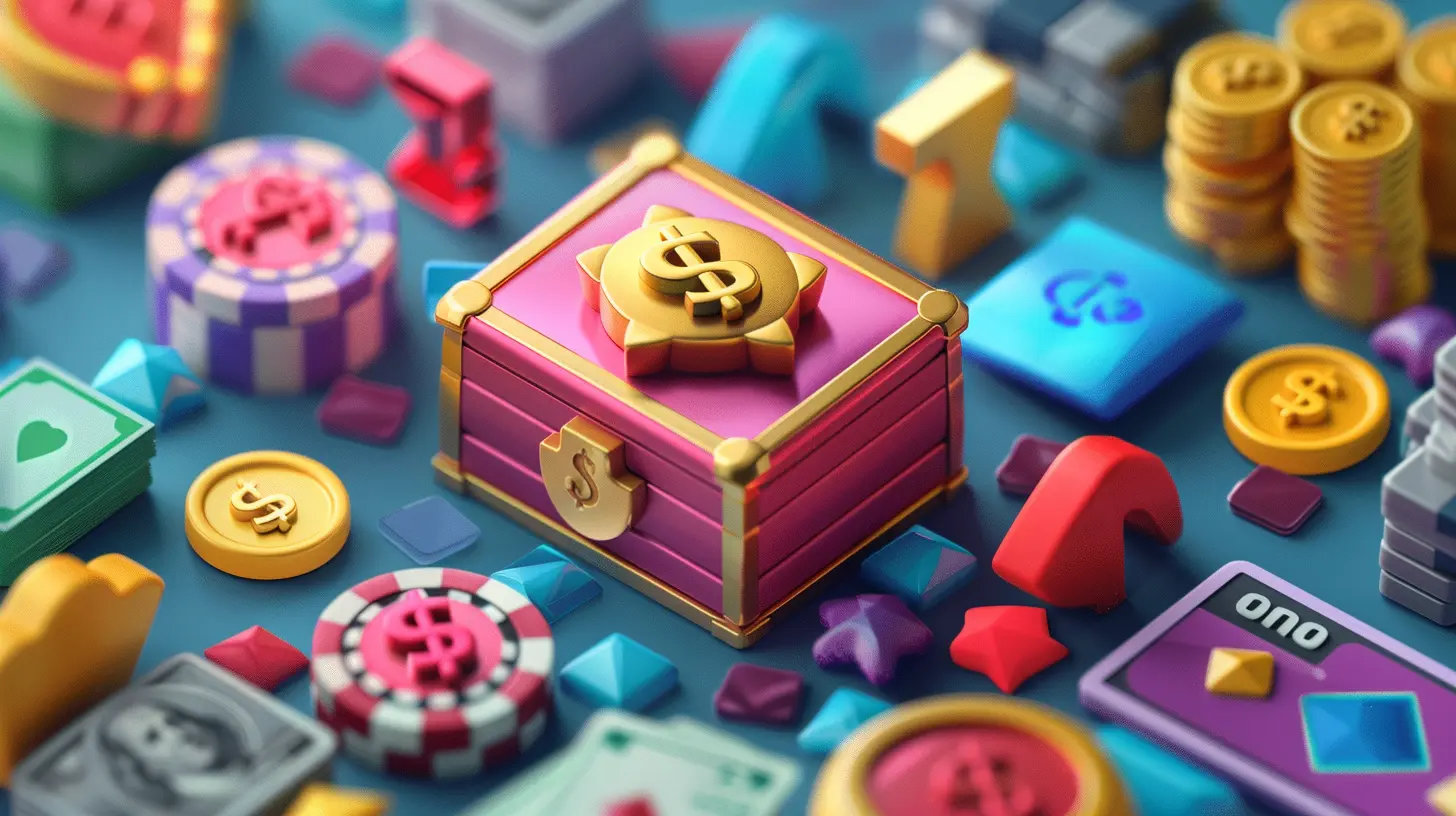
The Rise of Player-Centric Monetization Models
1. Battle Pass Systems
Games like Fortnite, Apex Legends, and Call of Duty: Warzone nailed this one. The battle pass model is a prime example of player choice done right. Players can opt in, decide how far they want to progress, and unlock content based on effort, not blind luck.It’s a win-win — players pay for meaningful progression, and developers enjoy long-term engagement (i.e., more revenue).
2. Cosmetic-Only Monetization
Remember when Overwatch launched with no game-breaking microtransactions? Players loved that. Paying for skins, sprays, and emotes — all cosmetic — lets players express themselves without affecting core gameplay.This model respects the skill of free players while rewarding paying ones with extra flair. It builds trust, and guess what? Trust leads to higher conversion rates.
3. Gacha Done Right (Yes, Really)
Gacha systems often get a bad rap. But when handled with transparency and player choice in mind (like pity timers, clear drop rates, and choice-based rewards), they can thrive without backlash.Games like Genshin Impact show how choice even in randomness can feel good — by letting players focus on banners they actually care about and giving them control over upgrades, rather than pure RNG frustration.
How Choice Builds Loyalty (Which Builds Revenue)
Think about your favorite game. What kept you coming back? Probably a combination of good gameplay, regular updates, and, yep — the ability to make your own decisions. When players feel heard and respected, they stick around longer.And loyal players? They spend more over time.
Giving players the freedom to choose what they spend money on, how they engage with content, and even when they spend means players feel less like cash cows and more like valued community members.
This level of respect creates word-of-mouth hype, better retention rates, and a healthier community — all of which contribute to long-term monetization success.
The Role of Player Agency in Game Design
Game design that supports player agency isn’t just good for immersion. It’s a strategic move for monetization.Choice-Driven Progression
Allowing players to choose their own path, faction, or story route makes them more attached to the outcome. That's why narrative-rich games often see players investing in DLCs to explore more paths, lore, or endings.Modularity and Upgrades
Instead of offering one-size-fits-all DLCs or bundles, some games let players handpick which expansions or features they want to pay for. That modular approach is like a gaming buffet — you only pay for what you’ll actually consume.And guess what? That makes players more comfortable spending in the first place.
Microtransactions and Ethical Design
Alright, let’s address the elephant in the room — microtransactions.They’ve gotten a bad reputation, and honestly, for good reason in some cases. But not all microtransactions are evil. When built around player choice and fairness, they become tools, not traps.
Ethical Microtransactions and Transparency
Make prices clear. Make rewards visible. Give players the info they need to make informed choices. It’s like going to a store where you can actually see what’s in the box — you wouldn’t buy a mystery sandwich, would you?Rewarding Time, Not Just Money
Games that reward both time and money keep players engaged across the board. Let free players grind, and let paying players skip the grind — but without unbalancing the game. That's respectful design, and it leads to better monetization over time.Community Feedback: The Secret Weapon
Want to know one of the best ways to improve monetization through player choice? Just ask the community.Games that evolve based on player feedback (hello, Warframe) tend to have loyal, spending communities. Why? Because people want to support games that listen.
Polls, beta access, Discord surveys — whatever the method, letting players shape part of the game makes them more likely to invest in its future.
Examples of Games Doing It Right
Fortnite
Epic Games turned a basic battle royale into a cultural juggernaut. Why? Because they gave players choices. Skins, emotes, battle pass tiers, game modes — all player-driven. Even collaborations are often themed around what players care about.Warframe
From customization to community-driven updates, Warframe has built an economy where players can trade, grind, and buy — all driven by their preferences. The monetization never feels forced; it feels fair.Genshin Impact
While it toes the gacha line, Genshin uses banners, pity mechanics, and player events that let you feel like your pulls were choices, not guesses. Plus, the free-to-play content is so rich that players don’t feel cornered into paying.Balancing Act: Freedom vs. Revenue
Now, let’s be real. Giving players too much freedom without guidance can backfire. Some people won’t spend a dime unless nudged. That’s why modern monetization mixes soft nudges (limited-time offers, personalized deals) with hard respect (no game-breaking advantages behind paywalls).The best-balanced games:
- Offer value at every spending level
- Respect player time and effort
- Provide meaningful decisions, not forced ones
- Treat spending like a choice, not a requirement
The Future of Monetization Through Choice
As the gaming industry evolves, one thing’s clear — player choice is no longer a luxury, it’s the standard. The future looks bright for games that put power into players’ hands.Imagine being able to build your own version of a battle pass. Or subscribing to a custom content package that only contains what you love. Or even tipping developers for features you want to see implemented.
With advancements in data, AI, and UX, we’re heading toward a fully personalized monetization era. The bottom line? Respect players' choices, and they’ll reward you with their loyalty — and their wallets.
Final Thoughts
Player choice isn’t about handing over the keys to your game. It’s about creating an experience where players feel like they’re in the driver’s seat. They choose how they play. How they pay. And whether they stay. The more a game aligns with those preferences, the more successful — and sustainable — its monetization becomes.So whether you’re a dev, a publisher, or just someone obsessed with the gaming world, remember this: choice isn’t just a feature — it’s a strategy. And probably your best one yet.
all images in this post were generated using AI tools
Category:
Game MonetizationAuthor:

Stephanie Abbott
Discussion
rate this article
3 comments
Drake McQuiston
Player choice enhances engagement, leading to increased monetization opportunities and overall game success.
April 23, 2026 at 3:08 PM
Stephanie Abbott
I agree. Player choice not only boosts engagement but also creates a more personalized experience that can drive monetization effectively.
Marie Butler
Empower players with choices, and watch engagement soar—success follows when they feel valued!
December 14, 2025 at 4:00 AM
Stephanie Abbott
Absolutely! Player autonomy fosters investment in the game, leading to higher engagement and, ultimately, improved monetization. Empowerment is key!
Harper McVeigh
Great insights on the interplay between player choice and monetization! It’s refreshing to see how thoughtful design can enhance both player experience and revenue. Keep up the great work!
December 8, 2025 at 5:56 PM
Stephanie Abbott
Thank you! I'm glad you found the insights valuable. Balancing player choice with monetization is essential for both engagement and success. I appreciate your support!