How Free-to-Play Games Really Make Their Money
16 May 2026
Let’s be honest—there’s no such thing as a free lunch, and the same goes for video games. At first glance, free-to-play (F2P) games look like a dream come true. No upfront cost? Awesome. Download and play instantly? Even better. But have you ever paused mid-game and wondered how these developers are keeping the lights on if you haven’t paid a dime?
Well, buckle up, because we're diving into the surprisingly intricate (and sometimes sneaky) world of monetization in free-to-play games. From in-game purchases to psychological tricks that keep players hooked, this article will break down exactly how these “free” games keep raking in billions—yes, billions—with a capital B.

What Exactly Is a Free-to-Play Game?
Before we peel back the curtain, let’s get clear on what we’re talking about.A free-to-play game is a game that’s available to download and play at no cost. No subscription fees, no upfront price tag. Sounds perfect, right? But here's the catch—while the core game is free, developers offer incentives (and sometimes pressure) for players to spend money inside the game.
These games are often found across mobile platforms (like iOS and Android), but you’ll also find them on consoles and PC. Think Fortnite, Call of Duty: Warzone, Genshin Impact, or Candy Crush. These games dominate not just playtime but also revenue charts. So how do they actually make their money?

The Money-Making Machine Behind F2P Games
Let’s break down the primary ways free-to-play games rake in the cash.1. In-App Purchases (IAPs): The Cash Cow
This is the bread and butter of most F2P games.Players can buy virtual items using real-world money, and these items usually fall into three categories:
- Cosmetics: Skins, outfits, weapon designs, and emotes. They don’t affect gameplay, but they sure make your avatar look cooler. Ever spent $10 just to give your character a pink flamingo suit? Yep, that’s the power of vanity.
- Power-ups and Boosts: These help players progress faster, beat tough levels, or crush PvP opponents. Games like Clash of Clans and Mobile Legends often offer boosts that are hard to resist when you're stuck or falling behind.
- In-Game Currency: Many F2P games have their own currency (gold coins, gems, crystals—you name it). While you can sometimes earn these slowly through gameplay, buying them is the shortcut. And yep, those microtransactions add up fast.
What’s wild is that most players never spend a cent. But the small percentage who do? They're dubbed "whales," and they can spend hundreds or even thousands of dollars. That handful of players essentially funds the game for everyone else.
2. Battle Passes and Season Passes: The Subscription Model 2.0
Games like Fortnite and Apex Legends have perfected the battle pass model.A battle pass is a limited-time progression system where players unlock items as they level up by completing challenges. There’s often a free track and a paid track. But here’s the kicker: all the really juicy rewards are behind the paywall.
Players pay a fixed fee (usually $10 or so) per season, which lasts a few weeks. It’s a brilliant tactic because:
- It creates FOMO (Fear Of Missing Out)
- It encourages daily engagement
- It adds a recurring revenue stream
Think of it like a gym membership. If you're paying for it, you feel the pressure to use it—often.
3. Ads, Ads, and More Ads
Especially in mobile games, ads are everywhere.You might see:
- Interstitial Ads: Pop up between levels
- Rewarded Ads: “Watch this 30-second video to get 100 coins!”
- Banner Ads: Constantly displayed on the screen
While revenue per view is small, the sheer volume of players pushes ad revenue into the millions for popular games. Some mobile developers even use ads as their primary revenue model.
4. Loot Boxes and Gacha Mechanics: Gambling in Disguise?
Here’s where things get controversial.Loot boxes and gacha systems offer random rewards. Players spend money (or in-game currency) for a chance at rare items, characters, or enhancements. It’s basically the digital version of a slot machine.
Countries like Belgium and the Netherlands have actually banned certain games over these mechanics, labeling them as gambling. But that hasn’t stopped the practice from being incredibly profitable.
The thrill of the unknown, combined with shiny animations and limited-time events, makes players open their wallets again and again. It's like chasing that jackpot moment.
5. Pay-to-Win Tactics: When Fairness Goes Out the Window
Not all free-to-play games are created equal.Some go full-on "pay-to-win," where paying players gain significant advantages—stronger characters, better gear, faster upgrades. This model often frustrates players who just want a balanced, skill-based experience.
But surprisingly, it works—especially in competitive or RPG games. In countries like China, Korea, and parts of Southeast Asia, pay-to-win is almost expected and widely accepted. For developers, it’s another lever to pull in serious revenue.
6. Events, Limited-Time Offers, and Special Sales
Ever notice how there's always something new happening in your favorite game?F2P games regularly drop:
- Limited-time skins
- Seasonal events
- Exclusive bundles
- Flash sales
These are psychological cues designed to push players to spend quickly. "Limited-time only" triggers urgency and FOMO, making it hard to resist the purchase—even when you were just planning to play casually.
It’s the same psychology retailers use during Black Friday. Only here, it happens every week.
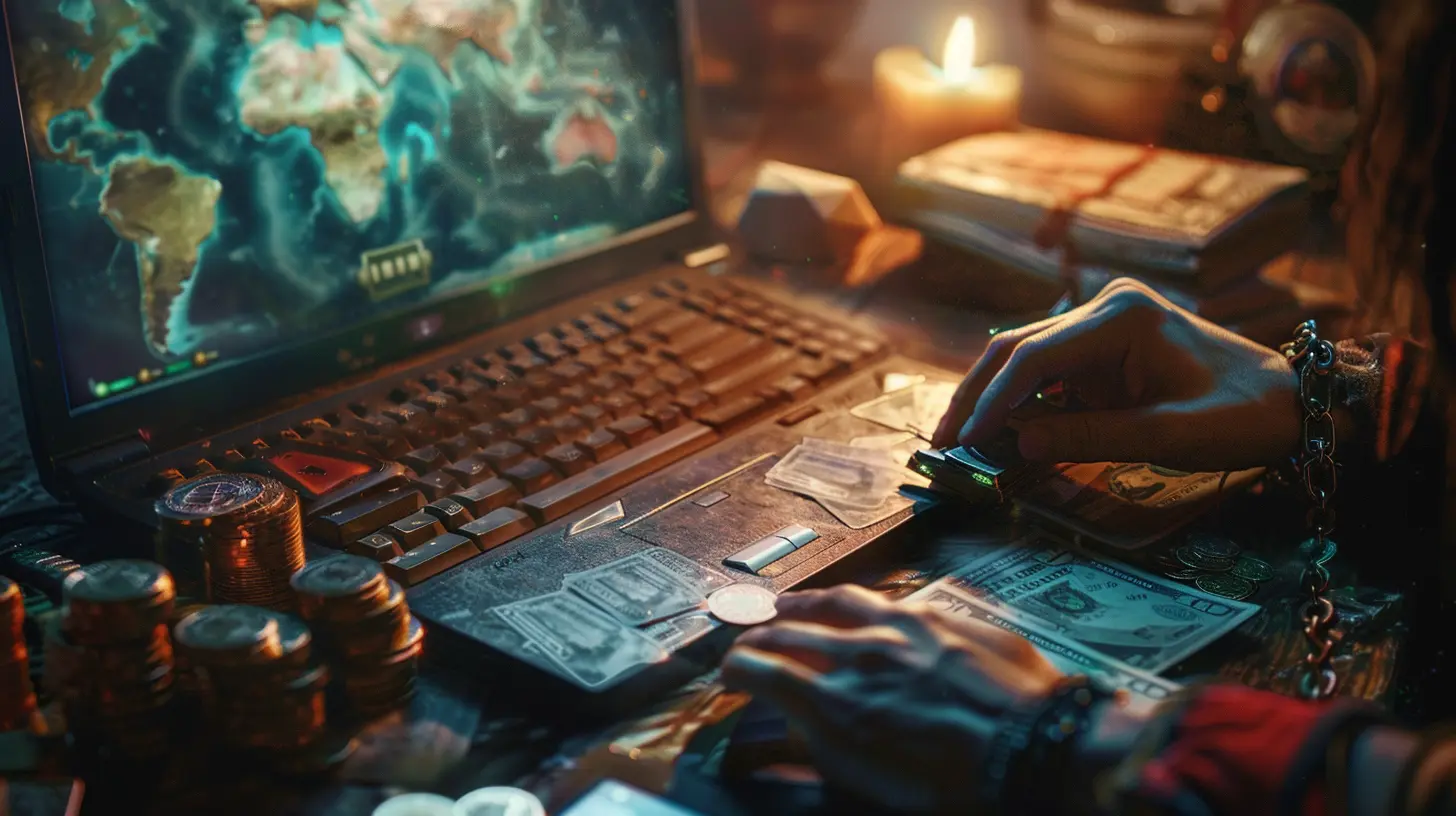
Psychology at Play: Why People Spend in Free Games
Let’s get into your brain for a minute (don’t worry, we’ll be gentle).F2P games are master manipulators of human psychology. They use behavioral science to drive engagement and spending.
Hooking You In
Most games use a “hook funnel” model:1. Hook you in with easy, fun gameplay
2. Reward you frequently early on
3. Slowly introduce time walls and difficulty spikes
4. Nudge you toward microtransactions
And we fall for it again and again—because it works.
The Sunk Cost Fallacy
If you’ve already invested 100 hours into a game, you’re more likely to spend money to keep enjoying or succeeding in it. That’s the sunk cost fallacy at work—our brains are weird like that.Social Pressure
Multiplayer games tap heavily into social comparison. When your friends have cooler outfits, stronger characters, or better performance, you’re more likely to spend just to keep up.It’s like high school—no one wants to be the one in outdated shoes.

Why the Model Works (For Developers)
The F2P model is insanely profitable, and here’s why:- Massive User Base: It's free, so more players join.
- Small % of Payers = Big Money: A tiny group of dedicated spenders funds the whole ecosystem.
- Global Reach: These games are accessible on phones, PCs, and consoles worldwide.
- Live Services = Endless Revenue: Developers can keep updating the game with new content, keeping players engaged and spending for years.
According to industry reports, F2P games generate over 70% of all digital game revenue annually. Let that sink in for a second.
The Ethical Dilemma: Is It All Fair Game?
Here’s where things get murky.While F2P games offer accessibility and enjoyment for millions, critics argue that they:
- Exploit addictive behaviors
- Target younger audiences without safeguards
- Create unfair playing fields
Some players don’t mind—spending money is just part of the fun. But others feel nickel-and-dimed or manipulated, especially when real-money transactions are deeply embedded in game progression.
Developers walk a fine line between monetization and exploitation. As long as the model keeps working, though, expect it to stick around (and evolve).
The Future of Free-to-Play Monetization
So, where is all this heading?We're already seeing:
- Subscription hybrids (like Apple Arcade or Xbox Game Pass)
- Blockchain and NFTs creeping into monetization
- AI-generated content to cut dev costs and increase updates
- Dynamic pricing based on user behavior (yes, that's happening)
The core idea remains the same: get as many players as possible, then find clever, subtle—and sometimes not so subtle—ways to get them to open their wallets.
Final Thoughts
So next time you’re diving into your favorite F2P title, just remember—if you’re not paying with cash, you’re paying with time, data, or attention. And for the developers, that’s more than enough.Free-to-play games aren’t really free. They’re just cleverly disguised shopfronts wrapped in fun and pixels. And whether you’re a casual tapper or a hardcore grinder, chances are you’ve spent more than you realized… even if you’ve never clicked “Buy Gems” in your life.
Now that you know how the sausage is made, you can at least go in with your eyes wide open. Game on!
all images in this post were generated using AI tools
Category:
Game MonetizationAuthor:

Stephanie Abbott
Discussion
rate this article
2 comments
Harlow Mitchell
Great insights on free-to-play games! It's fascinating to see how they balance fun and monetization. Understanding their strategies really enhances the player experience. Keep up the great work!
July 16, 2026 at 3:00 PM
Stephanie Abbott
Thank you! I'm glad you found it insightful. Balancing fun and monetization is key, and I appreciate your support!
Kaitlyn McAdoo
Great insights! Free-to-play games offer a unique model that empowers creativity and accessibility. Understanding their revenue strategies can help us appreciate the balance between enjoyment and monetization. Keep gaming!
May 18, 2026 at 3:18 PM
Stephanie Abbott
Thanks for your comment! I'm glad you found the insights valuable. The balance between enjoyment and monetization is indeed fascinating in free-to-play games. Happy gaming!