How Emerging Markets Are Reshaping Game Monetization
11 May 2026
Let’s get real—video game monetization is going through a massive makeover, and it's being fueled by something the industry used to overlook: emerging markets. That’s right. Places like Southeast Asia, Latin America, the Middle East, and Africa aren’t just sitting in the background anymore. They’re grabbing the controller and forcing big studios to rethink how they make money.
Gone are the days when developers could rely solely on Western markets to fill their coffers. We’re seeing a full-on shakeup, and it’s not just about who's playing—it's about how they’re paying. If you're a gamer, dev, marketer, or someone who just binge-reads about the industry (no shame), you need to understand how this seismic shift is changing the game—literally.
The Old Playbook Is Broken
If you're old enough to remember buying a $60 AAA title every few months, congrats—you’ve witnessed the traditional business model. That one-size-fits-all approach worked just fine when the audience was mostly in North America, Europe, and Japan. But now? Not so much.In emerging markets, that price tag doesn’t fly. The economic dynamics are totally different. In countries where the monthly minimum wage barely touches what a standard AAA game costs, developers had to get creative—or risk losing out on billions (yep, with a B).
So what’s the fix? You guessed it: new monetization models tailored for global diversity.
Why Emerging Markets Matter More Than Ever
Let’s break it down. Emerging markets are:- Enormous in population (think billions of potential gamers)
- Mobile-first (many users never owned a console or PC)
- Hungry for entertainment (especially games that reflect their culture)
- Data-sensitive (low bandwidth, expensive internet)
- Price-conscious (every cent counts)
Now pair that with the explosion of cheap, accessible smartphones and easy mobile payment options. You’re looking at regions that can support games with massive, enduring user bases—if those games are built and monetized the right way.
Seriously, ignore these markets, and you’re just giving money away.
The Free-to-Play (F2P) Revolution
In the Western world, the idea of "free-to-play" used to be met with skepticism—probably because too many games abused loot boxes or felt like pay-to-win scams. But in emerging markets? Free-to-play isn’t just popular—it’s essential.Here’s why F2P works so well:
- Zero entry barrier: Players can download and start playing without spending a dime.
- Microtransactions feel manageable: Spending a few cents or a couple of dollars is more appealing than a giant upfront cost.
- Scalability: Games can reach millions with just the right viral spark.
Games like Garena Free Fire and PUBG Mobile mastered this model and gained cult-like followings in Latin America, India, and Southeast Asia. We're talking eSports-level influence, street murals, packed arenas—the whole nine yards.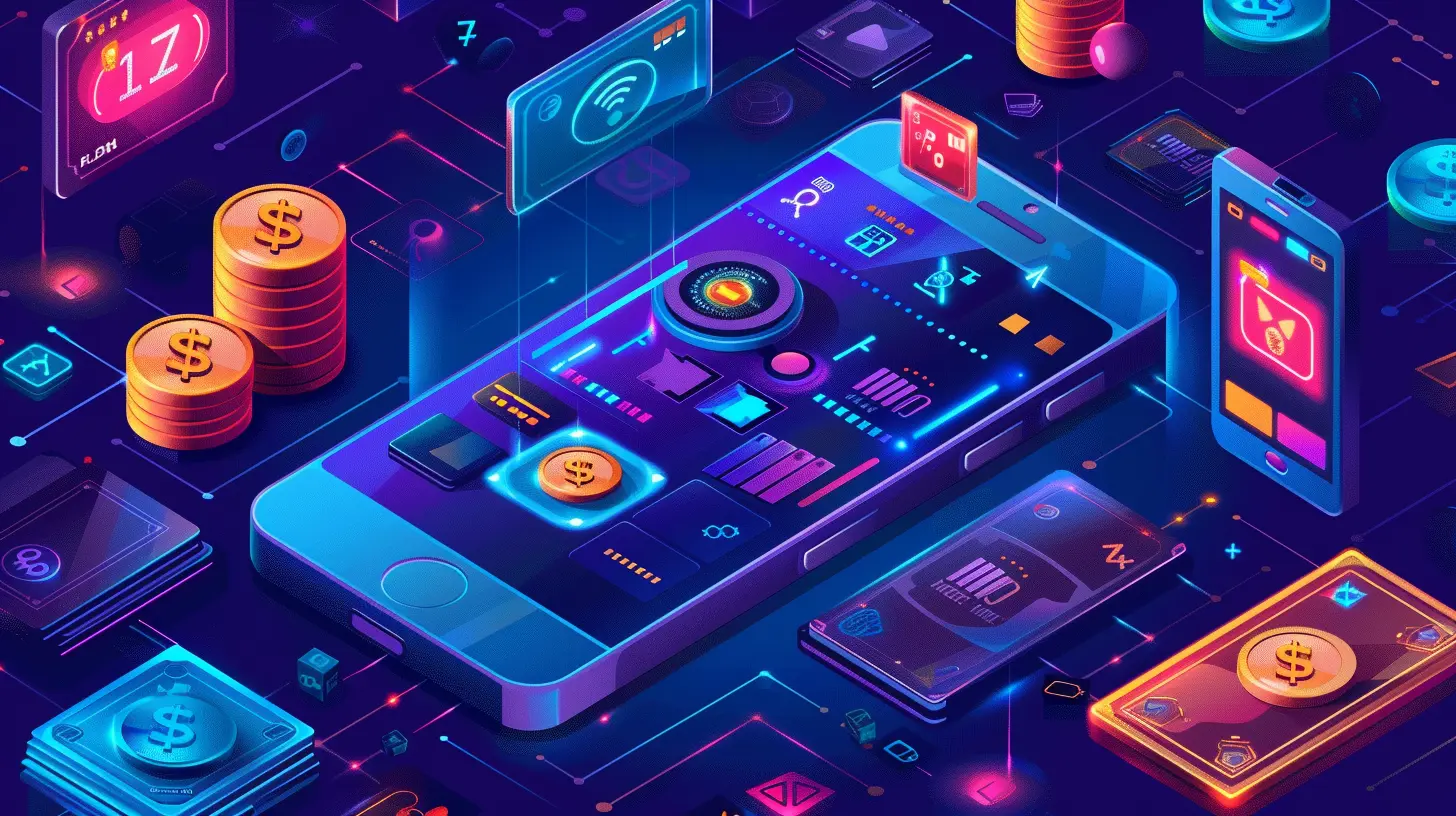
Microtransactions, but Make Them Local
Microtransactions aren’t just about skins and power-ups—they’re cultural now. But here's the kicker: what works in one country might totally flop in another.That’s why smart developers are localizing their offerings. That means:
- Using local currencies
- Offering region-specific pricing
- Featuring culturally relevant cosmetics or events
- Tapping into local payment systems (like M-Pesa in Africa or Pix in Brazil)
It’s all about meeting players where they are. And no, slapping some translation text into your app isn’t enough. You’ve got to invest in understanding the market you're targeting.
Subscription Models: The New Frontier
Ever heard of Netflix for games? No, not just Xbox Game Pass—I'm talking region-specific subscription services designed for emerging markets. These services bundle popular games, offer offline play, and cut down on data usage costs—all for a super low monthly fee.In India, for example, JioGames is trying to pull this off by integrating games into phone + data plans. Smart, right?
Subscription models solve two major problems:
1. Lower upfront costs for users
2. Consistent, recurring revenue for devs
Win-win. And as more telcos get involved, we’ll probably see even crazier bundles—imagine getting unlimited 4G and a catalog of 50 games for just $3/month. That's irresistible for gamers on a budget.
Cloud Gaming: The Disruptor-in-Chief
OK, so hardware is expensive—especially in places where the average income is low. Console and PC gaming? That’s a luxury. But what if you didn’t need expensive hardware to play the latest AAA games?That’s the dream of cloud gaming, and it’s very real in emerging markets.
Services like:
- NVIDIA GeForce NOW
- Xbox Cloud Gaming
- Tencent’s Start
- NetBoom (Android favorite in Asia)
…are aiming to turn any average smartphone or TV into a full-on gaming machine.
Think about it: instead of spending $1,000+ on a rig, users pay a few bucks for access and stream Red Dead Redemption 2 straight to their phone. That’s like turning a potato into a beefy gaming PC overnight.
eSports and Competitive Gaming Are Exploding
If you still think eSports is just a Western phenomenon, you’re wildly behind. In emerging markets, competitive mobile gaming has grown faster than anyone expected.Countries like Vietnam, Brazil, and the Philippines have spawned entire pro scenes around titles like:
- Mobile Legends: Bang Bang
- Arena of Valor
- Wild Rift
These games aren’t just fun—they’re opportunities. Tournaments often pull in millions of viewers and offer serious prize pools. Even better? Brands are lining up like it's Black Friday to sponsor these events and get in on the action.
And where there's esports, there's massive potential for monetization—from merchandise to brand deals to exclusive in-game content.
Ad-Based Monetization: Turning Attention Into Dollars
Let’s face it—ads used to be the enemy of good game design. But in emerging markets, where users can’t always pay to play, ads are the price of admission.Developers have learned to make ads less intrusive and more rewarding. For example:
- Watch an ad to get extra lives
- View a video to unlock a rare weapon
- Complete a branded challenge for in-game currency
It’s all about value exchange. Players aren’t just forced to watch—they choose to because it helps them progress. And that, my friend, is a goldmine.
Local Developers Are Driving Innovation
Here’s something that doesn’t get talked about enough: local studios in emerging markets are absolutely killing it.Examples?
- Chimera Entertainment in South Africa
- Tapps Games from Brazil
- Anantarupa Studios out of Indonesia
- Gameloft’s massive studio in Vietnam
These devs get their audiences because they're part of their communities. They’re building games that reflect local culture, language, humor, and struggles. And guess what? Players are eating it up.
Plus, they're experimenting with business models from freemium to ad-supported to pay-what-you-want. They're not bound by old industry rules—and that freedom leads to serious innovation.
Payment Innovation Is a Game-Changer
We can't talk monetization without talking about how people pay. Credit cards? They're actually not that common in a lot of emerging regions.So what's the fix?
- Carrier billing (just charge it to your mobile plan)
- Local mobile wallets
- Cash-based voucher systems
- Crypto and blockchain (yep, some places are skipping traditional finance entirely)
Developers who accept local payment systems instantly widen their earning potential. It’s like opening the floodgates—and the money pours in.
So... What Does This All Mean for the Future of Gaming?
In a word? Opportunity.Emerging markets aren’t just getting a seat at the table—they’re becoming the table. They’re shaping how games are made, how they're played, and how they're monetized. And it’s not just about making a quick buck. It’s about building long-term communities, crafting culturally relevant content, and finally shaking off the Western bias that’s ruled the industry for too long.
If you're not adapting, you’re falling behind. If you're not localizing, you're losing players. And if you're not watching how these markets play, you’re probably designing for a world that no longer exists.
Final Thoughts
The gaming world is leveling up fast, and emerging markets are pressing the turbo button. They're forcing developers to get smarter, more inclusive, and hella more creative with how they monetize.So whether you're a solo dev grinding in your bedroom, a publishing exec planning the next big launch, or just someone who lives for new gaming trends—keep your eyes on the global prize.
Because if you’re not building for the new world, you’re gaming in the past.
all images in this post were generated using AI tools
Category:
Game MonetizationAuthor:

Stephanie Abbott
Discussion
rate this article
2 comments
Deborah McGrady
Looks like gaming is going global, and I can finally use my smartphone for more than just scrolling through cat videos. I mean, who knew my late-night snack money would help fund the next big hit in the gaming world?
June 23, 2026 at 2:36 PM
Stephanie Abbott
It's exciting to see how mobile gaming is opening doors for everyone. Your late-night snack budget could really make an impact!
Ruby Coleman
It's exciting to see how emerging markets are changing the game monetization landscape. This evolution opens up new opportunities for creativity and innovation. Let's embrace these shifts and continue to support diverse gaming experiences that connect people worldwide. Keep playing!
May 12, 2026 at 4:53 PM
Stephanie Abbott
Thanks for your insights! The evolution in emerging markets is indeed paving the way for fresh ideas and diverse gaming experiences. Exciting times ahead!