How Co Op Mechanics Improve Game Design
18 June 2026
Ever sat on the couch with a friend, controller in hand, trying to finish a boss fight together while yelling instructions at each other like a pair of untrained military commanders? If you nodded, you’ve already felt the magic of co-op mechanics. Cooperative gameplay—lovingly referred to as “co-op”—is far more than just a feature checkbox. It’s a whole mindset that game designers use to enhance engagement, boost creativity, and deepen player immersion.
In today's gaming landscape, where attention spans are short and competition is fierce, adding co-op mechanics isn’t just a “nice-to-have”—it’s often the secret sauce that takes a game from decent to unforgettable.
Let’s unpack how co-op mechanics improve game design in ways you might not have realized.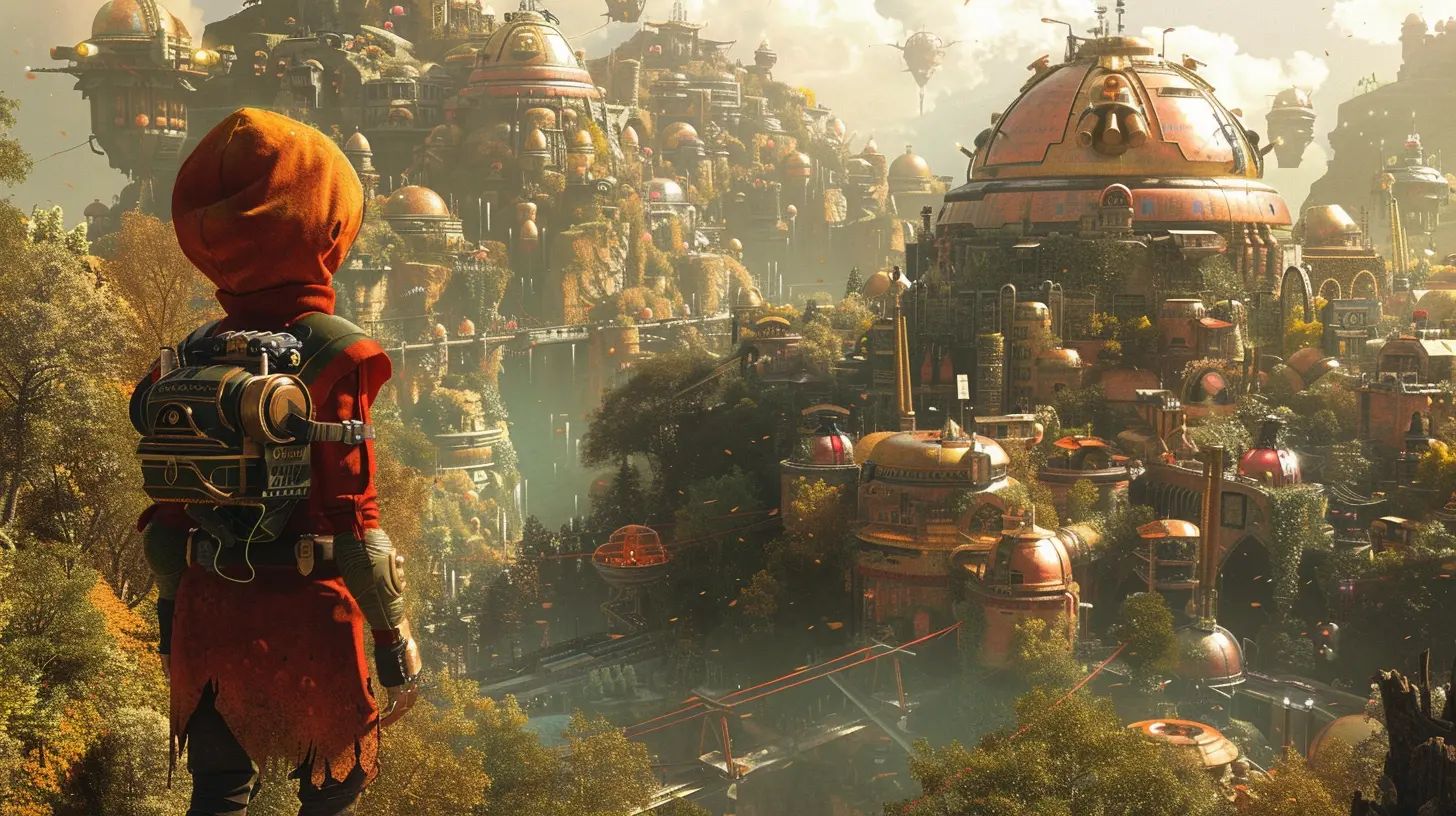
What Exactly Are Co-Op Mechanics?
Before we dive into the meat of the topic, let’s quickly define what we’re talking about.Co-op (short for cooperative) mechanics are gameplay systems that allow multiple players to work together toward shared objectives. That could mean beating levels, solving puzzles, surviving waves of enemies, or progressing through storylines—together.
These mechanics can be implemented online or locally (couch co-op), synchronously (real-time), or asynchronously (turn-based or progress-sharing). The key ingredient? Teamwork.
Why Game Designers Love Co-Op Mechanics
So why are developers so keen on slapping co-op into their games these days?Because it fundamentally changes how players interact with the game—and with each other.
1. Makes Gameplay More Engaging
Games are meant to be fun, right? And let’s face it, sometimes, even the best-designed single-player campaigns can feel a bit lonely. Enter co-op mechanics.When you’re tackling a level with a buddy, everything becomes a shared experience. Suddenly, overcoming challenges feels more rewarding, failure becomes less frustrating, and triumph tastes sweeter. You’re not just playing a game—you’re building memories.
And when players are engaged, they stick around longer. That’s a direct win for developers.
2. Encourages Replayability
Think about titles like Left 4 Dead, Diablo III, or It Takes Two. All of these games offer massive replay value because their co-op dynamics change depending on who you play with.No two sessions are the same. One co-op run might be full of strategy and stealth, while another might devolve into chaos and laughter due to a friend’s wild play style.
This unpredictability gives games a longer shelf-life. Players keep coming back—not just for the game itself, but for the social experience that comes with it.
3. Adds Layers of Strategy
Co-op mechanics introduce a new layer of complexity. And that's a good thing.Now, it’s not just about individual skill—it’s about coordination, communication, and timing. Think of games like Overcooked or Deep Rock Galactic. You can’t brute-force your way through them; you have to work together.
Players become more mindful of each other’s strengths and weaknesses. Game design benefits from this added layer, offering more nuanced objectives and rich gameplay loops.
The Psychology Behind Co-Op Play
Here’s where it gets a bit deeper—because the magic of co-op isn’t just in mechanics. It’s psychological.1. Humans Are Wired for Collaboration
From an evolutionary standpoint, we’ve always been social creatures. We thrive in groups, we communicate, we solve problems together. Co-op gameplay taps directly into this.Teamwork, shared success, and even synchronized failure trigger the brain’s feel-good chemicals. That’s why a well-designed co-op experience doesn’t just feel fun—it feels right.
2. Emotional Investment Skyrockets
Ever noticed how you feel more responsible not to screw up when someone else is depending on you? That’s social accountability at play.When others are watching or relying on you, you’re more invested. Designers cleverly exploit this to push players to care more, try harder, and stay immersed.
You’re not just playing for yourself anymore—you’re part of something bigger.
How Co-Op Changes Game Design Philosophy
Let’s get into the nitty-gritty: how does integrating co-op actually influence the way a game is designed from the ground up?1. Level Design Becomes Collaborative
Designing levels for co-op players isn’t just about making space for two characters instead of one. It requires rethinking spaces entirely.Choke points become opportunities for shared effort. Environmental puzzles demand multiple inputs. Even traversal—platforming, climbing, navigating—must account for cooperation.
Games like Portal 2’s co-op campaign show this beautifully. Puzzles designed for one person wouldn’t work here. You need trust, coordination, and sometimes a little patience (especially when your buddy keeps messing up the timing).
2. Combat Balancing Must Evolve
Solo combat design is one thing. But when there are multiple players, each with different abilities and playstyles? That’s a whole different beast.Developers have to balance enemy types, health pools, damage values, and AI reactions to accommodate both lone players and dynamic duos (or squads).
Well-tuned balancing allows co-op players to feel powerful without making the game too easy—or too chaotic. That’s a tightrope walk, but when done right, it elevates the entire experience.
3. Narrative Design Adapts Too
Storytelling becomes trickier—but also more exciting—in co-op games.Single-player stories are straightforward: one hero, one journey. But co-op needs to account for multiple protagonists. Designers often use clever techniques like dynamic dialog, contextual scenes, or character-specific arcs to keep everyone involved in the narrative.
A great example? It Takes Two. The relationship between the characters is the story, and it’s only compelling because both players are emotionally present and mechanically essential.
Co-Op Mechanics in Modern Games: Real-World Examples
Let’s shine the spotlight on some standout games that nailed co-op mechanics and, in doing so, elevated their design.1. It Takes Two
This game is practically a love letter to co-op gameplay. You and a partner control two characters going through an emotional journey—both narratively and mechanically.Each level introduces new gameplay mechanics that require cooperation and communication. It doesn’t just allow co-op—it thrives on it. Without a partner, this game quite literally doesn’t function. It’s a masterpiece in cooperative design.
2. Left 4 Dead Series
Valve’s zombie survival shooter isn’t just about mowing down hordes of the undead. It’s about sticking together, reviving fallen teammates, and making strategic decisions on the fly.The game even has an AI Director that adapts the experience based on how well you and your team are doing—making each playthrough feel like a custom horror movie you’re surviving together.
3. Portal 2 (Co-Op Mode)
While the original Portal wowed players with its clever mechanics, Portal 2’s co-op mode took things to the next level.Suddenly, players weren’t just solving puzzles—they were solving them together, often requiring precise timing and deep trust in their partners. The result? Brain-meltingly good fun.
Designing for Co-Op ≠ Just "Add Another Player"
Here’s where some games go wrong: they treat co-op as an afterthought.Tacking on a second player without reworking level design, balance, or story integration leads to a clunky, disconnected experience. The best co-op games are the ones where collaboration is baked into the design from the very beginning.
That means:
- Creating roles that complement each other (support, tank, DPS).
- Designing puzzles that need multiple inputs.
- Encouraging interaction, not just co-presence.
It’s like baking a cake with the right ingredients, not just putting icing on top of a loaf of bread and calling it dessert.
Co-Op Mechanics and Accessibility
Let’s not forget the inclusive angle. Co-op games can make gaming more accessible.For younger players, newcomers, or people with disabilities, co-op allows a friend to step in and help during tough sections. Story modes in games like Marvel’s Avengers or LEGO titles let one player “carry” a bit while still ensuring both players have fun.
That shared control and support system can be empowering. And it opens the door for more people to enjoy gaming.
The Future of Co-Op Game Design
If current trends are anything to go by, co-op is only going to get more ambitious.With cloud gaming, cross-platform play, and AI companions, the future of cooperative gameplay is limitless. Imagine teaming up with a friend across the world in a VR-based RPG where your voices are tracked, and your avatars interact naturally in real-time.
Or AI partners so smart and responsive that they mimic human teammates perfectly when your co-op buddy has to leave.
The bottom line? Co-op isn’t just a feature—it’s a design philosophy. And it’s one that’s reshaping how we define fun, meaning, and connection in games.
Final Thoughts
At the end of the day, games are about connection. Whether it's a father and daughter bonding over Minecraft, couples working through challenges in It Takes Two, or old friends rekindling a bond through Halo’s co-op missions—these shared experiences leave lasting impressions.Co-op mechanics aren’t just improving game design. They’re redefining what games mean to us.
So next time you team up with someone in a game, take a moment to appreciate the design wizardry happening behind the scenes—and maybe thank your co-op partner for not ragequitting when you accidentally threw a grenade at them.
We’ve all been there.
all images in this post were generated using AI tools
Category:
Best Co Op GamesAuthor:

Stephanie Abbott
Discussion
rate this article
1 comments
Lilith McClary
Co-op mechanics unlock hidden layers in game design, weaving player connection with strategy. What happens when trust is tested and alliances shift? The thrill of unpredictability breathes life into worlds, making every choice a step into the unknown...
June 21, 2026 at 4:11 PM
Stephanie Abbott
You've captured the essence perfectly. Trust and shifting alliances in co-op mechanics add depth, keeping players engaged and constantly adapting. It really brings a dynamic layer to the gameplay experience.